

Advanced Dental Laser Technology in Modern Dental Practices
Modern dentistry is rapidly changing, and patients expect treatments to be more precise, comfortable, and minimally-invasive. Dental professionals can deliver better care to patients with a “Dental Laser Machine”. Dental laser systems can be used for a wide range of procedures, from soft tissue treatments and periodontal treatment to endodontics or oral surgery. They help dental practices increase their efficiency and expand services.
We provide the latest dental technology to hospitals, schools, universities, and private practices across the UK. We will offer you expert guidance, support and training, to help you make an informed decision, whether you’re upgrading laser technology or introducing it for the first time.
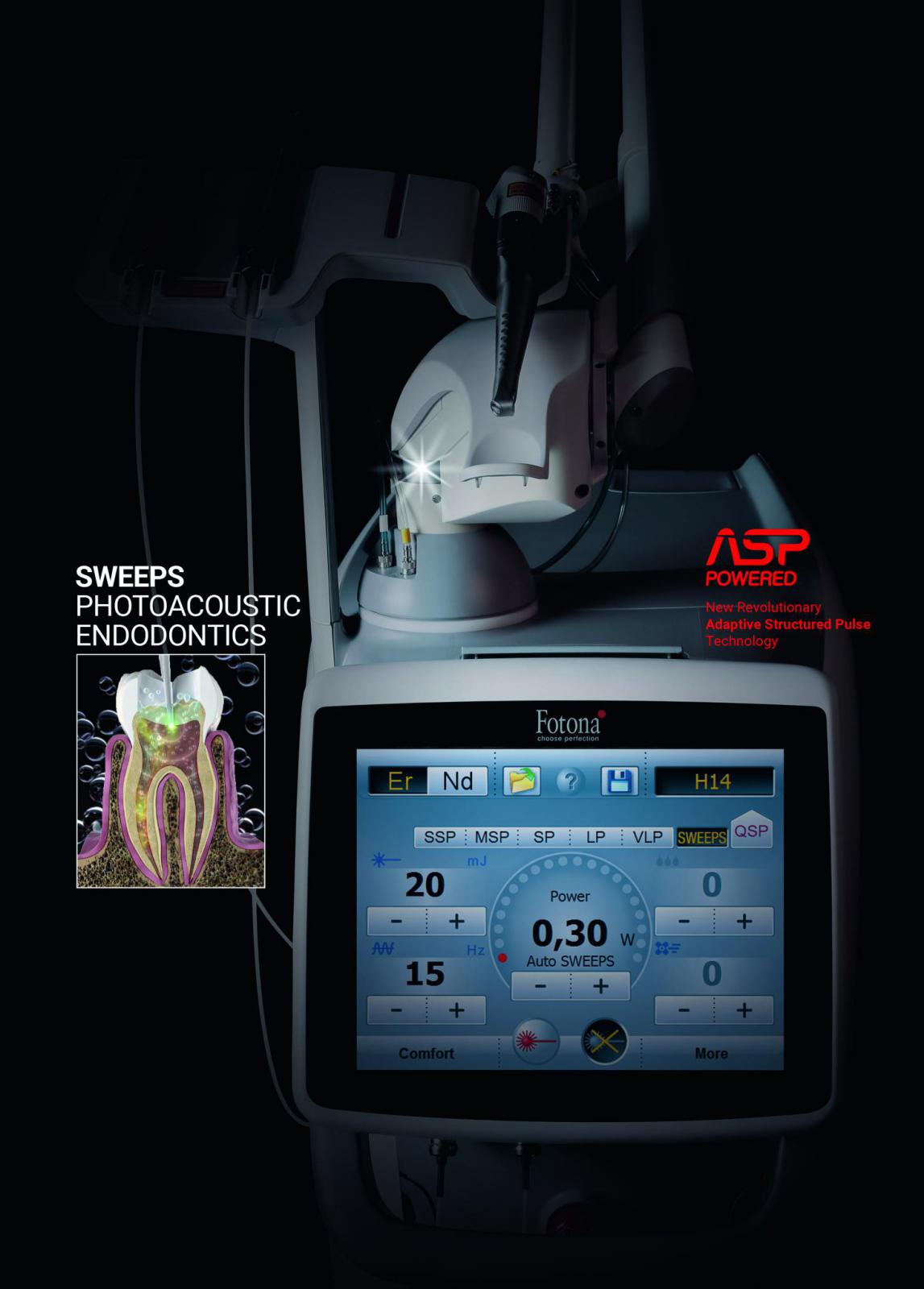
What is a Dental Laser Machine?
Dental laser machines are medical devices that use concentrated laser energy for a variety of dental procedures. They offer greater precision than conventional methods. Dental lasers are a great alternative to traditional scalpels and drills. They allow the clinicians to work with focused energy that can interact with soft tissue or hard tissue depending on which wavelength is used.
Dental lasers can be used for a variety of dental procedures, including:
- Soft tissue surgery
- Periodontal treatments
- Root canal procedures
- Implant dentistry
- Cavity preparation
- Crown Lengthening
- Oral surgery
- Teeth Whitening
- Treatment of oral lesions
- Dentine hypersensitivity
This results in a practice that is more flexible and able to offer advanced treatments while ensuring greater patient comfort.
Why More UK Dentists Are Choosing Laser Dentistry
Laser dentistry is becoming more popular as it promotes both clinical excellence and the growth of dental practices. The minimum invasive nature of the treatment is appreciated by patients, while improved workflow and precision are a benefit to clinicians.
Some of the main advantages are:
Greater Precision
Laser energy allows clinicians to target specific tissue while maintaining healthy structures around it.
Patients’ Comfort is Improved
Laser procedures are often less painful, less traumatic, and have less bleeding than conventional methods.
Faster Healing
Laser energy is a powerful tool for reducing bacteria and soft tissue. Many patients report faster healing after certain procedures.
Expansion of Treatment Options
One dental laser platform is capable of supporting multiple disciplines in one practice. This allows dentists to provide a wider range of services.
Dental Laser Technology: How Does It Work?
Dental lasers produce focused light energy with carefully selected wavelengths. Different wavelengths have different interactions with water, soft tissues, enamel, dentine and bone.
Soft Tissue Procedures
Laser energy is a precise way to remove or reshape tissue, while promoting haemostasis in many procedures.
Hard Tissue Treatments
Certain laser wavelengths are suitable for the preparation of cavities, modification of tooth structure, and certain restorative procedures.
Bacterial Reduction
Laser protocols can be used to support conventional treatments by reducing bacterial loads in periodontal pockets, root canal systems and other areas.Laser dentistry is suited to a variety of clinical uses because of its combination of capabilities.
Dental laser machines have many applications
The versatility of dental lasers is one of the main reasons that clinics invest in this technology.
Treatments may include the following:
Periodontology
Laser-assisted Periodontal Therapy can help manage gum disease and improve patient comfort.
Endodontics
Laser energy can be used in root canal treatment protocols for canal disinfection.
Oral Surgery
With greater precision, soft tissue procedures like frenectomies and gingivectomies can be performed, as well as biopsies and crown lengthening.
Implant Dentistry
Dental lasers are useful for implant surgery, soft tissue management and peri-implant care.
Restorative Dentistry
Select systems are designed to support minimally invasive cavity preparation and restorative procedures.
Aesthetic Dentistry
Lasers are also used to whiten teeth, contour gums, and enhance smiles.
Why choose a multi-wavelength dental laser?
Not all dental lasers perform the same functions.Most single-wavelength dental systems are only designed to be used in one specific area. Multi-wavelength platforms offer greater flexibility, as they can be used for both hard and softer tissue procedures.
The following practices are in use:
- Offer More Treatments
- Improve equipment utilisation
- Reduce the need for multiple devices
- Expand patient services
- Increase in long-term returns on investment
As your practice expands, you will need a platform that is flexible to accommodate new treatment options.
Why choose Fotona Dental Laser Systems
Fotona is internationally recognized for its development of advanced medical lasers used in dentistry, aesthetics and surgery. Its dental platforms are a combination of decades of research and practical clinical design that support dental practices.
Advanced Technology
The Fotona system uses laser wavelengths carefully designed to support both soft and hard tissue applications depending on the platform chosen.
Clinical Versatility
The Fotona laser dental treatment system can be used for multiple treatments, allowing practices to expand their service offerings without having to purchase several machines.
Comprehensive Training
The purchase of a laser device is just the beginning. Our team offers practical clinical training that helps dentists confidently integrate laser dentistry in their everyday practice.
Ongoing technical support
Our UK-based team of support engineers provides assistance with installation, servicing, maintenance and technical guidance for the entire lifecycle of your system.
Do You Need a Dental Laser?
Laser dentistry is a good option for those who want to:
- Expand his treatment options
- Improve patient comfort
- Use minimally invasive surgical procedures
- Distinguish yourself from your competitors
- Invest in clinical growth for the long term
- Improve practice efficiency
We recommend that you discuss your goals with our team prior to selecting the laser platform.
What can you expect when purchasing from Fotona?
Our process is designed for practices to make informed decisions.
Consultation
Before recommending a system, we first understand your practice, demographics of patients, and clinical goals.
Demonstration
We can arrange for product demonstrations to allow you to experience the technology.
Installation
Install your laser with our experienced engineers and make sure everything is ready to use in the clinic.
Clinical Training
Training is essential to ensure that you and your team are able to use the system in a safe and confident manner.
Continued Support
We are available to provide technical support, maintenance, software updates and continuing education.
Why invest in Dental Laser Technology
Patients continue to demand minimally invasive dental treatments because they want comfortable, efficient and clinically advanced treatments.A dental laser can be more than just a piece of equipment for many practices. It’s about improving the patient experience, increasing clinical capabilities and creating new opportunities to grow your practice.Laser technology can be a vital part of modern dentistry with the right training.
FAQs
What exactly is a laser dental machine?
Dental laser machines are medical devices that use concentrated energy for various dental procedures.
What are the treatments that a dental laser can perform?
Laser energy allows clinicians to target specific tissue while maintaining healthy structures around it.
Is laser dentistry safe?
Yes. Dental lasers are safe and effective if operated by trained dental professionals using appropriate clinical protocols.
Can dental lasers replace traditional dental instruments?
Not entirely. Dental lasers can be used to replace instruments in certain procedures.
Do patients will experience less discomfort?
Patients report increased comfort when lasers are used, but the results vary depending on the type of treatment.

© 2026 Fotona Lasers - UK & Ireland. All Rights Reserved.
Fotona UK is a trading name of Castle House Medical Limited. Company number: 11064428.
Worthy House, 14 Winchester Road, Basingstoke, Hampshire, United Kingdom, RG21 8UQ
Call Sale: 01184 300 005
info@fotonauk.co.uk
Website powered by King Orange.