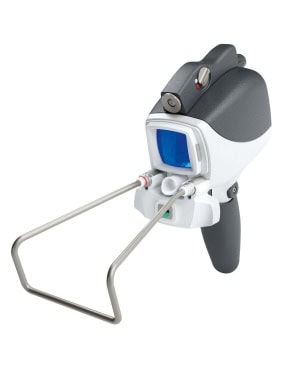



It is important to make the right decision when choosing a laser system for your clinic. It can be confusing and overwhelming to choose from so many different brands and models. Choose a laser platform that is reliable, whether your focus area is aesthetics or dermatology, gynecology or dentistry. It will affect your treatment, patient satisfaction and return on your investment.
Fotona has become a standard among laser brands. But how does it compare to other manufacturers? This blog will explore:
(i) What makes Fotona different?
(ii) Compare it with its competitors
(iii) Where other brands excel
(iv) Key points before buying?
This is a comparison of clinics that is practical and goes beyond marketing claims. It’s written in an approachable tone so that new and experienced practitioners alike can understand it.
What Sets Fotona Apart?
Fotona, a Slovenian manufacturer of medical lasers with over 50 years engineering experience is one of the most respected laser manufacturers in the world. It’s widely respected for its versatility, innovation and clinical results.
Core Strengths of Fotona :
(i) Dual-wavelength platforms (Er:YAG + Nd:YAG)
(ii) Multi-application capabilities — up to dozens of treatments per unit
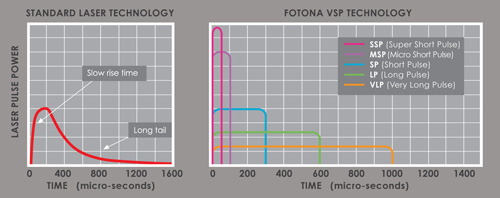
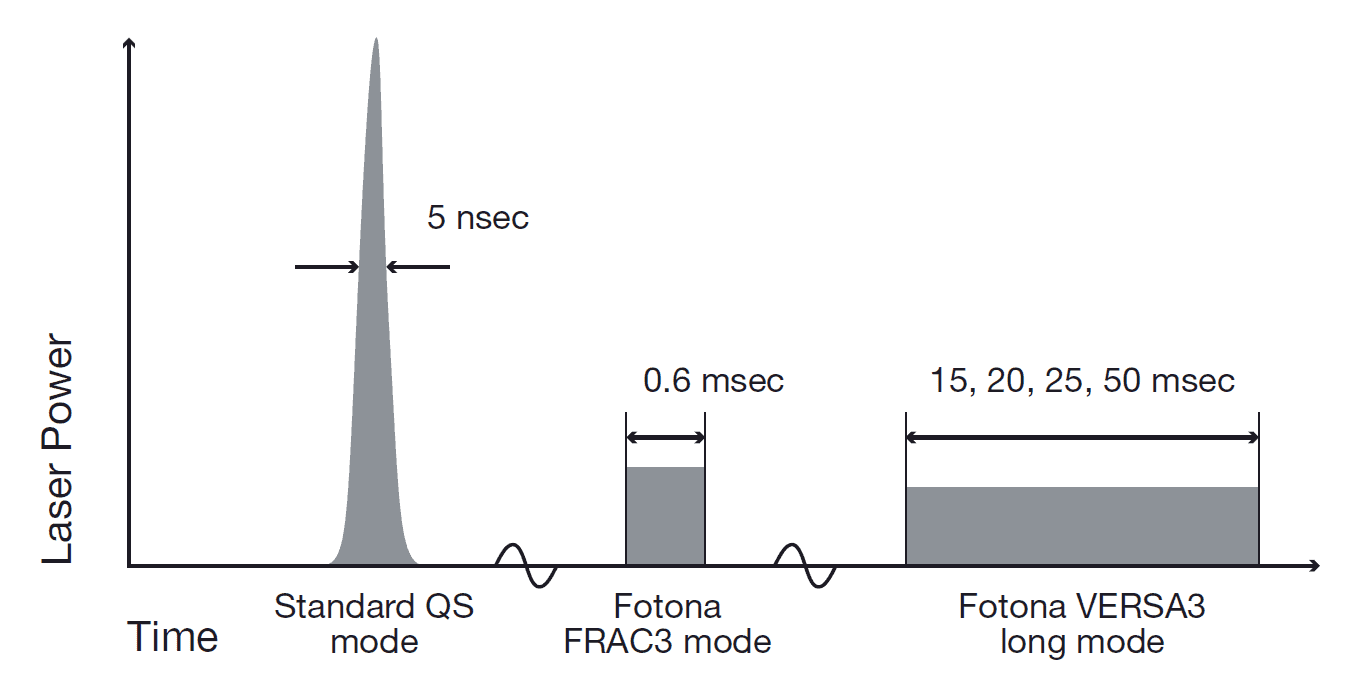
(iii) High-precision pulse control systems (SmoothMode(r), FRAC3(r), PIANO(r), SupErficial)
(iv) All skin types are safe with this product
(v) Clinical and research support is extensive
(vi) High quality training and support network.
It’s important to understand that Fotona is not just a laser for a single purpose. It’s an entire system capable of adapting to a wide range of treatment requirements.
Understanding the Competition: Common Laser Brand Categories
Let’s compare Fotona to its competitors.
1. Lasers for Single Purpose
These are intended for a single major application, such as:
(i) Hair removal
(ii) Pigmentation
(iii) Vascular lesions
(iv) Tattoo Removal
Although they are good at one thing, their lack of versatility is a problem.
2. Multi-Brand or OEM Systems
Some brands may combine different heads and modules but the core technology is less integrated or easier to use.
3. New or budget devices
Often cheaper and more accessible to smaller clinics but with less power, safety controls or reliability over the long term.
Fotona vs Single-Purpose Laser Systems
Most clinics begin with a laser that is designed for a specific purpose (e.g. hair removal, pigment laser), because it is simple and affordable. This decision is not without its trade-offs.
Single-Purpose Pros:
(i) Entry point with cost-effectiveness
(ii) Straightforward Training
(iii) One application that delivers good performance
Single-Purpose Cons:
(i) Limited treatment menu
(ii) Referrals may be needed for patients with other conditions
(iii) Higher long-term cost if you buy multiple devices
Fotona’s Advantage:
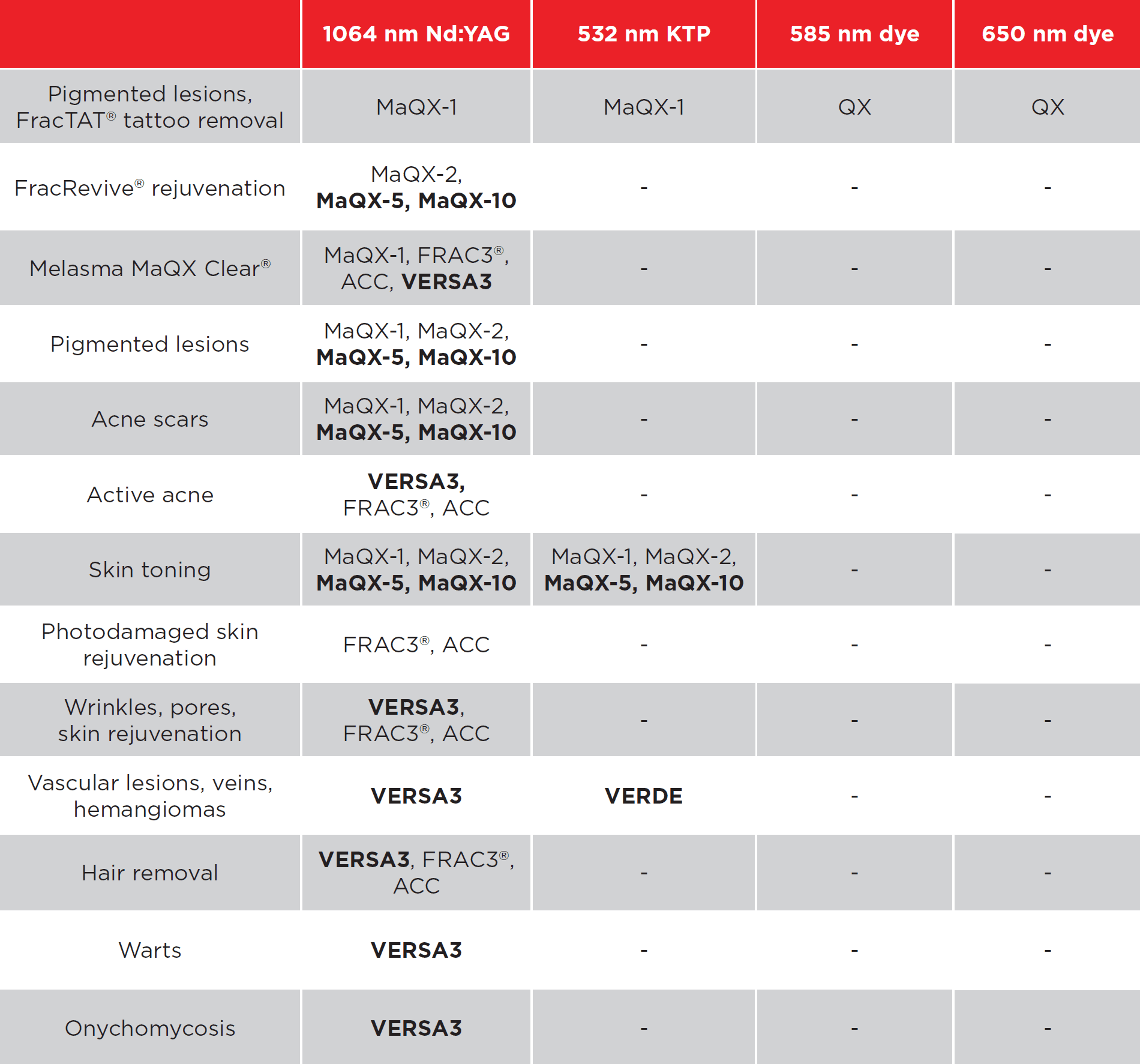
A single Fotona platform is capable of performing multiple treatments, from acne treatment, tightening and vascular therapy to hair removal.
The Multi-application benefit can help you expand the services offered by your clinic and increase ROI.
Fotona vs Multi-Brand OEM or Hybrid Systems
Some clinics have invested in hybrid systems, which claim to be able to perform a variety of tasks by changing hand pieces and combining technologies.
Hybrid system pros:
(i) Lasers with a broader range of applications than lasers for single purposes
(ii) Can be made more affordable at first
Hybrid system cons:
(i) Treatment results are often inconsistent
(ii) The integration between technologies is weak
(iii) Limited Software and Support Available
Fotona’s Advantage:
Fotona systems are designed to be able to seamlessly work across all wavelengths. This means:
(i) Treatment transitions are now much smoother
(ii) Safety control is better
(iii) Laser scientists have developed integrated protocols
This translates into predictable results in clinics and happier patients.
Fotona vs Budget or Lower-Tier Brands
Budget lasers may be attractive due to their lower initial costs, but prices are not always the same.
Budget Brands Pros:
(i) Reduced initial investment
(ii) Justification is easier for small practices
Budget Brand Cons
(i) Energy output is less powerful
(ii) Limit pulse control
(iii) Risk of side effects is higher
(iv) Poor customer support
(v) No long-term durability
Fotona’s Advantage:
High-quality engineering is:
(i) Longer machine lifespan
(ii) More stable performance
(iii) Safety features that are robust
(iv) Reliable technical support
This can help you save money in the long run, and also protect your patient’s safety and reputation.
Clinical Performance: What the Research Says
The technology of Fotona has been used for peer-reviewed research on:
(i) Facelifting without surgery (Fotona4D)
(ii) Vaginal rejuvenation (IntimaLase(r), IncontiLase(r))
(iii) Acne and scar treatment
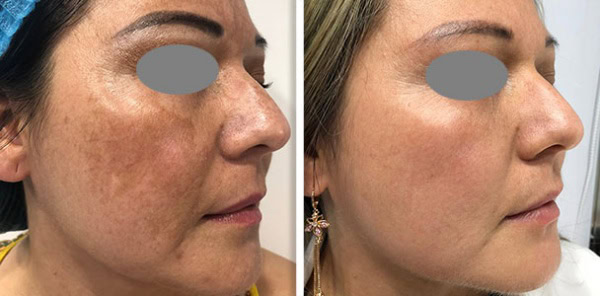
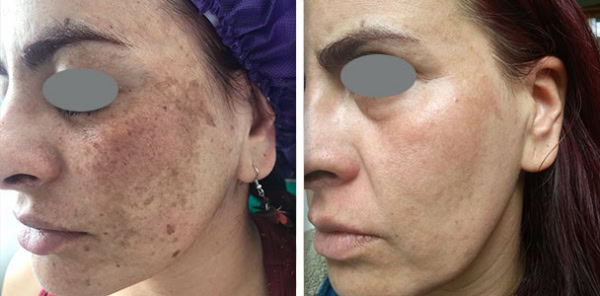
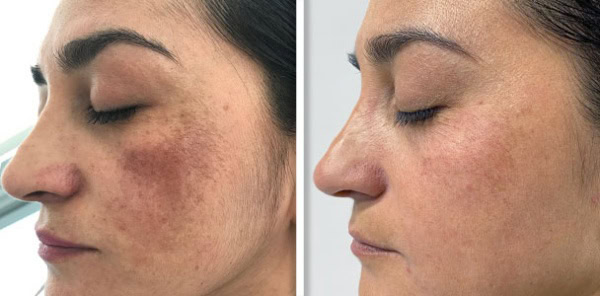
(iv) Treatments for pigmentation and vascular disorders
The clinical support is not just cosmetic marketing – it’s evidence of safety and efficacy. Fotona has a level of scientific validity which other competing systems do not have.
Training & Support: A Practical Difference
When adopting new technologies, it is crucial to have after-sales support and training.Common challenges with some brands:
(i) Training materials are minimum
(ii) Only online manuals
(iii) No hands-on Support
(iv) Long delays for service
Fotona’s Strengths:
(i) Global training seminars
(ii) Clinical workshops with real cases
(iii) Technical support teams dedicated to each client
(iv) Professional Certification Courses
Your team will spend less time guessing, and more time delivering safe results.
Cost vs Value: A Real-World Perspective
Cost matters, but so does value.
Low-Cost Laser:
(i) Reduced upfront costs
(ii) Maintenance and replacement costs are higher
(iii) Menus for limited treatment
(iv) Resale Value is less
Fotona Laser:
(i) Costs upfront are higher
(ii) Wide treatment capability
(iii) Brand reputation
(iv) Improved patient retention
(v) Lower long-term replacement costs
Many clinics have found that the Fotona system pays itself off faster, because patients come back for multiple treatments.
Conclusion
The differences between Fotona and other manufacturers are not just technical. They’re also practical, and they focus on the end result.
Fotona is superior due to:
(i) Multi-application versatility
(ii) Integrated engineering design
(iii) Research funding for clinical research
(iv) Safety features that are patient-friendly
(v) Training and support for all levels
Many single-purpose lasers or budget models have a limited range and can cause long-term problems that may limit growth and patient satisfaction.
It’s not just about the technology when choosing a laser. It’s also about the future securing your practice, providing predictable results and building trust among patients. Fotona delivers consistently on all fronts for many clinics.
FAQs
- What makes Fotona superior to a laser that is used for a single purpose?
If you’re looking for versatility and a long-term return, Fotona multi-application devices outperform many single-purpose products.
- Can Fotona machines be used on all skin types?
Yes. Fotona’s adjustable parameters and precise energy control make it safe for all skin types and tones.
- Does the Fotona system provide training to their purchasers?
Yes. Fotona provides extensive training, seminars and ongoing clinical support.
- What is the cost of Fotona?
Fotona is more expensive initially, but it can often lead to better clinic growth with lower long-term costs.
- Can a single Fotona machine be used to replace multiple devices?
Yes, in many cases. The multi-wavelength design of Fotona supports multiple treatment categories on one platform.
- Do other brands have any research behind them?
Many do, but very few can match the depth of clinical evidence or peer-reviewed research that supports Fotona treatments.
- What brands are the closest competitors of Fotona
The competition includes high-end systems such as Candela, Cynosure and Alma. However, each of these brands has limited applications compared to Fotona.