

Opening a clinic is a milestone, but also involves many important decisions. Choosing equipment is one of the most important decisions. Your investment in tools from the very beginning will directly impact patient safety, treatment efficiency, staff productivity, and long-term profit.
The right equipment is necessary for a successful clinic launch. Whether your clinic is multidisciplinary, medical, dental or aesthetic clinic. It will ensure smooth operations, and build trust with patients from the first visit. This guide will walk you through the equipment that a new clinic requires. It also explains why each category is important and how to budget wisely.
Why Choosing the Right Clinic Equipment Matters
The equipment you use in your clinic is much more than a simple tool. It’s the foundation of your practice.
(i) Patient safety and compliance is ensured
(ii) Improves diagnostic accuracy
(iii) Enhances treatment outcomes
(iv) Workflow efficiency increases
Credibility is important for professional success
The key is to plan strategically based on your services. The key to success is a strategic plan based on your services .
1. Basic Clinical Furniture & Infrastructure
Each clinic begins with a functional, hygienic and patient-friendly environment.
Essential Items:
(i) Examining couches or treatment seats
(ii) Stools for doctors and staff
(iii) Seating for patient waiting areas
(iv) Privacy partitions or screens
(v) Storage drawers and cabinets
Easy-to-clean, comfortable furniture helps create a professional atmosphere and adheres to infection control standards.
2. Diagnostic & Examination Equipment
Quality healthcare begins with accurate diagnosis.
Must-Have Diagnostic Tools
(i) Blood Pressure Monitor
(ii) Stethoscope
(iii) Thermometers (digital and infrared).
(iv) Pulse oximeter
(v) Height & Weighing Scale
These tools are vital in almost every clinic, from aesthetics to general practice.
3. Medical & Treatment Equipment
Your clinic’s focus will determine the type of equipment you require, but there are some basic requirements that apply to all.
Common Treatment Essentials
(i) Medical examination lights
(ii) Sterilisation trays
(iii) Disposable syringes and cannulas
(iv) Emergency trolley with basic Life-Support Items
(v) Dressings and wound care instruments
These tools are necessary for safety and efficiency, even if you only offer minor procedures.
4. Sterilisation & Infection Control Equipment
Infection prevention is the most important responsibility of any clinic.
Necessary Sterilisation Tools
(i) Autoclave (or steriliser)
(ii) Ultrasonic cleaner
(iii) Disposable gloves, masks, gowns
(iv) Hand sanitising station
(v) Containers for biohazardous waste
Sterilisation is important for the health of your patients, staff and clinic. It’s also a basic requirement of many licensing agencies.
5. Dental or Aesthetic-Specific Equipment (If Applicable)
Specific equipment is essential if your clinic is focused on aesthetics or dentistry.
Dental Clinics May Need
(i) Dental chair unit
(ii) X-ray imaging systems
(iii) Suction units
(iv) Scaling and polishing tools
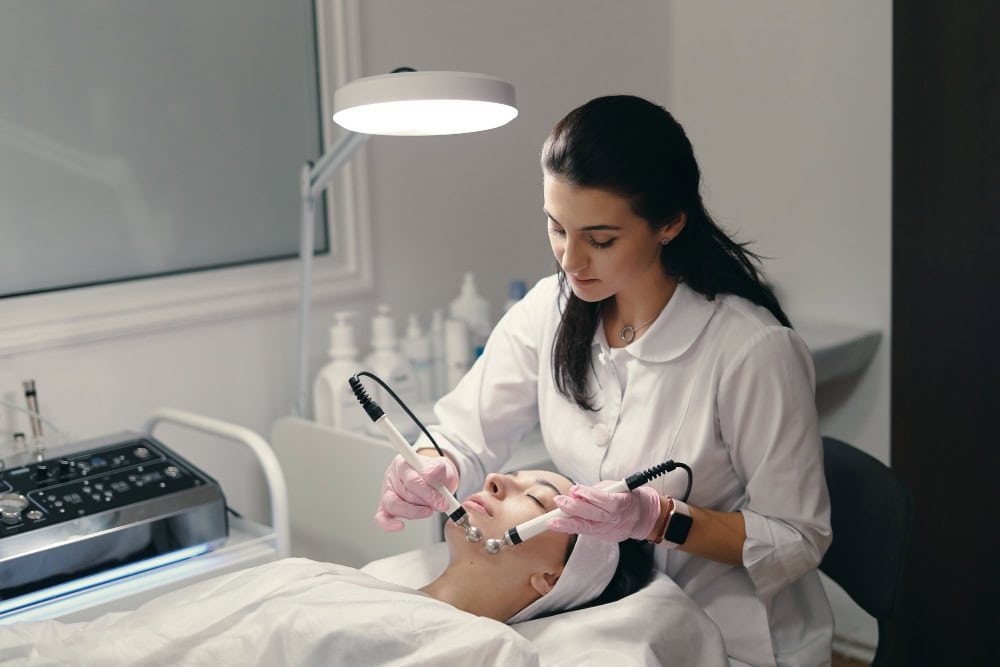
Aesthetic clinics may need
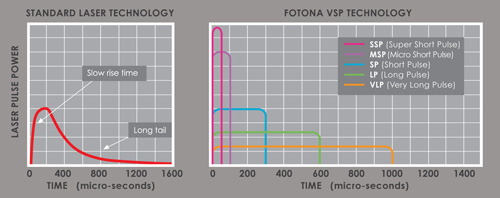
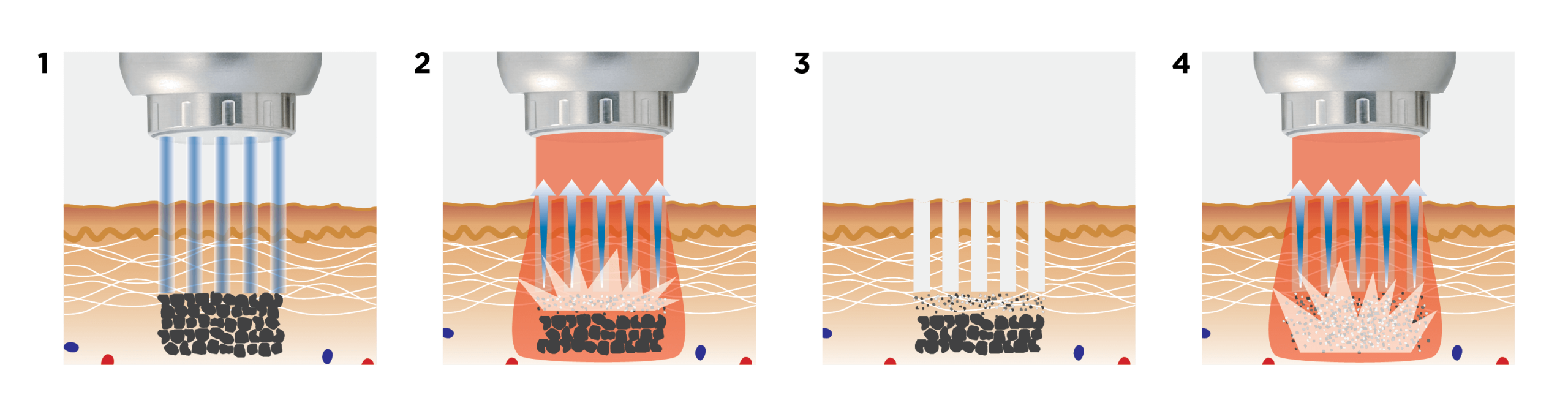
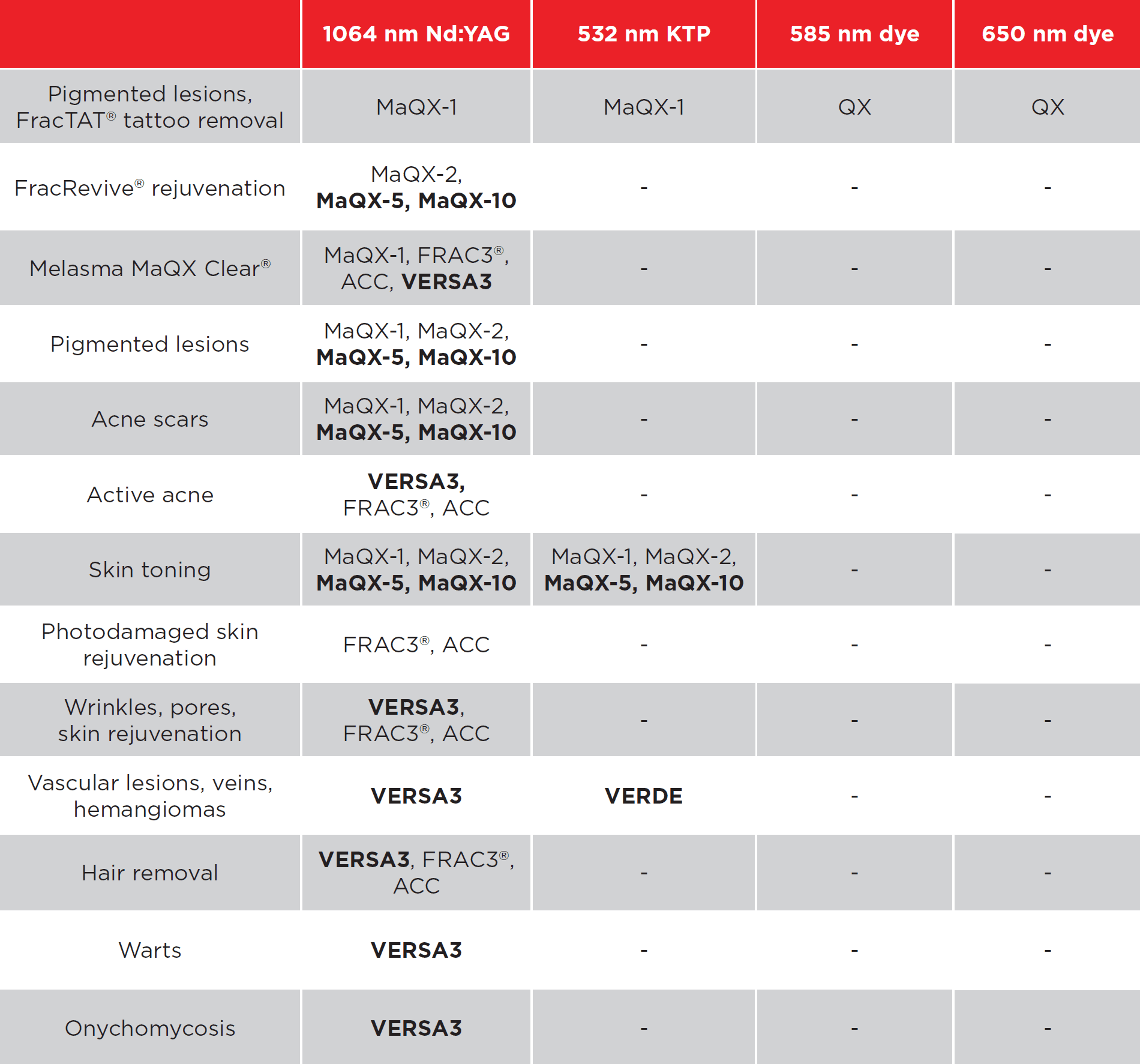
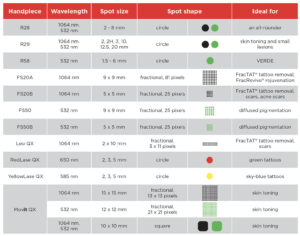
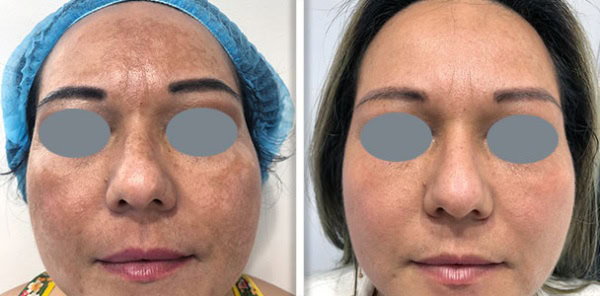
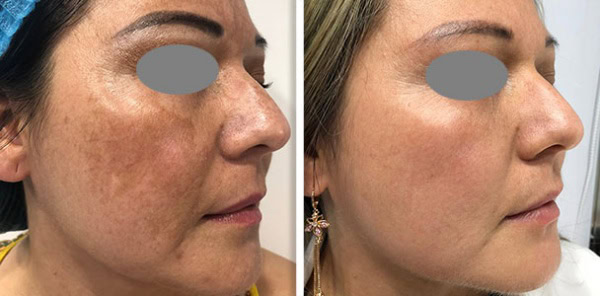
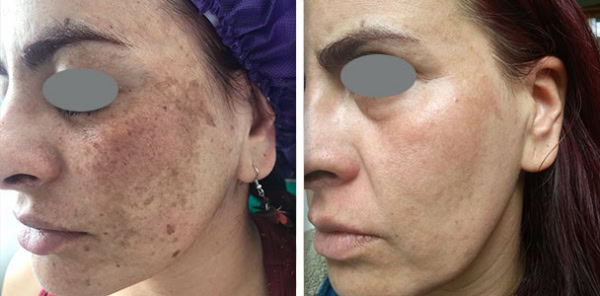
(i) Laser systems (hair removal, skin rejuvenation, tightening)
(ii) Radiofrequency or Ultrasound Devices
(iii) Skin Analysis Machines
(iv) Safety and cooling accessories
Investing multi-purpose devices will help clinics to expand their services without incurring excessive costs upfront.
6. Technology & Digital Equipment
Digital tools are essential for modern clinics to be efficient and manage patients.
Key Digital Essentials
(i) Computers and tablets for the clinical room
(ii) Practice Management Software
(iii) Electronic Health Record (EHR) System
(iv) Printers and scanners
(v) Secure data backup solutions
Digital systems improve patient communication, reduce paperwork and improve scheduling.
7. Administrative & Reception Equipment
First impressions are important. The reception area is the first impression that patients will have.
Front Desk Essentials
(i) Reception desk
(ii) Appointment scheduling system
(iii) Payment processing system
(iv) Setup of telephone and internet
(v) Patient information displays
A well-organised front desk will improve patient flow and decrease waiting time.
8. Safety & Emergency Equipment
Being prepared is part of your professional responsibilities.
Critical Safety Equipment
(i) First-aid kits
(ii) Oxygen cylinder
(iii) AED (Automated External Defibrillator)
(iv) Fire extinguisher
(v) Emergency Exit Signage
Even though emergencies are rare in clinics, being prepared will save lives and help protect your clinic from legal liability.
9. Laboratory & Testing Equipment (If Required)
Some clinics provide door step testing for improved and efficient results.
Optional Laboratory Equipment
(i) Glucometers
(ii) Urine Analysis Kits
(iii) Rapid Diagnostic Test Kits
(iv) Microscopes for specific tests.
Tests performed at the door step can increase patient satisfaction and reduce referrals.
10. Budgeting Tips for New Clinic Owners
It is better to start small than big.
(i) Prioritise essential equipment first
(ii) Select scalable systems to allow for upgrades
(iii) Consider certified refurbished equipment
(iv) Multi-functional devices are best when possible
(v) Plan maintenance and service costs
You can stay within your budget by planning out the equipment you need, while still leaving space for future growth.
Common Mistakes not to be made
(i) Buy advanced equipment before there is a demand
(ii) Staff training is not being followed
(iii) Maintenance and warranty terms are often overlooked
(iv) Compromises on safety and sterilisation tools
By avoiding these mistakes, you can protect your finances as well as your patients.
Conclusion
Understanding the equipment that a new clinic requires will help you build a safe and successful healthcare practice. Each piece of equipment, from basic diagnostic tools to treatment furniture, advanced technology to infection control systems, plays an important role in providing quality care.
The best way to approach this is to line up your equipment purchases with the services provided by your clinic, the patient volume and growth plans. Start with the basics, then invest wisely to expand when demand increases. A well equipped clinic increases the quality of care, builds trust, credibility and long-term success.
FAQs:
- What is the most essential equipment for a brand new clinic?
Priority should be given to basic diagnostic tools, sterilization equipment and treatment furniture.
- Can I start a clinic using minimal equipment?
You can expand your services if you initially focus on a limited number of services and then gradually increase the number.
- Can refurbished equipment be used in new clinics?
When purchased from reliable suppliers, certified refurbished equipment is both safe and cost effective.
- What is the average cost of clinic equipment?
The cost of a specialty can vary greatly, but planning ahead helps to control costs.
- Does aesthetic medicine require medical-grade equipment in the clinic?
Yes. Medical devices are adjusted to ensure compliance with safety, efficacy, and regulatory requirements.
- Should I purchase or lease equipment for my clinic?
The choice is based on your budget and goals. Leasing reduces initial costs while purchasing offers long-term savings.
- How often should the equipment in clinics be serviced?
Safety and performance are improved if you follow the manufacturer’s guidelines.