

Celebrity beauty has always influenced patient interest, but in 2026 the pattern is more direct than ever. People no longer wait for glossy magazine features or television interviews to discover a treatment. They see a celebrity mention a laser on Instagram, read a clinic recap online, or watch short-form beauty content built around “what she had done”, and then they search for the treatment by name. In this environment, brands that already have visibility in clinics and on social media are in a strong position. Fotona is one of them.
That does not mean every patient books a treatment just because a celebrity used it. Real decisions are more practical than that. Patients usually want three things: visible improvement, little disruption to daily life, and confidence that the treatment is being carried out with serious medical technology rather than hype. Fotona sits in that space, which is why many clinics are seeing it as more than a trend-led talking point. It has become part of a wider shift towards non-surgical, technology-led rejuvenation.
Why celebrity visibility matters more in 2026
The connection between celebrity culture and cosmetic demand is not new, but it remains powerful. The American Academy of Facial Plastic and Reconstructive Surgery previously reported that celebrities strongly influenced cosmetic requests, and its survey work has long linked popular culture with treatment demand. More recent research also continues to show a direct relationship between social media exposure and increased interest in facial cosmetic procedures.
In 2026, the difference is speed. A celebrity treatment mention can move from social media clip to clinic enquiry very quickly. Patients are more informed than before, but they are also more search-driven. They do not just ask for “laser”. They ask for specific platforms, branded protocols, and procedures linked to people they recognise. That kind of name-led demand matters because it shortens the journey between awareness and enquiry.
Kim Kardashian is still one of the clearest examples. People magazine reported that she underwent Skin Thesis’ 4D Tightening Laser, described by the clinic as Fotona4D. That coverage gave the brand broader public attention beyond professional circles and helped place Fotona in the beauty conversation in a way many technical laser systems never achieve.
Why Fotona benefits from this kind of attention
Celebrity visibility on its own is never enough to keep a treatment in demand. Patients may search because of a famous face, but they book because the treatment sounds believable and suitable for their own concerns.
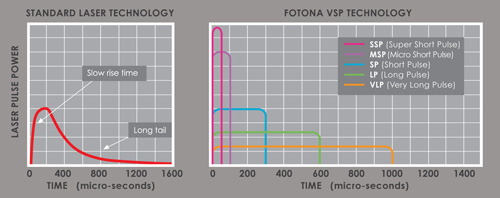
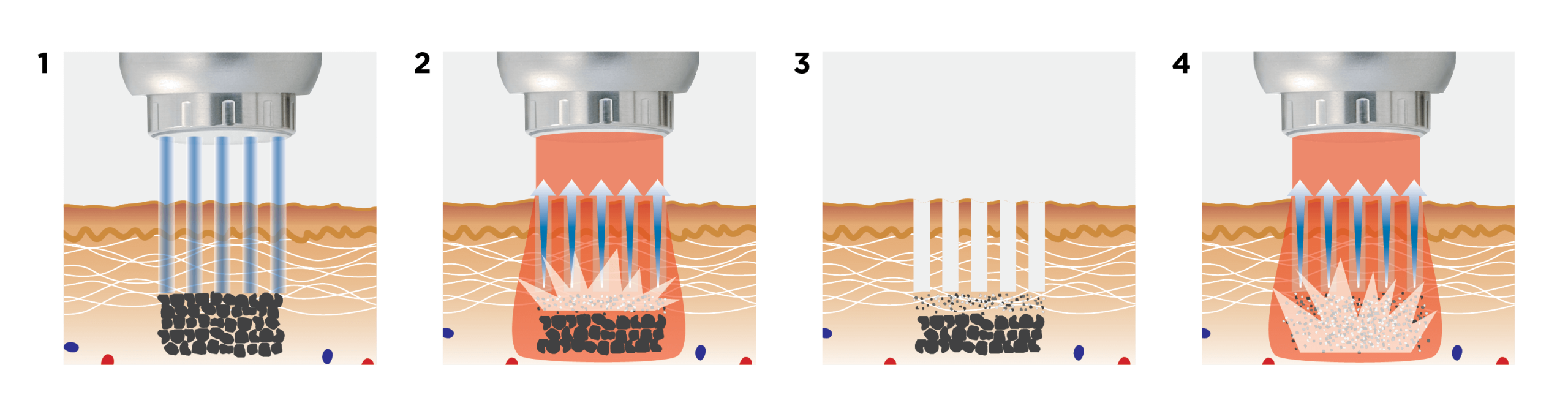
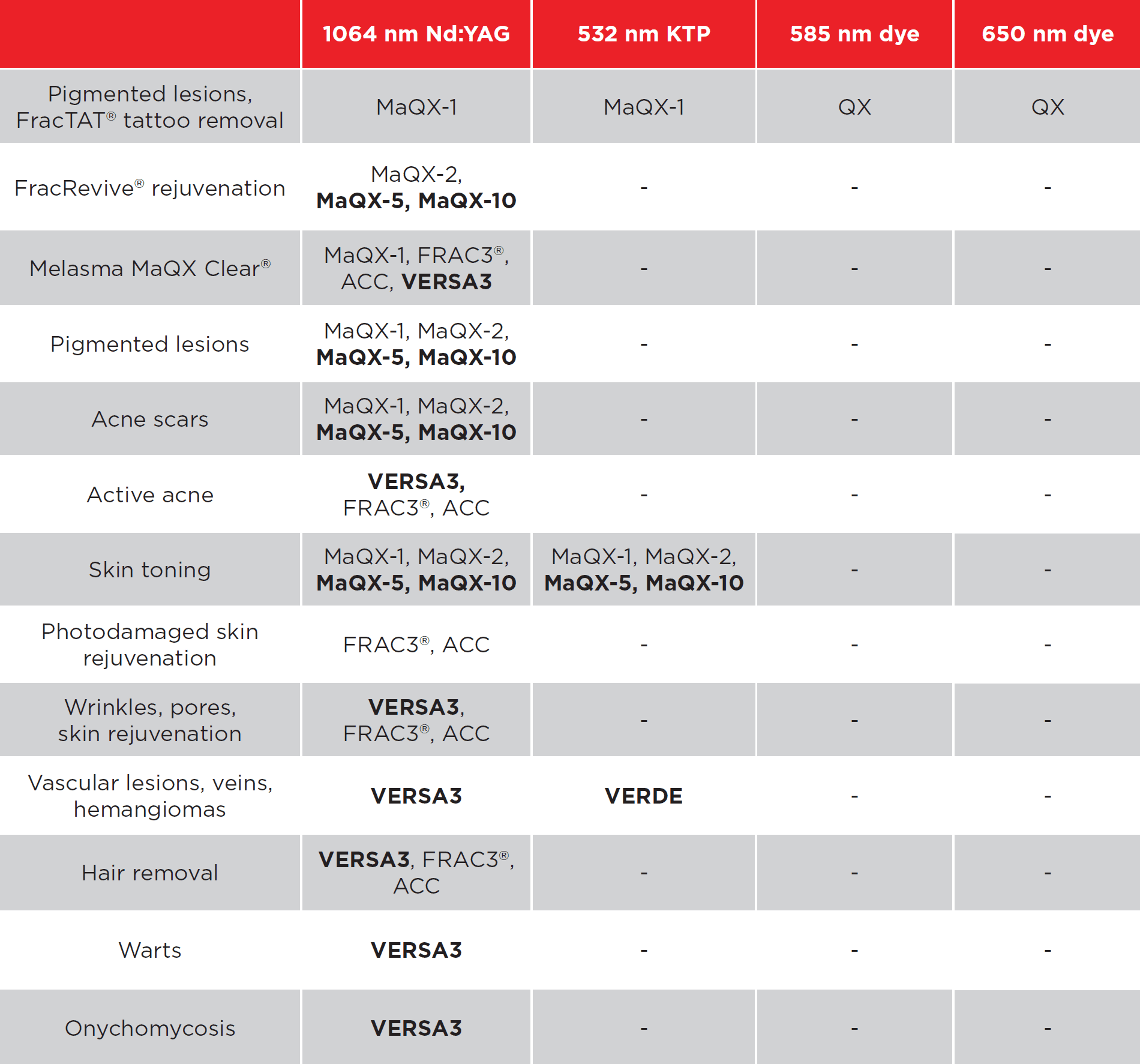
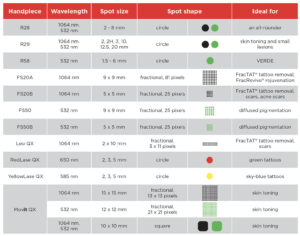
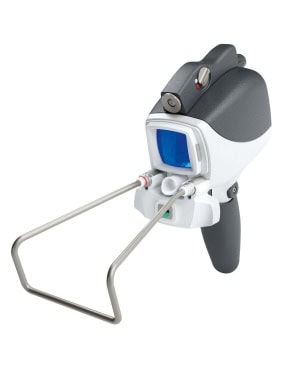
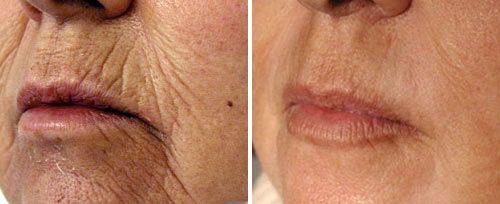
This is where Fotona benefits. The company positions its aesthetic systems around medical-grade laser technology and a broad treatment range rather than one narrow beauty promise. Its SP Dynamis and related platforms use two complementary wavelengths, Er:YAG and Nd:YAG, to support a wide variety of aesthetic applications. Fotona also promotes branded protocols such as Fotona4D, which focus on non-invasive facial rejuvenation and collagen-supporting treatment pathways.
For patients, that sounds more serious than a passing skincare craze. For clinics, it is commercially useful because one platform can support multiple indications and treatment plans. This balance of consumer appeal and clinical versatility is one reason interest can convert into actual enquiries.
The wider market is helping too
Fotona’s rising visibility in 2026 is happening inside a larger market that is already moving towards non-invasive aesthetics. Research and market reports published in 2025 and 2026 show continued growth in non-invasive aesthetic treatments, rising demand for laser and energy-based devices, and strong patient preference for treatments with less downtime than surgery.
Grand View Research notes that social media, beauty trends, and local celebrity influence are increasing awareness of laser-based treatments. Separate 2026 market reporting also points to strong growth in energy-based aesthetic devices, driven by consumer demand, med-spa expansion, and broader adoption of advanced laser and RF systems.
This matters because clinics do not invest in premium laser platforms in isolation. They invest when the market, patient expectations, and treatment economics all move in the same direction. In 2026, that is exactly what is happening. Interest in low-downtime rejuvenation is high, the aesthetics market remains expansionary, and recognisable laser brands are easier to market than unnamed treatments.
Why patient enquiries are increasing around named laser treatments
Patients are becoming more specific in the way they search. Instead of asking general questions such as “what helps loose skin?” or “what is good for texture?”, many now search for named solutions they have seen online. That shift is important. A branded treatment often feels safer to a patient than a vague clinic claim, especially when it is linked to a known celebrity treatment story and backed by visible clinic marketing.
Fotona also fits current patient preferences well. In 2024 ASPS statistics, skin resurfacing rose by 6%, showing continued consumer interest in treatments that improve skin quality, tone, and texture without going straight to surgery. At the same time, non-invasive procedures continue to dominate the broader aesthetics market.
So when a patient sees a celebrity mention laser tightening or collagen-building treatment, the idea already matches what the market is offering: non-surgical improvement, visible skin benefits, and a technology-led approach. Fotona is well placed within that demand pattern.
Why clinics like the Fotona story
From a clinic perspective, Fotona is easier to position than many generic devices. It has a recognisable brand name, professional credibility, and multiple treatment applications. Its official product materials emphasise precision, versatility, and the ability to perform a broad spectrum of aesthetic treatments with one platform.
That gives clinics a practical advantage. They can market a treatment patients have heard of, while also using the same platform for a wider service menu. This supports conversion in two ways. First, celebrity visibility brings the patient in. Second, the clinic can then discuss personalized options based on the patient’s actual concerns rather than just one trend-led request. That is a much stronger long-term business model. This is an inference based on Fotona’s multi-application positioning and broader market demand for flexible, non-invasive aesthetic platforms.
The role of trust in 2026 enquiries
It is also worth noting that patients in 2026 are more cautious. They are interested in results, but they also want treatments that look reputable. Celebrity influence can open the door, yet trust closes the sale. Medical-grade language, clinic expertise, realistic outcomes, and strong consultation processes matter more than ever. Research on social media and cosmetic procedures repeatedly shows that online influence is real, but responsible decision-making still depends on education and clinical guidance.
That is one reason Fotona continues to appeal. It can be presented not as a gimmick, but as a serious laser platform within a medically supervised setting. For clinics, that helps turn curiosity into credible enquiries.
Fotona services:
Fotona is built around laser platforms for modern aesthetics. Fotona systems use complementary Er-YAG and Nd-YAG wavelengths to support a range of aesthetic treatments such as facial rejuvenation. Patients will benefit from more customized treatment options. For clinics, this means investing in an internationally recognised system that offers flexibility, precision and brand recognition.
Final thoughts
Celebrity-driven demand may not be the only story, but is a major part of the aesthetics landscape in 2026. Patients take notice when an established figure promotes a treatment. Clinics can benefit when the treatment is backed by a medical-grade brand. Fotona is benefiting from the exact combination of celebrity recognition, social media relevance and rising interest in nonsurgical revitalization. Fotona, on the other hand, is a great tool for clinics to use when patients contact them.
FAQs
- Why is there a greater demand for Fotona in the year 2026?
The popularity of non-surgical laser treatment is still high, and celebrities plus social media exposure can help patients discover specific branded products more quickly.
- Can celebrity endorsements really help Fotona gain more visibility?
It probably helped to raise public awareness. Kim Kardashian reported on Fotona4D, which helped bring the brand to mainstream beauty coverage.
- Why do clinics prefer to invest in Fotona
Fotona’s platforms are built for multiple aesthetic applications, and they offer dual wavelength capability. They can therefore support a broader range of treatments.
- Are celebrities the only reason why Fotona is popular?
No. The celebrity interest in the procedure may be a major driver, but also market growth and demand for minimal-downtime procedures.
- What treatments are known to be used by Fotona?
Fotona is a laser-based aesthetic treatment provider that offers facial rejuvenation treatments, skin tightening and resurfacing depending on the device used and protocol.
- Do patient enquiries and bookings have the same meaning?
Not always. Bookings and enquiries are dependent on consultations, budgets, and the patient’s confidence in the clinic. This is not a published Fotona statistics, but a general principle of clinical marketing.
- Why does brand awareness matter in aesthetic clinics?
Patients often feel more comfortable asking about a treatment name they’ve seen online rather than a vague, generic service description. This inference is supported by the social media-driven searches and brand treatment visibility.