

For many aesthetic clinic owners, buying a major laser platform is one of the biggest business decisions they will make. It is not just about the machine itself. It is about whether the device can attract demand, support a wide treatment menu, fit the clinic’s patient base, and generate enough repeat business to justify the cost. That is exactly why so many clinic owners ask the same question: is Fotona a profitable investment?
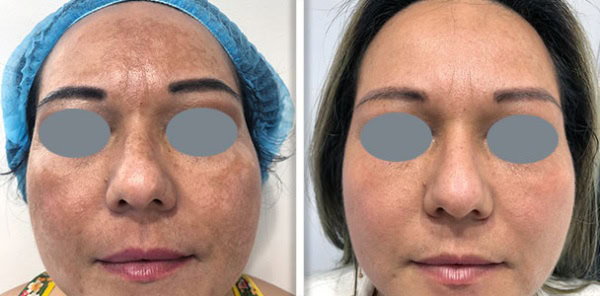
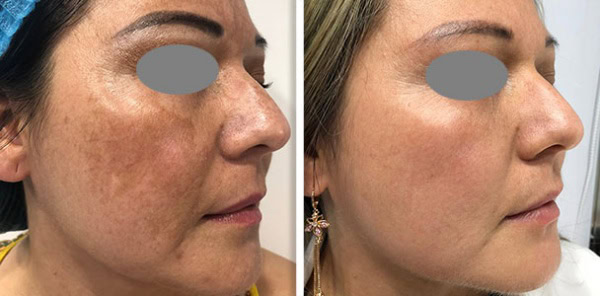
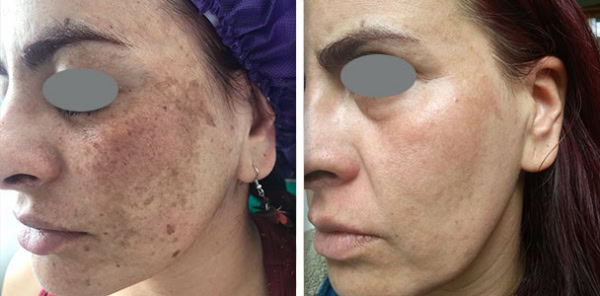
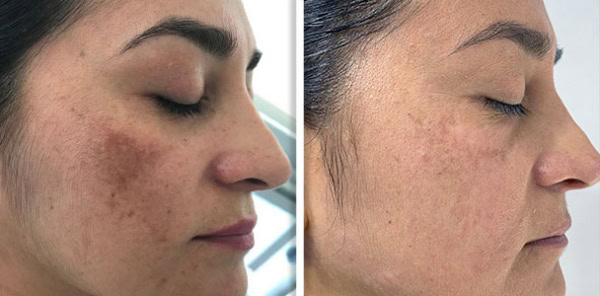
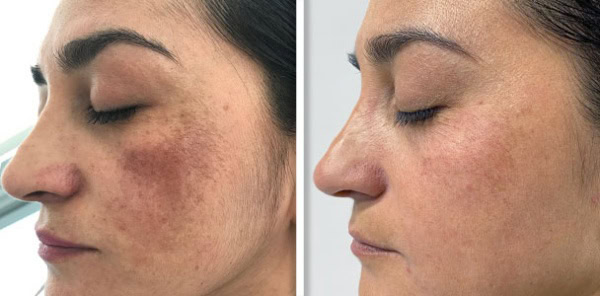
The fairest answer is yes, it can be profitable, but profitability depends on how the clinic uses it. Fotona is not a magic shortcut. It is a premium medical laser platform, and like any premium system, it performs best when it is backed by strong consultation skills, sensible treatment pricing, staff training, and a clinic model that can make full use of its versatility. What makes Fotona commercially attractive is that it is not built around only one treatment. Fotona positions its platforms as multi-functional systems for aesthetics and dermatology, with treatment options that include skin resurfacing, acne and acne scar work, pigmentation-related applications, vascular concerns, hair reduction, and branded rejuvenation protocols such as Fotona4D.
Why clinics even consider Fotona in the first place
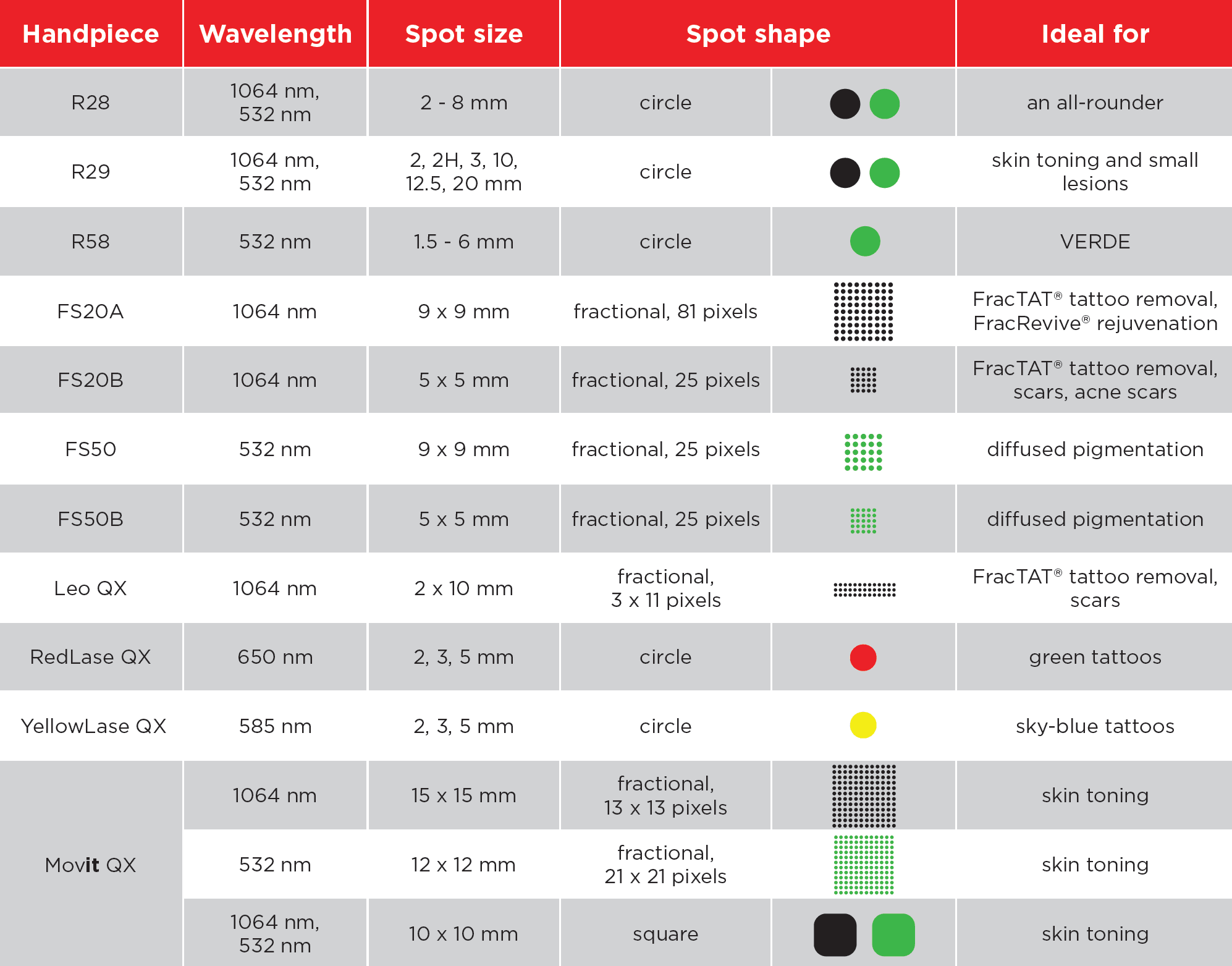
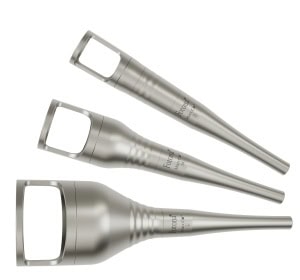
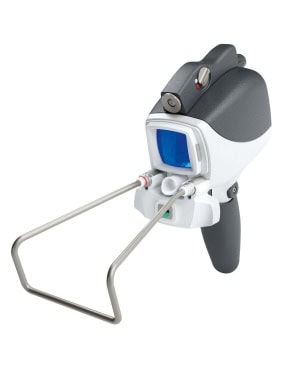
A clinic usually becomes interested in Fotona for one simple reason: range. If a machine only performs one or two profitable procedures, the clinic has to work much harder to recover the investment. But Fotona markets systems such as the SP Dynamis as highly versatile dual-wavelength platforms using Er:YAG and Nd:YAG technology, and its newer SP Dynamis Nx Line is described as offering more than 100 treatment options across aesthetics and dermatology. That kind of breadth matters because it gives clinics more ways to earn revenue from one core platform rather than relying on a single trend-led service.
From a business point of view, that is one of the strongest arguments in Fotona’s favour. A clinic may use the same platform for facial rejuvenation, skin resurfacing, acne scar patients, selected pigmentation-related work, vascular indications, and hair reduction. A wider treatment mix means more possible bookings, more cross-selling opportunities, and less dependence on one type of patient. This does not guarantee profit, but it improves the commercial logic behind the purchase. That conclusion is an inference based on Fotona’s published multi-application positioning.
Demand is moving in the right direction
Profitability depends on patient demand, and the wider market is favourable. The American Society of Plastic Surgeons reported that skin resurfacing increased by 6% in 2024, reaching more than 3.7 million procedures, while laser skin treatments remained above 3.1 million procedures. That matters because it shows steady consumer interest in skin-improving, technology-led procedures rather than a retreat away from them.
The broader market data also points in the same direction. Technavio says the global aesthetic lasers market is expected to grow by about USD 1.96 billion from 2026 to 2030 at a 10.4% CAGR, while Mordor Intelligence estimates the medical spa market at USD 26.2 billion in 2026, with growth projected to USD 47.17 billion by 2031. These figures do not prove that every individual device purchase is profitable, but they do show that clinics are operating inside a growing non-surgical aesthetics market rather than a shrinking one.
What actually makes Fotona profitable
The biggest mistake clinic owners can make is treating profitability as a feature of the machine alone. In reality, profitability comes from the business model around it. First, a platform like Fotona can be financially stronger than a single-purpose machine because it can support multiple revenue streams. A clinic that offers resurfacing, tightening-style procedures, scar revision, acne-related treatments, and maintenance treatments from one device can schedule the system more often and serve more patient types. Fotona openly markets this multi-functional value to providers, saying its devices help clinics expand service offerings and meet diverse patient needs.
Second, branded treatments can help with marketing. Patients often respond better to named protocols than vague descriptions. A consultation about “Fotona4D” or “laser resurfacing with a medical-grade Fotona platform” is often easier to market than a generic promise of skin improvement. Brand recognition does not replace good results, but it can make lead generation easier. This is an inference based on common aesthetics marketing practice and Fotona’s branded treatment portfolio.
Third, premium devices often become more viable when they support repeat treatment plans rather than one-off visits. Many aesthetic laser programmes are delivered as a course, followed by maintenance. That can improve lifetime patient value, provided outcomes are good and expectations are managed. Session needs vary by indication; Fotona itself notes that some dermatological conditions may need one treatment while others require multiple sessions.
Where clinics can lose money
A Fotona platform can be profitable, but it can also become an expensive underused asset if the clinic buys it for the wrong reasons. One risk is buying for prestige rather than patient demand. A clinic may love the idea of owning a premium laser, but if its audience mainly books injectables and low-cost facials, the machine may sit idle. Another risk is poor pricing. If the clinic underprices treatments to compete with lower-end providers, it may struggle to recover the capital cost, consumables, training time, and practitioner hours.
Training is another major factor. Fotona promotes workshops, demonstrations, training courses, clinical studies, and continuing educational events for providers. That support matters because advanced platforms only create value when practitioners know how to use them well. A clinic that invests in the machine but not in proper training may end up with weak results, unhappy patients, and low rebooking rates. There is also the issue of patient selection. Not every patient is suitable for every laser treatment, and not every skin concern is best solved with one machine. A clinic that oversells instead of assessing carefully can damage its reputation very quickly. In aesthetics, long-term profitability depends on trust as much as turnover.
So, is the investment worth it?
For the right clinic, yes. Fotona is more likely to be a sound investment when a clinic has a strong consultation process, enough patient demand for device-led skin treatments, a team willing to train properly, and a clear plan for using the platform across several services rather than only one. It is especially attractive for clinics that want to grow beyond injectables and basic facials into a more medical-grade treatment model.
What makes Fotona commercially appealing is not a promise of instant profit. It is the fact that the platform gives clinics a better chance to build a diversified, premium service menu in a market that is already growing. The commercial opportunity is real, but the return depends on execution. That final point is an inference based on the combination of market growth data and Fotona’s multi-application model.
Fotona services
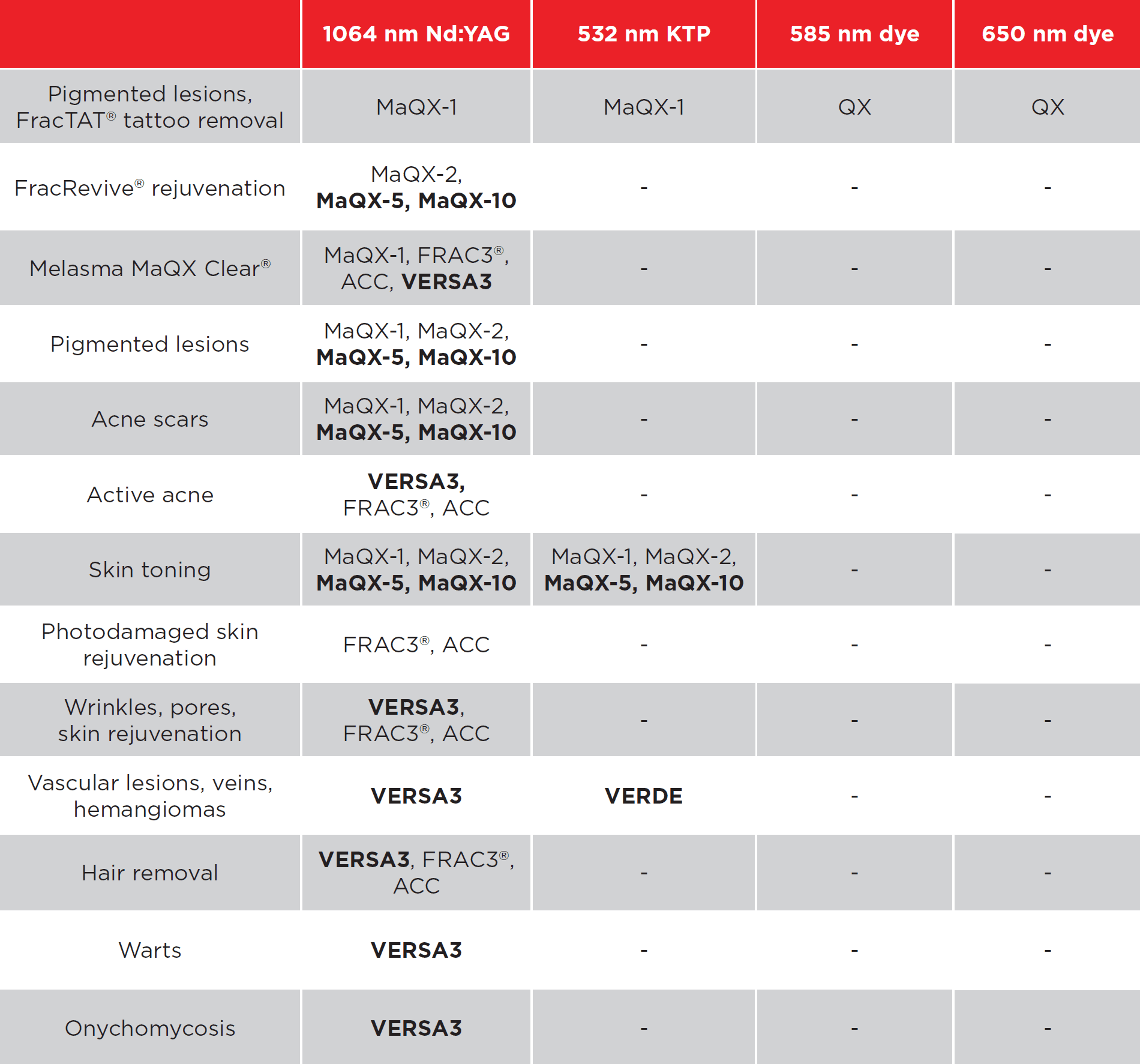
Fotona’s services are based on advanced dual-wavelength technologies that support a wide treatment range for aesthetics and dermatology. Clinics are able to offer a wide range of services, depending on the platform or protocol they use. These include skin resurfacing treatments, acne and acne scar treatment, hair reduction, vascular, pigmented, and branded protocols, such as Fotona4D. Clinics can offer more premium treatments with a single system. It means that patients can access more medically-grade, tailored options under one roofing.
Final thoughts
Fotona will be a very profitable investment, but only if it is part of an overall business plan. The device provides versatility, brand value and access to treatments that patients are already interested in. The market is growing for aesthetic lasers, medical spa services and skin improvement.
But profitability isn’t a product of having a high-end machine. Profitability comes from how you use the machine. Clinics which match the Fotona platform to the correct patient base, train correctly, price the treatment plan sensibly, and develop clear treatment plans, are most likely to see Fotona transform from an expensive capital expense to a revenue-generating tool.
FAQs
- Can Fotona be used for anything other than facial rejuvenation?
No. Fotona’s systems are used for a range of aesthetic and dermatology procedures, such as resurfacing, acne treatment, scarring, vascular treatments, pigmented skin lesions, hair removal, and brand-named rejuvenation protocols.
- Why do clinics consider Fotona a business investment and not just a device for treatment?
Fotona platforms have been designed to be multi-functional systems. This allows one machine to support multiple revenue-generating services instead of only one.
- Is the market ready to buy a laser system in 2026?
The overall market trend continues to be positive. Both medical spas and aesthetic lasers will grow. Skin resurfacing services demand is expected to rise in the latest ASPS statistics.
- What is the main factor that determines whether Fotona will be profitable?
It is most often the usage. The clinic must have enough patients to be able to make the platform work for multiple treatments, as well as strong pricing and consultation systems.
- Does Fotona provide training support?
Fotona provides workshops, events, as well as resources for support providers. These can help clinics develop their skills and confidence using the platform.
- Will investing in Fotona guarantee a return?
No. No device can guarantee profit. The clinic’s success depends on many factors, including demand, staff expertise, marketing, treatment prices, and how well it uses the platform.
- Branded treatments can help improve clinic profitability.
The name of the treatment can make it easier to sell and for patients to recognize, which could improve the quality of inquiries and consultations. This is more of a business assumption than a publicly published Fotona performance statement.