

When clinics think about buying laser equipment, many focus first on the headline cost of the device. That is understandable, but it is only one part of the financial picture. In reality, equipment overheads include much more than the initial purchase. Clinics also have to think about consumables, servicing, staff training, room space, finance payments, software, downtime, marketing support, and the simple question of how often the device is actually used. As the American Med Spa Association notes, practice overhead includes loan payments and other ongoing operating costs, not just the cost of the treatment itself.
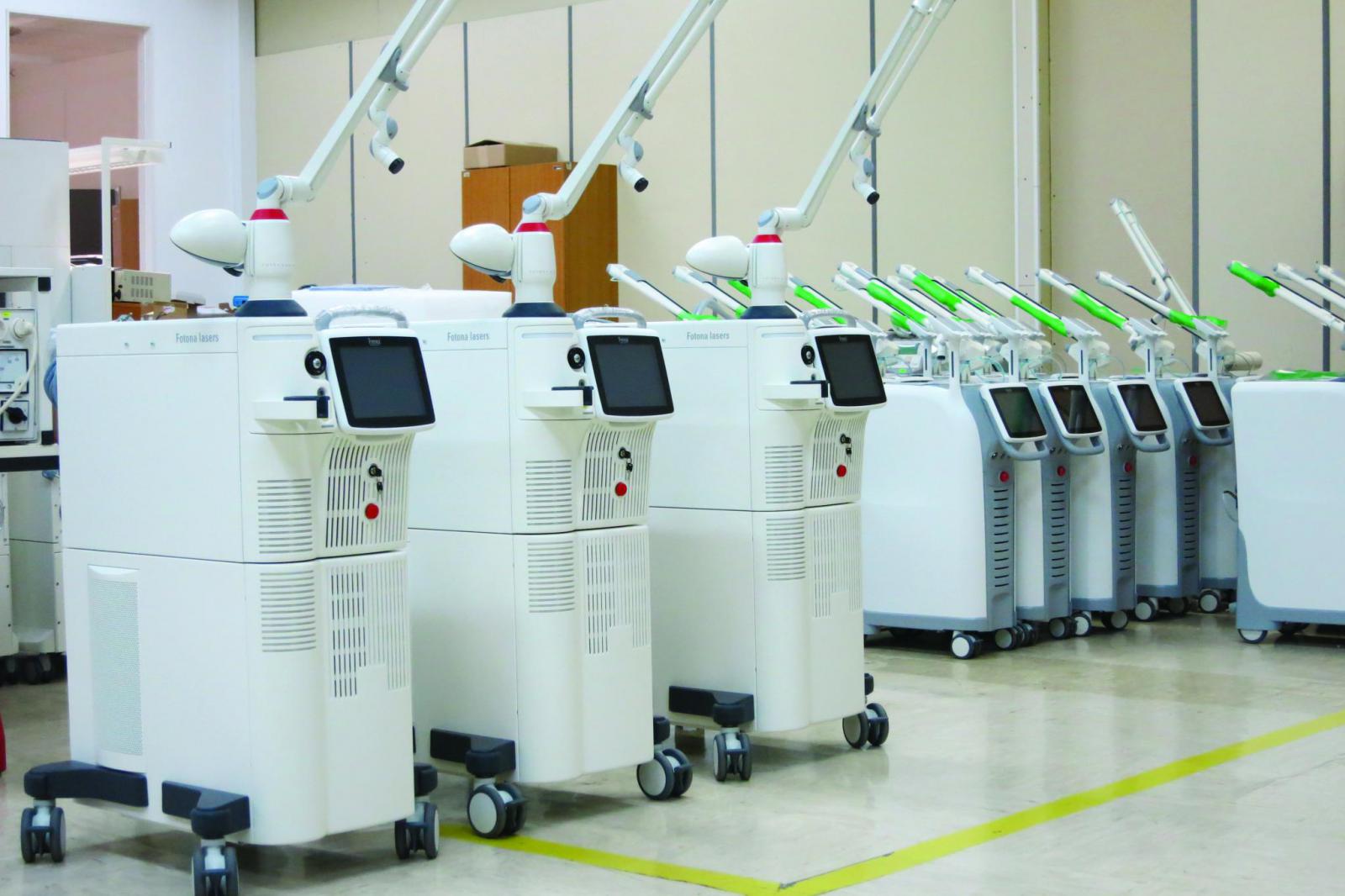
This is why multi-platform laser systems have become so commercially appealing. Rather than buying separate devices for separate concerns, clinics are increasingly looking at whether one platform can support a wider menu of treatments while keeping running costs more manageable. That is where systems like Fotona stand out. Fotona’s official aesthetics pages position SP Dynamis as a multi-application aesthetic laser system, and the company describes its platforms as flexible enough to support a broad treatment range.
What equipment overhead really means in an aesthetic clinic
Equipment overhead is not just about whether a machine is expensive or affordable. It is about how much that machine adds to the day-to-day cost of running the clinic. If a device requires constant consumables, extra storage, multiple handpieces, separate training tracks, or frequent idle time because it only performs one niche function, its overhead can become heavier than expected. Even a technically impressive device can become financially inefficient if it is underused or too expensive to run relative to the revenue it creates.
This is exactly why utilisation matters. A machine that can treat only one condition may perform well in that area, but it can still leave gaps in the diary. A broader platform, by contrast, has more ways to stay productive. That higher utilisation spreads the cost of ownership across more appointments, more treatment categories, and more patient types. In business terms, that usually leads to a healthier overhead structure.
Why multi-platform systems change the equation
One platform can cover multiple treatment categories
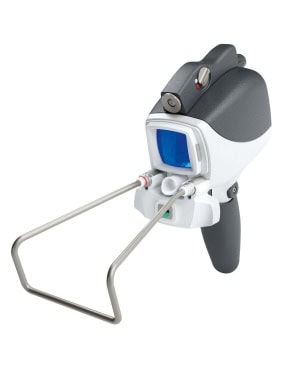
The main advantage of a multi-platform laser is simple: one system can often do the work that would otherwise require several devices. Fotona’s official materials say the SP Dynamis platform is designed to perform all major aesthetic treatments, while another Fotona campaign states that SP Dynamis offers more than 100 approved applications in aesthetics, surgery, and gynaecology and can replace up to 10 different energy-based devices. That is a major operational point, because fewer separate devices usually means fewer separate purchase decisions, fewer separate maintenance obligations, and less duplication of equipment across treatment rooms.
For clinics, this can translate into much leaner capital planning. Instead of buying one device for resurfacing, another for tightening, another for body work, and another for selected speciality treatments, a multi-platform system makes it possible to centralise more of those services. That does not mean every clinic should replace every machine with one platform, but it does explain why these systems can reduce equipment overheads in a very practical way.
Wider applications usually mean better machine usage
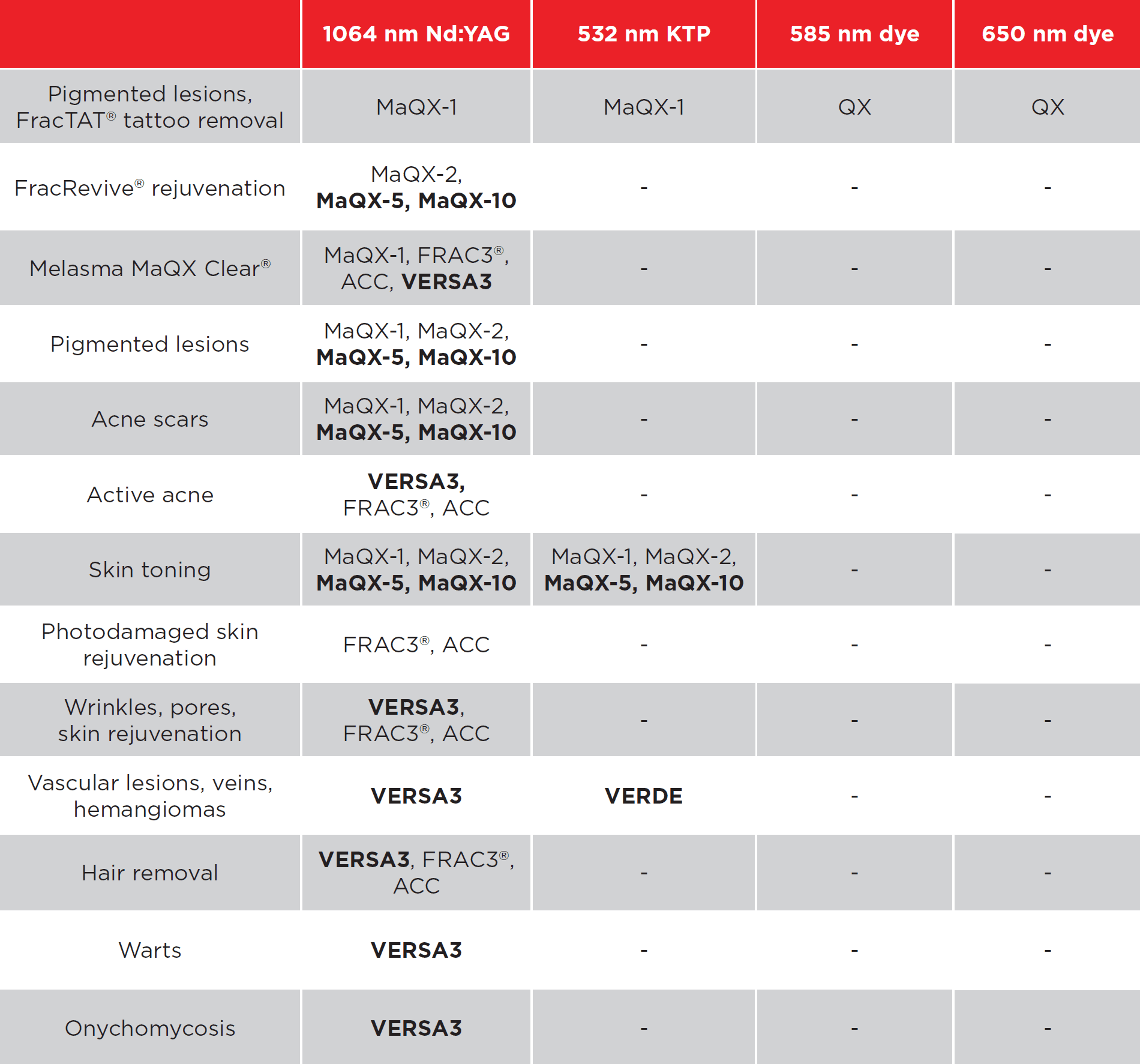
A machine that only does one job can sit idle when demand for that specific treatment slows down. A broader platform gives clinics more flexibility. Fotona’s official treatment pages include facial rejuvenation, skin tightening, resurfacing, body contouring, eye treatments, lip enhancement, hair reduction, acne-related work, vascular applications, and NightLase, among others. This wider treatment range helps clinics keep the machine active across different patient needs, which improves utilisation and makes the equipment cost easier to absorb.
Lower consumable dependency helps protect margins
One of the clearest ways a platform can reduce overheads is through lower ongoing consumable dependence. Fotona’s US product pages repeatedly state that little to no consumables are required for its systems, and the company presents this as part of its “no hidden costs” message. That matters because consumables directly affect treatment profitability. If every session requires additional disposable parts, the cost of delivery rises each time the machine is used. With lower consumable dependency, more of the treatment fee stays inside the clinic.
This is especially important over time. A device with a lower per-treatment running cost can become more financially attractive the more it is used. TightSculpting is a good example of how Fotona markets this point: its official treatment page describes the procedure as a non-invasive alternative with no consumables or downtime required for the patient. From a clinic perspective, that strengthens the business case because it combines a billable treatment with lower treatment-delivery overhead.
Fewer devices can also mean lower indirect overheads
Less space pressure and simpler workflow
Equipment overhead is not only financial. It is operational too. More devices usually mean more room planning, more staff familiarisation, and more complexity in scheduling. A clinic with fewer but more capable systems can often run more smoothly than one with a crowded treatment floor full of single-purpose machines. Even without a public numerical study to quantify every workflow saving, the logic is straightforward: fewer devices generally reduce storage pressure, reduce duplication of operator knowledge, and simplify how treatments are delivered across the clinic.
Training becomes more centralised
Training is another hidden overhead many clinics underestimate. Every new device adds a learning curve, and that means more staff time, more coordination, and more room for inconsistent use. Fotona emphasises support and training on its official product pages, which matters because a multi-application system allows clinics to build a more centralised training pathway around one core platform rather than splitting time across several unrelated devices.
Why this matters more in today’s market
The commercial case for flexible laser systems is strengthened by ongoing patient demand for minimally invasive skin procedures. The 2024 Plastic Surgery Statistics Report from ASPS shows that skin resurfacing rose by 6% in 2024. That does not prove that every clinic should buy one specific platform, but it does show that skin-focused laser and light-based treatments remain relevant and commercially important. When demand is broad and patient concerns are varied, clinics are often better served by equipment that can answer several treatment needs rather than just one.
Fotona’s own current campaigns also reinforce this multi-use positioning. The company describes the Dynamis platform as offering over 100 treatment options and highlights deep collagen stimulation, tightening, and rejuvenation through different laser modalities. That breadth supports the argument that a multi-platform system can help clinics respond to changing treatment demand without constantly adding more equipment.
Fotona services
Fotona services are appealing to clinics because they allow one platform to support a very broad treatment menu. Official Fotona pages highlight options such as Fotona4D facial rejuvenation, SmoothEye, TightSculpting, resurfacing, body contouring, hair reduction, vascular applications, acne-related treatments, and NightLase. In practical terms, this lets clinics create more personalised treatment plans while reducing the need to rely on multiple separate devices for each concern.
Final thoughts
Multi-platform lasers like Fotona reduce equipment overheads because they simplify the economics of ownership. They can lower the need for multiple separate devices, reduce consumable dependency, improve utilisation, support centralised training, and make it easier to spread fixed equipment costs across a wider treatment mix. Fotona’s own product messaging is especially clear on this point, describing SP Dynamis as a versatile multi-purpose platform and highlighting little to no consumables as a savings advantage.
For clinics, the takeaway is simple. The best equipment decision is not always the one with the lowest upfront price. It is the one that creates the most practical, efficient, and profitable operating model over time. In many cases, that is exactly why multi-platform systems deserve serious attention.
FAQs
Q:What is a multi-platform laser in aesthetics?
A multi-platform laser is a system designed to perform several different treatments rather than only one. Fotona’s SP Dynamis is a multi-application aesthetic laser system that can perform a wide range of applications.
Q:How do multi-platform lasers reduce clinic overheads?
They can reduce overheads by replacing the need for several separate devices, lowering consumable use, improving machine utilisation, and simplifying training and workflow. Fotona also states that little to no consumables are required for its systems.
Q:Can one Fotona platform replace several other machines?
Fotona says the SP Dynamis platform can replace up to 10 different energy-based devices, depending on the clinic’s needs and applications.
Q:Are consumable costs lower with Fotona?
According to Fotona’s official US product pages, little to no consumables are required for its systems, which can help reduce ongoing treatment-delivery costs.
Q:Why does utilisation matter for equipment ROI?
A machine that is used across more treatments and more patient concerns spreads its cost across more revenue opportunities. Multi-application systems often support stronger utilisation because they are not limited to one niche service.
Q:Is demand still strong for laser-based skin treatments?
Yes. The ASPS 2024 statistics report showed that skin resurfacing rose by 6% in 2024, which supports continued consumer interest in minimally invasive skin treatments.