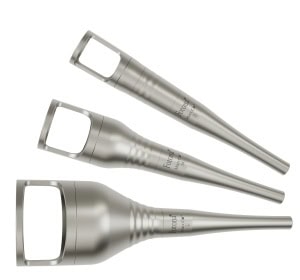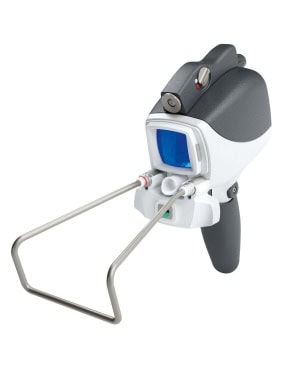


The StarWalker® MaQX laser machine is one of Fotona’s advanced Q-switched laser systems, designed for clinics that want to treat pigmentation, tattoos, vascular concerns and skin rejuvenation with a versatile platform. In aesthetic practice, pigmentation and tattoo removal are two of the most common patient requests, but they are also two areas where technology really matters. Different pigments sit at different depths, tattoo inks respond differently to wavelengths, and patient skin types need careful assessment.
Fotona describes StarWalker® MaQX as an ultra-performance Q-switched laser system that combines four complementary wavelengths and multiple laser modalities. This allows clinics to treat a wider range of aesthetic concerns from one system, including tattoo removal, pigmented lesions, vascular treatments, acne-related concerns, hair reduction and skin rejuvenation.
What is the StarWalker® MaQX laser machine?
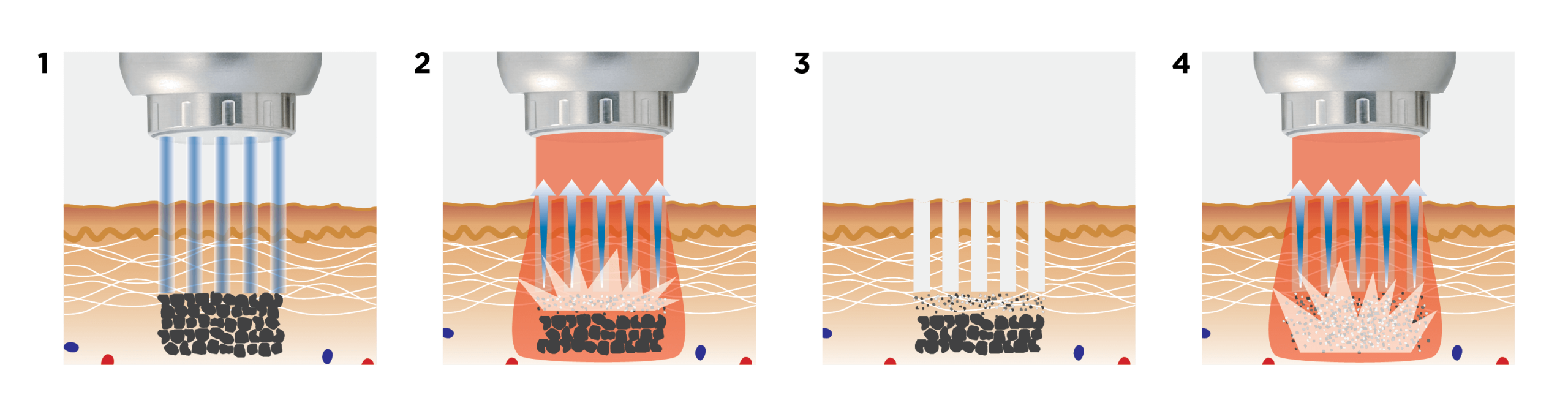
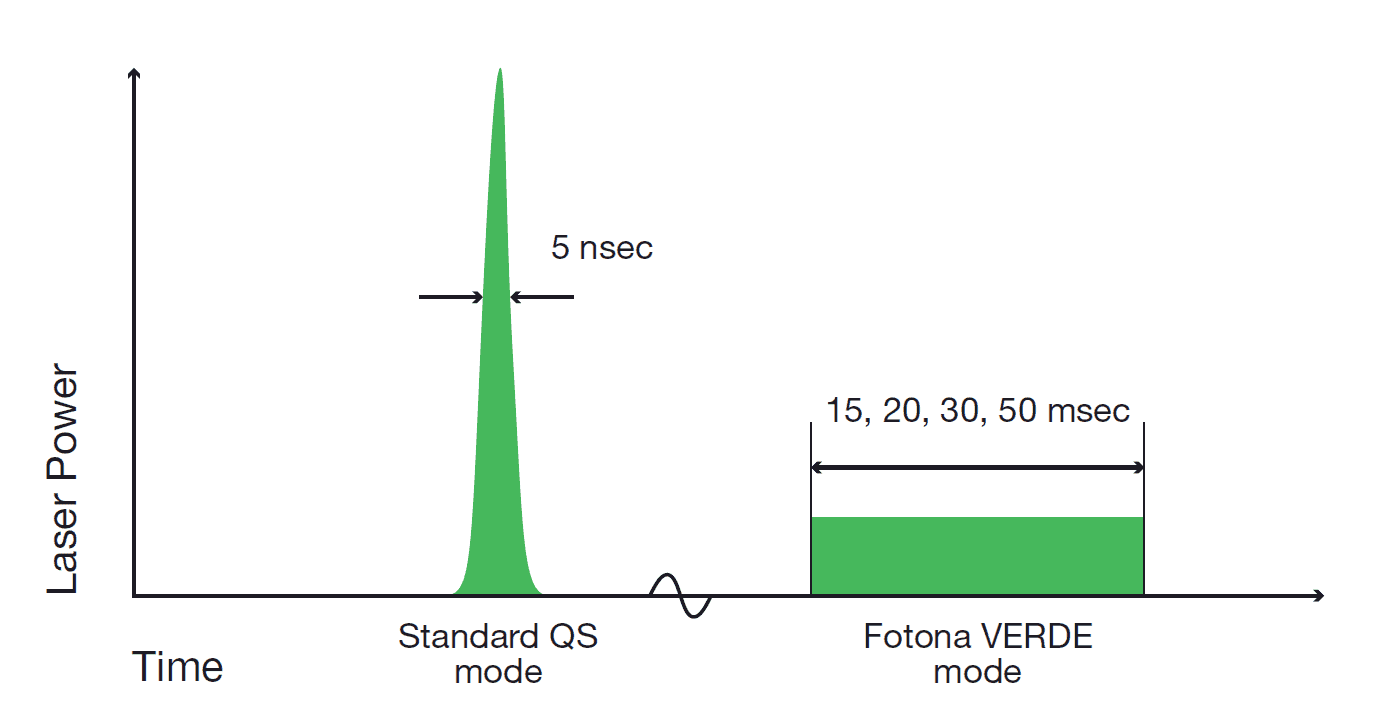
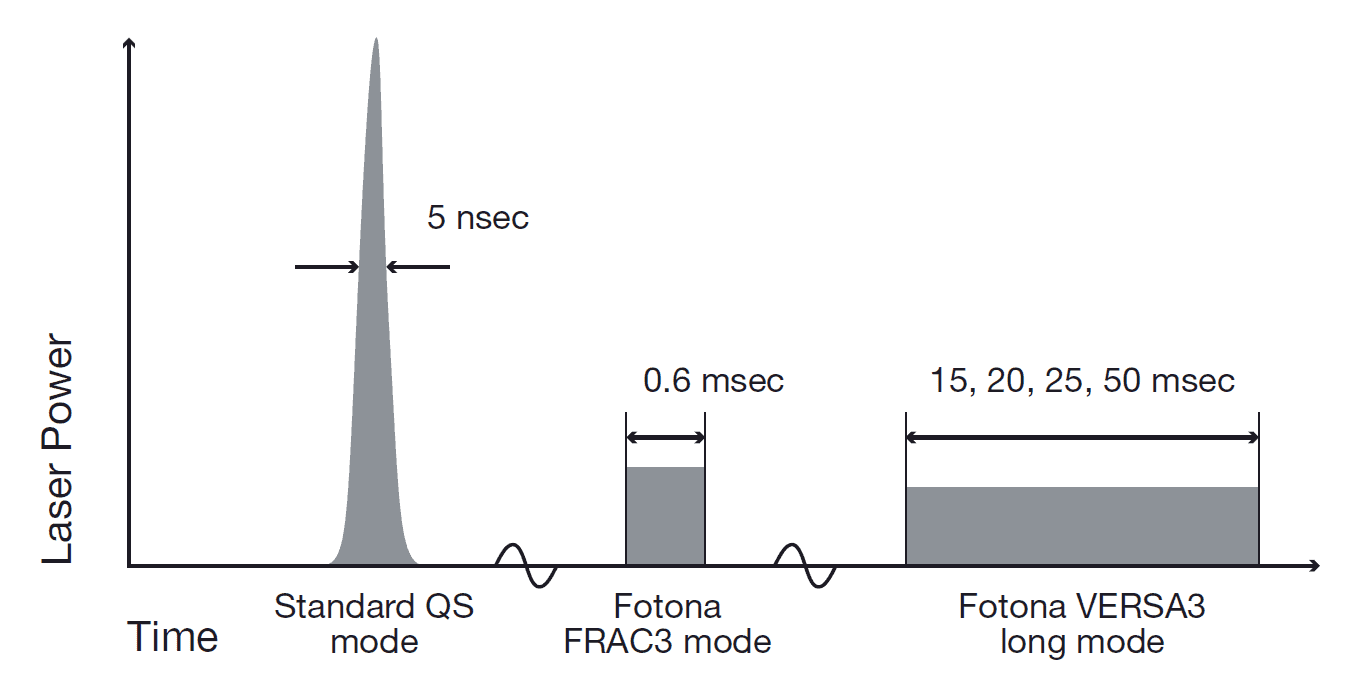
StarWalker® MaQX is a high-performance Q-switched laser platform from Fotona. Q-switched lasers deliver very short, high-energy pulses into the skin. These pulses are especially useful for breaking apart tattoo ink and pigmentation because they create a strong photoacoustic effect. In simple words, the laser energy hits pigment particles quickly and powerfully, helping shatter them into smaller pieces so the body can gradually clear them.
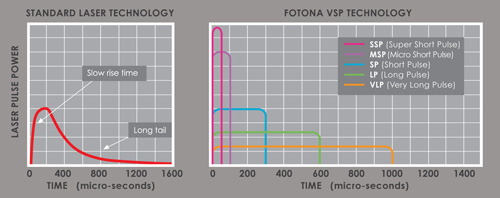
Fotona’s official information explains that StarWalker® MaQX uses patented MaQX pulse modalities to photoacoustically break apart skin pigmentation into smaller particles. The system is also built with Adaptive Structured Pulse technology, which allows the pulse shape to be adapted to the laser-tissue interaction needed for a particular treatment.
Why four wavelengths are important
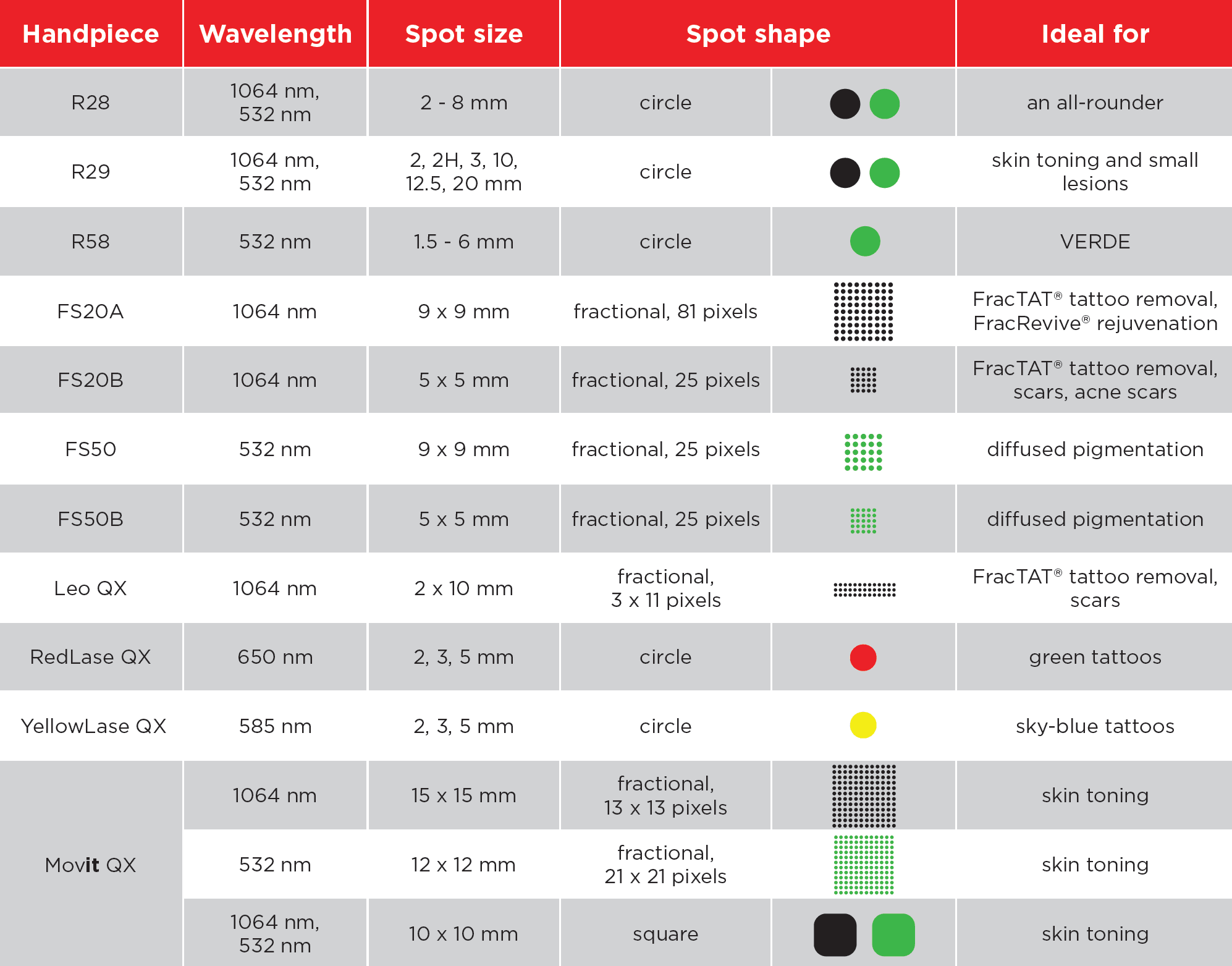
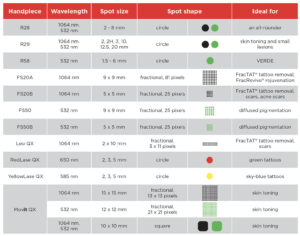
One of the biggest strengths of StarWalker® MaQX is its four-wavelength design. The system uses 1064 nm, 532 nm, 585 nm and 650 nm wavelengths. This matters because different colours and pigment depths respond better to different wavelengths. A single-wavelength device may work well for certain dark inks or selected pigmentation, but it may struggle with more complex colours or mixed concerns.
Fotona states that the StarWalker® platform covers the absorption spectrum of melanin, oxyhaemoglobin and water. For pigmented lesions, Fotona explains that superficial lesions can often be treated effectively with 532 nm, while 1064 nm can be used to target deeper lesions. This is valuable for clinics because pigmentation is not always sitting at one simple level in the skin.
StarWalker® MaQX for tattoo removal
Tattoo removal is one of the most recognised uses of StarWalker® MaQX. Tattoos can be challenging because ink colour, depth, age, density and professional quality all affect how easily they respond. Black ink is usually more straightforward, while colours such as red, green and blue can require more careful wavelength selection.
Fotona explains that high-energy, single-pulse Q-switched lasers are efficient for removing pigments because they allow larger spot sizes to remain effective and help target deeper-lying pigments. Its tattoo removal page also notes that very short energy pulses break tattoo pigment into smaller particles, which are then gradually cleared by the body. Several sessions are normally needed, and the final result depends on the tattoo and the individual patient response.
StarWalker® MaQX for pigmentation
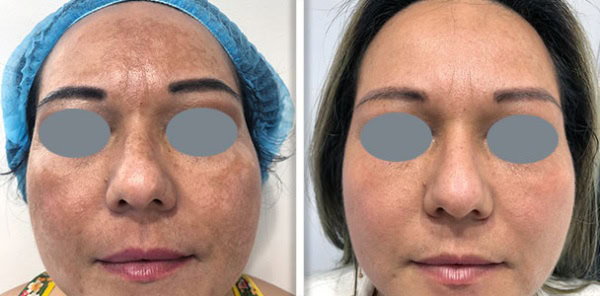
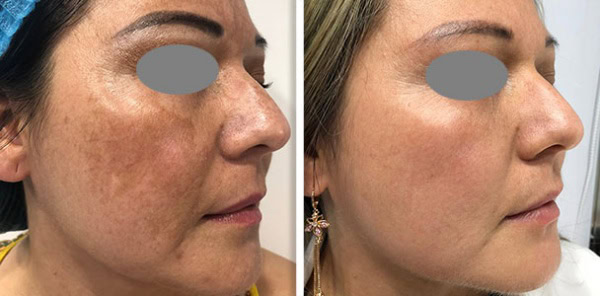
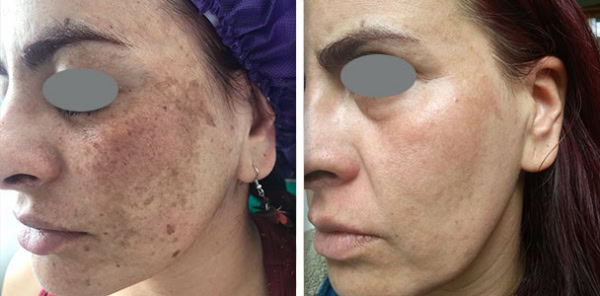
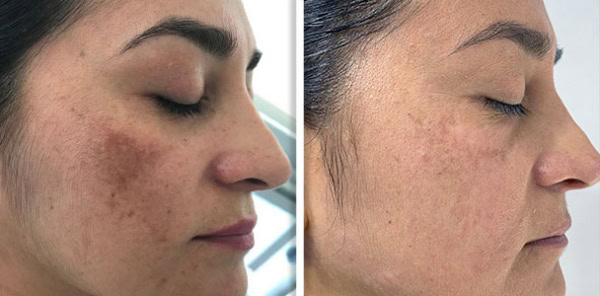
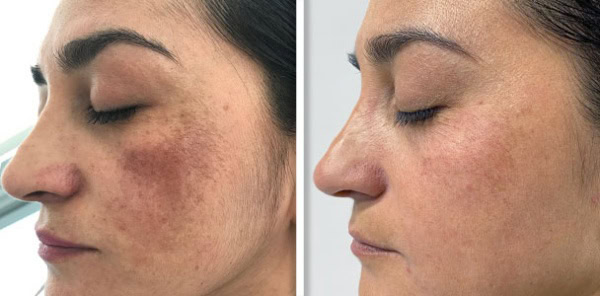
Pigmentation is another major reason clinics choose this platform. Patients may present with sunspots, freckles, age spots, post-inflammatory pigmentation, melasma or uneven tone. These conditions are not all treated the same way, which is why wavelength flexibility and practitioner skill are essential.
Fotona’s StarWalker MaQX brochure explains that 532 nm is useful for epidermal pigmentation such as freckles, while 1064 nm is suitable for pigments deeper in the dermis. This distinction is important because treating pigmentation too aggressively or at the wrong depth can increase the risk of irritation or post-inflammatory pigmentation, especially in darker skin types.
What makes MaQX technology different?
High energy with controlled pulse delivery
Fotona UK explains that StarWalker® can deliver up to 10 J of Q-switched energy in one giant structured MaQX pulse. This high-energy capability supports a stronger photoacoustic effect at the treatment site, which can help break pigment more effectively.
At the same time, the system is designed to offer different softness levels, helping practitioners adjust the effect on tissue. This matters because not every patient or treatment target needs the same level of intensity. Safer treatment is not always about using the most energy; it is about using the right energy for the right indication.
ASP technology and treatment precision
Adaptive Structured Pulse technology is another key feature. Fotona describes ASP as technology that adapts laser pulse shapes to the bio-photonic dynamics of a particular treatment. In practical terms, this gives clinicians more control over how energy is delivered into the skin. For clinics, this can support more precise treatments and a wider range of applications from one machine.
Beyond tattoos and pigmentation
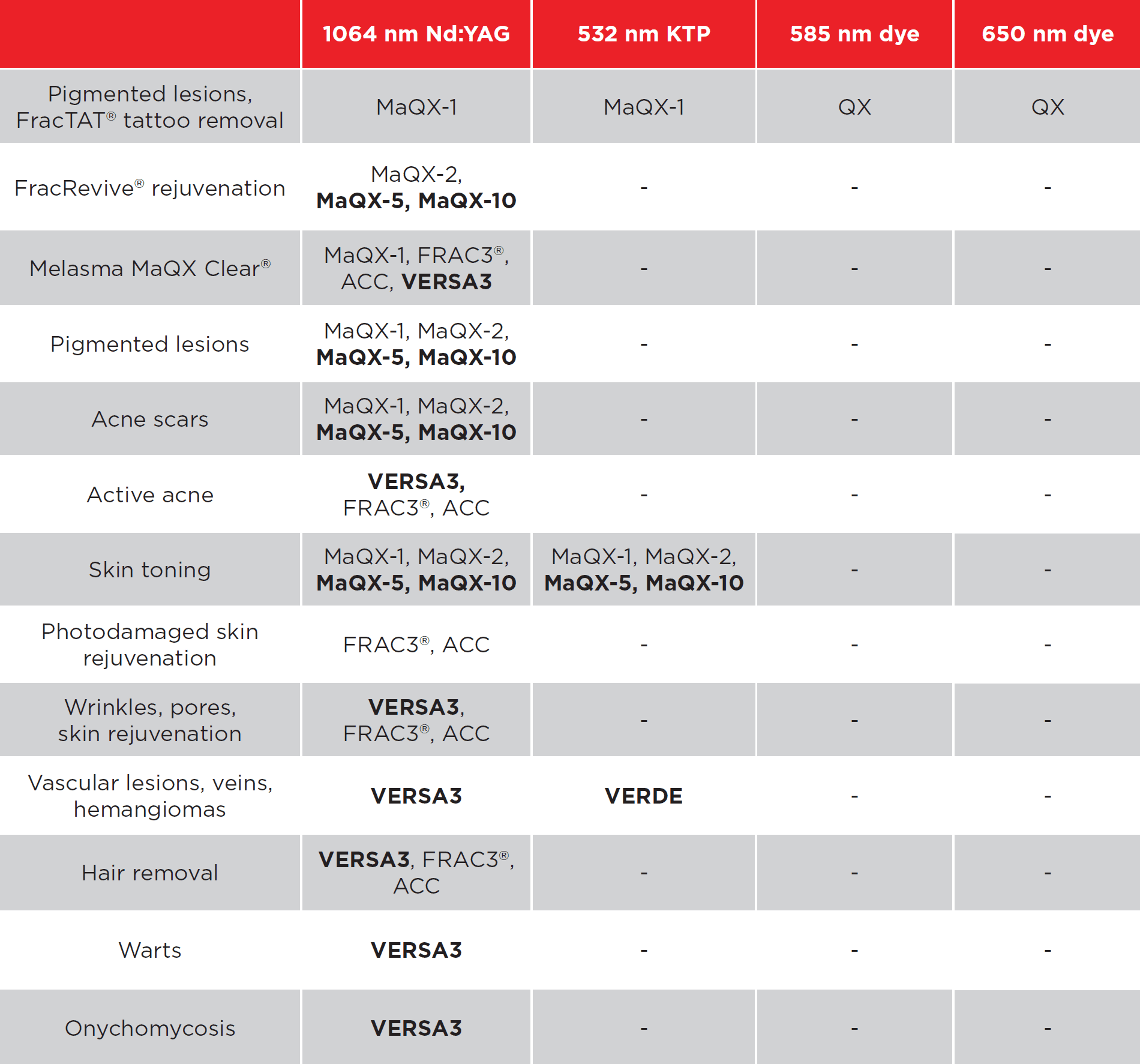
Although tattoo removal and pigmentation are core uses, StarWalker® MaQX is not limited to these two areas. Fotona’s US product page lists related treatments such as melasma, FracTAT®, FracRevive™, active acne, facial hair reduction and vascular lesion removal. Its wider information also includes skin rejuvenation, acne and scar revision, vascular lesions and permanent hair reduction as part of the system’s broader use.
This wider treatment range gives clinics more commercial flexibility. A patient may first enquire about tattoo removal, then later ask about pigmentation or skin rejuvenation. Another patient may book for sun damage and later become interested in tone improvement. A platform with multiple applications helps clinics build longer patient journeys rather than one-off appointments.
Why clinics choose StarWalker® MaQX
For clinics, the main appeal is versatility. Aesthetic practices need machines that can stay busy across different patient concerns. A laser that only handles one treatment category can be useful, but it may limit revenue if demand shifts. StarWalker® MaQX allows clinics to serve common high-demand concerns such as tattoos, pigmentation, melasma, vascular marks and skin quality.
The system also supports premium positioning. Tattoo and pigmentation treatments require trust because patients worry about scarring, burns, darkening, lightening or poor results. A recognised Fotona platform gives clinics a stronger technology story and helps support patient confidence during consultation.
Fotona services
Fotona services allow clinics to build a broad aesthetic and medical laser offering around advanced technology. Alongside StarWalker® MaQX for tattoo removal, pigmentation, melasma, vascular concerns and skin rejuvenation, Fotona’s wider portfolio includes treatments such as Fotona4D, SmoothEye, LipLase, TightSculpting, NightLase, resurfacing and collagen-stimulation procedures. This helps clinics create more complete treatment plans, support different patient goals and increase long-term value from one trusted laser brand.
What patients should expect
A professional consultation is essential before any tattoo or pigmentation treatment. The practitioner should assess skin type, pigment depth, tattoo colour, medical history, recent sun exposure and risk of post-inflammatory pigmentation. For tattoo removal, patients should understand that multiple sessions are usually needed. For pigmentation, results depend on the type of pigmentation, whether it is superficial or deeper, and how well the patient follows aftercare.
After treatment, the skin may look red, warm or slightly swollen. Some pigment may darken temporarily before fading. Sun protection is essential, especially for pigmentation treatments, because UV exposure can worsen marks and affect results.
Final thoughts
The StarWalker® MaQX laser machine is a strong option for clinics that want a serious platform for tattoo removal and pigmentation treatment. Its four wavelengths, high-energy Q-switched delivery, MaQX pulse technology and broader treatment range make it more than a basic tattoo laser. It gives clinics the ability to treat complex pigment concerns while also supporting skin rejuvenation, vascular treatments and other aesthetic applications.
For patients, the value lies in precision and tailored treatment. For clinics, the value lies in versatility, premium positioning and the ability to serve several common concerns with one advanced Fotona platform.
FAQs
What is StarWalker® MaQX used for?
StarWalker® MaQX is used for tattoo removal, pigmented lesions, melasma, skin rejuvenation, vascular treatments, acne-related concerns, scar revision and hair reduction, depending on clinic training and settings.
What wavelengths does StarWalker® MaQX use?
StarWalker MaQX uses four wavelengths: 1064 nm, 532 nm, 585 nm and 650 nm. These help target different pigments, tattoo colours and skin concerns.
Is StarWalker® MaQX good for tattoo removal?
Yes. Fotona describes StarWalker® as an industry-leading tattoo removal laser system, with high-energy Q-switched pulses and its FracTAT® procedure designed for tattoo removal applications.
Can StarWalker® MaQX treat pigmentation?
Yes. Fotona states that 532 nm can be effective for superficial pigmentation, while 1064 nm can target deeper pigmented lesions.
How many sessions are needed for tattoo removal?
Most tattoos need several sessions. The number depends on ink colour, depth, density, tattoo age, location and the patient’s immune response. Fotona notes that several treatments are typically needed for complete removal.
Is StarWalker® MaQX suitable for all skin types?
It can be used across different skin types, but suitability must be assessed carefully. Pigmentation risk, recent tanning, melasma history and skin sensitivity should always be reviewed before treatment.