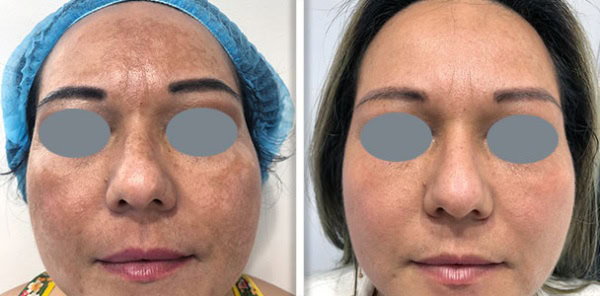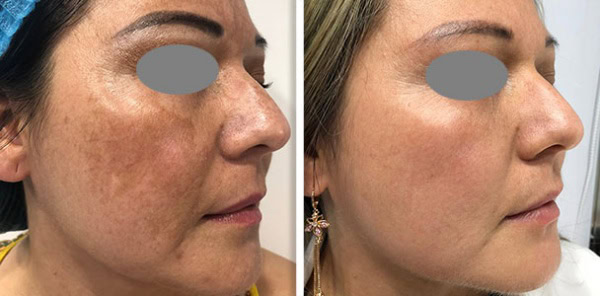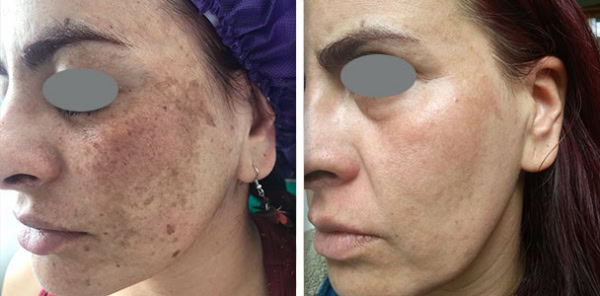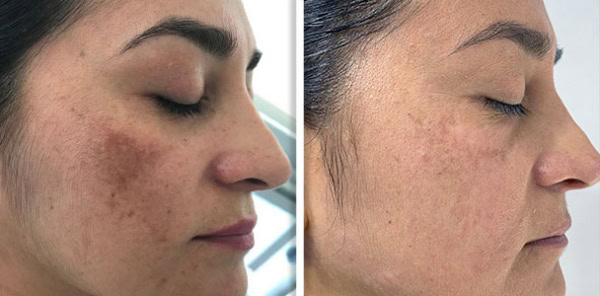


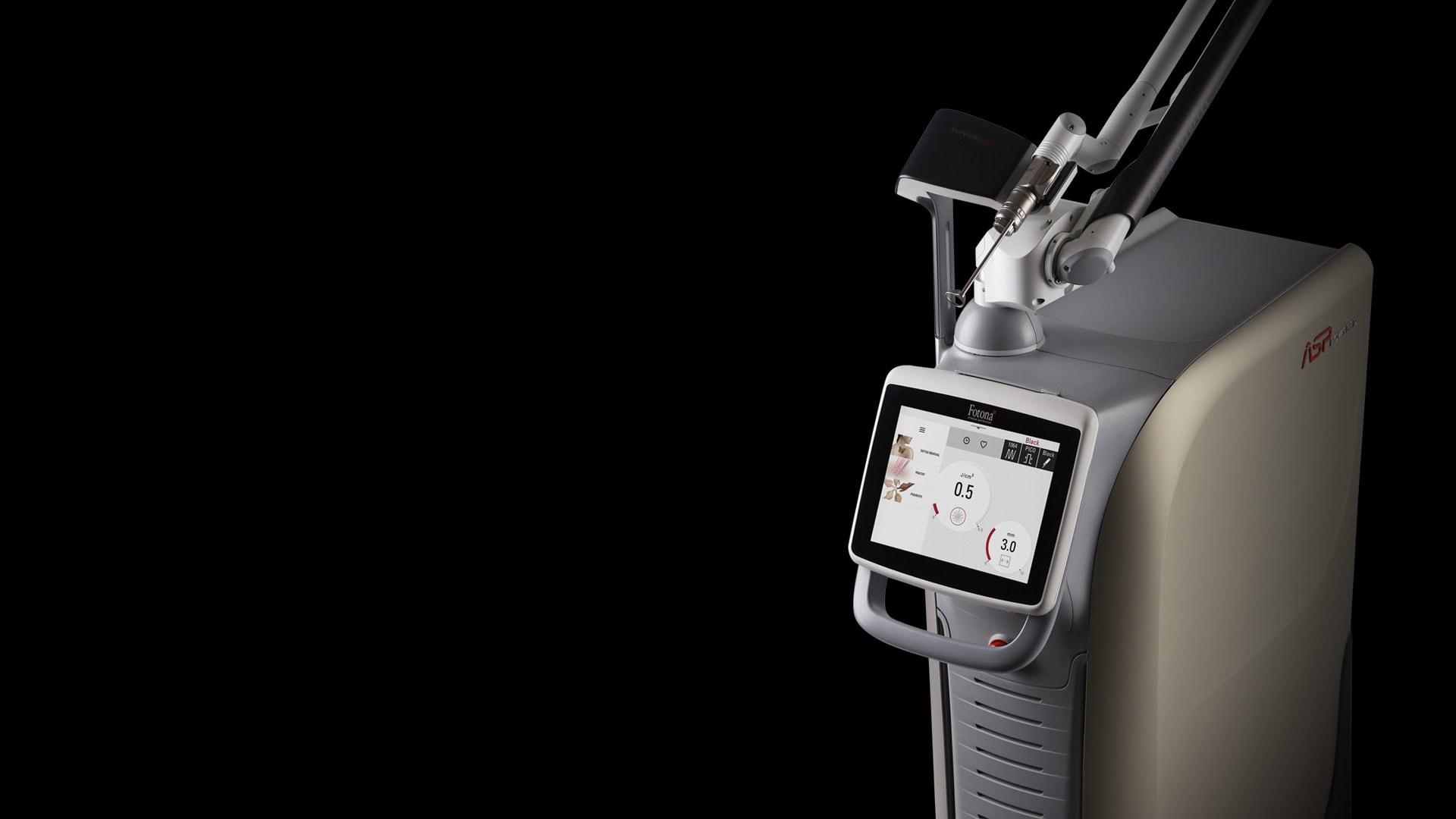
Pico laser treatment has become one of the most talked-about options in modern aesthetic medicine. Patients want clearer skin, faded pigmentation, smoother texture and better tattoo removal results, but they also want less downtime and a safer experience. This is where the StarWalker® PQX laser machine by Fotona stands out.
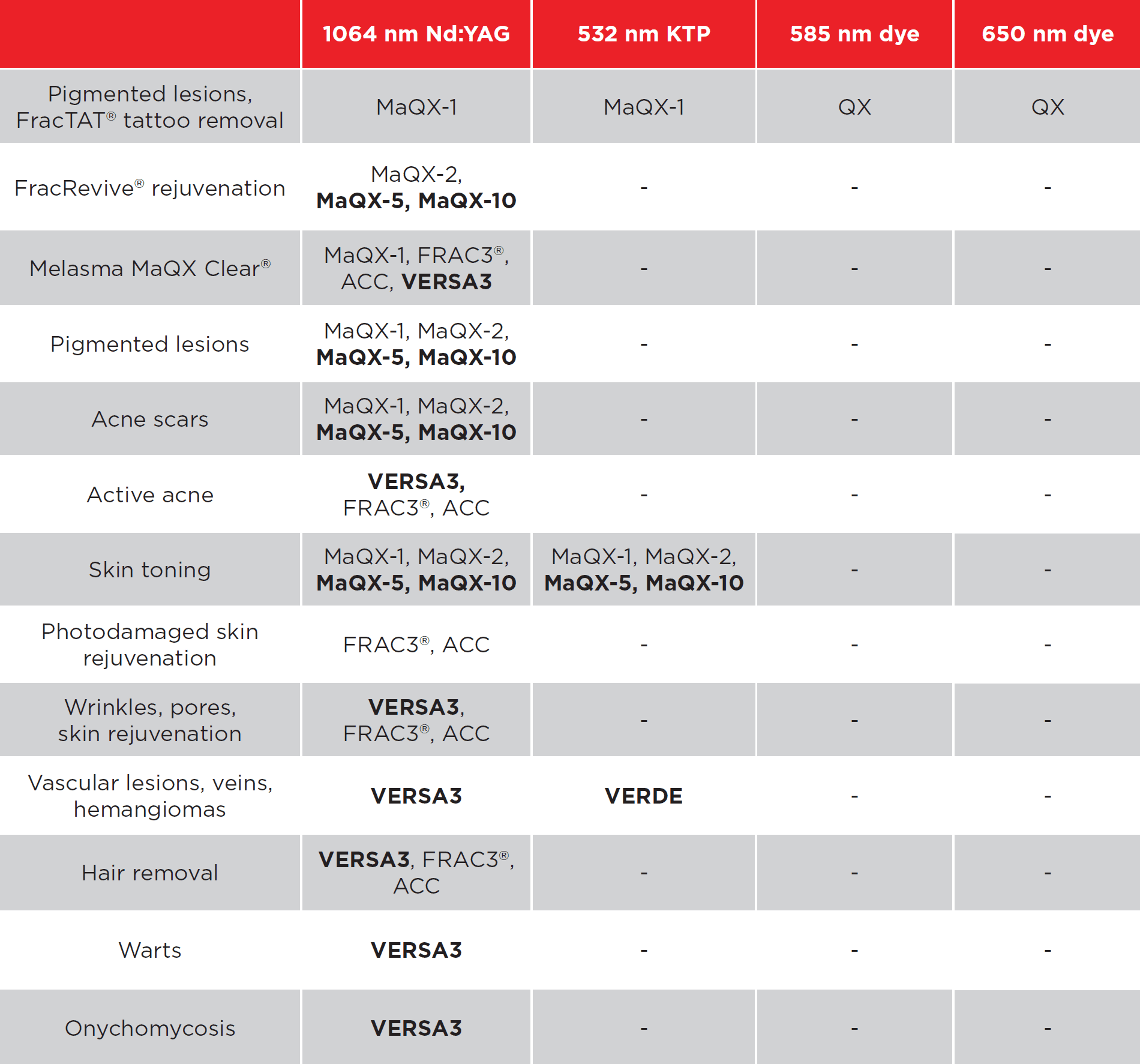
The StarWalker® PQX is an advanced picosecond laser system designed for high-performance treatments. According to Fotona, it can be used for black and multicolour tattoo removal, pigmented lesion removal, skin toning, FracRevive® photorejuvenation, scar revision and resurfacing. It uses ultra-short picosecond pulses that work in a photoacoustic way, helping target pigment and ink while limiting heat damage to surrounding tissue.
What is a pico laser?
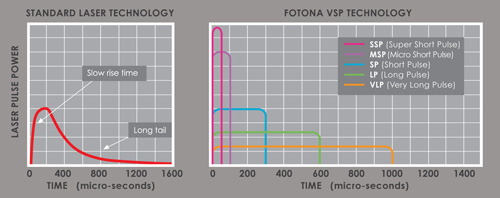
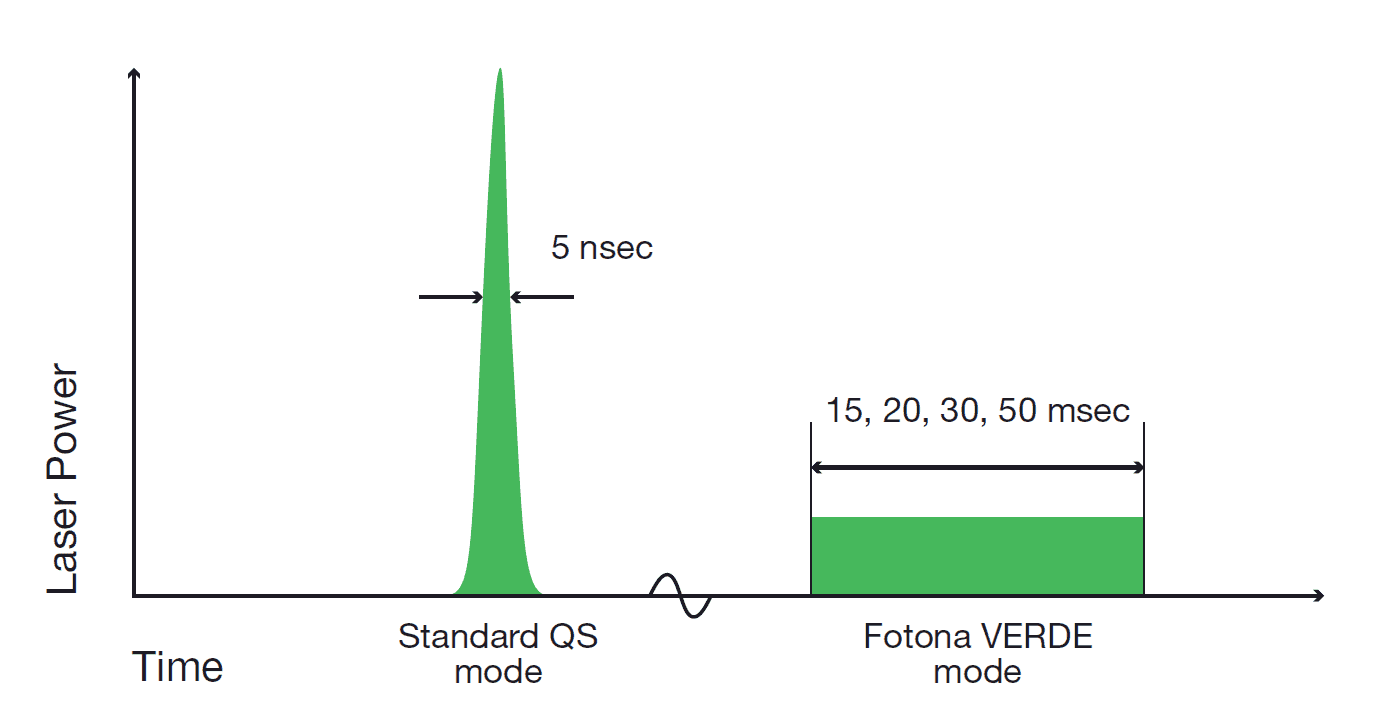
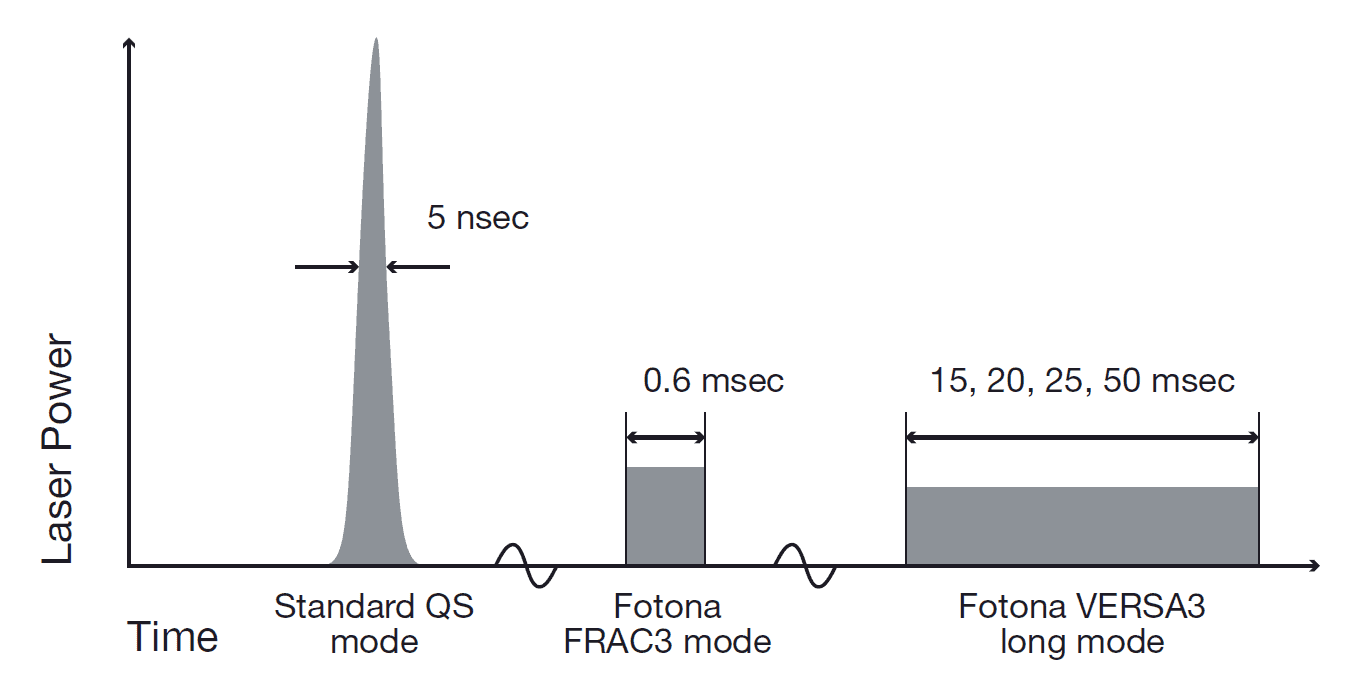
A pico laser is a laser that delivers energy in picoseconds. A picosecond is one trillionth of a second. This very short pulse creates a strong photoacoustic effect, which means the laser breaks pigment or tattoo ink into tiny particles using pressure waves rather than relying mainly on heat.
Traditional Q-switched lasers use nanosecond pulses. In simple words, pico laser treatment is designed to be fast, precise and less heat-heavy than older laser technologies.
What makes StarWalker® PQX different?
The StarWalker® PQX is not just a basic pico laser. Fotona describes it as an ultra-performance pico laser with high pico power and energy. This combination allows clinics to treat skin and tattoo issues with speed and accuracy.
Its greatest strength is its versatility. With one device, practitioners can offer several treatments, including tattoo removal, pigmentation treatment, skin toning, scar revision and resurfacing. This makes it valuable for clinics that want a strong treatment portfolio from one machine.
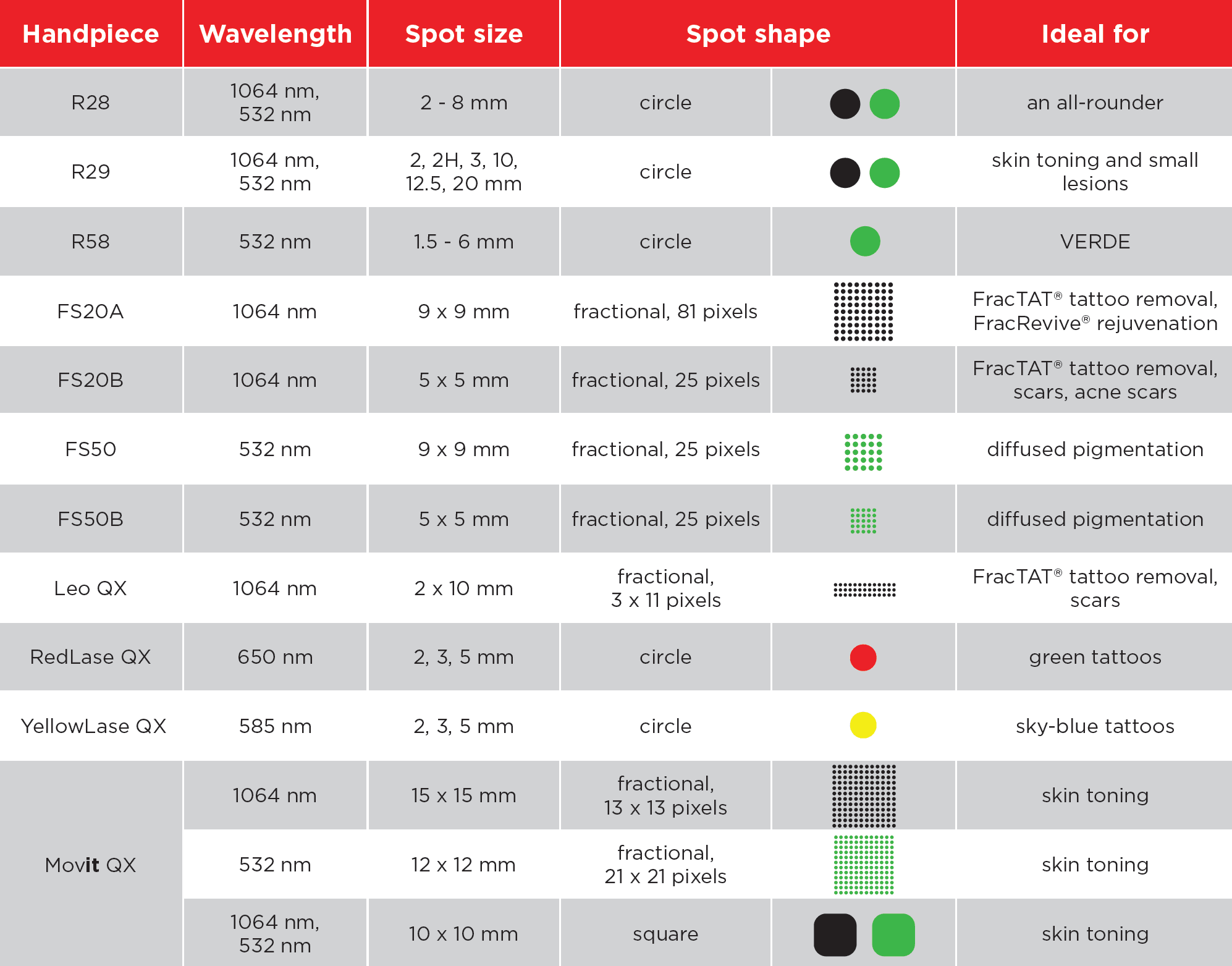
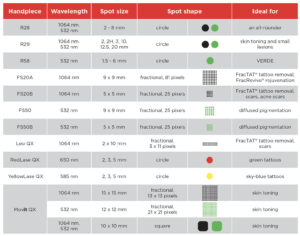
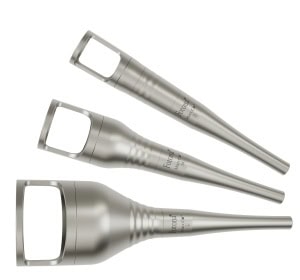
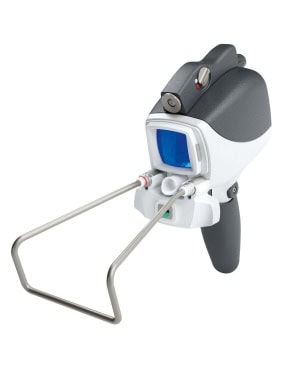
The system also includes advanced handpieces, full-beam and fractional options, preset treatment parameters, treatment history, a patient database and Fotona’s technology for reliability and consistency. For clinics, these features can support safer workflows and more confident treatment planning.
How does StarWalker® PQX work?
The StarWalker® PQX delivers laser energy into the skin in extremely short pulses. When the energy reaches pigment or tattoo ink, it breaks the particles apart. These smaller particles are then gradually cleared by the body’s natural processes.
Because the pulse is so short, the treatment creates less thermal spread than many heat-based treatments. This can be useful when treating pigmentation-prone skin or sensitive areas, although proper assessment is still essential.
For skin rejuvenation, fractional pico laser energy can create a controlled healing response. This may help support collagen activity, improve rough texture and refresh dull-looking skin without the downtime linked with more aggressive resurfacing.
What can StarWalker® PQX treat?
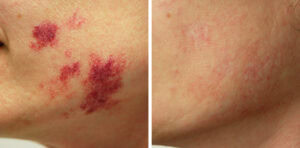
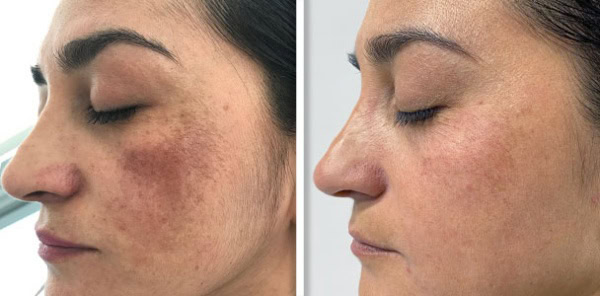
The StarWalker® PQX is commonly used for several aesthetic concerns. The most popular include pigmentation, tattoo removal and skin rejuvenation. For pigmentation, it can target selected brown spots, age spots, sun damage, freckles and uneven tone. The laser breaks pigment into smaller fragments so the skin can gradually look clearer and more even.
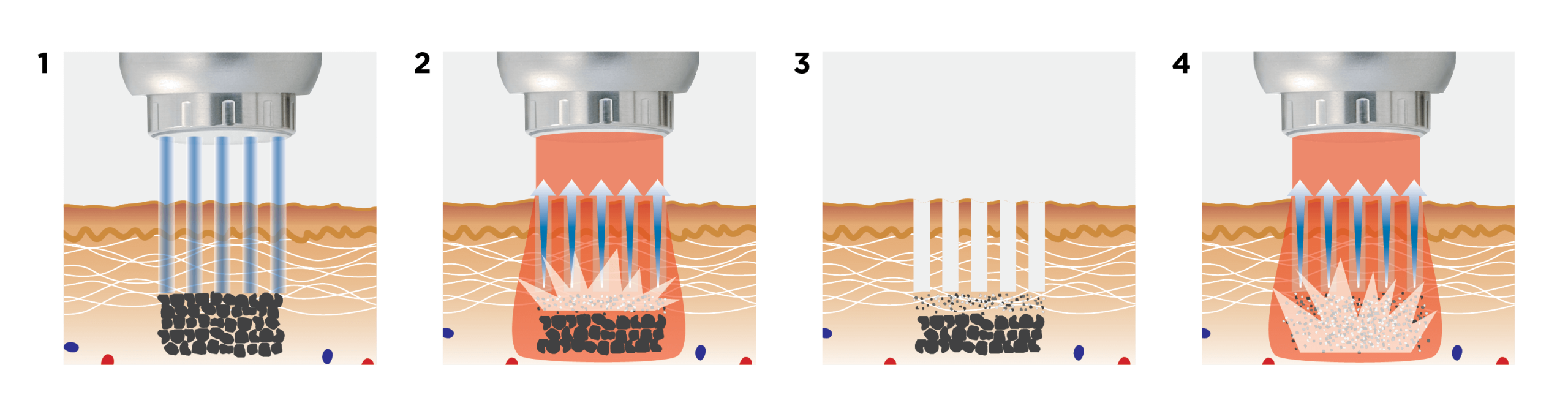
Picotechnology is particularly useful for tattoo removal because tattoo ink is often stubborn. Tattoos in colored ink may need more sessions or require different wavelengths. Fotona’s FracTAT® technology is a patented method that uses fractional laser microchannels before a full-beam to improve tattoo removal.
For skin quality, StarWalker® PQX can be used for skin toning and FracRevive® photorejuvenation. These treatments aim to improve dullness, uneven tone, fine texture and overall brightness. It may also support scar revision and resurfacing, depending on the scar type, skin condition and treatment plan.
Pico laser for pigmentation
Pigmentation is one of the main reasons people ask about pico laser treatment. Dark patches, sun spots and post-acne marks can be difficult to improve with skincare alone. A pico laser can target excess pigment more directly.
The benefit of a pico approach is that it uses short, sharp pulses to fragment pigment while reducing unnecessary heat around the treated area. This can be helpful for selected pigmentation concerns, especially when the treatment is planned carefully.
However, not every type of pigmentation should be treated the same way. Melasma, for example, is complex and can be triggered by hormones, heat and sunlight. If treated too aggressively, it can worsen. A proper consultation is essential before any laser treatment.
Pico laser for tattoo removal
Tattoo removal is one of the strongest uses for picosecond laser technology. Tattoo ink is placed deep in the skin, and the body cannot easily clear large ink particles on its own. Pico laser treatment breaks those particles into smaller pieces so the immune system can gradually remove them.
The StarWalker® PQX is designed to treat black and multicolour tattoos. The number of sessions depends on tattoo age, ink colour, depth, density, location, skin type and the type of ink used.
Older tattoos may fade faster than fresh tattoos. Amateur tattoos may respond differently from professional tattoos. Colours such as black and dark blue are often easier to treat, while green, yellow and light colours can be more stubborn. A good clinic should explain that tattoo removal is a process, not a one-session treatment.
Pico laser for skin rejuvenation
Many patients now choose pico laser treatment not only for pigment or tattoos, but also for skin freshness. Fractional pico energy can be used to stimulate a repair response in the skin. This may help improve skin tone, fine texture, acne marks, mild scarring and dullness.
This type of treatment is often popular because it can offer visible skin improvement with less downtime than deeper ablative resurfacing. As collagen activity increases, the skin will appear brighter and smoother. Still, results vary from person to person. Skin quality, age, lifestyle, sun exposure and aftercare all affect the outcome.
Is StarWalker® PQX safe?
StarWalker® PQX treatments can be safe when performed by trained professionals using suitable settings. Like all laser treatments, there are possible risks. These may include redness, swelling, temporary darkening of pigment, crusting, blistering, post-inflammatory pigmentation, lightening of the skin, infection or scarring in rare cases.
Safety depends on the device, but also on the practitioner. The right settings, skin assessment and aftercare are very important. Darker skin tones may need a more cautious approach because they have a higher risk of pigmentation changes after heat or inflammation. Patients should avoid tanning before and after treatment and should follow SPF advice carefully.
What happens during treatment?
The consultation is the first step. The practitioner will assess your skin type, any concerns you may have, your medical history, medications, sun exposure in the past, and previous treatments. When removing tattoos, the practitioner will evaluate the colour of ink, tattoo depth and placement.
During the treatment, you will be required to wear protective eyewear and your skin will be cleansed. The laser is then passed over the area of treatment. The skin may feel like it is being prickled or snapped, as if an elastic band were flinging. Some treatments are quick, while larger tattoos or larger pigment areas take longer. After treatment, the area may be red, warm or slightly swollen. Pigmentation may darken before flaking or fading. Tattoo areas may frost, swell or crust before healing. Your clinic should provide clear aftercare instructions.
How many sessions are needed?
The number of sessions depends on the treatment goal. Pigmentation may need one to several sessions. Skin toning and rejuvenation usually work best as a course. Tattoo removal often needs multiple sessions over several months.
This is because the body needs time to clear the broken pigment or ink. Sessions are usually spaced apart to allow healing and natural clearance. A responsible clinic will give realistic expectations rather than promising instant results.
Why clinics choose StarWalker® PQX
Clinics choose StarWalker® PQX because it offers a strong treatment variety from one platform. It supports tattoo removal, pigmentation treatment, rejuvenation, skin toning and scar revision. Fotona also highlights its high pico power, advanced handpiece technology, fractional options and compact, efficient design. This means that one machine can be used to serve multiple patient needs. Patients will have access to a pico laser system that is designed for precision and versatility.
Fotona services
Fotona services are built around advanced medical laser technology for clinics that want safe, effective and flexible treatment options. With systems such as the StarWalker® PQX, Fotona supports treatments for pigmentation, tattoo removal, skin toning, scar revision and photorejuvenation. The brand is known for combining clinical innovation with practical treatment versatility, helping clinics offer personalised laser solutions for patients who want clearer, smoother and more refreshed-looking skin.
Final thoughts
The StarWalker PQX is a powerful laser platform that can be used in clinics to provide advanced treatments for skin rejuvenation, tattoo removal, and pigmentation. The ultra-short laser pulses, the photoacoustic effects and the versatile treatment options are what make this a great choice for modern aesthetic practices.
Patients should choose a clinic that has a team of professionals who are trained to understand their skin, their concerns and goals. Pico lasers can produce impressive results but only when they are planned and performed carefully.
FAQs
- What is StarWalker® PQX?
StarWalker ® PQX by Fotona is a picosecond laser that can be used to remove tattoos, treat pigmentation, tone the skin, reduce scars, and rejuvenate.
- Is pico laser better than normal laser?
Pico lasers deliver energy in extremely short pulses. This can break pigment and tattoo ink into smaller particles with less heat spread than some older laser systems.
- Can StarWalker® PQX remove tattoos?
Yes, it is designed for black and multicolour tattoo removal. The number of sessions depends on ink colour, tattoo depth, location and skin type.
- Can pico laser treat pigmentation?
Yes, pico laser can help selected pigmentation concerns such as sun spots, age spots, freckles and uneven tone. Melasma needs extra care and assessment.
- Is StarWalker® PQX safe for darker skin?
It may be suitable for darker skin when used carefully by an experienced practitioner. Settings must be chosen properly to reduce pigmentation risks.
- Does pico laser hurt?
Most people feel a snapping, prickling or warm sensation. Comfort depends on the area treated and the settings used.
- How long is the downtime?
Downtime varies. While skin toning usually is a quick procedure, tattoo removal or stronger pigmentation treatment may cause temporary darkening.
- How many sessions will I need?
Pigmentation may need one to several sessions. Tattoo removal often needs multiple sessions. Rejuvenation usually works best as a planned course.