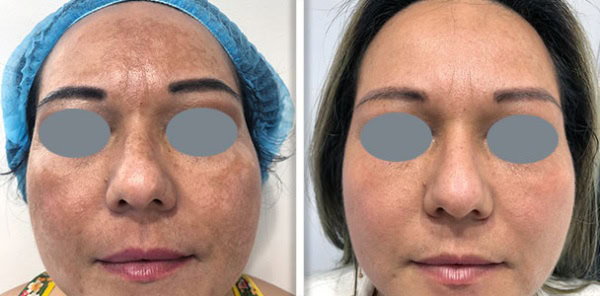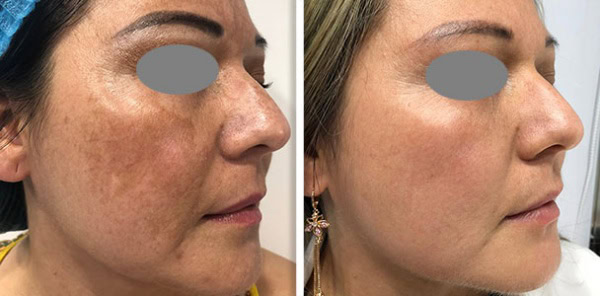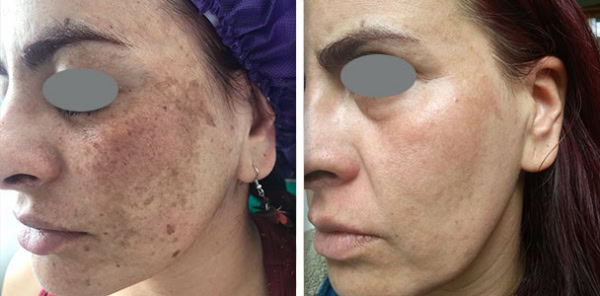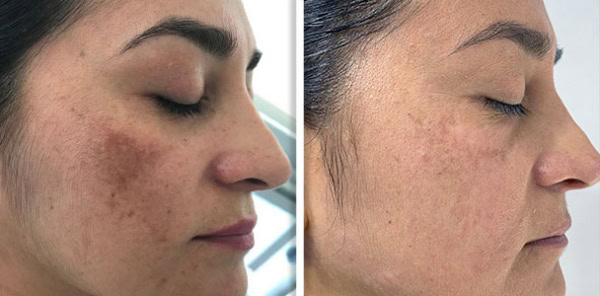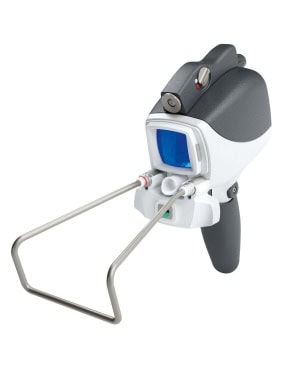


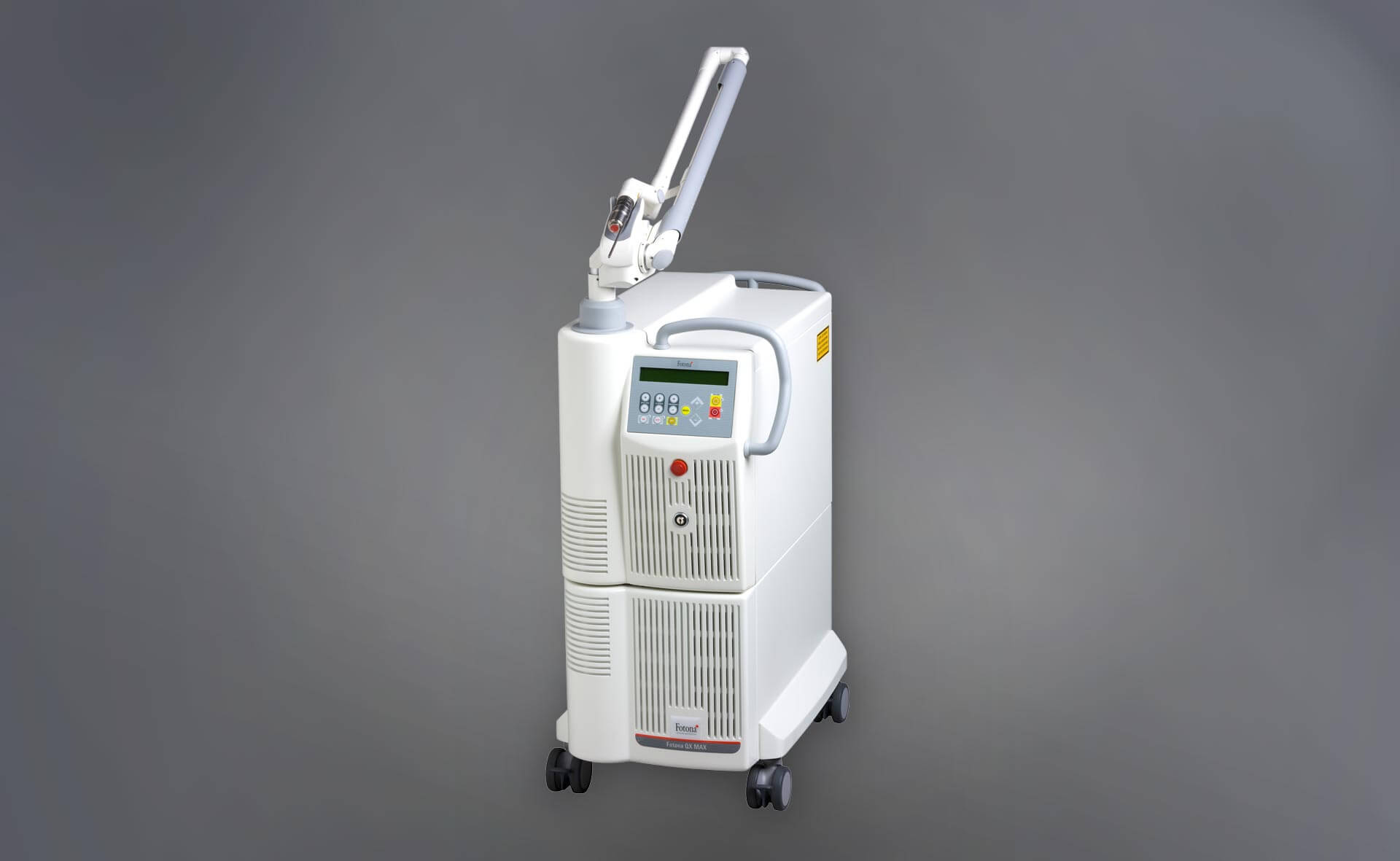
QX MAX is Fotona’s high-performance Q-switched Nd:YAG laser platform. It is designed for tattoo removal, pigmented lesions, vascular lesions and FRAC3® aesthetic treatments. The system offers four wavelengths: 1064 nm, 532 nm, 650 nm and 585 nm, helping clinics target a wide range of tattoo colours and skin pigments. For clinics, QX MAX is valuable because it combines high single-pulse energy, multi-wavelength flexibility and advanced safety features in one professional aesthetic laser system.
What is the QX MAX Laser Machine?
QX MAX is an advanced Q-switched laser machine by Fotona. It is mainly known for treating tattoos and pigmentation, but it can also support selected aesthetic treatments such as FRAC3® skin rejuvenation.
Fotona describes QX MAX as a high-performance single-pulse Q-switched laser. In simple words, it delivers very short, powerful laser pulses that target pigment in the skin without relying mainly on heat. This makes it useful for breaking down tattoo ink and unwanted pigmentation into smaller particles, which the body can then clear naturally. For clinics, this type of system is useful because pigmentation and tattoo removal are high-demand treatments. Patients want visible fading, safer treatment and fewer unnecessary side effects.
What does Q-switched mean?
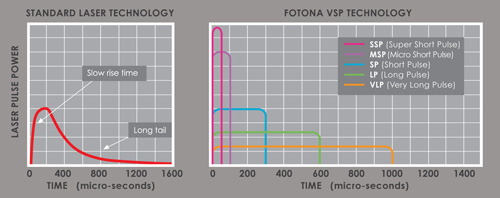
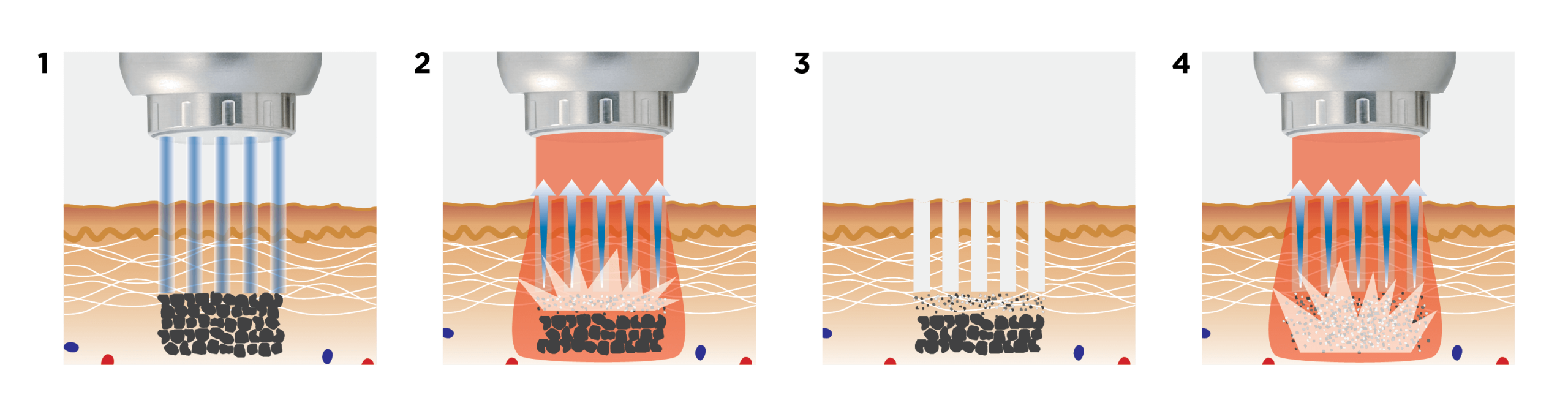
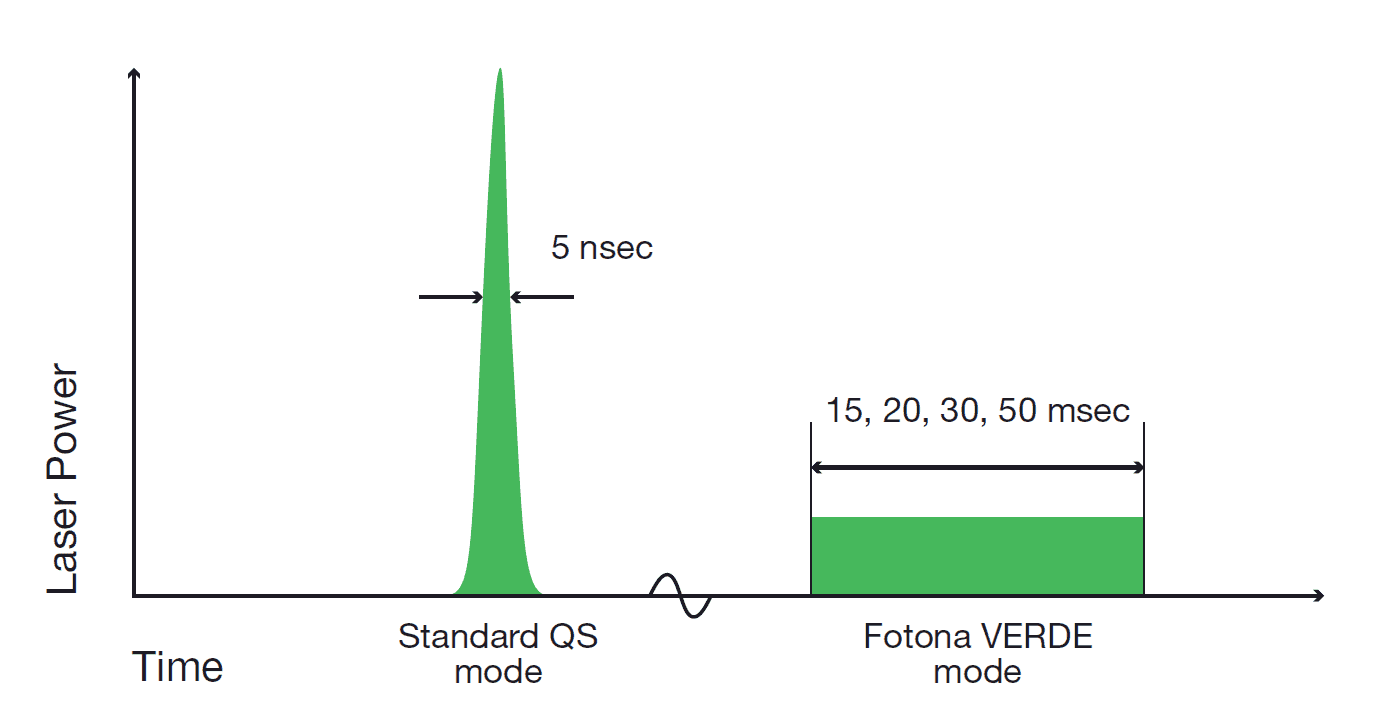
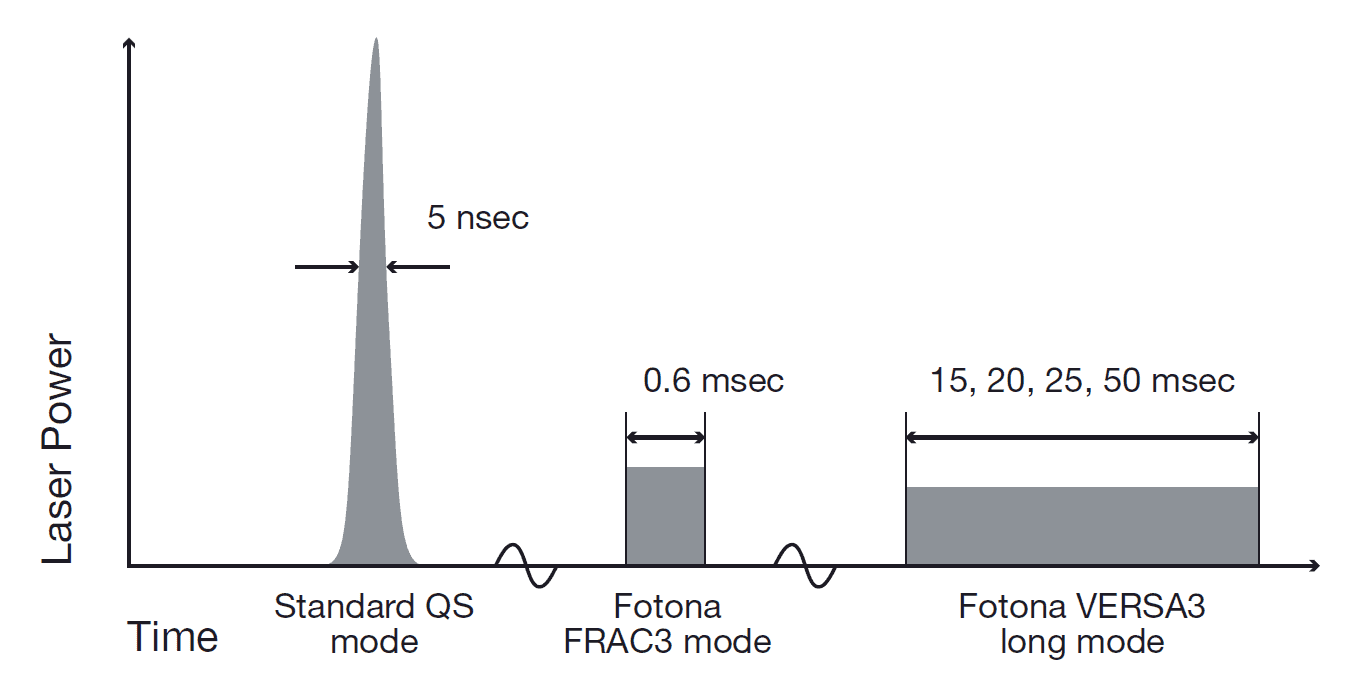
Q-switched lasers produce very short bursts of energy. QX MAX uses nanosecond pulses, with Fotona stating pulse durations of 5 ns and energy up to 1.6 J. These short pulses create a photoacoustic effect, meaning they break pigment using pressure waves rather than slow heating.
This matters because pigment particles need to be shattered into small pieces. If too much heat spreads into surrounding skin, there is a higher risk of burns, scarring or unwanted colour changes. A Q-switched laser aims to focus energy mainly on the pigment.
Why Nd:YAG technology matters
The QX MAX is built around Nd:YAG laser technology. Its main 1064 nm wavelength is especially useful for darker pigments and black tattoo ink. This wavelength can reach deeper into the skin and is widely used in aesthetic clinics for pigment and tattoo work.
The system also converts the Nd:YAG wavelength into other wavelengths to treat a broader range of colours. This is important because tattoos are not always black. Red, orange, blue and green inks often need different wavelengths to fade effectively.
Four wavelengths for wider treatment options
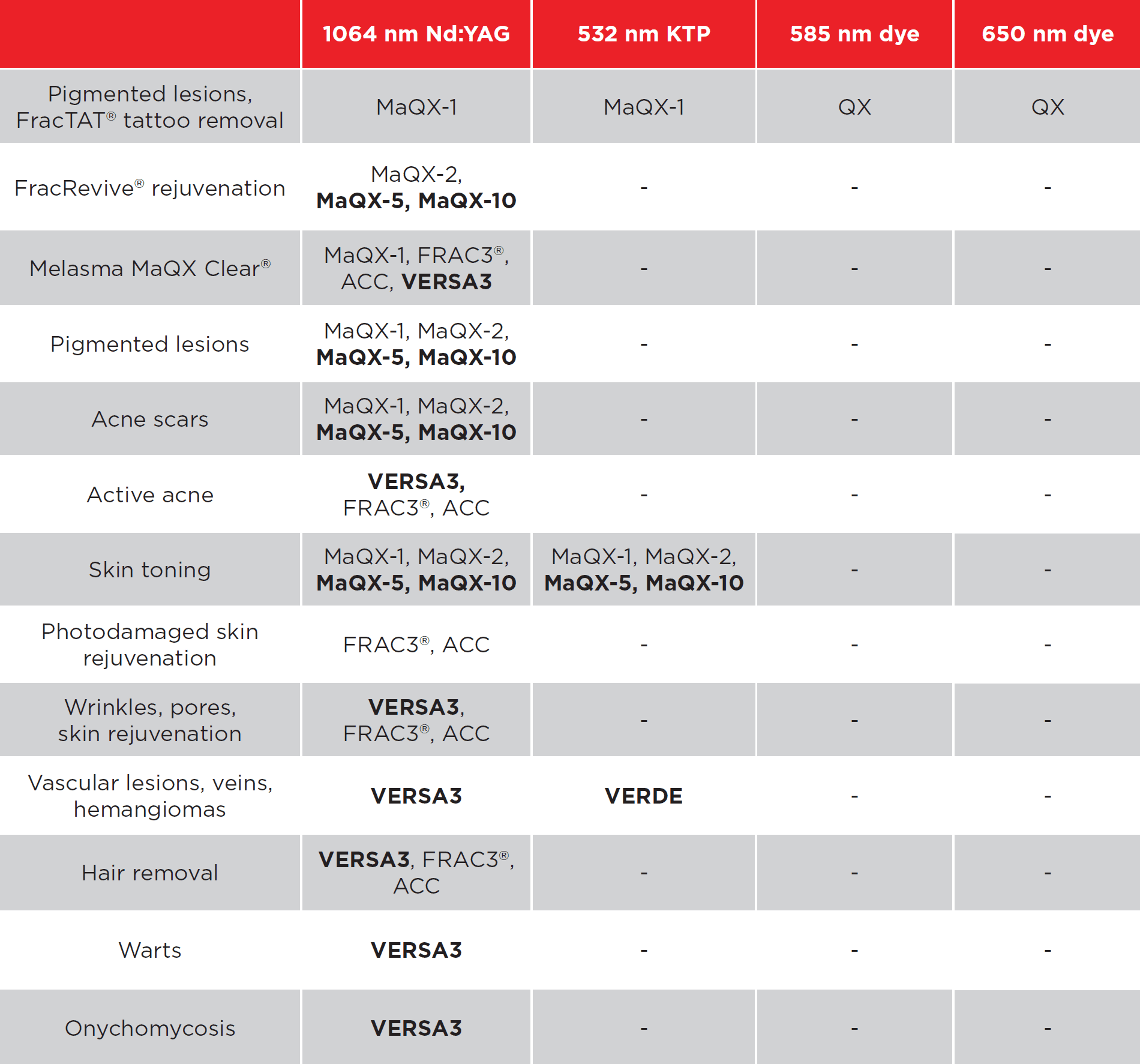
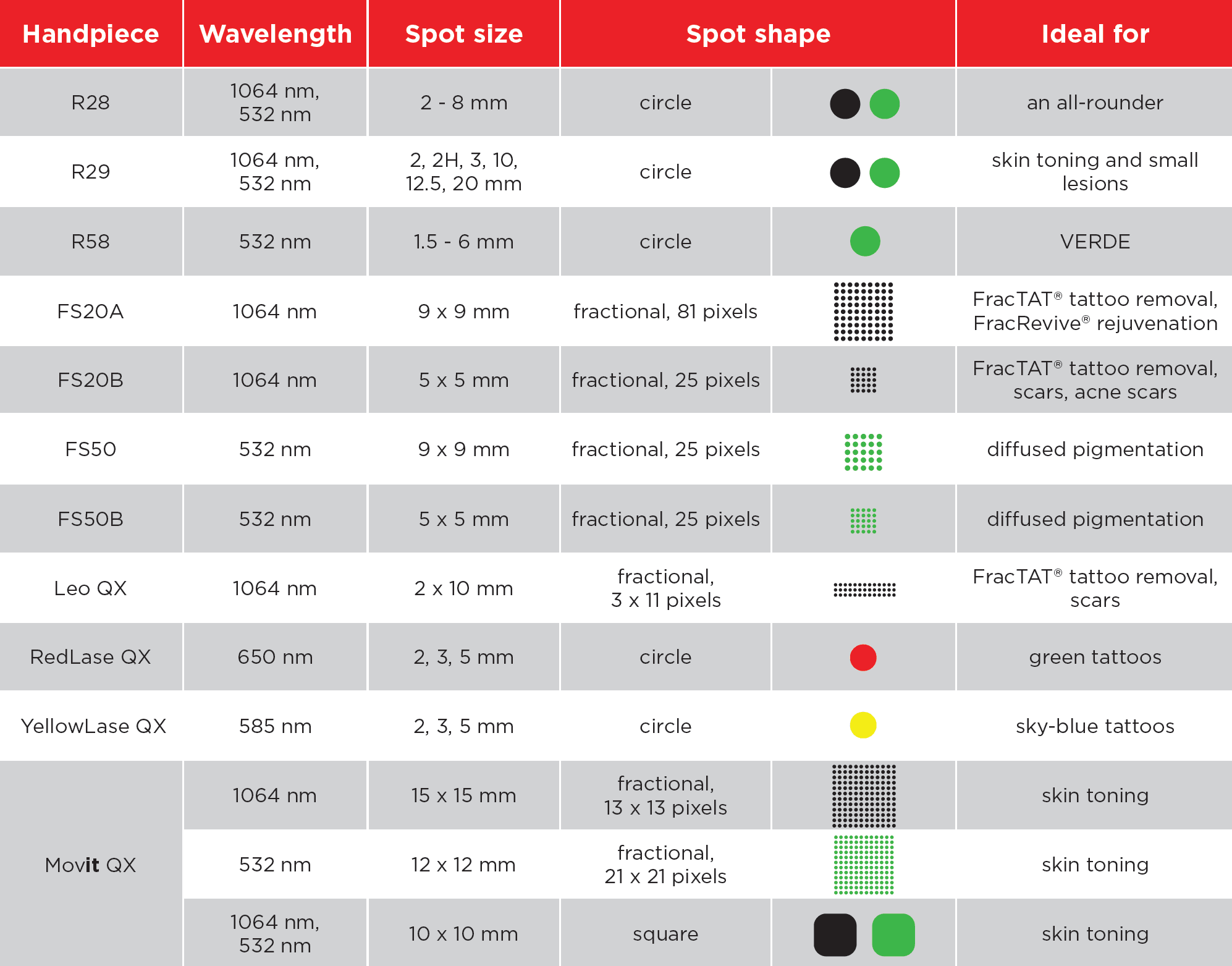
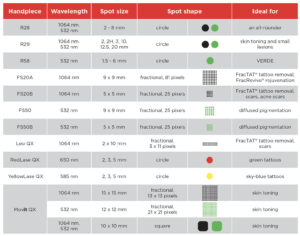
One of the biggest strengths of QX MAX is its four-wavelength design. Fotona lists 1064 nm Nd:YAG for dark pigments, 532 nm KTP for lighter pigments, vascular lesions and red, tan, purple and orange tattoo inks, 650 nm dye for green tattoo inks, and 585 nm dye for sky-blue inks and vascular lesions. This gives clinics a more complete pigment-removal platform. Instead of using one wavelength for every colour, practitioners can select the wavelength most suitable for the pigment being treated. For patients, this can mean a more tailored treatment plan. For clinics, it means more flexibility when treating complex tattoos or mixed pigmentation concerns.
What can QX MAX treat?
QX MAX can support several common aesthetic laser treatments. The strongest areas are tattoo removal and pigmented lesion removal. It may also be used for vascular lesions, FRAC3® aesthetic treatments, acne-related treatments, hair removal and skin rejuvenation depending on the protocol, training and local approvals.
For tattoo removal, it can treat black and many coloured tattoos. Black ink often responds well to 1064 nm, while coloured inks may need 532 nm, 585 nm or 650 nm. For pigmentation, it can target selected sun spots, freckles, age spots and benign pigmented lesions. However, not every brown mark should be treated without diagnosis. Suspicious moles or changing lesions must be checked medically first.
QX MAX for tattoo removal
Tattoo removal is one of the main reasons clinics invest in QX MAX. Tattoo ink sits in the skin in particles that are too large for the body to clear easily. Laser treatment breaks those particles into smaller fragments, which are gradually removed by the immune system.
The number of sessions depends on tattoo age, ink depth, colour, density, location, skin type and whether the tattoo is professional or amateur. Older tattoos may fade faster. Black ink is often easier than yellow, green or light blue. Fotona also highlights its multi-wavelength Q-switched technology as useful for complex, multi-coloured tattoos because different pigments absorb different wavelengths.
QX MAX for pigmentation
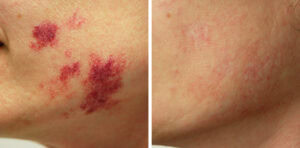
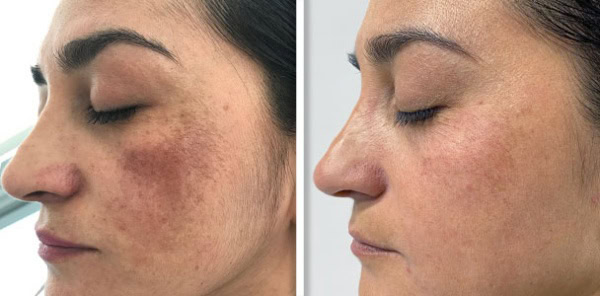
Pigmentation is another important treatment area. Many patients ask clinics about sun damage, age spots, freckles and uneven tone. QX MAX can target selected pigments with short laser pulses designed to break pigment apart. However, pigmentation treatment needs careful assessment. Melasma, for example, can worsen if treated too aggressively or with the wrong energy. Darker skin types also need extra care due to the risk of post-inflammatory hyperpigmentation. A professional consultation should always come first. Good clinics treat the cause and type of pigmentation, not just the colour.
What is FRAC3®?
FRAC3® is a Fotona aesthetic treatment mode that creates a three-dimensional fractional effect inside the skin. Instead of removing large areas of skin surface, it targets small imperfections within the skin structure. Fotona explains that FRAC3® leaves more surrounding tissue unaffected, supporting faster healing and less downtime compared with conventional fractional treatments. For patients, FRAC3® may be used as part of rejuvenation plans where the aim is clearer, fresher and more even-looking skin.
What is Accelera technology?
QX MAX also includes Fotona’s Accelera pulse technology. Fotona describes Accelera as generating sub-millisecond Nd:YAG pulse widths for minimally invasive skin rejuvenation and other non-ablative aesthetic treatments. This matters because it gives the device more treatment range beyond classic tattoo and pigmentation work. For clinics, that can improve the value of the system by supporting a broader service menu.
QX MAX vs pico laser
QX MAX is a nanosecond Q-switched laser. Pico lasers deliver even shorter picosecond pulses. Pico systems can break pigment into very small fragments and are popular for tattoo removal and pigmentation. However, Q-switched lasers remain important because they are established, effective and often powerful. QX MAX’s strength is high single-pulse energy and four wavelengths, which can be useful for deeper pigment and multi-colour work. The best choice depends on the tattoo, pigment type, patient skin and clinic expertise. A trained practitioner matters just as much as the device.
Who is suitable for QX MAX treatment?
Suitable patients may have tattoos they want faded or removed, sun spots, freckles, selected pigmented lesions or vascular concerns that have been assessed as safe to treat. Patients may not be suitable if they are pregnant, recently tanned, using photosensitising medicines, prone to keloid scarring, have active infection or have suspicious skin lesions needing medical review. A patch test may be recommended, especially for darker skin tones or sensitive areas.
What happens during treatment?
A consultation comes first. The practitioner checks skin type, treatment goal, tattoo colours or pigmentation type, medical history and sun exposure. During treatment, protective eyewear is used. The laser may feel like a sharp snapping sensation on the skin. Treated tattoos may frost, swell or feel hot. Pigmentation may darken before fading or flaking. Aftercare is important. Patients should avoid sun exposure, heat, picking, harsh skincare and tanning. SPF is essential on exposed areas.
Fotona services
Fotona services are designed around advanced medical laser technology for clinics that want precise, flexible and high-performance treatment options. With platforms such as QX MAX, Fotona supports tattoo removal, pigmentation treatment, vascular lesion work, FRAC3® rejuvenation and other aesthetic applications. Fotona’s wider portfolio also includes solutions for hair removal, resurfacing, acne scars, body sculpting and non-surgical facial rejuvenation, helping clinics build a complete and trusted laser treatment journey.
Final thoughts
QX MAX is a powerful Nd aesthetic laser platform for clinics that want strong performance in tattoo removal, pigmentation and advanced aesthetic treatments. Its four wavelengths, high single-pulse energy, FRAC3® mode, Accelera technology and EFC safety control make it a versatile choice.
For patients, the key is choosing an experienced clinic that understands pigment, skin type and safe laser settings. For clinics, QX MAX offers a strong way to expand treatment options and meet demand for tattoo and pigmentation solutions.
FAQs
- What is QX MAX?
QX MAX is a Fotona Q-switched Nd laser machine used for tattoo removal, pigmentation, vascular lesions and selected aesthetic treatments.
- What wavelengths does QX MAX use?
It offers 1064 nm, 532 nm, 650 nm and 585 nm wavelengths for different pigment and tattoo colours.
- Can QX MAX remove coloured tattoos?
It is designed to treat tattoos of all colours. However, some colors may require more sessions.
- Is QX MAX a pico laser?
No. QX MAX is a nanosecond Q-switched laser, not a picosecond laser.
- Can QX MAX treat pigmentation?
It is possible, but only after a thorough assessment.
- Is QX MAX safe for darker skin?
The product is suitable for darker skin, but it must be used with caution due to the risk of pigmentation.
- How many tattoo removal sessions are needed?
This varies by ink colour, tattoo age, depth, density, location and skin type.
- What is FRAC3®?
FRAC3® is a Fotona treatment mode that creates a three-dimensional fractional effect for skin rejuvenation.
- Does QX MAX treatment hurt?
Most patients feel a snapping sensation. Tattoo removal can feel stronger than pigmentation treatment.
- Why do clinics choose QX MAX?
Clinics choose it for multi-wavelength pigment treatment, tattoo removal, high performance and broad aesthetic flexibility.