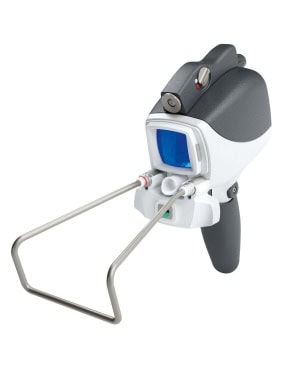


Professional Laser Systems for Aesthetic, Medical and Dental Clinics
Choosing a laser for your clinic isn’t simply about finding the machine with the longest treatment list. It has to suit the patients you actually see, the services you want to build and the way your team works.
Fotona UK supplies professional laser systems for aesthetic, dermatology, medical and dental practices across the UK and Ireland. The range includes flexible multi-application platforms, facial aesthetic systems, picosecond and Q-switched lasers, and dedicated dental technology.
Speak to a Fotona Laser Specialist
Not sure which system fits your clinic? Tell us what you currently treat and where you want the practice to grow. We’ll help you compare the most relevant options.
Which Fotona Laser Machine Is Right for Your Clinic?
Fotona laser machines cover very different clinical needs. SP Dynamis and Dynamis Max are built for clinics wanting a broad aesthetic treatment menu. TimeWalker Fotona4D is more focused on facial aesthetics. StarWalker systems are aimed strongly at pigment, tattoo and skin-quality work, while LightWalker and SkyPulse serve dental practices. The right choice therefore depends less on which machine is “best” and more on what you need it to do every week.
Why Clinics Choose Fotona Laser Technology
Fotona has developed laser technology for more than five decades. A major part of its aesthetic range is built around two complementary wavelengths: 2940 nm Er:YAG and 1064 nm Nd:YAG.
That sounds technical, but the practical difference is straightforward.
- Er:YAG is strongly absorbed by water and can be used very precisely at the skin surface. Depending on the selected mode, it can support anything from gentle non-ablative heating to controlled resurfacing.
- Nd:YAG travels deeper into tissue. It can create thermal effects below the skin surface and is used across applications such as non-ablative rejuvenation, vascular work and hair reduction.
On dual-wavelength platforms, practitioners can use these technologies separately or as part of combined protocols. This gives clinics more freedom to treat different concerns without relying on the same depth or mechanism for every patient.
Fotona Laser Machines for Aesthetic and Dermatology Clinics
Dynamis Max
Dynamis Max is aimed at clinics that want a broad face-and-body treatment platform. It combines Er:YAG and Nd:YAG technology and is designed around a large range of aesthetic applications. For a growing clinic, its appeal is the ability to build several services around one central machine instead of purchasing a separate device every time the treatment menu expands.
SP Dynamis Nx Line
- SP Dynamis Nx Line develops the established SP Dynamis platform with a more modern interface and newer workflow features. It combines Er:YAG and Nd:YAG and supports more than 100 treatment options across its available configurations.
- Features such as CoolMist™ water-based skin cooling, MatrixView® thermal sensing and integrated scanner options are designed to help practitioners manage larger-area and temperature-sensitive treatments more confidently.
- This system makes particular sense for clinics that expect the laser to be used across several treatment categories rather than one narrow service.
SP Dynamis
SP Dynamis remains a highly flexible dual-wavelength aesthetic platform. Its Er:YAG side supports controlled resurfacing and thermal modes, while Nd:YAG provides deeper non-ablative treatment capability. Depending on configuration and practitioner training, the platform can support services around skin rejuvenation, resurfacing, acne and scars, vascular concerns, hair reduction and body treatments. For an established clinic wanting proven multi-application technology, SP Dynamis is still very relevant.
TimeWalker Fotona4D
Not every clinic needs a machine built around a very broad body and dermatology menu.TimeWalker Fotona4D is designed specifically around facial aesthetics. It combines Er:YAG and Nd:YAG technology and supports treatments such as Fotona4D®, SmoothEye® and LipLase®.
The PRO version extends the treatment range further into areas such as fractional and full-field resurfacing, scars, vascular concerns and acne. For a clinic whose identity is centred on facial rejuvenation rather than a large medical-aesthetic menu, that focus can be an advantage.
Fotona Laser Machines for Pigmentation and Tattoo Removal
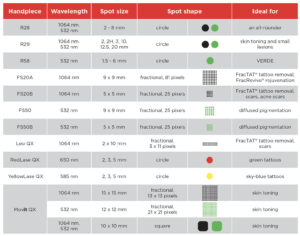
StarWalker PICO Pro and StarWalker MaQX
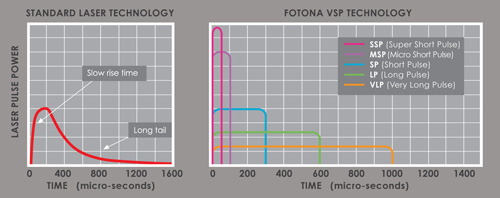
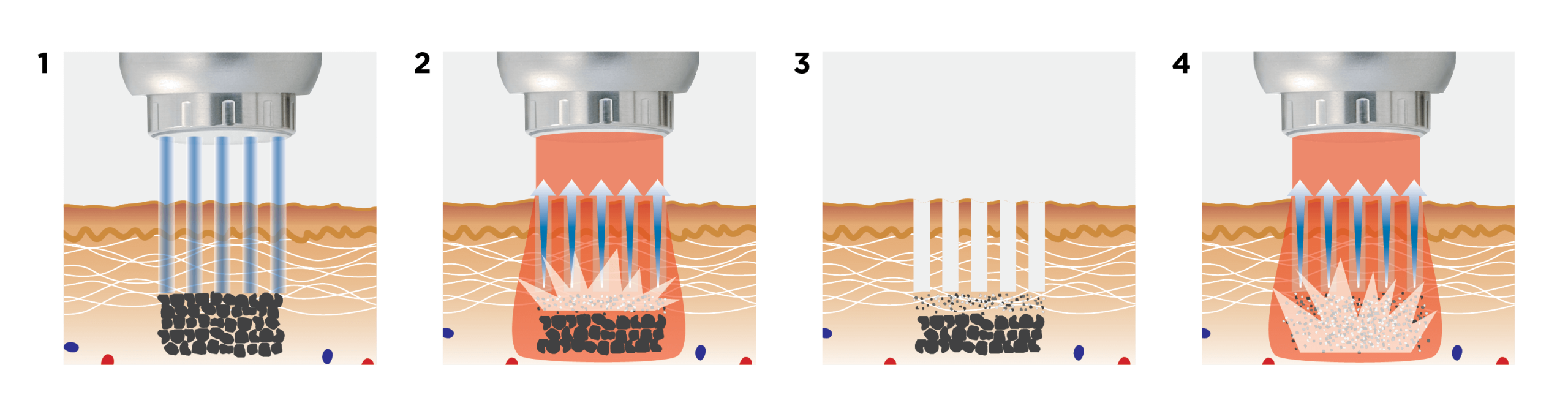
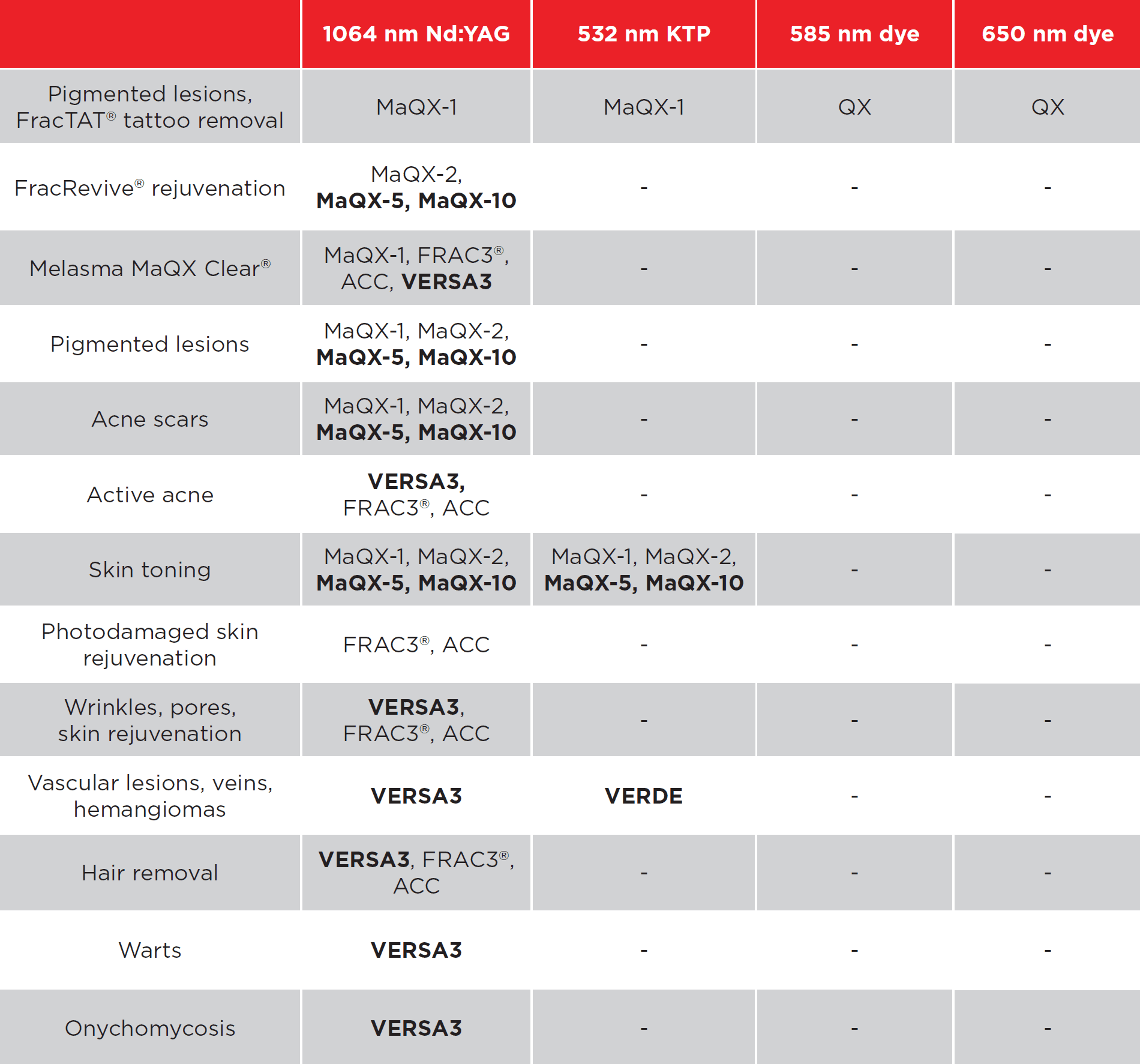
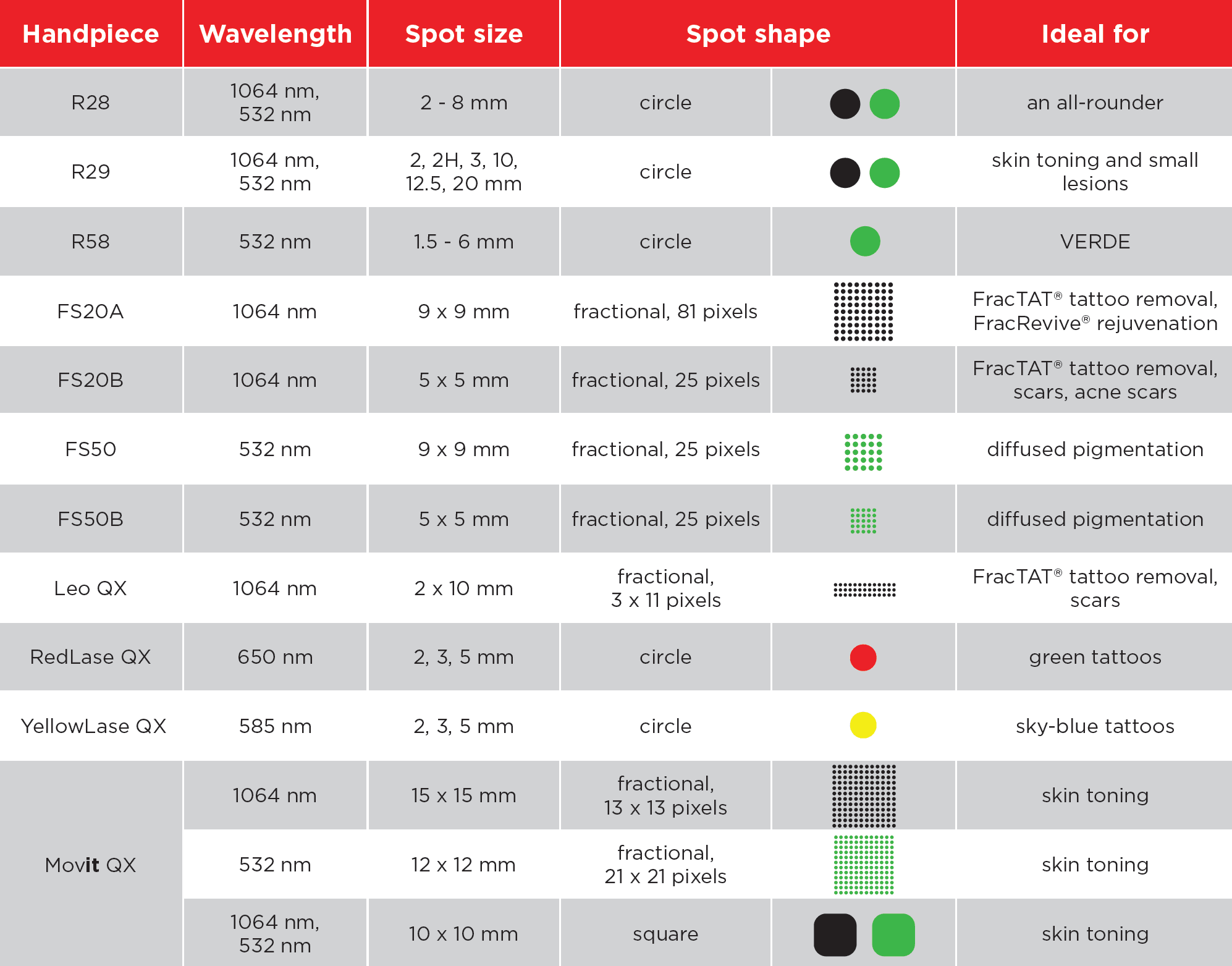
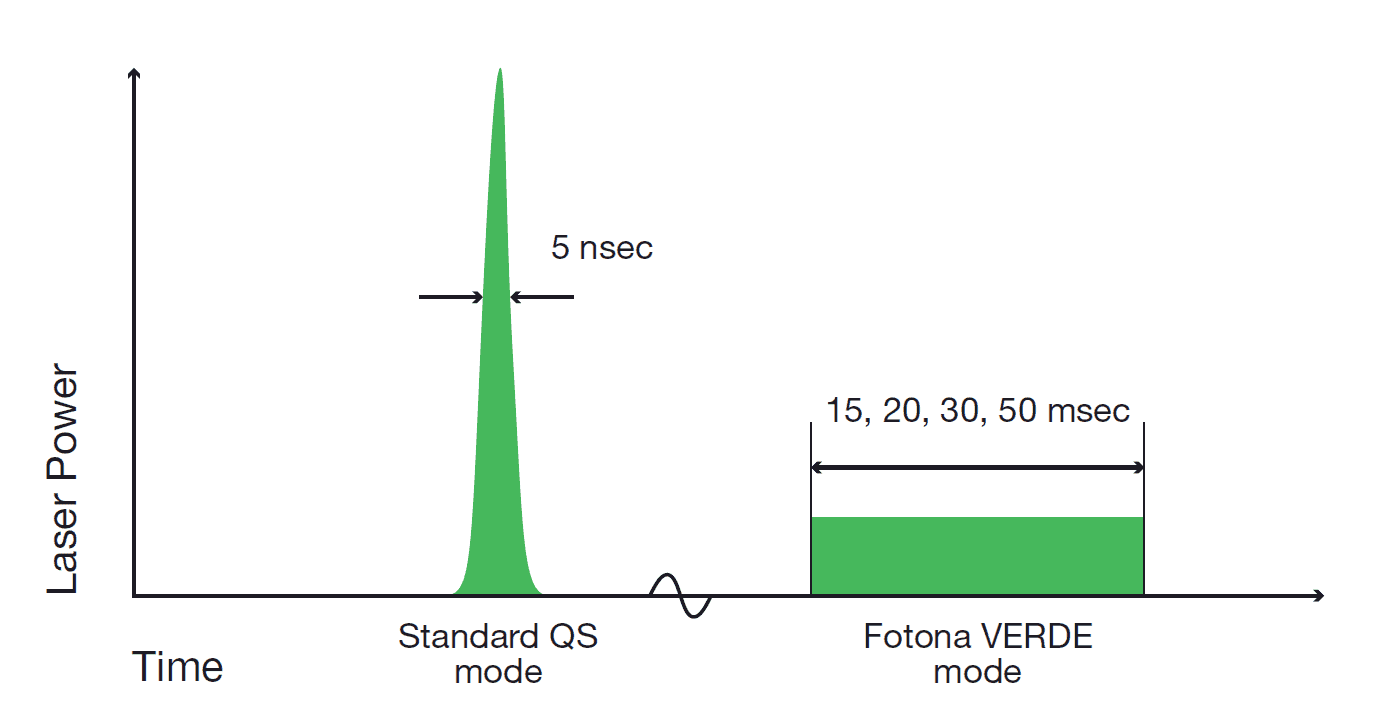
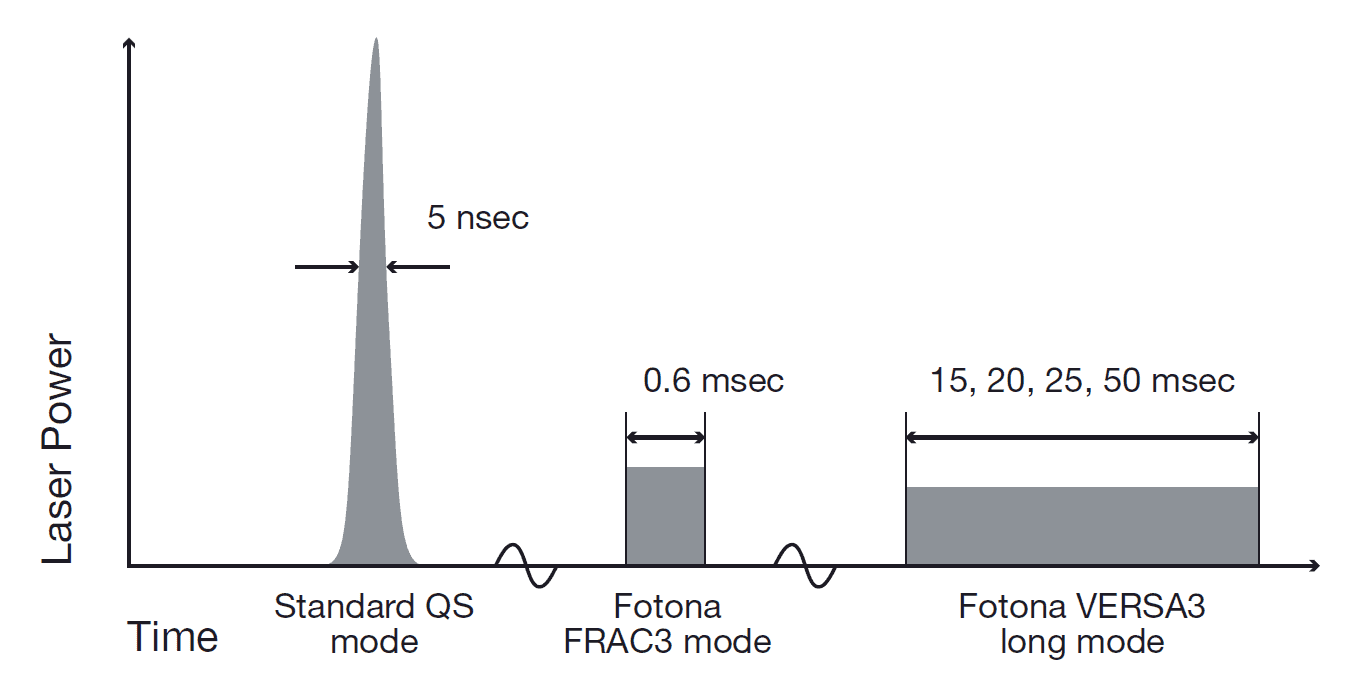
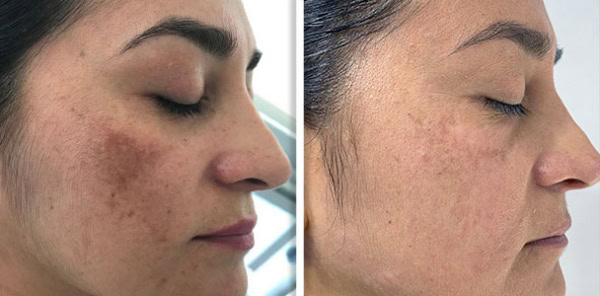
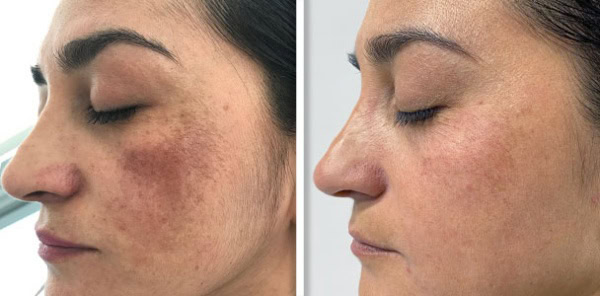
Pigment and tattoo work requires a different type of laser technology from routine skin tightening or resurfacing.Fotona’s StarWalker range is designed around very short, high-energy pulses and multiple wavelengths for pigment, tattoo and skin-quality applications.
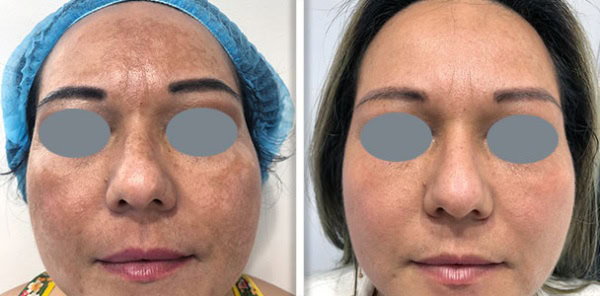
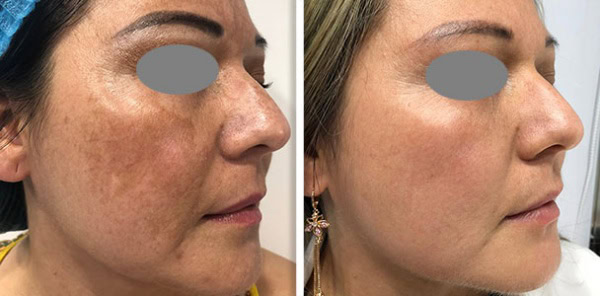
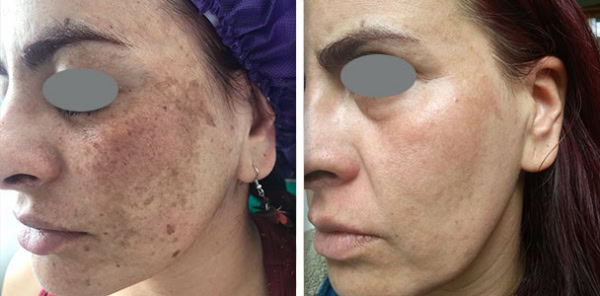
StarWalker PICO Pro brings picosecond technology into the range, while StarWalker MaQX uses high-performance Q-switched technology. These systems are more logical choices for clinics where tattoo removal, melasma, pigmentation or photo-rejuvenation make up a meaningful part of the diary.
This is an important buying point: a broad platform such as SP Dynamis and a specialist StarWalker system should not be treated as interchangeable simply because both carry the Fotona name.
Fotona Dental Laser Machines
Fotona also has a separate dental laser range.
LightWalker
LightWalker is designed for hard- and soft-tissue dentistry. Depending on the model, it combines Er:YAG and Nd:YAG technologies and supports applications across restorative dentistry, periodontics, endodontics, implant dentistry and oral surgery. For dental practices, the value lies in being able to use laser technology beyond a single soft-tissue procedure.
SkyPulse
SkyPulse offers an Er:YAG-focused route into laser dentistry. It may suit practices that want to introduce laser-assisted dental procedures without necessarily starting with the wider configuration of a dual-wavelength LightWalker system. The right dental platform should be selected around the procedures the practice performs regularly, not simply around the highest available specification.
What Treatments Can a Fotona Platform Add to Your Clinic?
The answer depends on the system.
- An aesthetic clinic might build services around skin tightening, facial rejuvenation, resurfacing, scars, vascular concerns, body contouring, hair reduction or selected pigmentation treatments.
- A facial practice may concentrate on Fotona4D, SmoothEye and LipLase.
- A pigment-focused clinic may have a stronger commercial reason to choose StarWalker.
- A dental clinic has a completely different workflow and may need LightWalker or SkyPulse.
That distinction is exactly why we recommend choosing the laser around your “real treatment menu” rather than buying a machine first and trying to invent demand afterwards.
Fotona Services Patients Are Already Searching For
Fotona technology supports several named treatments that can help clinics build a clearer patient-facing menu. Relevant examples include “Fotona4D®” for multi-level facial rejuvenation, “SmoothEye®” for the periocular area, “TightSculpting®” for non-invasive body treatments and “NightLase®” for selected snoring-related applications. Other systems support skin resurfacing, scar work, hair reduction, vascular treatments and pigmentation procedures. The important point for a clinic is not how many treatment names can fit on a brochure. It is how many of those services match genuine patient demand in your area and your team’s clinical competence.
Multi-Application or Specialist Machine?
This is one of the most useful questions to answer before you ask for a quote.
- A “multi-application platform” can make sense when your clinic treats a broad mix of concerns and wants one machine working across several days and patient groups.
- A “specialist platform” may make more sense when a single category already has strong demand. A busy tattoo-removal clinic, for example, may gain more from a StarWalker system than from buying a general platform simply because it can perform more applications overall.
Neither route is automatically more profitable. Machine utilisation matters far more than the number of treatments printed on the specification sheet.
Think About the Full Cost, Not Just the Purchase Price
A laser purchase affects more than your equipment budget. Before choosing a system, consider practitioner time, treatment-room use, servicing, training, accessories, consumables where applicable and what happens if the machine is temporarily unavailable.
Also consider how quickly the treatment menu can realistically be launched.A machine that supports 50 services has little commercial advantage if the team is confident delivering only three of them.For that reason, return on investment should be built from realistic patient numbers and treatment pricing rather than ideal-case projections.
Training Is Part of the Investment
A professional laser is only as useful as the team using it. Fotona UK provides manufacturer training and ongoing clinical education for users. Training covers practical laser use and helps practitioners understand treatment protocols, laser-tissue interaction and safe handling. Continued learning matters because a multi-application laser may become more valuable over time as the clinic adds appropriate treatments rather than trying to launch every possible application at once. Fotona users also have access to educational events, workshops and clinical resources through the wider Fotona and Laser and Health Academy network.
Support and Servicing After You Buy
Equipment downtime is often missing from laser-buying conversations. For a clinic, however, a machine that isn’t working can mean cancelled appointments and lost revenue.
Fotona UK provides technical support, routine maintenance and emergency assistance through certified service engineers. Annual servicing is recommended, with different service-plan options available according to clinic needs. That ongoing relationship matters. The purchase is only the beginning of the machine’s working life.
UK Laser Safety and Clinic Responsibilities
Professional lasers need appropriate governance. Your responsibilities depend on the device, how it is being used, the practitioners involved and the rules applying to your setting. Clinics should have suitable laser-safety procedures, staff training, risk controls and maintenance arrangements in place.
Buying a recognised medical laser does not remove the clinic’s responsibility to operate it safely. If you’re new to laser treatments, build safety, training and room requirements into the purchase plan from the start rather than dealing with them after installation.
Why Work with Fotona UK?
Fotona UK is operated by Castle House Medical and supports clinics across the UK and Ireland.The team helps practices compare systems, arrange demonstrations, introduce the equipment and continue developing their laser services after purchase. Clinical education is led by Dr Tanja Phillips, Fotona UK’s director and lead trainer, who has more than 30 years of clinical experience and has used Fotona technology within her own clinic businesses.
That practical experience matters. Advice about a machine is more useful when it includes what happens after the laser arrives: staff confidence, treatment rollout, patient communication and ongoing support.
Buying Your First Fotona Laser?
You don’t need to know the exact model before speaking to us.
A useful first conversation covers:
- what your clinic currently offers;
- which patient concerns you see most often;
- which treatments you want to introduce;
- who will operate the system;
- the space available in your clinic;
- your preferred investment or finance approach.
From there, we can narrow the options and arrange a demonstration of the systems that genuinely fit your practice.
Discuss Your Clinic Requirements
Already Using Laser Technology?
If you’re replacing an older system or expanding an established laser service, the conversation is different. You may be looking for broader treatment capability, faster workflow, stronger support or a platform that reduces the need for several separate devices. Bring us your current treatment mix and what your existing machine cannot do. That gives us a much more useful starting point than simply recommending the newest Fotona platform.
Request a Fotona Laser Demonstration
Buying professional laser equipment deserves more than a brochure. A live demonstration lets you see the system, understand the workflow and ask practical questions before making a decision. Speak to Fotona UK about your clinic and the applications you’re considering. We’ll help you identify the most relevant machines and explain the next steps.
FAQs
How much does a Fotona laser machine cost in the UK?
Fotona systems vary considerably in configuration and treatment capability, so there is no single meaningful price for every machine. Speak to Fotona UK for current pricing, available finance options and a recommendation based on your clinic requirements.
Which Fotona laser is best for an aesthetic clinic?
It depends on your treatment mix. SP Dynamis and Dynamis Max suit broad multi-application clinics, while TimeWalker Fotona4D is more focused on facial aesthetics. StarWalker systems are stronger choices when pigment and tattoo treatments are central to the business.
Can one Fotona laser perform several treatments?
Yes. Several Fotona systems are multi-application platforms. SP Dynamis Nx Line, for example, combines Er and Nd technologies and supports a broad range of aesthetic applications. The exact treatments available depend on the system, accessories, configuration and practitioner training.
Does Fotona UK provide training and servicing?
Yes. Fotona UK provides manufacturer training, ongoing clinical support and technical servicing. Its service team offers routine maintenance and assistance for existing Fotona users.
Can I see a Fotona laser before buying?
Yes. Fotona UK offers live demonstrations so prospective buyers can see relevant systems in use and discuss treatment applications before choosing equipment.

© 2026 Fotona Lasers - UK & Ireland. All Rights Reserved.
Fotona UK is a trading name of Castle House Medical Limited. Company number: 11064428.
Worthy House, 14 Winchester Road, Basingstoke, Hampshire, United Kingdom, RG21 8UQ
Call Sale: 01184 300 005
info@fotonauk.co.uk
Website powered by King Orange.