

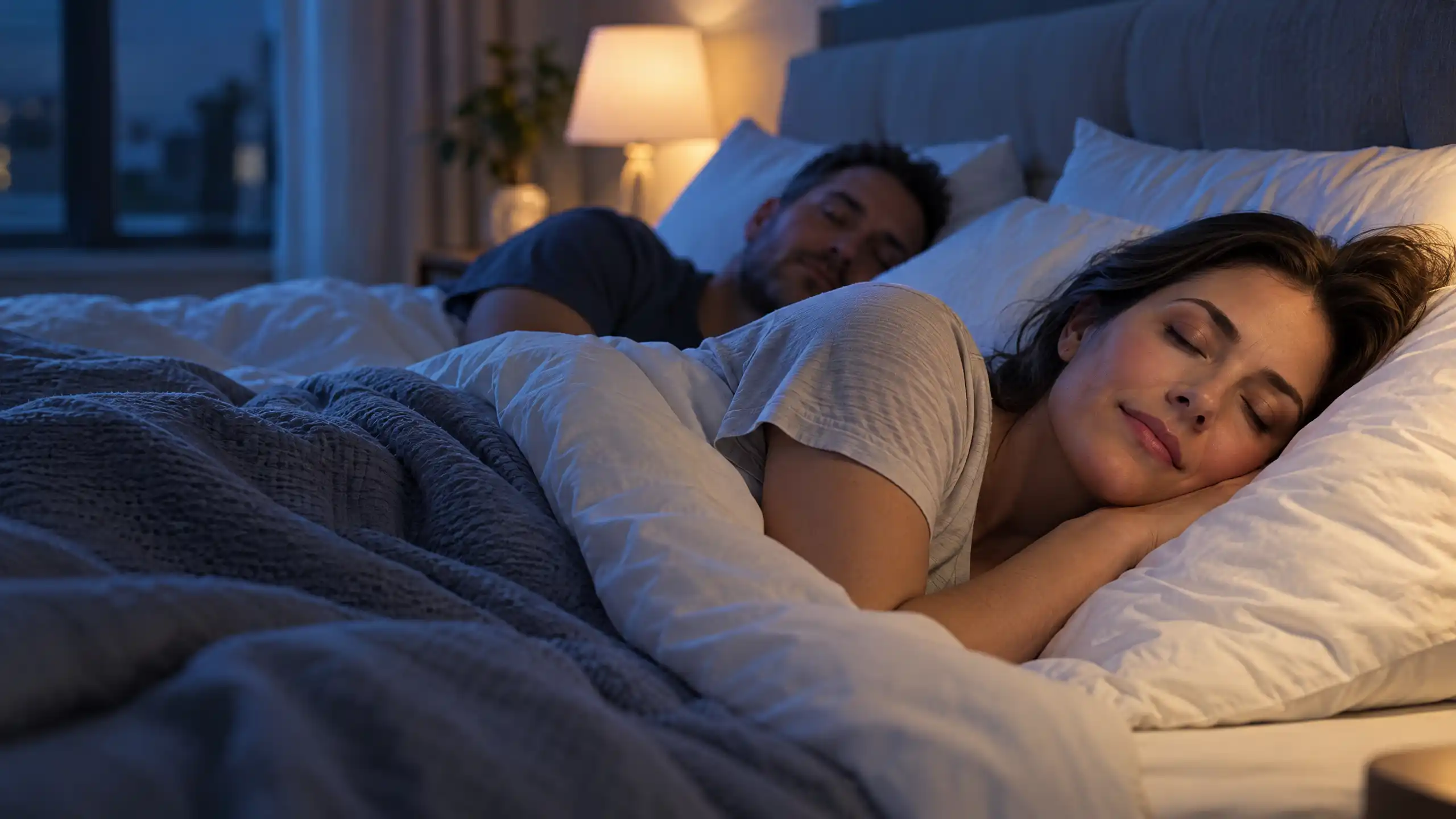
Almost everyone snores sometimes, but if you’re sawing logs every single night, it can turn into a real headache. Between keeping your partner awake and the embarrassment of it all, it’s exhausting—and it can sometimes point to an underlying health issue. Fortunately, you don’t need surgery to fix it; NightLase® is a quick laser treatment that helps reduce snoring so everyone can sleep a little easier. It works by gently heating tissues at the back of the mouth to make them firmer and less likely to vibrate during sleep.
But can it help people who have been snoring for years? And how do you know whether you’re suitable? Let’s look at how the treatment works, what the research shows and when medical advice should come first.
TL;DR
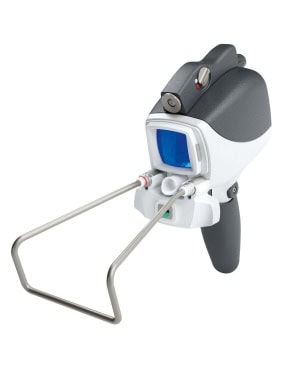
Fotona NightLase uses a 2940 nm Er laser to tighten soft tissues inside the mouth and help reduce snoring.
Research points to NightLase being a great option if your snoring comes from loose throat tissue. It won’t necessarily stop the snoring 100%, and you might need touch-ups down the line, but it helps. However, if you’re stopping breathing in your sleep, waking up choking, or feeling constantly wiped out, you need to get checked by a doctor for sleep apnea. Fixing a snoring problem always comes down to treating the root cause, not just looking at how long you’ve been sawing logs.
Can Fotona Laser Treat Chronic Snoring?
Yes. NightLase works by using gentle laser heat to tighten up the loose tissue around your throat and soft palate—all without the need for surgery. While studies show it can definitely dial down the volume and severity of chronic snoring for a lot of people, keep in mind that everyone’s results will look a bit different. NightLase is not a proven cure for obstructive sleep apnoea, and patients should be assessed before treatment.
Why Do Some People Snore Every Night?
Snoring basically happens when air squeezes through a tight airway, making the relaxed tissues in your throat flutter and vibrate. These tissues may include the soft palate, tongue and surrounding areas of the throat.
Some people only snore after drinking alcohol or sleeping on their back. For others, snoring is an almost nightly battle. A whole range of factors can cause it—from carrying extra weight, stuffy nasal passages, smoking, and evening drinks, to simply the unique shape of your mouth and throat. Age plays a role too: as throat tissues lose their firmness over time, they flutter and vibrate much more easily during sleep. That said, heavy snoring doesn’t automatically mean your soft palate needs tightening; there could be other reasons behind the noise. The cause must be understood before choosing a treatment.
What Is Fotona NightLase Treatment?
Fotona NightLase is a non-invasive laser procedure designed to reduce snoring by treating selected soft tissues inside the mouth.
You won’t have to worry about invasive surgery here—that means no scalpels, stitches, or cutting away throat tissue. Instead, gentle laser energy is directed right at the areas triggering your snoring.The aim is to improve tissue firmness, reduce vibration and make snoring less noticeable.
NightLase is generally performed in an outpatient clinical setting. Patients don’t need to wear a device at night as part of the laser procedure itself.
How Does Fotona Laser Treatment Reduce Snoring?
NightLase uses a type of laser called Er, which operates at a wavelength of 2940 nanometres (nm).This wavelength is strongly absorbed by water, which makes up a large part of the body’s soft tissues.
Gentle Heating of Throat Tissue
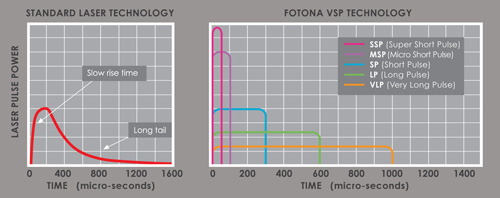
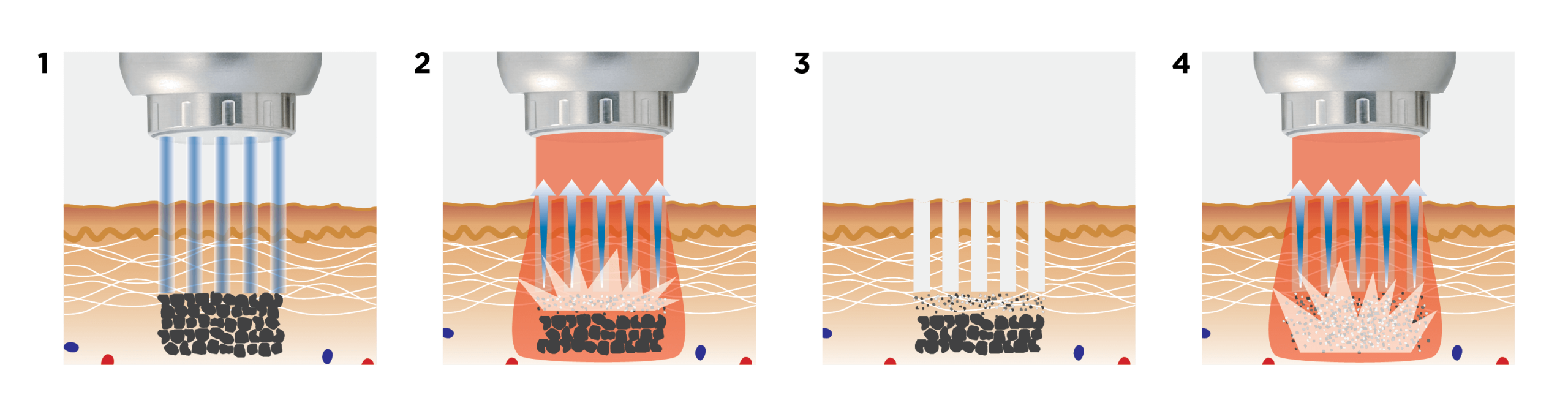
Fotona uses a special setting known as SMOOTH mode. Instead of removing any tissue, the laser uses precise pulses of gentle heat to treat the target areas. Treatment usually focuses on the soft palate and surrounding tissues right at the back of your mouth.
Collagen Tightening
Collagen is a natural protein that helps tissues maintain their strength and structure.
Controlled heating encourages existing collagen to contract and can stimulate longer-term tissue remodelling. As the treated tissue becomes firmer, it may vibrate less during breathing.The important point is that NightLase aims to change how the tissue behaves. It doesn’t remove every possible cause of airway narrowing.
Does Fotona NightLase Really Work for Chronic Snoring?
Clinical research suggests that NightLase can reduce snoring in selected patients, although the evidence doesn’t support promising a permanent cure.
A randomised controlled trial published in the European Archives of Oto-Rhino-Laryngology studied 40 adults. Participants received either three NightLase treatments or a sham procedure.
People who tried NightLase in clinical studies noticed a big difference, and their partners finally got some peace and quiet. Newer 2025 research agrees that it dials back the noise, though the jury’s still out on how long those results last. Just keep one thing in mind: turning down the volume on snoring isn’t the same as actually treating sleep apnea.Someone may snore more quietly after treatment without necessarily having normal breathing throughout the night.
Who May Benefit from NightLase?
NightLase may be worth considering when snoring is mainly associated with vibration of soft tissues around the palate and throat.
Adults who have tried simple measures without enough improvement may want to discuss the treatment with an appropriately trained practitioner.
However, not everyone is a suitable candidate.
For example, a person whose snoring is mainly caused by a blocked nose may benefit more from investigating the nasal problem.
Large tonsils, significant excess weight or other forms of airway narrowing may also require a different approach.
To get it right, a proper consultation needs to look at the whole picture—your health history, mouth structure, weight, any medications you take, and how you actually sleep.
When Should You See a GP First?
Sometimes snoring points to a deeper issue like sleep apnea, where you pause or struggle to breathe throughout the night. If you’re choking or gasping in your sleep—or perpetually wiped out during the day—it’s definitely time to get evaluated by a healthcare professional. Waking up with morning headaches or feeling completely unrefreshed are also big clues that it’s time to get checked out.
If sleep apnoea is suspected, a GP may arrange a sleep assessment. Laser treatment should not delay this process.
What Happens During a NightLase Session?
Treatment begins with an assessment to establish whether NightLase is appropriate.
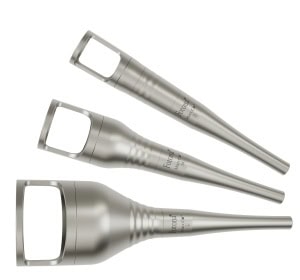
During the procedure, the practitioner uses a specialised handpiece to deliver laser energy to selected areas inside the mouth.
Most patients describe a warming sensation. The practitioner controls the settings and treatment areas according to the clinical protocol.A small randomised trial reported that local anaesthetic was not required, although comfort can vary.
Fotona’s UK information describes a typical course of three sessions over approximately six weeks. Other treatment programmes may differ depending on the patient’s needs.
Because no surgical incision is made, recovery is generally quicker than with operations that remove throat tissue. Many patients can return to normal activities soon afterwards, following their practitioner’s advice.
What Are the Benefits and Limitations?
What makes NightLase stand out is that it tackles soft tissue snoring hassle-free. There are no masks or oral appliances required, and none of the cutting associated with conventional throat surgery.However, its limitations are equally important.
NightLase cannot correct every anatomical cause of snoring. It doesn’t directly treat a blocked nose, and it cannot guarantee that the airway will stay open during sleep.
The treatment may reduce the noise without completely eliminating it. Some patients will experience less improvement than others.For that reason, NightLase should be considered as one possible treatment rather than a universal solution.
Is Fotona Laser Snoring Treatment Safe?
NightLase is designed to heat oral soft tissues without removing them, but no medical laser procedure is completely risk-free.Possible short-term effects include warmth, throat discomfort, temporary irritation or soreness. Inappropriate laser delivery could also cause unwanted thermal injury.
In the 40-person randomised trial, treatment was generally well tolerated and no complications were reported. However, a small study cannot rule out uncommon side effects.
An appropriately trained practitioner should review your medical history, examine the treatment area, explain possible complications and discuss what to expect afterwards.
How Long Do NightLase Results Last?
NightLase results are not necessarily permanent.
While laser treatment tightens the tissue initially, it can’t stop aging or the underlying causes of snoring. You might enjoy peace and quiet for months, or you might find the noise gradually returning. Research shows encouraging short-term progress, but high-quality evidence on long-term permanence just isn’t there yet.
Maintenance treatment may be considered after reassessment. It shouldn’t be assumed that everyone needs the same schedule.Changes in body weight, alcohol consumption, sleeping position and nasal health can also affect the results.
NightLase vs Other Snoring Treatments
Not everyone who snores needs laser therapy. The NHS recommends starting with practical steps such as sleeping on your side, reducing alcohol, stopping smoking and losing weight if you’re overweight.For some people, these changes are enough to make a difference.
NightLase vs Oral Appliances
A mandibular advancement device is worn during sleep and moves the lower jaw forwards to help maintain space in the airway.This may be useful when jaw or tongue position contributes to the problem.
NightLase works differently. It aims to reduce vibration through tissue tightening, without a device worn during sleep.
NightLase vs CPAP
With CPAP, gentle air pressure flows through a mask to stop your throat from closing up so you can breathe easily all night.
It is an established treatment for obstructive sleep apnoea.
NICE recommends CPAP for people with moderate or severe OSA and for some people with symptomatic mild OSA.NightLase is not an equivalent replacement for CPAP. Patients diagnosed with sleep apnoea should discuss treatment choices with a sleep specialist.
How Can You Tell Whether Treatment Has Helped?
For people with longstanding snoring, assessing the results should involve more than remembering whether one particular night was quieter.It can help to keep a simple record of how often snoring occurs, whether a partner notices changes and whether sleep feels more refreshing.
A partner’s observations may be particularly useful because people often aren’t aware of their own snoring.However, recordings and snoring apps cannot reliably confirm that sleep apnoea has been treated. Anyone with diagnosed OSA needs appropriate medical follow-up and, where indicated, repeat sleep testing.
Is Fotona Worth Considering for Chronic Snoring?
If your nightly snoring comes from soft throat tissue vibrating, Fotona NightLase provides a simple, non-surgical route. You get the benefit of dialing down the noise without going under the knife—though it won’t fix every root cause, and individual results differ. Before jumping into treatment, pinpointing why you snore is what really matters. Take a closer look at how NightLase works, or book a quick chat with a specialist to find the right fix for your sleep.
Frequently Asked Questions
Can Fotona NightLase completely stop chronic snoring?
While NightLase can dial down snoring dramatically, it isn’t a magic button that stops it for everyone. Things like where the sound starts, your throat structure, weight, and sleeping habits all make a difference. While some get major relief, others only notice small tweaks—so having a doctor check things out is the best way to know if it’ll work for you.
Can NightLase treat obstructive sleep apnoea?
NightLase is great for quietening down snoring, but it isn’t a replacement for CPAP or proven sleep therapies. Because sleep apnea interrupts your breathing all night long, getting checked by a doctor is crucial. Remember, just because a laser turns down the volume on your snoring doesn’t mean your underlying breathing issue is actually fixed
How many Fotona NightLase sessions are needed?
Fotona UK’s published NightLase information describes a typical course of three sessions over around six weeks. However, the number of treatments may vary according to the clinical protocol and individual response. Some patients may need reassessment or maintenance treatment later. A practitioner should explain the proposed schedule and its supporting evidence before treatment begins.
Is NightLase better than traditional snoring surgery?
Instead of cutting out tissue, NightLase simply tightens what’s already there. Bypassing surgery is a huge perk, but it won’t fix every type of snoring. Getting the right results always starts with uncovering the root cause of your snoring and talking through your options with a professional.
Can chronic snoring return after Fotona laser treatment?
NightLase isn’t a permanent shield against snoring—aging, weight changes, and daily habits continue to affect your airway over time. You might benefit from occasional top-up sessions, though the long-term data on maintenance is still fairly light. That said, if your snoring comes back with breathing pauses or daytime fatigue, skip the touch-up and head back to a healthcare professional for a proper checkup.