

Fotona laser treatment can provide benefits to some people with thinning hair. However, it is not a guarantee that you will stop losing hair entirely. Whether you benefit will depend on what is causing the hair loss and if your hair follicles are still able to create hair.A non-invasive and injection-free laser treatment called HAIRestart has been developed by Fotona. Research has shown positive improvements in the appearance of hair, however there is a need for further evidence to understand the long term outcomes.If you’re wondering whether laser treatment is worth considering, here’s what the technology does, what the studies tell us and who might benefit.
TL;DR
Fotona HAIRestart is a non-invasive laser treatment designed to encourage hair growth in people with thinning hair. This treatment uses a 2940nm Er laser to gently heat the scalp.There is some evidence from small studies that this can improve hair thickness and quality, especially for those with male or female pattern hair loss. It is not a cure and more evidence is needed on long term results.
If the cause of hair loss is unknown then anyone experiencing abrupt hair loss, patchy hair loss with no known cause or scalp irritation should see a medical professional.
Quick Answer
Fotona laser systems may help reduce the appearance of hair thinning in suitable patients. The HAIRestart treatment uses non-ablative ER laser energy to stimulate existing hair follicles. Clinical studies have reported improvements in hair appearance, but results vary. The treatment cannot reliably restore permanently destroyed follicles or cure every type of hair loss.
What Is Fotona HAIRestart?
Fotona HAIRestart is a laser treatment developed to support hair growth without surgery.It does not involve transplanting hairs from one area of the scalp to another like a hair transplant. Instead controlled heat is applied to areas of thinning hair.The treatment is designed to encourage biological activity around existing follicles, which may help improve hair quality and density.
Fotona describes HAIRestart as a non-ablative procedure. This means the laser is used to heat tissue without deliberately removing the outer layer of skin.It’s mainly being investigated for androgenetic alopecia, commonly known as male or female pattern hair loss.
How Does Fotona Laser Treatment Work for Hair Loss?
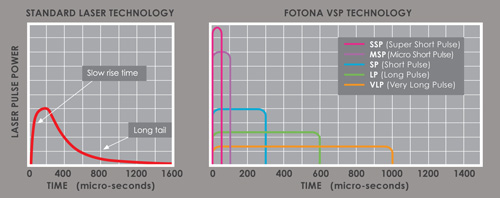
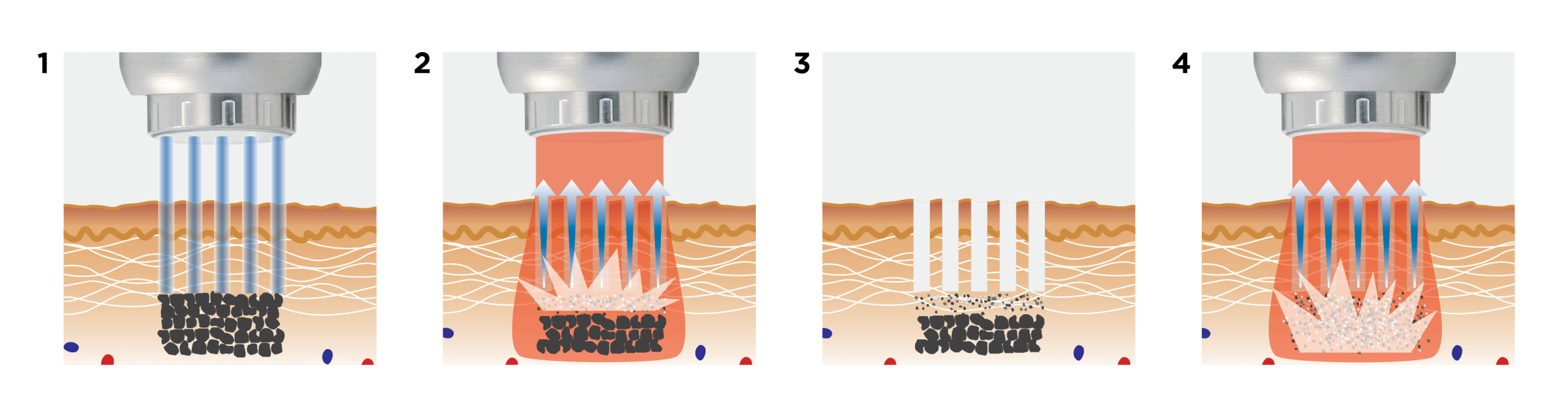
HAIRestart uses a 2940 nm ER laser with Fotona’s SMOOTH mode.This wavelength is strongly absorbed by water in the skin. SMOOTH mode delivers a controlled sequence of pulses that produces gentle heating rather than significant surface removal.
This can cause changes to the signals and processes in the tissue which aid repair and hair cycle.
Why are hair follicles important?
Hair is grown by follicles on your scalp. These follicles go through a cycle of active growth, transitional growth and resting phase.In pattern hair loss the follicles shrink over time, meaning they will grow finer and shorter hairs.
Laser treatment helps encourage the remaining follicles to grow hair.
However, once a follicle has been permanently destroyed, laser energy cannot reliably bring it back.This is one reason why diagnosing the type and stage of hair loss matters before starting treatment.
Can Fotona Laser Systems Really Stop Hair Loss?
Fotona laser therapy may improve hair growth, but currently there is no evidence to suggest it prevents permanent hair loss.
A study was carried out in 2025 which looked at patients with androgenetic alopecia (n=32) receiving 6 non-ablative Er lasers spaced 2 weeks apart (Dermatologic Therapy). The study showed improvement in hair appearance. However, there was no control group and the follow-up time was short.A systematic review was also carried out in 2025 showing positive outcomes with erbium laser therapy. However there was variation in methodology.
Most recently, a meta-analysis and systematic review was carried out looking at 1097 people. The study (published in May 2026) showed that fractional laser therapy may improve hair density in patients with androgenetic alopecia. However not all lasers used in the study used Fotona’s HAIRestart protocol. More controlled studies are needed before making stronger claims about long-term success.
Which Types of Hair Loss May Respond?
Male and Female Pattern Hair Loss
People with early or moderate androgenetic alopecia may be potential candidates for HAIRestart.In this condition, hair follicles gradually shrink, often causing a receding hairline, thinning around the crown or a wider parting.
Laser treatment may help improve hair appearance while follicles remain active. It doesn’t remove the genetic or hormonal influences responsible for the condition.
Sudden or Temporary Hair Shedding
Hair can also fall out following illness, childbirth, significant stress, rapid weight loss or nutritional problems.This is sometimes called telogen effluvium.
The British Association of Dermatologists explains that this type of shedding often improves once the underlying trigger settles.Laser treatment doesn’t correct iron deficiency, thyroid problems or other medical causes of hair loss. Treating the cause may be more useful than attempting to stimulate the scalp.
Patchy or Scarring Hair Loss
Sudden bald patches may suggest alopecia areata, while pain, redness, scaling or smooth, shiny areas can sometimes indicate inflammatory or scarring conditions.These problems need medical assessment.
There is insufficient reliable evidence to recommend HAIRestart as a standard treatment for all types of Alopecia. However, it is important that scarring alopecias are diagnosed early due to their ability to cause permanent damage to hair follicles.
Number of Fotona Hair Restoration Sessions
This will depend on what protocol you are undergoing, type of condition treating and your personal response.Six sessions were performed every two weeks in 2025 HAIRestart clinical observation.This is a published research schedule, not a fixed requirement for every patient.
Hair grows slowly, so visible changes may take several months. Results should be reviewed using consistent photographs and, where appropriate, scalp measurements.
A practitioner should explain the proposed course, likely treatment costs and review appointments before treatment begins.
What Happens During a Fotona Hair Treatment?
Treatment should begin with an assessment of the scalp and hair-loss history.Examines patterns of hair loss, looking for signs of inflammation. The patient will be asked about any medical problems, medications and recent changes.
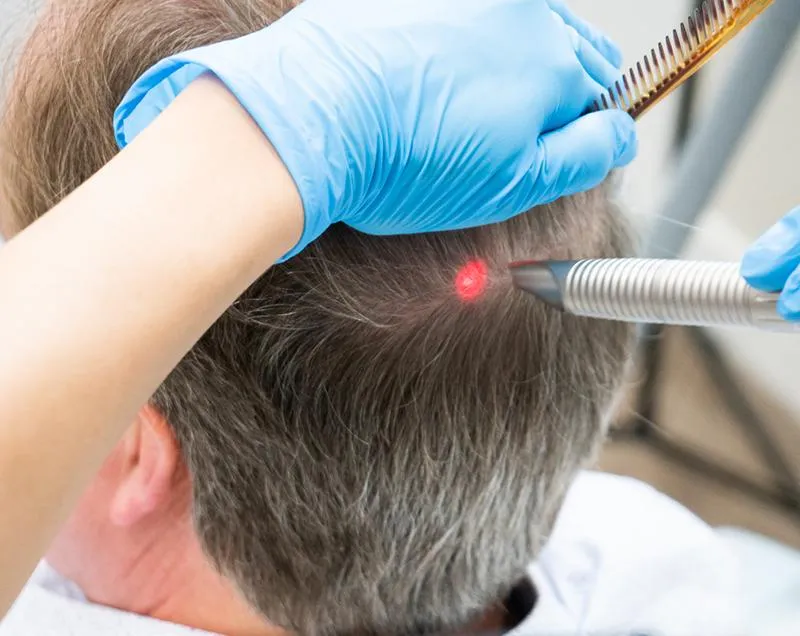
Specific areas of the scalp are treated with controlled amounts of energy by the laser handpiece. Correct eye protection is required.Some patients may feel a warming sensation. There may be some temporary redness and scaling.
As Hairrestart is a non-ablative treatment there will usually be no open wounds. Recovery time will depend on the treatment parameters and how your skin reacts.
Is Fotona Laser Hair Restoration Safe?
HAIRestart is designed to limit damage to the skin surface, but no medical laser treatment is completely risk-free.Possible reactions include temporary redness, discomfort, dryness or scaling. Incorrect treatment settings can also increase the risk of unwanted tissue injury.
An active scalp infection, unexplained inflammation or another untreated scalp condition may make laser treatment unsuitable until further assessment.The practitioner should review your medical history, examine your scalp and explain the possible risks.
For people with sudden or unexplained hair loss, the NHS advises speaking to a GP before approaching a commercial hair-loss clinic.
Fotona HAIRestart vs Other Hair Loss Treatments
HAIRestart vs Minoxidil and Finasteride
Minoxidil and finasteride are established treatments for some forms of pattern hair loss.Minoxidil is applied to the scalp and may help slow thinning or encourage regrowth. Finasteride is a prescription medicine used for male pattern hair loss.
HAIRestart works differently because it uses laser energy rather than medication.Some research has explored combining lasers with minoxidil, but the results of these studies cannot automatically be applied to every HAIRestart protocol.
HAIRestart vs Low-Level Laser Therapy
Low-level laser therapy often uses red or near-infrared light delivered through helmets, combs or caps.HAIRestart uses 2940 nm Er energy with a controlled thermal effect.
Both approaches aim to support hair growth, but they use different wavelengths and treatment methods.
There isn’t enough direct comparative evidence to establish that one is consistently better for every patient.
HAIRestart vs Hair Transplantation
A hair transplant moves suitable follicles from a donor area to parts of the scalp affected by hair loss.HAIRestart doesn’t move or replace follicles.
People with extensive or permanent follicle loss may therefore need to consider different options. A transplant also has limitations, including donor-hair availability, surgical risks and ongoing loss of untreated hair.
Which Fotona Laser Systems Support HAIRestart?
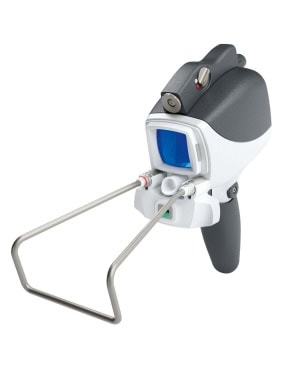
Fotona UK lists HAIRestart among the treatments supported by selected professional laser platforms, including SP Dynamis, SP Dynamis Nx Line and TimeWalker Fotona4D.
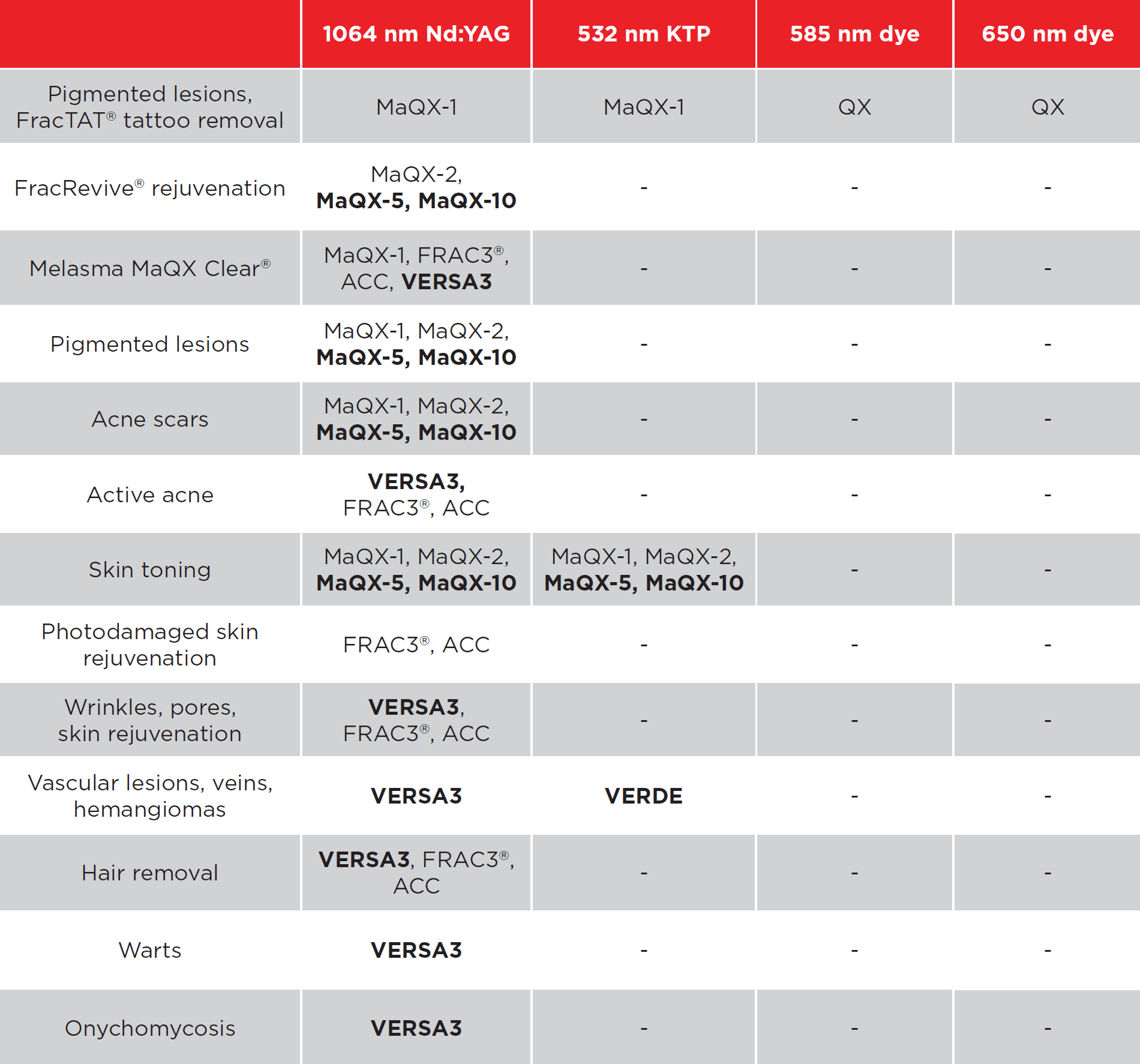
The SP Dynamis laser platform combines 2940 nm Er and 1064 nm Nd wavelengths for different clinical and aesthetic applications.
However, the treatment settings matter as much as the machine itself.For example, some Fotona systems also perform laser hair reduction. Those treatments intentionally target unwanted hair, whereas HAIRestart aims to support existing follicles.
Clinics considering hair restoration laser equipment should therefore compare the specific treatment modes, training needs and clinical evidence rather than relying on the device name alone.
What Should You Consider Before Choosing Laser Hair Restoration?
The first step is understanding why your hair is thinning.
A qualified practitioner should explain whether the loss appears genetic, temporary, inflammatory or related to another condition.How will improvements be measured? What evidence supports the treatment? Are there suitable alternatives?
Be aware of the need for continuous treatment and what will happen if your hair does not respond.Considerations for clinic owners include appropriate training, suitable patient selection, record keeping and laser safety.
Final Thoughts
Fotona laser technology may be a good option for those who suffer from specific types of hair loss such as androgenetic alopecia.
While early studies have shown positive results, it cannot guarantee to stop hair loss completely or regrow a fully bald scalp.You should consider what type of issue you are having with your follicles, the clinical evidence and what your individual requirements are.
It would be best to talk to a qualified health care professional to assess your hair loss and whether a laser therapy is right for you.
Frequently Asked Questions
1. Can Fotona Laser Treatment Permanently Stop Hair Loss?
No. Fotona laser treatment cannot be relied upon to stop hair loss permanently. HAIRestart may help improve hair appearance in suitable patients, but androgenetic alopecia is a progressive condition influenced by genetics and hormones. The long-term durability of laser-treatment results remains uncertain. Depending on the cause of Hair Loss some may require additional treatment.
2. Can Fotona Regrow Hair on a Fully Bald Scalp?
Fotona will not reliably regenerate hair if the hair follicles have been irreversibly damaged. HAIRestart will attempt to stimulate any remaining hair follicle. If there is fully smooth baldness there may be limited scope to regenerate hair. A scalp assessment can help determine if hair follicles are still viable and if a different treatment may be more appropriate.
3. How Long Will It Take to See Hair Regenerate?
As hair follicles have a natural growth cycle it can take time for changes to occur. Patients may see changes throughout their course of treatment. However, visible improvements to hair density may take months to occur. There is no reliable time frame. It is best to monitor patient response by having regular check-ups and keeping a consistent record of photos.
4. Is Fotona Laser Better Than PRP?
There is insufficient good evidence to say that Fotona HAIRestart is consistently better than PRP. PRP involves injecting a concentrated solution derived from patients own blood. This is different to HAIRestart which uses controlled laser energy. It ultimately depends on the diagnosis, evidence, personal preference and assessment by the practitioner.
5. Should I Stop Taking Minoxidil?
Do not stop taking any prescription or recommended treatment for hair loss without speaking to your healthcare professional. Some laser treatments have been studied alongside minoxidil however this does not mean they will all be suitable for you. Your clinician will assess what medications you are currently taking, your scalp condition and goals of treatment to decide if HAIRestart should be used as a standalone treatment.