

In aesthetic medicine, not every device becomes part of the wider beauty conversation. Many lasers stay inside clinical circles, known mainly by practitioners, distributors, and committed skincare patients. Fotona is different. Over the past few years, it has moved beyond trade discussions and into mainstream beauty culture, helped in part by celebrity visibility and public curiosity around non-surgical rejuvenation. For UK clinics, that matters. When a treatment platform starts appearing in celebrity coverage, clinic content, and patient-led searches, it is no longer just a piece of equipment. It becomes a name people ask for.
One of the biggest public moments came when *People* reported that Kim Kardashian tried Skin Thesis’ “4D Tightening Laser” in West Hollywood. According to the clinic’s Instagram, the treatment used Fotona4D and was described as stimulating collagen, remodelling the skin, and adding volume without injectables. That kind of coverage matters because it gives a technical platform a public identity. Patients who might never have searched for an Er:YAG or Nd:YAG laser suddenly start searching for the treatment by name.
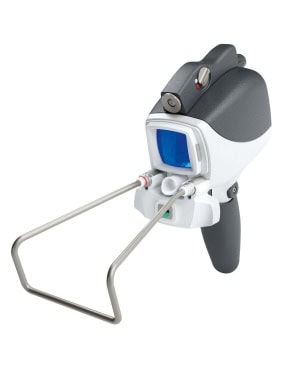
For UK clinics, the question is not whether Hollywood trends should dictate medical decisions. They should not. The real question is whether a treatment gaining celebrity attention also has strong clinical and commercial logic behind it. In Fotona’s case, the answer is that many clinics appear to think so. The brand positions itself around advanced medical laser systems, and its official aesthetics portfolio includes the SP Dynamis multi-application platform and the TimeWalker II Fotona4D system for non-surgical facial treatments.
Why Hollywood attention matters in aesthetic medicine
Celebrity influence has always shaped beauty demand, but today it works faster and more directly. Patients no longer wait for magazines or television interviews. They see a clip, a skincare post, or an article, and then they search on the spot. In practice, this means treatments linked to recognisable names often gain a second life outside the clinic. They become part of everyday beauty language.
That is what makes the Hollywood factor commercially relevant. If a treatment becomes familiar before the patient even books a consultation, the clinic starts the conversation with less friction. Instead of explaining everything from zero, it can respond to an existing enquiry. In other words, celebrity visibility can shorten the path between awareness and consultation. Kim Kardashian’s reported Fotona4D treatment is a clear example of that effect.
Still, attention alone does not create lasting demand. Plenty of celebrity treatments trend briefly and then disappear. For a platform to keep growing, it also needs a reason for clinics to invest in it and for patients to keep asking about it.
Why Fotona stands out from passing beauty trends
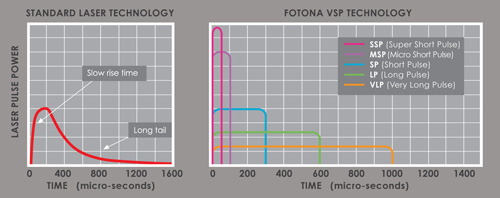
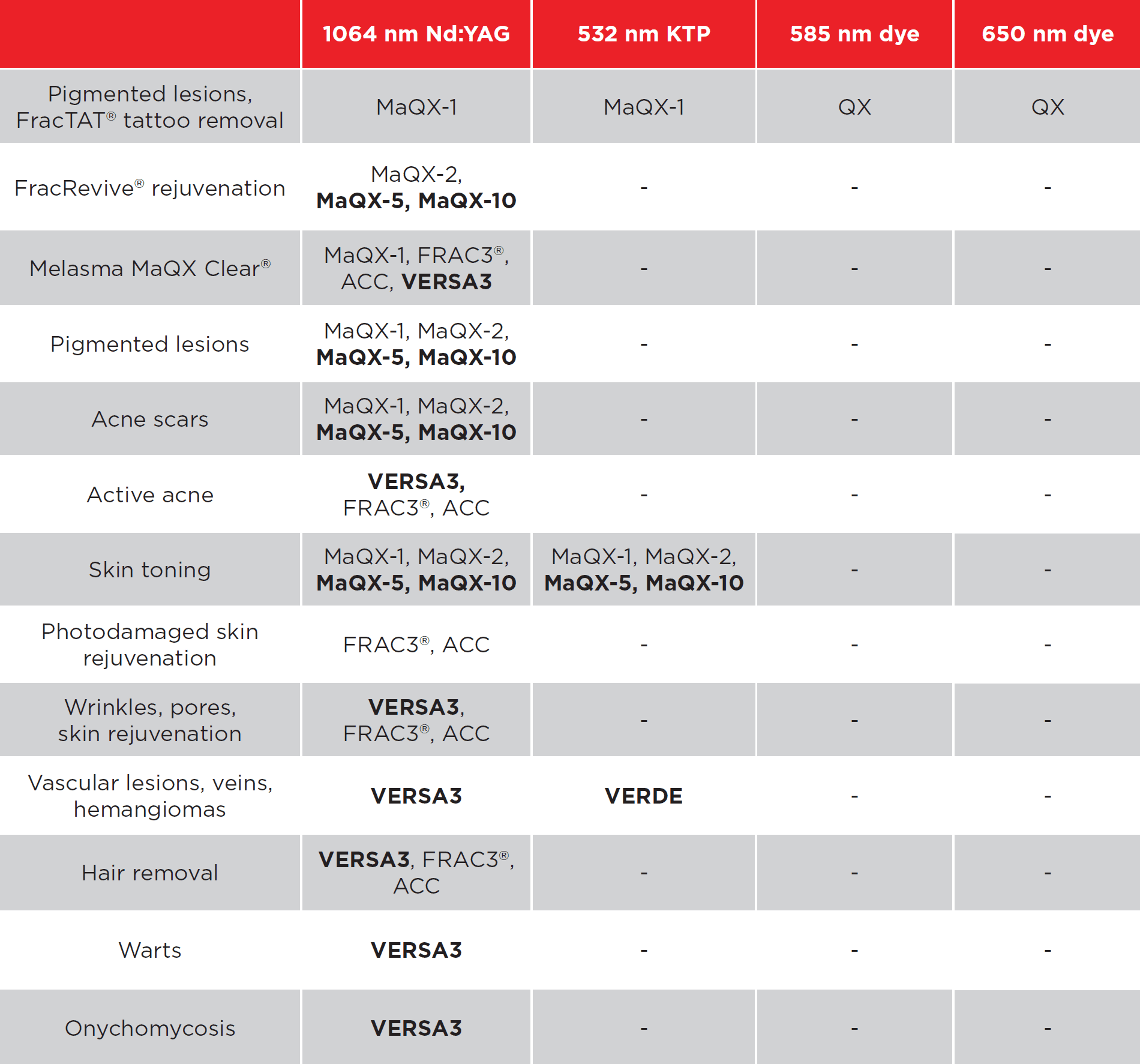
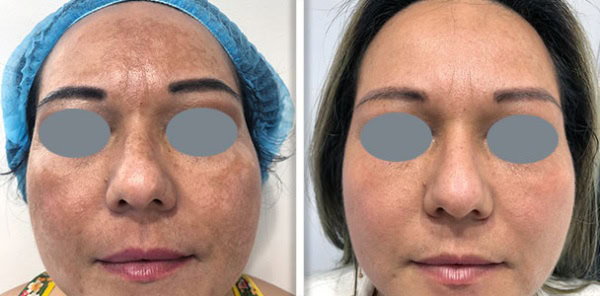
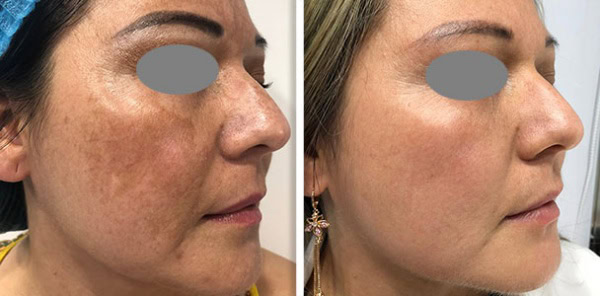
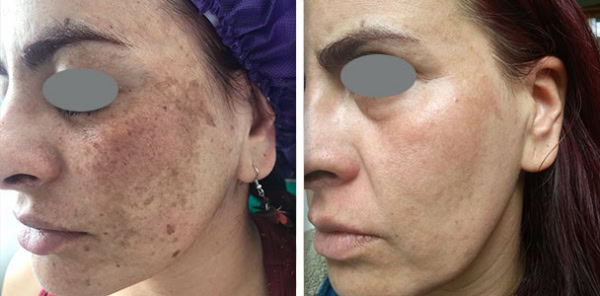
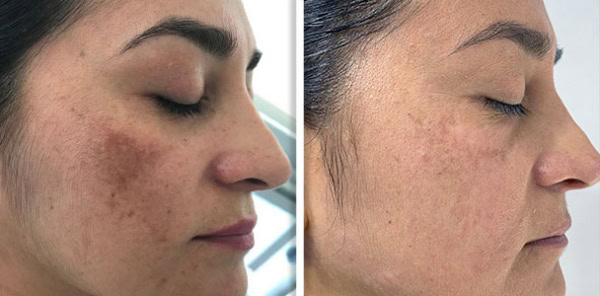
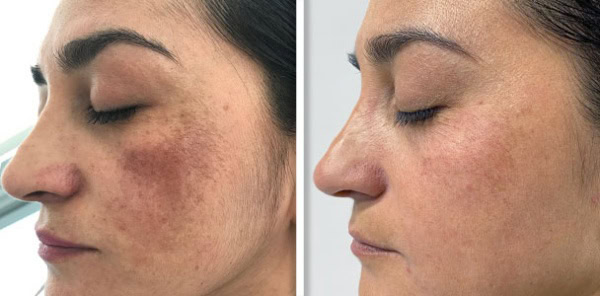
Fotona’s appeal is not built only on celebrity culture. It is also built on versatility. According to Fotona, the SP Dynamis combines two complementary wavelengths, Er:YAG and Nd:YAG, and is designed to perform a broad range of treatments across aesthetics, surgery, and gynaecology. On the aesthetics side, Fotona highlights applications such as facial rejuvenation, skin resurfacing, scar revision, pigmented lesions, vascular lesions, permanent hair reduction, and branded protocols like Fotona4D.
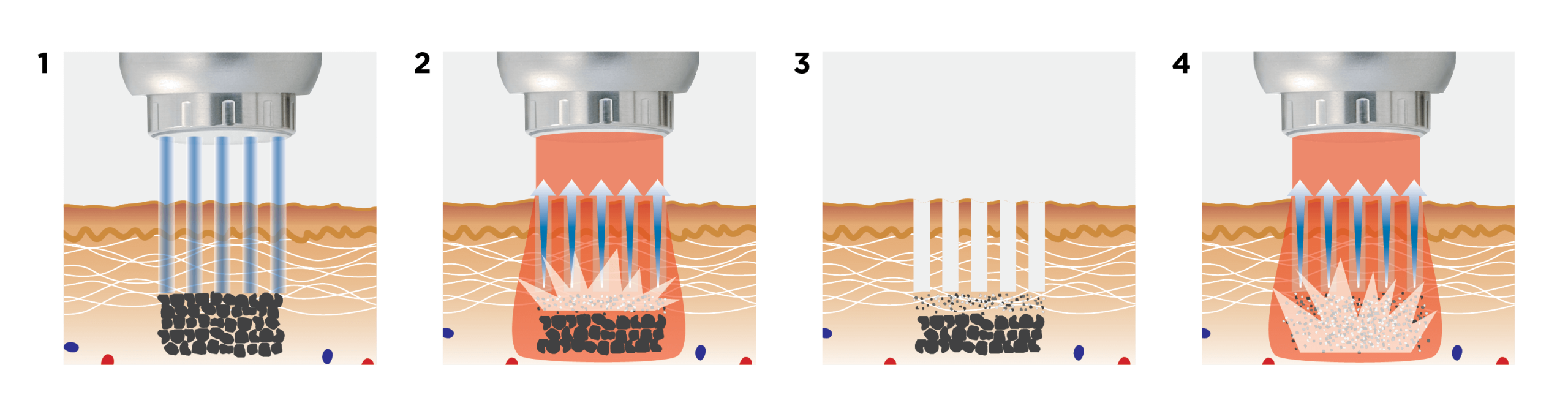
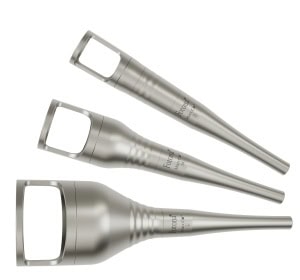
That matters because high-performing clinics do not usually want single-purpose machines unless demand is overwhelming. They prefer platforms that can support several services, several patient types, and several treatment plans. A dual-wavelength platform gives practitioners more room to work at different depths and across different concerns. Fotona describes TimeWalker II Fotona4D as a dedicated Er:YAG and Nd:YAG aesthetic laser system for minimally invasive face and neck treatments, while Fotona4D itself is presented as a non-surgical face-lifting procedure that combines two wavelengths in a staged protocol.
This is one reason the platform keeps showing up in clinic marketing. It is easier to build a premium treatment menu around a recognised system that can do more than one job.
Why UK clinics should pay close attention now
The UK market is moving in the right direction for advanced laser systems. Grand View Research says the UK aesthetic lasers market generated USD 188.5 million in 2024 and is expected to reach USD 481.7 million by 2033, with a projected CAGR of 11.2% from 2025 to 2033. The same source says the UK is expected to record the highest growth rate in Europe over that period. Europe as a whole generated USD 897.1 million in aesthetic laser revenue in 2024, and non-invasive tightening is identified as the fastest-growing application segment.
Those numbers matter because they show this is not just a social media story. It is also a market story. UK clinics are operating in an environment where demand for laser-led aesthetics is growing, and non-invasive tightening is one of the most promising categories. That aligns very closely with the way Fotona is being positioned in both clinic content and official product pages.
Procedure trends support that picture as well. The American Society of Plastic Surgeons reported that skin resurfacing rose 6% in 2024 to more than 3.7 million procedures, while skin treatments using lasers remained above 3.1 million. Although this is US procedure data, it is still useful for understanding broader treatment direction in mature aesthetics markets: demand for technology-led, non-surgical skin improvement remains very strong.
What this means for clinics in practical terms
For a UK clinic, paying attention to Fotona does not necessarily mean rushing to buy a machine tomorrow. It means recognising a shift in patient behaviour. Patients are becoming more brand-aware. They are more likely to search for named treatments rather than general categories. A clinic offering a recognisable platform may find it easier to attract better-informed enquiries than a clinic relying only on generic phrases like “skin tightening” or “laser rejuvenation”.
There is also a portfolio advantage. A clinic that adds a system capable of resurfacing, tightening-style treatments, facial rejuvenation, and other applications has more ways to build packages, follow-up care, and long-term treatment plans. That matters more in the premium end of the market, where patients often want a layered approach rather than one-off visits. This is an inference based on Fotona’s published multi-application positioning and the broader growth of non-invasive laser demand.
Why the Hollywood angle should be used carefully
There is value in celebrity-linked awareness, but clinics should be careful not to overuse it. Patients may first hear about Fotona because of Hollywood, but they usually choose a clinic because of trust, expertise, and realistic consultation. The strongest clinics use celebrity attention as an entry point, not as the whole sales message.
That is especially important in the UK, where patient expectations tend to respond well to calm, credible, medically grounded communication. A clinic can acknowledge that Fotona has celebrity visibility, while still focusing on what actually matters: treatment planning, patient suitability, skin type, expected downtime, and likely outcomes. That approach protects authority while still benefiting from public interest. This is an inference drawn from the contrast between consumer beauty coverage and the medical positioning on Fotona’s own site.
Fotona services
Fotona services are built around advanced medical laser technology designed to support a broad treatment portfolio rather than a single trend-led procedure. Depending on the platform and protocol used, clinics may offer non-surgical facial rejuvenation, skin resurfacing, tightening-style treatments, scar revision, vascular and pigmented lesion work, and other aesthetic applications. With systems such as SP Dynamis and TimeWalker II Fotona4D, Fotona positions itself as a flexible option for clinics that want medical-grade precision, recognised treatment branding, and a service menu that can grow with patient demand.
Final thoughts
The laser Hollywood is talking about is not just interesting because celebrities have mentioned it. It is important because the public attention appears to be landing on a platform that already has strong clinical and business relevance. Fotona has moved into the beauty conversation through celebrity visibility, but it stays there because it offers clinics a serious multi-application system at a time when non-invasive laser demand is growing. For UK clinics, that is the real takeaway. This is not simply a trend to watch from a distance. It is a sign of where patient interest, market growth, and premium treatment branding may be heading next.
FAQs
Q: What laser is Hollywood talking about?
One of the most talked-about examples is Fotona4D, especially after People reported Kim Kardashian trying Skin Thesis’ 4D Tightening Laser, which the clinic identified as Fotona4D.
Q: Why is Fotona getting so much attention?
It combines celebrity visibility with a medical-grade reputation and a broad treatment range. Fotona markets systems for non-surgical facial rejuvenation, resurfacing, scar work, and other aesthetic applications.
Q: Why should UK clinics care about this now?
Because the UK aesthetic lasers market is projected to grow strongly through 2033, and Grand View Research expects the UK to record the highest growth rate in Europe.
Q: Is Fotona just a celebrity trend?
No. Celebrity attention may help awareness, but Fotona is also positioned as a multi-application laser platform with official treatment pathways such as Fotona4D and SP Dynamis applications.
Q: What treatments can Fotona support?
According to Fotona’s official aesthetics pages, its systems support treatments including facial rejuvenation, resurfacing, scar revision, pigmented lesions, vascular lesions, hair reduction, and more.
Q: Is non-invasive tightening really a growth area?
Yes. Grand View Research identifies non-invasive tightening as the fastest-growing application segment within the European aesthetic lasers market outlook.
Q: What is the main lesson for UK clinics?
The main lesson is that patient demand is becoming more brand-aware and more laser-led. Clinics that track these shifts early may be better placed to respond with stronger consultations, clearer treatment positioning, and more competitive service portfolios. This final point is an inference based on the market growth data and celebrity-driven awareness cited above.