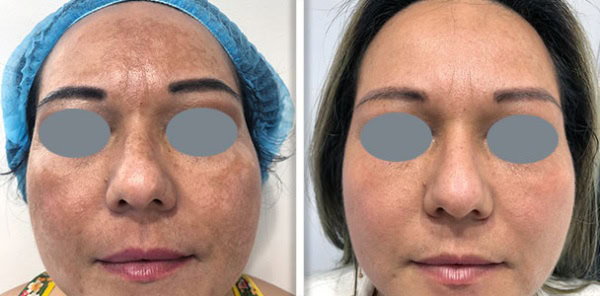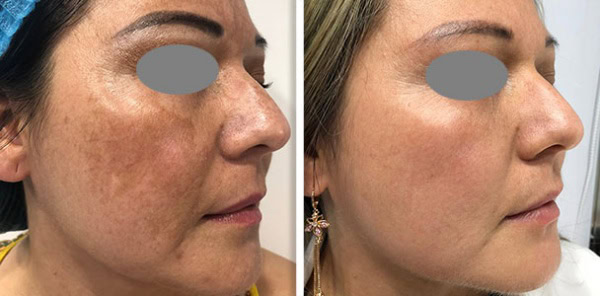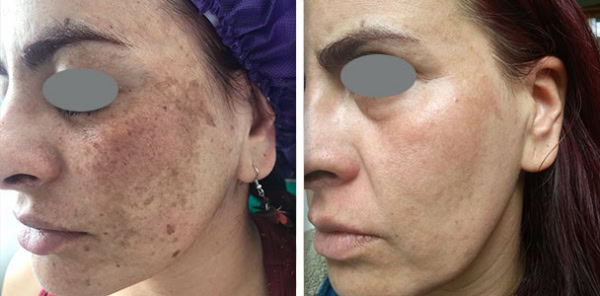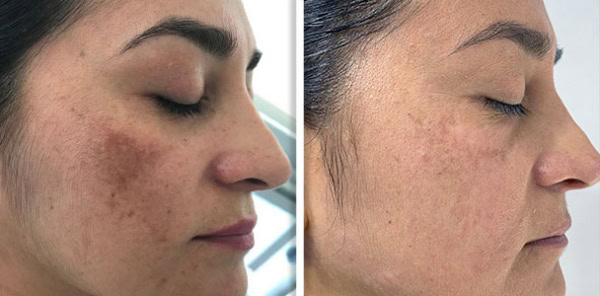


Skin tightening is often described as “stimulating collagen”, but that phrase can feel vague. Collagen remodelling is not magic, and it is not instant. It is a biological response your skin carries out when it senses controlled, precise heat in the right layer, at the right depth, for the right amount of time.
When done well, laser skin tightening works with how skin naturally repairs itself: first by tightening existing collagen fibres, then by signalling fibroblast cells to build stronger, better-organised collagen over the weeks that follow. That is why results can look subtle at first and then improve steadily over two to six months. Let’s break down what is really happening under the surface.
Collagen 101: What you are actually tightening
Collagen is the main structural protein in skin. Think of it like the “support mesh” that helps skin stay firm and springy. The majority of your dermis (the deeper layer of skin) is made of collagen fibres, mainly type I and type III. Elastin fibres sit alongside collagen and help skin bounce back after movement.
With age, UV exposure, stress, and inflammation, collagen fibres become thinner, more fragmented, and less organised. The skin’s “support mesh” loses tension, which shows up as laxity, softness along the jawline, crepey texture, and fine lines. Laser tightening does not replace skin. It nudges skin into rebuilding its own support structure.
The key principle: controlled heat in the dermis
Laser skin tightening is a form of energy-based treatment. The purpose is to deliver heat into the dermis (and sometimes deeper) while keeping the skin surface as protected as possible, depending on the device and settings. Why heat? Because collagen is heat-sensitive. When collagen reaches a specific thermal window, parts of its triple-helix structure begin to denature (unwind). This triggers two useful effects:
1. Immediate collagen contraction (tightening now)
When collagen is heated sufficiently, fibres can shrink and tighten, creating a noticeable “snap” effect in tissue. Research reviews describe this as thermally induced collagen contraction, with the effect most pronounced around the low-to-mid 60°C range.
2. A repair signal (tightening later)
The skin treats controlled thermal injury as a “repair job”. Cells release signals that recruit fibroblasts and stimulate new extracellular matrix production (including new collagen). This longer phase is often described as neocollagenesis and remodelling. The best treatments balance these effects: enough heat to create change, but not so much that you cause unnecessary damage or prolonged downtime.
Collagen remodelling happens in phases (and timing matters)
A helpful way to understand results is to think in phases.
Phase 1: Immediate tightening (hours to days)
Right after treatment, some people see a mild lift or firmer feel. This is typically linked to short-term collagen contraction and temporary swelling. It can look encouraging, but it is not the final outcome.
Phase 2: Cellular signalling (days to weeks)
After the laser creates controlled heat stress, skin cells respond by activating stress pathways. In professional literature, heat shock proteins (HSPs) are often discussed as part of the cellular stress response that can influence collagen-related repair activity within fibroblasts. In plain terms: the skin has “noticed” the stimulus and starts organising repair.
Phase 3: Neocollagenesis and restructuring (weeks to months)
This is where most of the visible improvement develops. Fibroblasts produce new collagen and help reorganise existing fibres so the dermal “mesh” becomes denser and more supportive. This is also why reputable guidance often says results appear gradually, commonly over 2 to 6 months, and why a course of treatments may be needed rather than a single session.
Why “fractional” and “non-ablative” approaches can tighten without heavy downtime
Not all lasers work the same way. Two common concepts you’ll hear are:
Non-ablative:
Heats deeper skin while preserving the surface more than ablative resurfacing does (generally less downtime). A classic explanation in dermatology literature is that non-ablative resurfacing creates dermal thermal injury while preserving the epidermis.
Fractional:
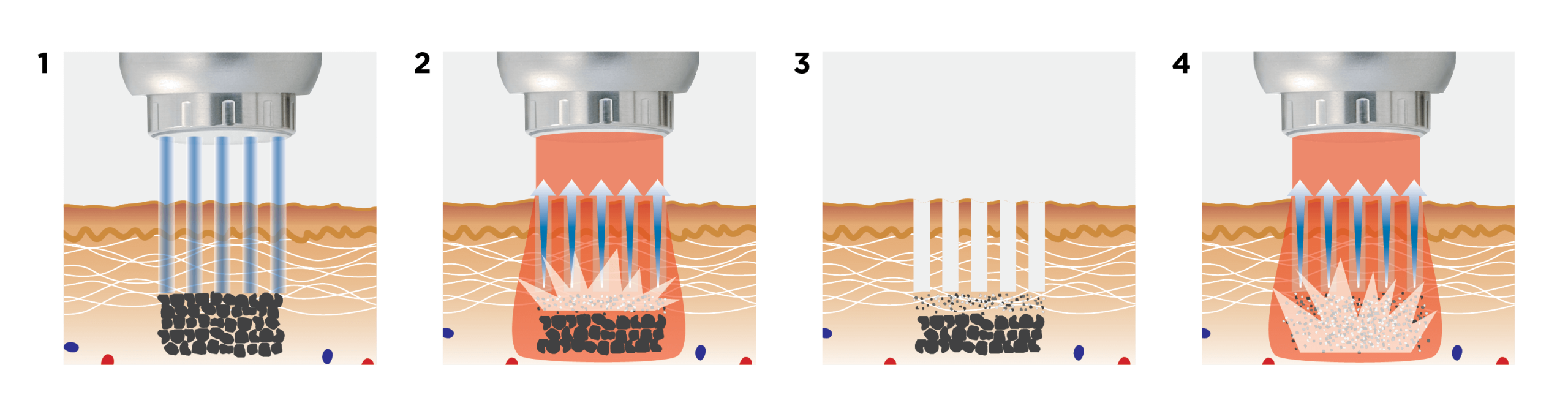
Treats microscopic columns or zones in a patterned way, leaving surrounding tissue intact to speed healing. This controlled patterning is one reason fractional technologies can trigger remodelling with manageable recovery in many patients.
Your clinician chooses the approach based on laxity level, texture concerns, skin tone, and how much downtime you can realistically manage.
What results should feel like (realistic expectations)
Laser tightening usually creates natural-looking change, not a sudden transformation overnight. Many people notice:
(i) firmer texture and “bounce”
(ii) a more defined contour in treated areas
(iii) improved fine lines and surface smoothness (depending on the laser type)
The American Academy of Dermatology notes that you may need 3 to 5 treatments, and that results can gradually appear 2 to 6 months after the last treatment.
Your age, collagen health, sun exposure, smoking status, sleep, and protein intake all influence how strong the remodelling response will be.
Safety basics: who should be cautious?
Laser treatments are widely used, but they are still medical-grade procedures. A proper consultation matters, especially if you have:
(i) a tendency to hyperpigmentation or melasma
(ii) very recent tanning or heavy sun exposure
(iii) active skin infections (cold sores, bacterial flare-ups)
(iv) certain medications that increase photosensitivity
(v) a history of abnormal scarring
Skin of colour can be treated safely with the right technology and settings, but expertise is essential because pigment cells respond differently to heat and inflammation. Evidence-based reviews note fractional resurfacing can be safe and effective in darker skin types, while also highlighting the need for high-quality studies and careful protocols.
Fotona services
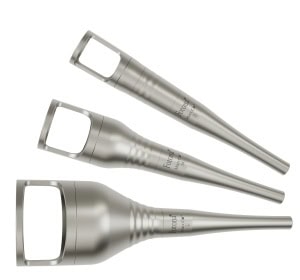
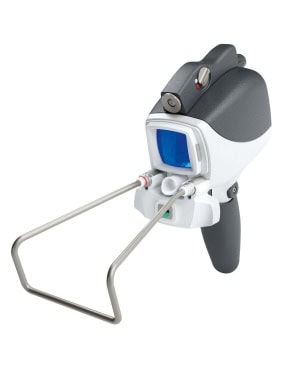
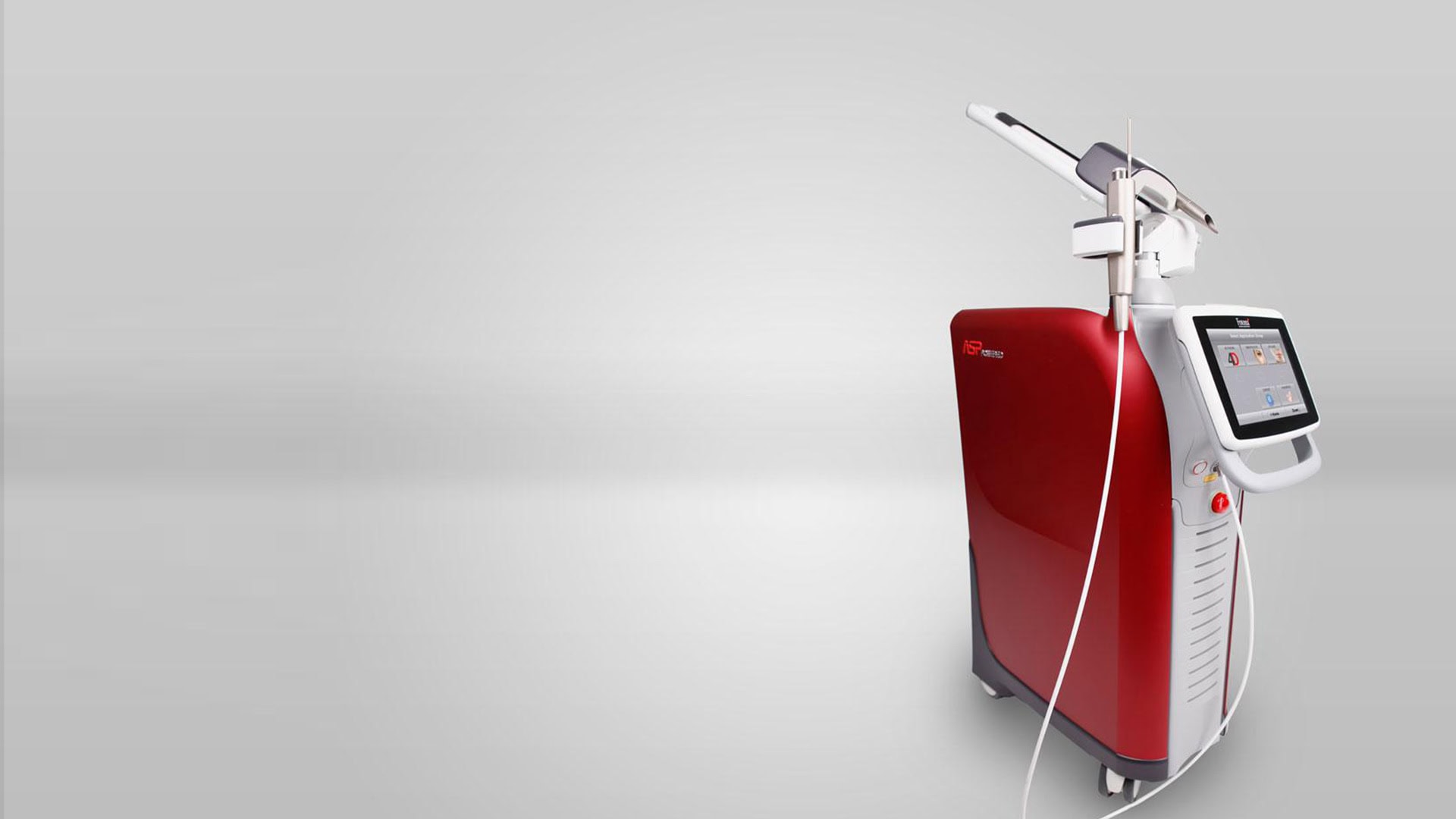
Many clinics offering Fotona treatments use a combination approach designed to trigger tightening at multiple depths. Fotona’s materials describe SMOOTH® mode as a non-ablative way to remodel skin through controlled thermal effects on collagen while preserving the epidermis, including an immediate collagen fibre shrinkage effect and longer-term neocollagenesis. In practical terms, this can support facial tightening, texture refinement, and collagen renewal with a tailored plan built around your skin condition, downtime preferences, and treatment goals.
FAQs
1) How does laser skin tightening “stimulate collagen” in simple terms?
It delivers controlled heat into the supportive layer of skin. That heat tightens some existing collagen fibres and triggers a repair response that encourages fibroblast cells to produce and reorganise collagen over the following weeks.
2) Why do results take weeks or months?
Because collagen remodelling is a slow biological process. You may see early firmness, but the more meaningful improvement usually builds gradually as new collagen forms and the dermal structure becomes denser.
3) How many sessions do most people need?
It varies by device and laxity level, but dermatology guidance commonly suggests a course, often around 3 to 5 treatments, with results developing over months.
4) Is laser tightening the same as laser resurfacing?
Not always. Some lasers focus on deeper heating with minimal surface disruption (often called non-ablative), while others intentionally remove or renew the surface layer (ablative resurfacing). Both can improve firmness, but downtime and intensity differ.
5) Does it work on the neck and body, or only the face?
Many laser systems can be used on areas like the neck, abdomen, or upper arms, where collagen support has softened. Treatment choice depends on skin thickness, laxity, and safety considerations for that area.
6) What should I do after treatment to support collagen building?
Follow your clinician’s aftercare, protect your skin from sun exposure, keep hydration steady, and avoid harsh active skincare until advised. Good sleep, protein intake, and consistent SPF help your skin carry out the rebuilding phase more effectively (and protect your investment).