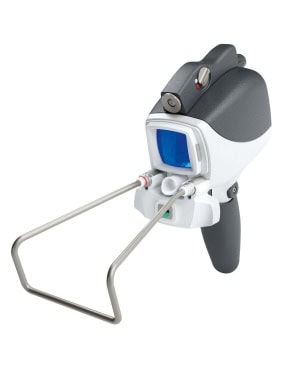


In aesthetic medicine, high-end clinics do not build their treatment menus by accident. They choose technologies that fit their brand, meet patient expectations, and support long-term growth. That is why more premium clinics are adding Fotona to their treatment portfolio. It is not only about owning an advanced laser. It is about offering a wider range of medical-grade treatments from a platform that is already well known in aesthetics and dermatology. Fotona describes its SP Dynamis as a multi-application system that combines two complementary wavelengths, Er:YAG and Nd:YAG, to perform a broad range of treatments in aesthetics, surgery, and gynaecology.
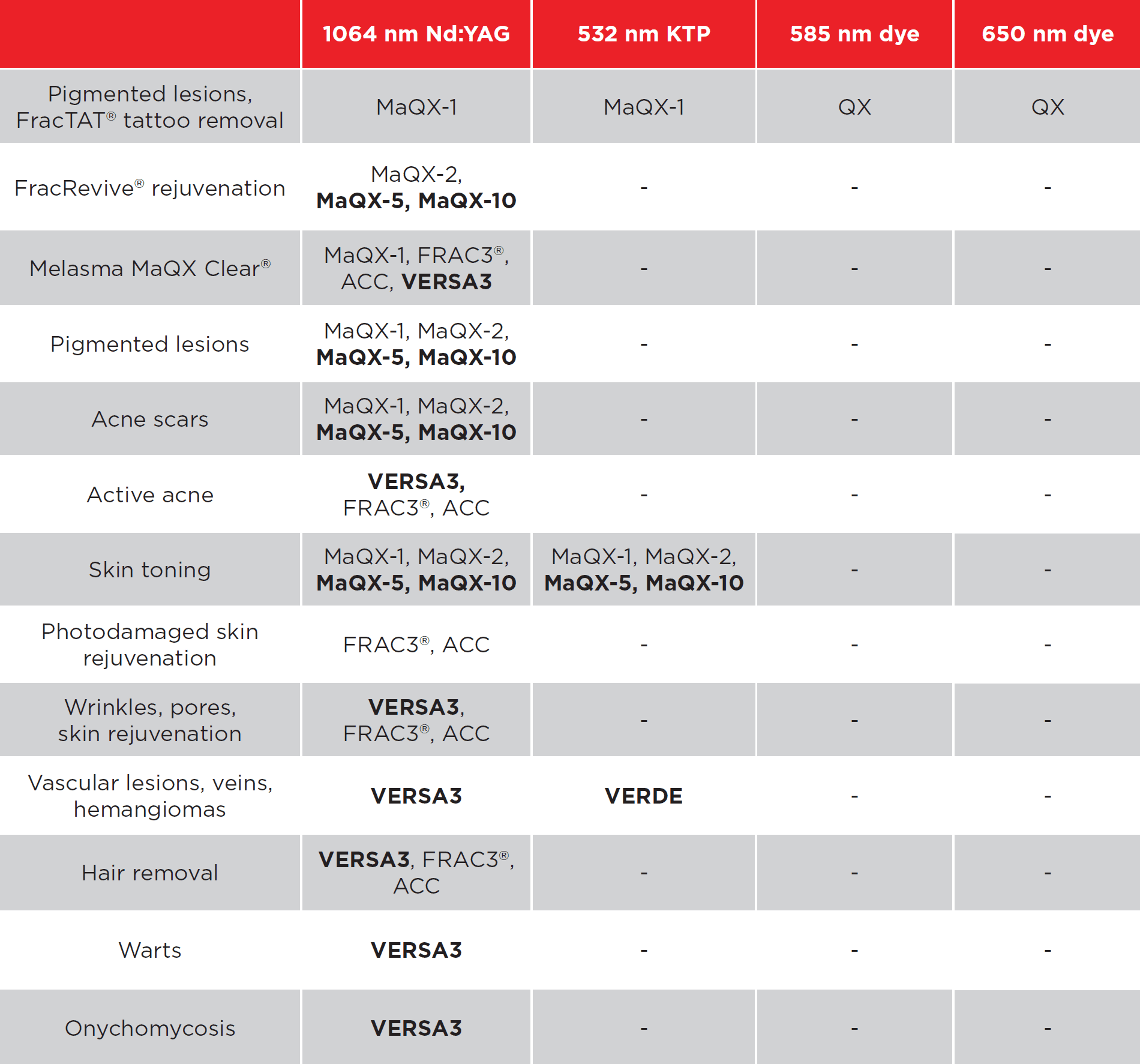
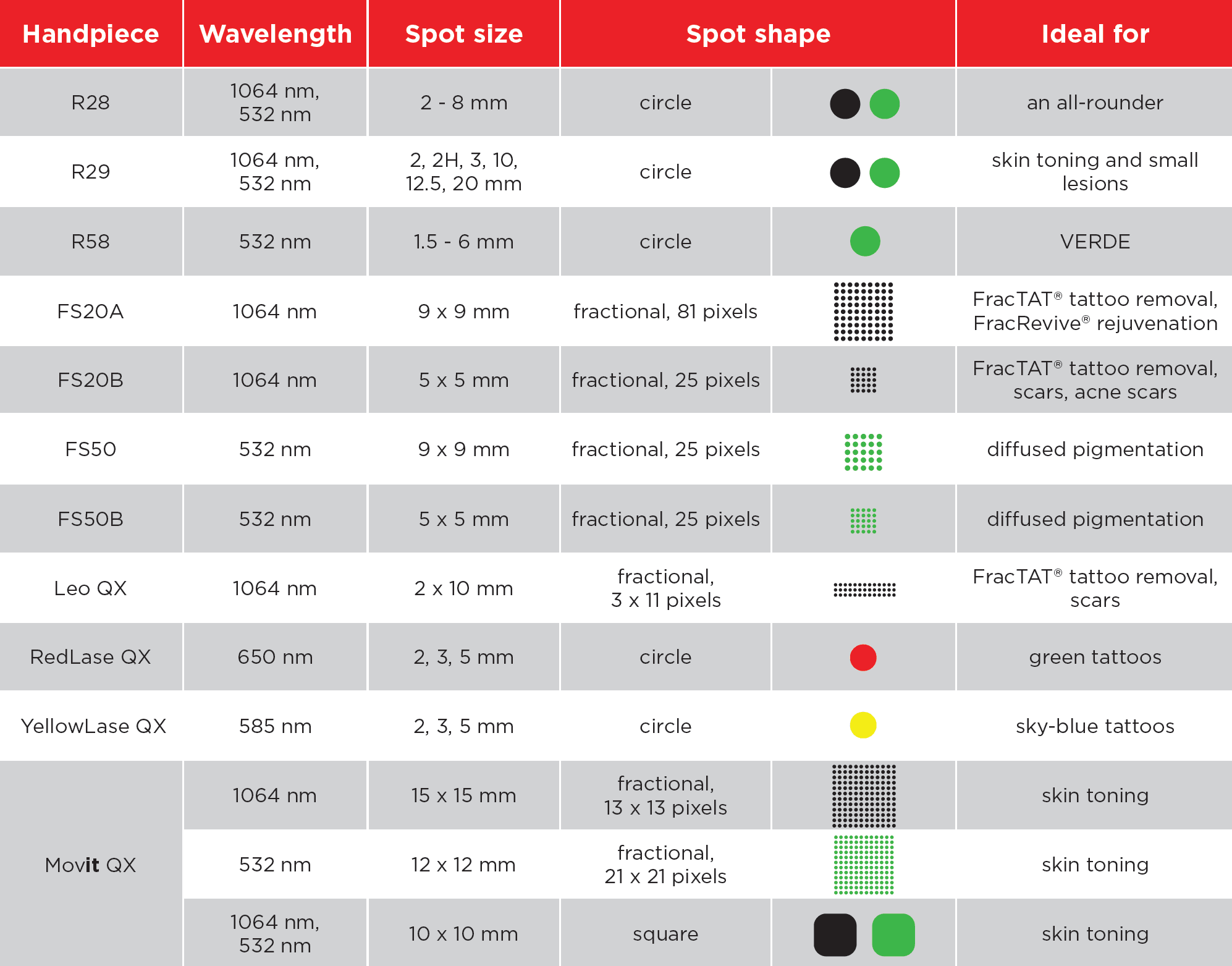
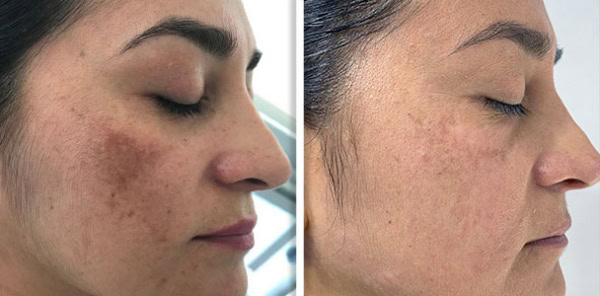
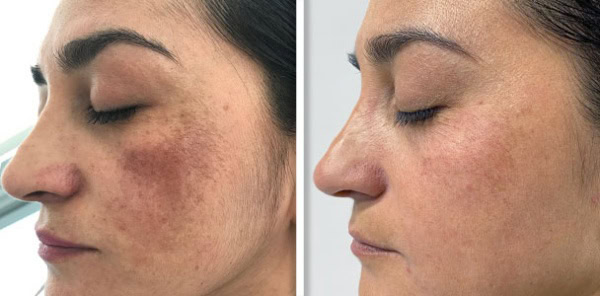
For luxury clinics, that kind of flexibility matters. A premium clinic is expected to do more than offer a single trending treatment. Patients want options for tightening, resurfacing, acne scars, pigmentation, vascular concerns, and facial rejuvenation, often within one trusted setting. Fotona’s official aesthetics pages position the brand around exactly that sort of breadth, listing treatments that include Fotona4D, skin resurfacing, acne and acne scar revision, permanent hair reduction, pigmented lesions, scar revision, tattoo removal, vascular lesions, SmoothEye, LipLase, and more.
High-end patients want results without a surgical feel
One reason upscale clinics are leaning towards advanced laser platforms is that patient demand has shifted. Many people still want visible improvement, but they are not always looking for surgery first. They want treatments that feel effective, modern, and medically credible, while still fitting around work, travel, and social life. The wider aesthetics market reflects that change. Grand View Research estimates the global aesthetic lasers market at USD 3.1 billion in 2024 and projects it to reach USD 7.1 billion by 2033, driven by growing demand for non-invasive and minimally invasive procedures. In Europe, the same source says the market generated USD 897.1 million in 2024 and expects the UK to record the fastest growth rate in the region through 2033.
Procedure data points in the same direction. The American Society of Plastic Surgeons reported that skin resurfacing rose by 6% in 2024, reaching more than 3.7 million procedures, while skin treatments using lasers remained above 3.1 million. That matters because it shows steady consumer demand for technology-led skin treatments rather than a move away from them. For premium clinics, this creates a strong business case for investing in platforms that can answer several skin concerns at once.
Fotona fits the premium clinic model
High-end clinics usually think in terms of patient journey, not isolated procedures. A patient may come in asking about laxity, but during consultation the real treatment plan could also involve textural refinement, acne scar work, or pigmentation management. A device that only does one thing can limit that journey. Fotona appeals to premium clinics because it is built around a platform model. The SP Dynamis is marketed as a highly versatile, multi-purpose system, while TimeWalker II Fotona4D is presented as a dedicated face and neck aesthetic laser platform for non-surgical facial treatments.
That makes Fotona attractive from both a clinical and brand point of view. Clinically, dual wavelengths allow practitioners to work at different skin depths. Fotona states that its Nd:YAG wavelength penetrates deeper into the skin and can target deep-lying structures such as veins and hair follicles, while its Er:YAG technology is used for precise surface interaction. For a premium clinic, this means one manufacturer can support both deeper tissue work and more refined resurfacing-style treatments.
Branded treatments help premium positioning
Another reason high-end clinics add Fotona is simple: it is easier to market a recognised treatment than a vague promise. Premium patients often respond well to treatments that have a defined protocol and a clear identity. Fotona4D is a good example. Fotona describes it as a non-surgical face-lifting procedure that combines two wavelengths to treat four dimensions of the skin, producing a rejuvenated, natural-looking appearance. TimeWalker II Fotona4D is also promoted for minimally invasive face and neck treatments including Fotona4D, SmoothEye, LipLase, and VectorLift.
For clinics, this is useful because branded treatments create stronger consultation conversations. Instead of explaining everything from scratch, the clinic can start with a treatment name patients may already have seen online, then tailor the discussion to the patient’s actual concerns. This does not replace clinical judgement, but it does support a more premium customer experience. That is an inference based on the way branded aesthetic treatments are typically marketed and on Fotona’s own emphasis on named protocols.
Premium clinics need technology that can scale with demand
Luxury clinics often grow by expanding treatment categories rather than endlessly increasing the same basic services. That is where a multi-application platform becomes commercially attractive. Fotona’s aesthetics treatment library spans resurfacing, acne scar revision, pigmented lesions, vascular lesions, permanent hair reduction, and non-surgical rejuvenation protocols. The company also promotes combined ER:YAG and Nd:YAG approaches for acne scar revision, highlighting the ability to customize treatment balance between coagulation and ablation according to scar type and skin need.
This versatility matters because premium clinics do not want empty treatment room time. A machine that can be used for several indications has more opportunity to stay productive across the week. It also creates more natural upsell pathways. A patient who comes for resurfacing may later ask about tightening or scar revision. A patient interested in facial rejuvenation may also want eye-area work or lip enhancement. When one laser platform supports a broader service menu, the clinic has more freedom to build long-term patient value. That conclusion is an inference based on Fotona’s published treatment range and standard aesthetics business logic.
Training and education matter at the high end
Premium clinics also care about provider training. In the high-end market, owning the machine is not enough. Patients expect expertise, safety, consistency, and refined technique. Fotona places strong emphasis on workshops and live training. Its official workshops page lists aesthetic and dermatology courses for SP Dynamis and TimeWalker users, while one live course specifically says participants will learn principles and procedures for a variety of aesthetic applications, including the Fotona4D non-invasive facelift treatment.
That matters because training helps a premium clinic protect its reputation. Upscale patients are paying for more than hardware. They are paying for judgement, treatment design, and confidence in the hands delivering the procedure. A platform backed by formal training opportunities is naturally more appealing to clinics that want consistency across their team.
Why Fotona services appeal to luxury patients
High-end patients usually want treatments that sound serious but not intimidating. They are often drawn to phrases such as non-surgical rejuvenation, natural-looking results, layered treatment, and personalised care. Fotona’s product and treatment pages consistently use this kind of language, positioning its systems around natural-looking results, layered approaches, and versatile treatment planning. That aligns well with the tone many luxury clinics want to communicate.
It also helps that Fotona is not positioned as a one-trend brand. The company presents itself as a developer of high-technology laser systems across multiple medical categories, including aesthetics, surgery, dentistry, and gynaecology. For a premium clinic, that broader medical identity can strengthen trust and support a more sophisticated brand image than a device known only for a single beauty trend.
Fotona services
Fotona services are designed to give clinics a broad, medical-grade treatment offering from one advanced laser ecosystem. Depending on the platform and protocol used, clinics can provide facial rejuvenation, skin resurfacing, acne and acne scar revision, pigmented and vascular lesion work, hair reduction, and branded protocols such as Fotona4D, SmoothEye, and LipLase. For patients, that means more personalised treatment options under one roof. For clinics, it means a flexible platform that supports premium positioning and a wider treatment portfolio.
Final thoughts
High-end clinics are adding Fotona because it supports the direction the aesthetics market is already moving in. Patients want effective non-surgical options. Clinics want platforms that are versatile, brandable, and commercially sensible. Fotona offers dual-wavelength technology, a wide treatment menu, formal training pathways, and recognised branded protocols that fit well within a luxury clinic setting. In short, Fotona is not just being added because it is advanced. It is being added because it helps premium clinics deliver the kind of modern, multi-layered, medically credible care that high-end patients now expect.
FAQs
Q: What is Fotona best known for?
Fotona is best known for medical laser systems used across aesthetics and other medical fields. In aesthetics, it is widely associated with dual-wavelength Er:YAG and Nd:YAG platforms and branded treatments such as Fotona4D.
Q: Why do premium clinics prefer multi-application lasers?
Because they can treat more than one concern from the same platform, which supports broader patient journeys and a stronger treatment portfolio. Fotona’s official materials position SP Dynamis as a multi-purpose platform for a wide range of aesthetic applications.
Q: Is demand for laser-based aesthetic treatment still growing?
Yes. Grand View Research projects strong growth in the aesthetic lasers market through 2033, and ASPS data shows continued high procedure volumes for skin resurfacing and skin treatments using lasers.
Q: Why is Fotona4D popular with clinics?
Fotona4D gives clinics a branded, non-surgical rejuvenation protocol that combines two wavelengths and multiple treatment dimensions, making it easier to present a premium face and neck treatment pathway.
Q: Does Fotona provide training for clinics?
Yes. Fotona lists regular workshops and live training sessions for users of systems such as SP Dynamis and TimeWalker, including courses focused on aesthetic and dermatology applications.
Q: Can Fotona support more than facial treatments?
Yes. Fotona’s official treatment listings include resurfacing, acne scars, pigmented lesions, vascular lesions, hair reduction, tattoo removal, and other applications beyond standard facial rejuvenation.
Q: Why does Fotona suit a luxury clinic brand?
Because it combines advanced medical positioning, versatile treatment options, branded protocols, and a personalized treatment story that fits the expectations of premium patients. This is an inference based on Fotona’s official positioning and the wider market shift towards non-surgical, high-tech aesthetic care.