


Celebrity skincare often creates curiosity, but it also creates confusion. One week the internet says a star has found the “best laser ever”. The next week a different treatment is trending. For patients and clinics alike, the better question is not simply what a celebrity used, but why that treatment gained attention and whether the technology behind it truly delivers results.
When it comes to Kim Kardashian, one of the most widely reported laser treatments linked to her was a 4D Tightening Laser at Skin Thesis in West Hollywood. People reported in 2019 that the treatment used Fotona4D, a laser protocol designed to stimulate collagen, remodel the skin, and add volume without injectables. The same report noted that part of the treatment involved laser work inside the mouth area, followed by treatment on the neck, which Kim highlighted by saying, “The neck is key.”
That public moment helped put Fotona into wider beauty conversation. But clinics are not investing in Fotona simply because a celebrity used it. They are investing because the platform offers something that matters in real practice: versatility, control, strong clinical logic, and a broad treatment range that matches what today’s patients actually ask for.
So, what laser did Kim Kardashian use?
Based on People’s report, the answer is that Kim Kardashian was shown receiving Skin Thesis’ 4D Tightening Laser, which the clinic identified as Fotona4D. That matters because Fotona4D is not just one simple pass with a single beam. It is a treatment concept built around Fotona’s laser technology, using a combination of Er:YAG and Nd:YAG wavelengths to work on the skin at different depths.
This is an important distinction. In aesthetic medicine, better outcomes often come from combining different tissue effects rather than relying on one superficial approach. Fotona built much of its reputation on that exact idea.
Why Fotona gained so much attention
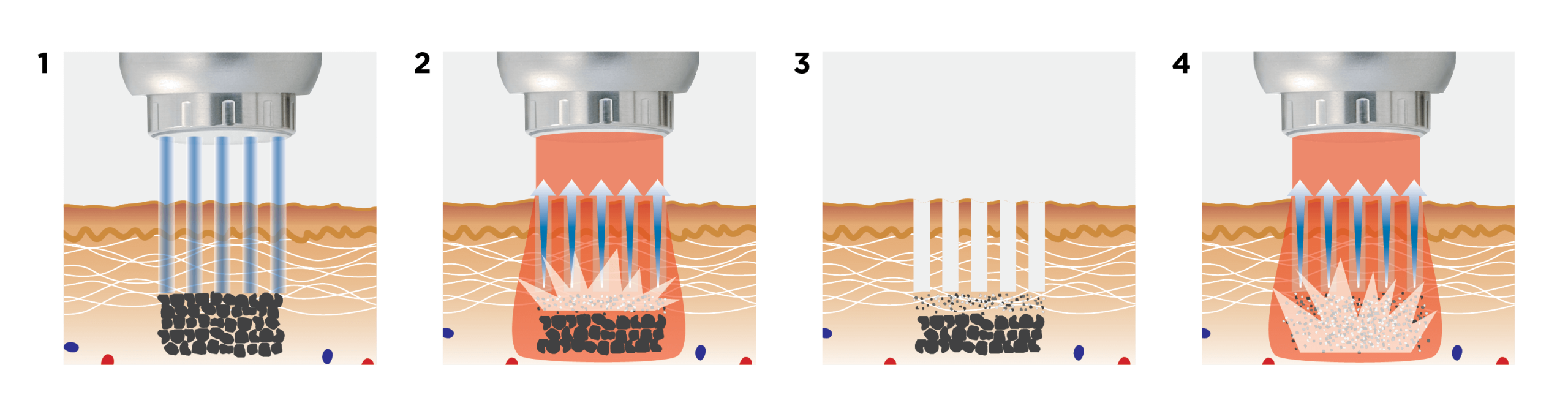
Fotona4D attracted attention because it speaks directly to what many patients want: firmer-looking skin, better texture, more collagen support, and visible rejuvenation without traditional surgery. According to Fotona’s own treatment information, Fotona4D uses Er:YAG and Nd:YAG technology in a staged treatment design for non-invasive face lifting procedures. The company describes the Nd:YAG wavelength as working more deeply to create thermal effects without damaging the skin surface, while the Er:YAG wavelength is used for precise surface interaction and controlled tissue effects.
In simple words, this means the system is built to do more than one job. It can support tightening, texture improvement, and skin quality in a way that feels more tailored than many single-purpose devices. That is one reason it appeals to both patients and clinics. Patients do not want ten different machines for ten different concerns. Clinics do not want them either.
Why clinics are investing in Fotona
The strongest reason clinics invest in Fotona is not celebrity appeal. It is practicality backed by treatment flexibility.
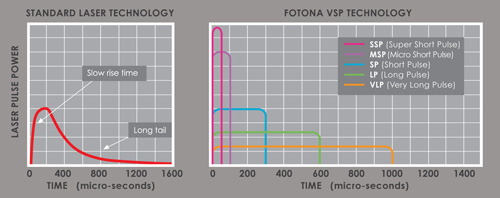
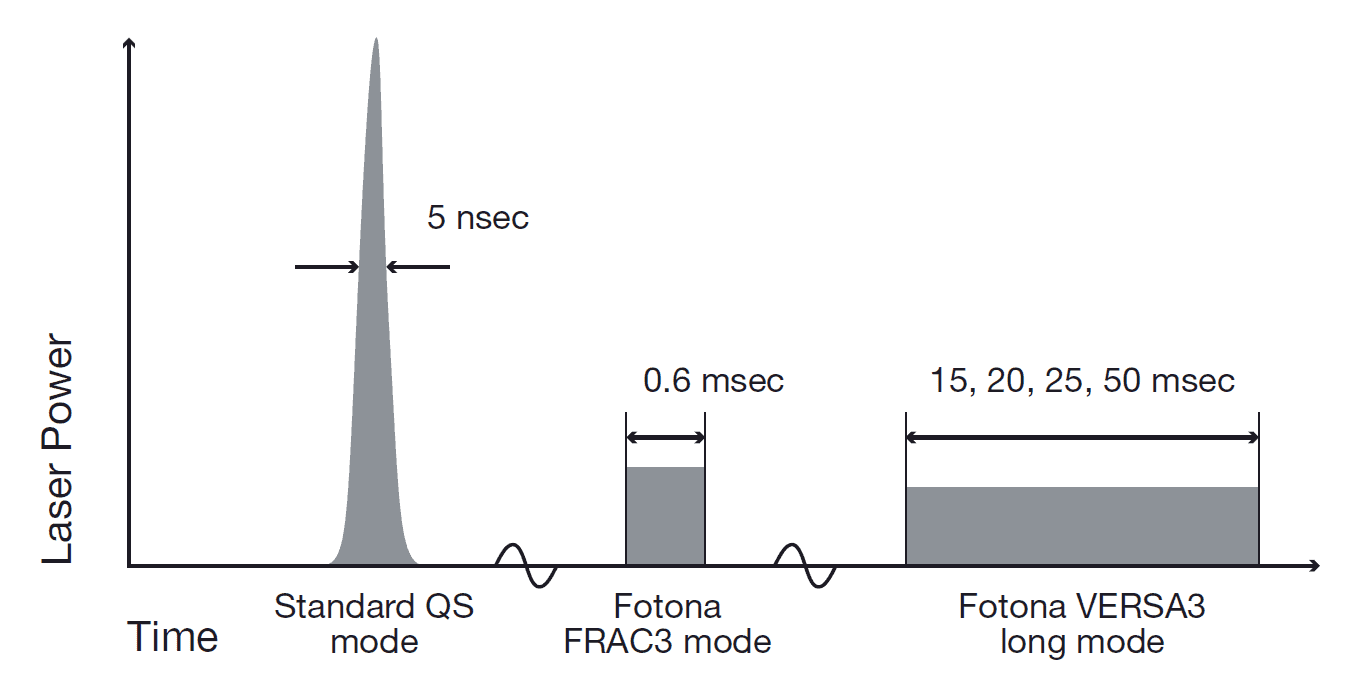
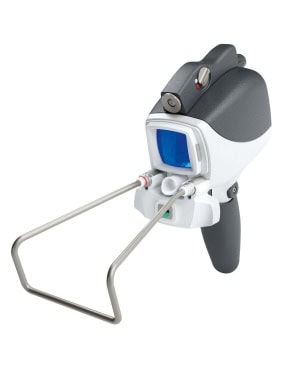
Fotona’s SP Dynamis platform is designed as a multi-application system using both Er:YAG and Nd:YAG lasers. Fotona says it is built for a wide range of uses in aesthetics and dermatology, including Fotona SMOOTH mode for minimally ablative coagulation regimes and FRAC3 for non-ablative rejuvenation. The platform also supports multiple treatment modes and handpieces, giving practitioners more control over how energy is delivered.
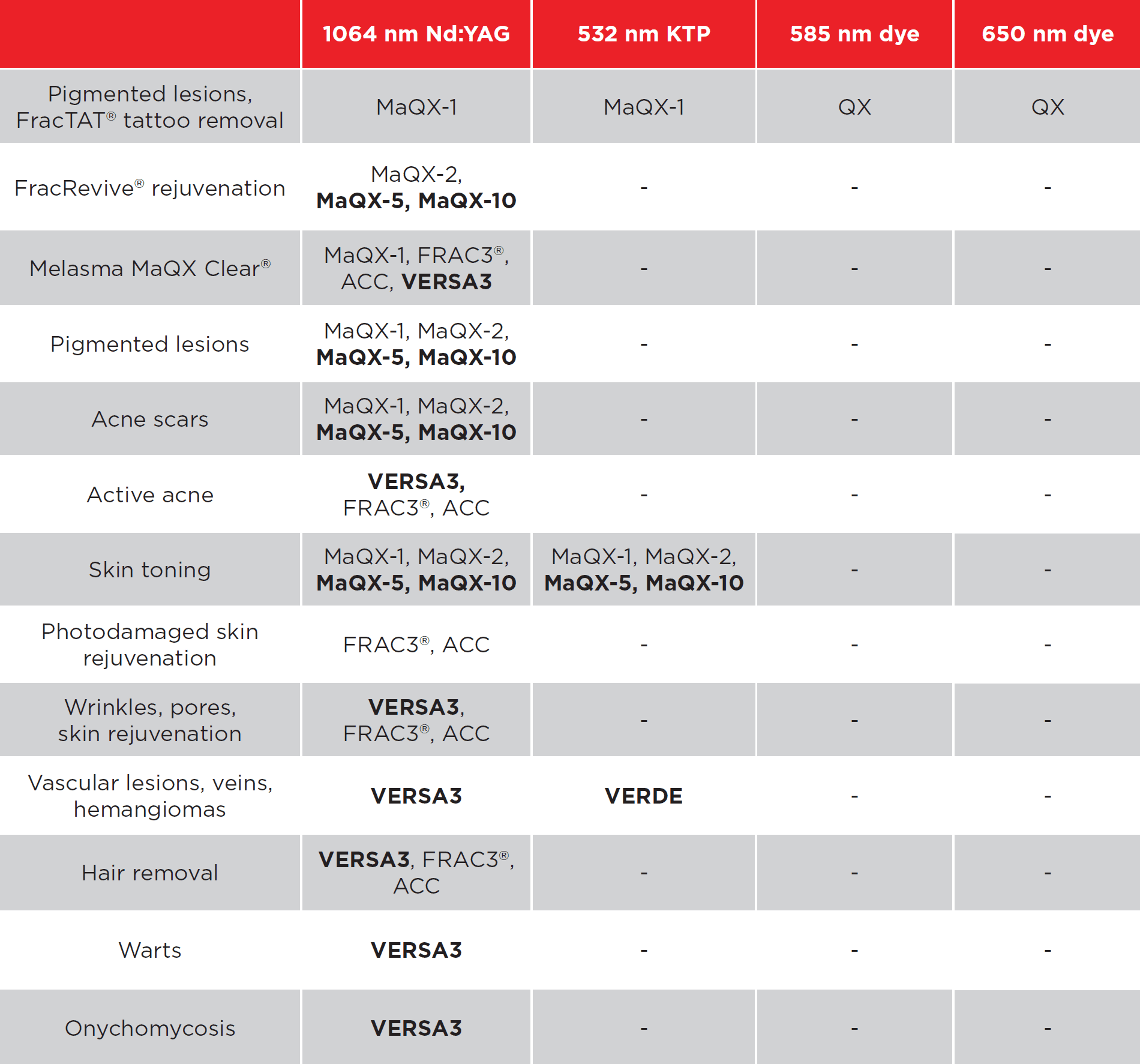
For clinics, that matters in everyday business terms. A machine that can address skin tightening, rejuvenation, texture, acne scarring, pigmentation-related concerns in selected cases, and other face and body indications offers better value than a device that solves only one problem. This kind of versatility can improve treatment planning, simplify training, and help clinics serve a broader patient base.
There is also a clinical reason. Different skin concerns sit at different levels of the skin. Fine lines, laxity, enlarged pores, rough texture, and certain scar patterns are not all treated in the same way. A platform with more than one wavelength gives clinicians more room to personalise treatment rather than forcing every patient into the same template.
The science behind the appeal
Laser rejuvenation remains one of the most established categories in aesthetic dermatology. A 2024 review in the Journal of Cosmetic Dermatology noted that modern laser skin resurfacing continues to advance through ablative, non-ablative, and fractional approaches, helping clinicians tailor treatment to patient goals and downtime needs.
Older but still widely cited review literature also supports a principle that clinics understand very well: ablative treatments usually give stronger results but come with more downtime, while non-ablative treatments often offer gentler recovery but may need more sessions. Fractional delivery can help balance efficacy and recovery. This is where Fotona’s appeal becomes clearer. Its systems are designed to give clinics different ways to work across that spectrum rather than locking them into one style of treatment only. That flexibility is commercially useful, but it is also clinically smart.
Why this matters for real patients
Most patients are not chasing celebrity skin. They are looking for something more practical. They want treatment that feels worth the money, has a sensible recovery period, and gives visible improvement in concerns such as tired-looking skin, early laxity, texture irregularity, acne marks, and fine lines. Medical-grade laser platforms are attractive because they can often produce results that sit between skincare and surgery. That middle ground is exactly where demand has grown.
For darker skin tones, caution and expertise matter even more. Evidence-based reviews on non-ablative fractional lasers in skin of colour note that safety must be considered carefully because pigmentary changes can be a concern with some resurfacing treatments, while certain non-ablative lasers are often preferred due to a lower risk profile. That is another reason clinics invest in advanced platforms rather than trend-led gadgets. The machine matters, but so does the practitioner’s judgement.
Celebrity trend versus clinical value
It is easy to market a treatment by linking it to a celebrity. It is harder, and more important, to explain why a clinic chooses a platform for long-term use.
Clinics investing in Fotona are usually responding to a mix of factors: patient demand for non-surgical rejuvenation, the need for customisable treatment options, the value of dual-wavelength capability, and the appeal of a recognised medical-grade brand with broad applications. Fotona positions its systems as solutions for aesthetics and dermatology rather than as one-hit trend devices, and that broader positioning is a major part of their market appeal.
So while Kim Kardashian helped bring public attention to the treatment, the real reason clinics keep choosing Fotona is much more grounded. It fits modern aesthetic practice.
Fotona services
Fotona services are designed for clinics that want more than a single-purpose treatment menu. Using advanced Er:YAG and Nd:YAG laser technology, Fotona platforms can support personalized treatments for skin tightening, facial rejuvenation, texture refinement, and other aesthetic concerns, depending on the system and treatment protocol used.
Fotona offers clinics something that is valuable on the market today: multi-layered revitalization, dual-wavelength technology, treatment flexibility and the ability for patients to get visible results without having to undergo surgery. That kind of clinical utility has real staying-power in an industry full to short-lived buzz.
FAQs
- What was the laser treatment Kim Kardashian reportedly had?
Kim Kardashian reportedly received Skin Thesis’ 4D Tightening Laser. The clinic identified the product as Fotona4D.
- Is Fotona4D really a laser treatment, or is it just a trademark?
The facial rejuvenation treatment is based on Fotona’s laser technology using Er:YAG or Nd:YAG wavelengths.
- Why do clinics choose Fotona instead of some single-purpose device?
Due to the fact that Fotona platforms can be used in multiple aesthetic and dermatology applications – giving clinics more options for treatment – they are able to use one system.
- Does Fotona aid in collagen support?
Fotona markets Fotona4D to stimulate collagen remodelling, and support skin tightening.
- Does Fotona suit everyone?
Not always. Treatments are based on the skin type, skin condition, medical history, as well as tolerance for downtime. It is crucial to conduct a clinic assessment before undergoing any laser procedure.
- Does Fotona work only on the face?
No. Photona platforms can be used for a variety of aesthetic and dermatology treatments, depending on settings, system and clinicians’ training.
- Why is Fotona a favorite in aesthetic clinics?
Popularity is due to the fact that it has dual wavelengths and flexible treatment modes.