


Marketing a high-ticket skin tightening treatment is very different from marketing a lower-cost beauty service. When patients are considering a premium treatment, they are not only buying the procedure. They are buying trust, safety, outcomes, expertise, and confidence in your clinic. That means your marketing has to do more than attract attention. It has to educate, reassure, and justify the value of the treatment in a way that feels professional and believable.
This matters even more now because demand for minimally invasive skin treatments remains strong.The American Society of Plastic Surgeons reported that skin resurfacing increased by 6% in 2024, while nonsurgical skin tightening held steady at a significant procedure volume, showing that patients are still actively seeking treatments that improve skin quality and firmness without surgery. High-ticket treatments do not usually sell through mega discounts or rushed offers. They sell when the clinic builds authority, presents the treatment clearly, and helps the patient understand why the investment makes sense.
Start by selling the outcome, not the device
One of the most common marketing mistakes clinics make is focusing too much on the laser itself. Patients rarely book because a machine name sounds impressive. They book because they want firmer skin, a fresher face, a tighter jawline, better texture, or a more lifted look without surgery.
That means your message should begin with the result the patient cares about. Instead of leading with technical language, explain what the treatment is designed to improve, who it suits, how it works, and what kind of journey the patient can expect. When the treatment is high-ticket, the patient needs to feel that the outcome is meaningful enough to justify the spend.
This is where education becomes part of sales. A patient is more likely to commit to a premium treatment when they understand that skin tightening is often about collagen remodelling, long-term tissue support, and gradual improvement rather than an instant cosmetic change. Educational marketing helps the treatment feel medical, credible, and worth paying for.
Position the treatment as premium from the beginning
If you want to market a high-ticket treatment successfully, your branding and presentation must match the price point. Patients will question premium pricing if the website looks generic, the visuals feel inconsistent, or the messaging sounds like a low-cost salon promotion.
Premium positioning starts with the way the treatment is described. The language should be clear and simple, but still polished. Your photography, treatment pages, consultation process, and social media presence all need to support the same message: this is a serious treatment delivered by a clinic that understands skin, technology, and patient care.
It also helps to avoid making the marketing overly price-led. High-ticket treatments should usually be sold on value, outcomes, treatment planning, and expertise. Price still matters, but it should not be the centre of the message.
Use local SEO to capture high-intent patients
A large share of patients looking for skin tightening treatments are already searching with intent. They are typing phrases such as “skin tightening near me”, “laser skin tightening clinic”, or “non-surgical skin tightening in [city]”. This is where local SEO becomes one of the most valuable marketing channels.
Google’s own Business Profile guidance makes it clear that complete and accurate business information helps local visibility, and that categories, service information, opening details, and profile quality affect how businesses appear in local search. Google also notes that verified and complete profiles help customers find and trust a business more easily.
For a clinic, this means your Google Business Profile should not be treated as an afterthought. It should be fully built out with the right categories, a strong service description, updated contact details, quality imagery, reviews, and regular posts. Your website should also have dedicated pages for each treatment area and location, rather than forcing all laser services into one broad page.
Build trust before asking for the booking
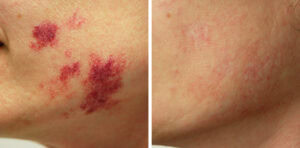
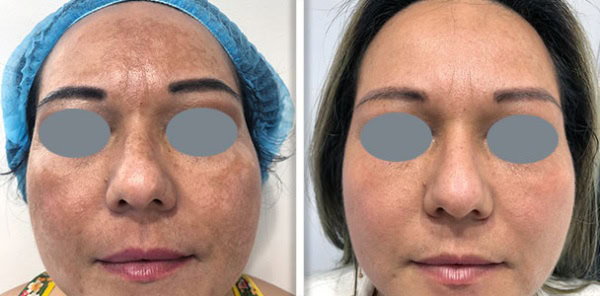
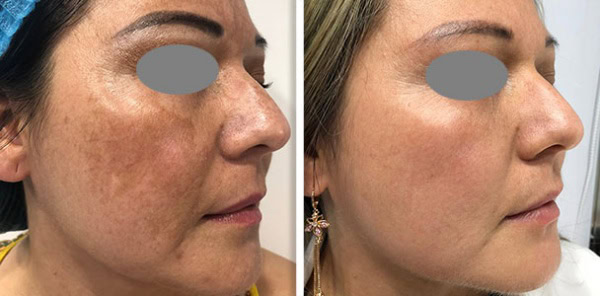
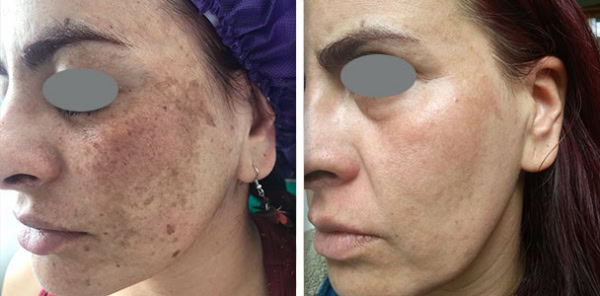
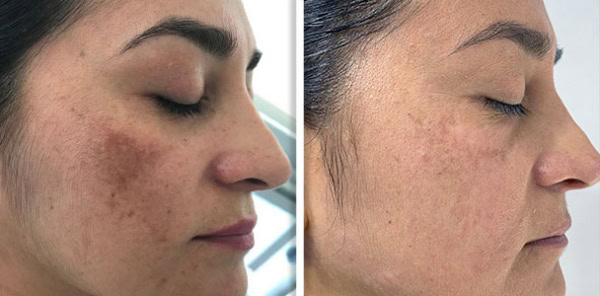
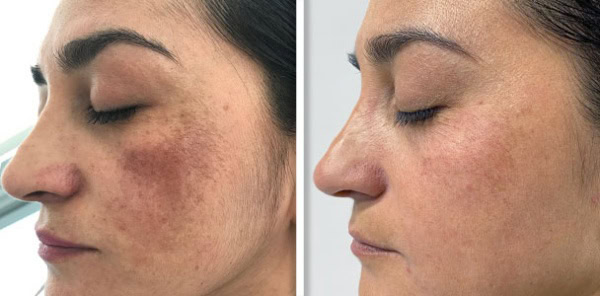
High-ticket treatments rarely convert well from cold traffic straight to a sale. Most patients need a trust-building stage first. They want to see that your clinic understands the treatment, that results are realistic, and that the patient journey is well managed. This is why before-and-after results, practitioner-led education, treatment explanations, FAQs, and consultation content matter so much. A premium treatment should feel guided and medically informed, not vague or salesy.
Reviews are especially important here. Patients considering a large spend often want evidence from other patients before they commit. Strong testimonial content can reduce hesitation because it gives social proof without sounding like a hard sell.
Your consultation is part of your marketing
Many clinics separate marketing and consultation as if they are different systems. In reality, for high-ticket treatments, the consultation is one of the most important parts of the marketing funnel. A good consultation does three things. First, it confirms whether the patient is suitable. Second, it explains the treatment in a way that feels honest and professional. Third, it helps the patient understand the full value of the plan rather than focusing only on a single session price.
High-ticket skin tightening treatments are often easier to sell when they are presented as part of a complete journey. That may include an initial course, review points, maintenance planning, and supportive skincare or combination treatments where appropriate. Patients tend to spend more confidently when they understand the structure and purpose of the plan.
Use paid ads carefully and compliantly
Paid ads can still work well for skin tightening treatments, especially on Google and Meta platforms, but the messaging has to be handled carefully. Meta’s policies on advertising are very clear. Ads cannot imply a negative view of oneself or use attributes that make people feel like they have been singled out. This policy restricts the use of certain health and wellbeing claims. This means that ads for clinics should not use language which shames the appearance of users or suggests they are aware of their cosmetic concerns. Better to focus on the education, benefits of treatment, expert assessment and suitability. Instead of focusing on skin problems, focus instead on skin quality and firmness.
Google Ads is a great option for searches that have a high level of intent. Meta, on the other hand, can be a better choice for awareness, consultation generation, retargeting or retargeting.
Fotona services
Fotona services are often easier to market at a high-ticket level because they give clinics more than one story to tell. Rather than offering only one tightening treatment, clinics can build a broader premium service range around options such as Fotona4D, SmoothEye, TightSculpting, LipLase, NightLase, resurfacing, scar work, and other non-surgical rejuvenation treatments. That flexibility helps clinics create more personalised treatment plans, strengthen patient trust, and increase average revenue per consultation by matching the right treatment pathway to the patient’s goals.
Content marketing is what makes premium pricing easier
If you want patients to invest in a premium treatment, your clinic needs to sound like it understands more than beauty trends. This is where content marketing becomes a real commercial tool. Blogs, treatment guides, video explainers, FAQs, and practitioner-led educational posts all help answer the questions patients already have before they enquire. They also improve SEO and make your clinic look more established. When the content is written well, it shortens the sales process because the patient arrives better informed and more confident. The key is to create content that explains how the treatment works, who it is suitable for, what results look like over time, and how it compares with other non-surgical options without sounding pushy.
Final thoughts
Marketing high-ticket skin tightening treatments successfully is really about building enough trust for the patient to feel safe making a larger decision. The clinics that do this best are not always the loudest. They are the clearest, the most educational, and the most consistent.
When your positioning is premium, your local SEO is strong, your content is useful, your consultations are structured, and your advertising stays compliant and patient-focused, high-ticket treatments become much easier to sell. The goal is not to pressure people into buying. It is to help the right patients see why your treatment, your clinic, and your expertise are worth the investment.
FAQs
Q: How do you sell expensive skin tightening treatments to new patients?
The best approach is usually education first. High-ticket patients want to understand the treatment, the expected outcome, and why the clinic is qualified to deliver it. Clear consultation pathways, reviews, and treatment guides usually help more than aggressive offers.
Q: Is Google or Instagram better for marketing skin tightening treatments?
Both are effective, but often they serve different stages in the funnel. Google is better for searches with high intent, while Instagram, Meta, and other platforms can be more effective for building awareness, retargeting and trust through visual content.
Q: Do discounts for expensive aesthetic treatments work?
Premium treatments can be attractive, but they convert better when sold based on expert knowledge, results, and patient suitability, rather than through heavy discounts. Discounts can be used excessively to undermine premium positioning.
Q: What type of content converts skin tightening enquiries into sales?
The use of before-and-after content such as practitioner videos, FAQs and treatment pages and patient reviews is very effective, because it reduces uncertainty and builds confidence prior to the consultation.
Q: What should clinics avoid in aesthetic ads?
Clinics should avoid ads that imply negative self-image, directly reference a person’s appearance in a shaming way, or suggest the platform knows personal cosmetic concerns. Meta’s policies are clear on this point.
Q: Why is local SEO important for skin tightening clinics?
Because many patients search locally when they are ready to book. A complete Google Business Profile and strong treatment pages can improve visibility in Maps and Search and help your clinic appear more trustworthy.