


Adding a new laser to your clinic is never a small decision. It affects your budget, your treatment menu, your team training, and your long-term revenue model. That is why clinic owners usually ask the same three questions before making a move: how much will it cost, how much training will the team need, and how much profit can it realistically generate?
Fotona has become a serious option because it is not positioned as a one-treatment device. Its official aesthetics pages show a broad range of treatments, including Fotona4D, TightSculpting, NightLase, SmoothEye, LipLase, scar revision, skin resurfacing, vascular work and more. That matters commercially because a platform with multiple applications gives clinics more ways to fill the diary and more ways to increase average revenue per patient.
There is also a wider market reason behind this interest. In the latest American Society of Plastic Surgeons report, skin resurfacing rose by 6% in 2024, showing continued demand for minimally invasive skin treatments. While that statistic is not specific to Fotona, it does support the bigger business case for laser-led services in aesthetic clinics.
What You Are Really Buying When You Add Fotona
It Is a Platform, Not Just a Machine
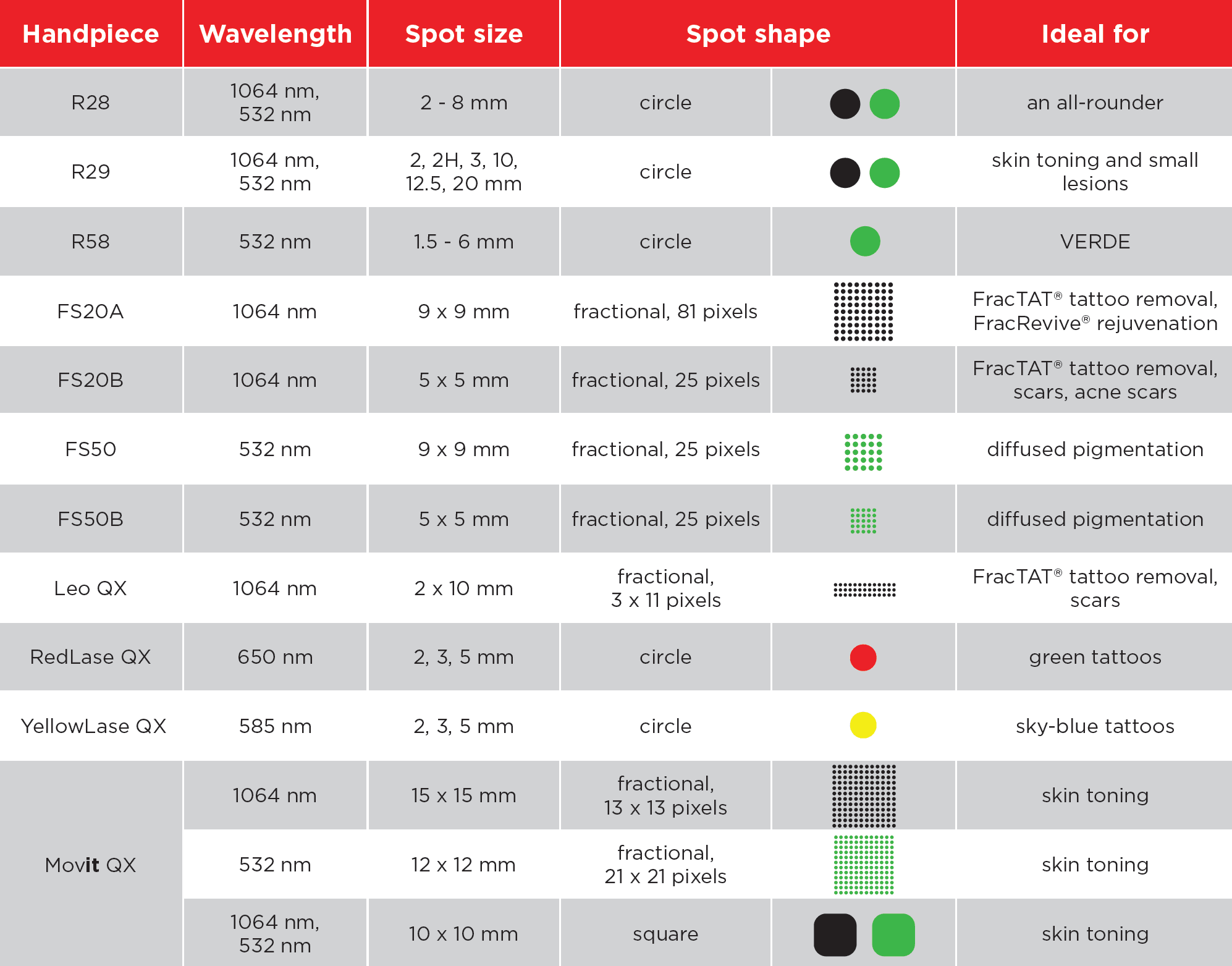
One of the biggest mistakes clinics make is looking at a laser only as a piece of equipment. In reality, a system like Fotona is closer to a treatment platform. According to Fotona’s official product and treatment pages, clinics can use its systems across a wide mix of aesthetic indications, from facial rejuvenation and eye treatments to body sculpting, pigmentation-related work, resurfacing and snoring-related treatment pathways.
That changes the commercial picture. If you buy a single-purpose machine, your return depends on one main treatment category. If you buy a multi-application platform, your return can come from several treatment categories at the same time. One patient may book Fotona4D for facial rejuvenation, another may want SmoothEye for the periocular area, while another may book TightSculpting or NightLase. This flexibility is one of the main reasons clinics see Fotona as a growth investment rather than just an equipment purchase.
The Running-Cost Conversation Matters
Cost is not only about the purchase price. It is also about what happens after the machine arrives. Fotona repeatedly highlights on its official product pages that its systems require little to no consumables, and it also stresses post-sales support and training. For clinics, that is important because lower ongoing consumable dependency can protect margins, while reliable support reduces the risk of the device becoming underused after purchase.
Understanding the Cost Side
The Purchase Price Is Only One Part of the Budget
Official Fotona pages in the sources reviewed do not publish a standard public purchase price, which means clinics usually need a direct quote based on the system, region, configuration and distributor terms. That makes sense in the medical device world, but it also means clinic owners should budget beyond the headline machine cost. You need to think about finance terms, room setup, staff scheduling, launch marketing, training days and the time needed to build treatment demand after installation.
This is where many clinics become too narrow in their thinking. They ask, “How much is the laser?” when the better question is, “What will it take to make this laser productive?” A machine can be technically impressive and still underperform commercially if the clinic has not planned the launch properly.
Why the Cost Can Be Easier to Justify
Fotona’s official messaging around flexible applications and low consumable dependency helps explain why clinics may still find the investment commercially attractive. If one platform can support several premium treatments, the cost can be spread across more income streams rather than relying on one flagship procedure alone.
Training: How Much Is Actually Needed?
Fotona Training Is Not an Afterthought
Training is one of the biggest practical issues when adding a new laser system. The good news is that Fotona places visible emphasis on post-sales support and practitioner education. Its official product pages mention ongoing support and training, and its workshop listings show structured education for systems such as SP Dynamis and TimeWalker Fotona4D.
One published Fotona workshop describes an intensive three-day training format covering laser physics, tissue interaction, Er:YAG and Nd:YAG applications, as well as live patient demonstrations. The same workshop also includes named protocols such as Fotona4D, SmoothEye, LipLase, TightSculpting and NightLase. That gives clinics a useful insight into what real onboarding can look like: not just theory, but treatment-specific education tied to actual applications.
Training Is About More Than Safety
Of course, training is vital for safety and treatment quality. But commercially, it matters for another reason too: confidence. A well-trained practitioner consults better, recommends more suitable combinations, and is more likely to use the machine regularly. Poor training often leads to hesitation, and hesitation leads to underuse. In business terms, underuse is one of the fastest ways to damage ROI.
What Services Can Help Drive Revenue?
Premium Treatments Support Better Revenue Per Patient
One reason Fotona gets attention from clinic owners is the level at which many treatments are priced in the market. For example, one UK clinic lists Fotona 4D Face Lift at £789 per session or £1,889 for three sessions, SmoothEye at £489 per session or £1,179 for three, TightSculpting Body at £449 per session or £1,079 for three, NightLase at £399 per session or £959 for three, and LipLase at £229 per session or £549 for three. These are public market prices, not universal fees, but they do show that Fotona treatments are commonly positioned as premium services.
That pricing structure matters because it creates room for packages, treatment plans and add-ons. Instead of depending on a high volume of low-ticket appointments, clinics can generate stronger income from a smaller number of well-sold courses.
The Real Profit Potential Comes From Treatment Stacking
The profit potential of Fotona usually becomes clearer when you stop looking at one treatment in isolation. A patient may start with Fotona4D, then add SmoothEye, later return for maintenance, or move into resurfacing or body work. A NightLase patient may become a skin patient. A body patient may later ask about facial tightening. Because Fotona’s official treatment menu is broad, it supports this kind of cross-treatment journey in a way single-purpose devices often do not.
Fotona Services
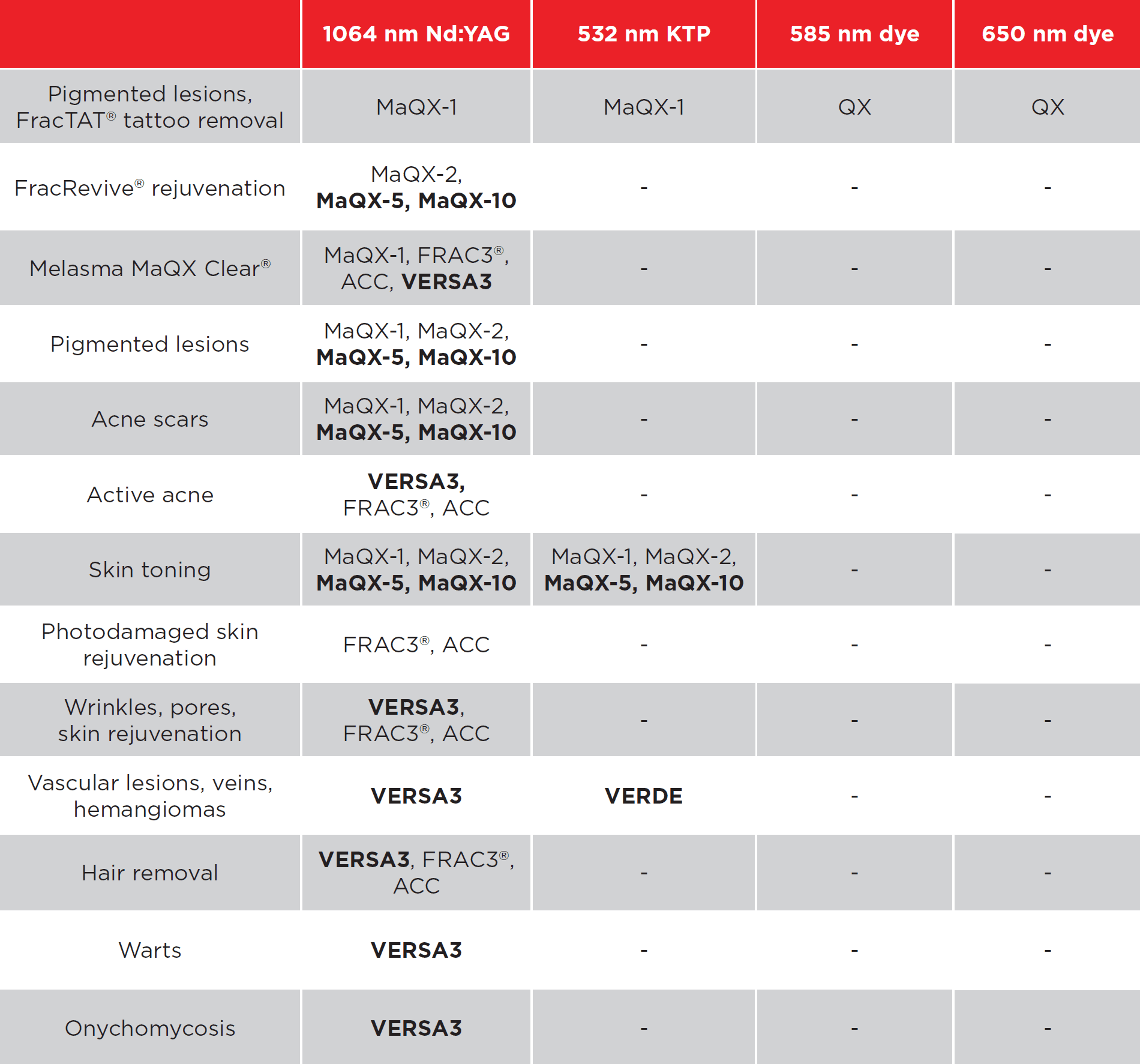
Fotona services can help clinics build a more complete and premium treatment offering because the platform covers a wide spread of aesthetic concerns. Official Fotona treatment pages include Fotona4D, TightSculpting, NightLase, SmoothEye, LipLase, scar revision, skin resurfacing, vascular lesions, permanent hair reduction and more. In practical terms, that means clinics can create personalized treatment plans instead of offering a narrow menu, which can improve both patient satisfaction and revenue opportunities.
Is the Profit Potential Realistic?
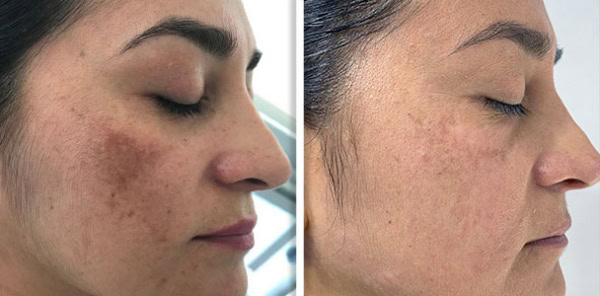
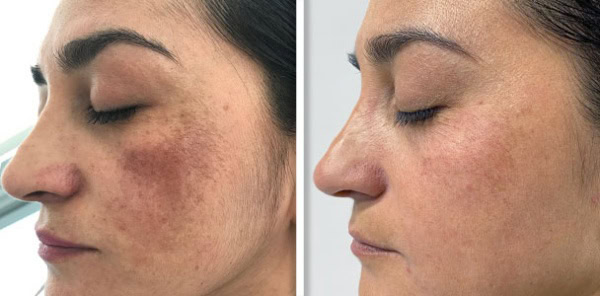
Yes, but only if the clinic treats Fotona as a business asset, not just a device. If you have strong consultations, package pricing, before-and-after marketing, and a team that is confident using the platform, Fotona can support several income streams at once. If you buy it and only promote one treatment, the return will be much slower.
That is the real commercial truth. The technology creates the opportunity, but the clinic creates the profit. Fotona’s flexible treatment range, low-consumable positioning, and documented training support make it easier to build a strong commercial model, but success still depends on utilisation, case selection and how well your team sells the patient journey.
Final Thoughts
Adding Fotona to your clinic can make sense for owners who want more than a single hero treatment. It offers breadth, premium treatment potential and structured training support, which are all valuable when you are trying to grow a modern aesthetic practice. The cost side still needs careful planning, especially because pricing is quote-based rather than publicly standardised, but the bigger picture is clear: Fotona is best understood as a platform that can support multiple services, multiple patient journeys and multiple revenue streams.
FAQs
Q: How much does it cost to add Fotona to a clinic?
Fotona does not publish a single public list price across the official pages reviewed here, so clinics usually need a direct quote based on system type, region and configuration. The total investment should also include finance terms, training, launch marketing and operational setup, not just the device price.
Q: Does Fotona provide training for clinics?
Yes. Fotona’s official materials mention post-sales support and training, and its published workshops show structured education that includes laser physics, tissue interaction and live demonstrations for treatments such as Fotona4D, SmoothEye, LipLase, TightSculpting and NightLase.
Q: Which Fotona treatments are most popular for clinics?
Fotona’s official aesthetics treatment pages list popular options such as Fotona4D, TightSculpting, NightLase, SmoothEye and LipLase, alongside resurfacing, scar revision and vascular work.
Q: Can Fotona be profitable for a small clinic?
It can be, especially if the clinic uses the platform across more than one treatment category and sells treatment packages rather than only one-off sessions. Public UK pricing shows that many Fotona services are positioned as premium offerings, which can support stronger revenue per patient.
Q: Are consumable costs high with Fotona?
Fotona’s official product pages state that little to no consumables are required for its systems, which can help clinics manage ongoing costs and protect margins.
Q: Is demand for laser-led aesthetic treatment still strong?
The broader market remains active. ASPS reported that skin resurfacing rose by 6% in 2024, showing continued consumer interest in minimally invasive skin treatments.