

Laser hair removal is one of the most requested treatments in aesthetic clinics. Patients want smoother skin, fewer ingrown hairs, less shaving and longer-lasting results than waxing or threading. For clinics, this means hair removal technology needs to be fast, safe, comfortable and suitable for a wide range of skin types.
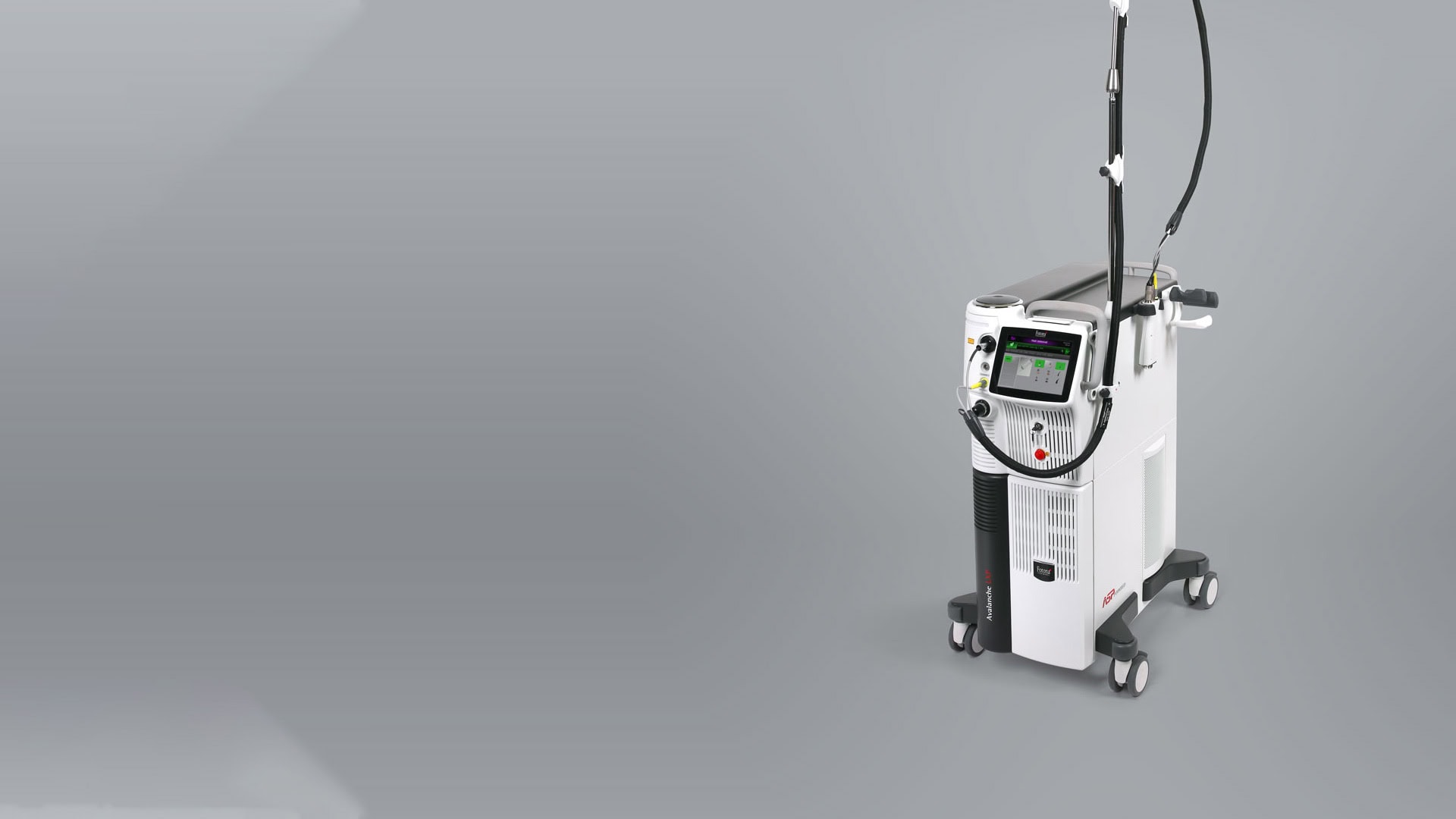
This is where the AvalancheLase® hair removal laser by Fotona becomes important. Fotona describes AvalancheLase® as a high-performance hair removal laser system that combines two wavelengths in one device: Alexandrite 755 nm and Nd:YAG 1064 nm. This gives clinics more flexibility because different skin tones and hair types often need different laser settings.
What is AvalancheLase®?
AvalancheLase® is a professional laser hair removal system designed for aesthetic clinics that want speed, safety and treatment versatility. It uses two well-known hair removal wavelengths:
Alexandrite and Nd:YAG.
The Alexandrite 755 nm wavelength is commonly used for lighter skin types with darker hair because it is strongly absorbed by melanin in the hair.
Nd:YAG 1064 nm
The Nd:YAG 1064 nm wavelength penetrates deeper and is less absorbed by surface skin pigment, making it a useful option for darker skin tones when used correctly. This dual-wavelength approach is one of the biggest reasons clinics value systems like AvalancheLase®.
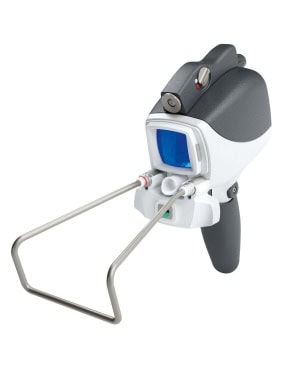
According to Fotona, AvalancheLase® allows practitioners to switch between wavelengths without needing separate handpieces or scanners. It makes treatment easier for the patient and practitioner.
How does laser hair treatment work?
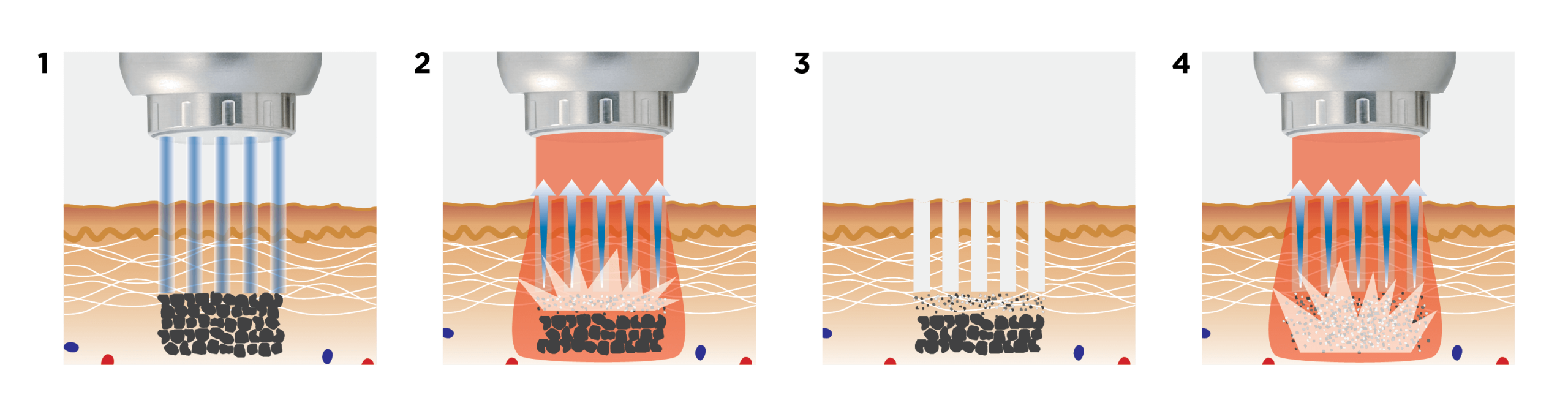
Laser hair removal targets the pigment within the hair follicle. The laser light is absorbed in the melanin of hairs, creating heat. This heat damages the follicle enough to reduce future hair growth.
Hair grows in cycles, and laser works best when the hair is in the active growth phase. Because not all hairs are active at the same time, patients need a course of treatments rather than one session. Over time, treated hair usually becomes finer, lighter and slower to grow.
Laser hair removal is better described as long-term hair reduction, not always permanent complete removal. Some patients may require maintenance sessions, particularly if hormonal conditions, genetics, or medical conditions continue stimulating hair growth. Mayo Clinic states that hormonal conditions such as PCOS can cause hair growth to continue and may require continued treatment.
What makes AvalancheLase® different?
The main strength of AvalancheLase® is its combination of speed, dual wavelengths and cooling technology. Fotona says the system can generate large spot sizes up to 30 mm and high frequencies, helping practitioners treat larger areas faster. This is important for clinic workflow, especially for legs, back, chest and full-body hair removal.
Another key feature is Fotona’s DMC™ cooling, also called Dry Spray Molecular Cooling. This cooling is integrated into the handpieces and scanners, so clinics do not need an additional cold-air cooling device. Fotona states that the system uses room temperature air and water, helping improve comfort and safety without the risk of cryo-injury from over-cooling the skin. For patients, this can make the treatment feel more comfortable. For clinics, it can reduce equipment needs and support smoother treatment delivery.
The Avalanche method explained simply
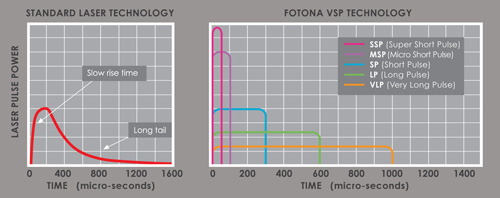
Fotona’s AvalancheLase® treatment modes are based on an “avalanche” effect. In simple terms, this means the system delivers consecutive laser pulses in a way that increases light absorption in the treated hair with each pulse. The aim is to improve effectiveness while keeping the treatment fast and patient-friendly.
This is useful because hair removal is not only about power. It is about delivering energy in a controlled way so the hair follicle is affected while the surrounding skin is protected. The combination of pulse delivery, wavelength selection and cooling helps clinics treat more safely and efficiently.
Why two wavelengths matter
Not every patient has the same skin tone or hair type. A laser that works well for one person may not be the safest choice for another. This is why dual-wavelength technology is valuable. Alexandrite 755 nm is often used when there is strong contrast between lighter skin and darker hair. It can be very effective because the hair absorbs the laser energy well.
Nd:YAG 1064 nm is often preferred for darker skin types because it reaches deeper and is less absorbed by melanin in the skin surface. Mayo Clinic explains that for Black and brown skin, the laser type and energy settings are especially important to reduce the risk of burns or lasting skin colour changes. With both wavelengths in one system, clinics have more control. They can choose the wavelength based on skin tone, hair thickness, treatment area and safety needs.
What areas can AvalancheLase® treat?
AvalancheLase® can be used for common hair removal areas such as the face, upper lip, chin, underarms, arms, legs, bikini line, back, chest, shoulders and abdomen. Treatment choice depends on the patient’s skin type, hair colour and sensitivity.
Large areas benefit from fast treatment speed and large spot sizes. Smaller areas benefit from precision and careful control. This makes the device useful for both quick maintenance-style treatments and larger treatment plans. Laser hair removal works best on darker hair. White, grey, red and very blonde hair may not respond well because there is less melanin for the laser to target.
What happens during treatment?
A proper treatment should start with a consultation. The practitioner checks your skin type, hair colour, medical history, medication, recent tanning, skin sensitivity and treatment goals. A patch test may be recommended, especially for darker skin tones or sensitive areas.
Before treatment, the area is usually shaved. Waxing and plucking should be avoided before laser because the laser needs the hair root to be present. During the session, protective eyewear is used and the laser is moved over the treatment area. You may feel warmth, snapping or a prickling sensation. Cooling helps make the treatment more comfortable. After treatment, the skin may look slightly red or raised around the follicles. This usually settles quickly.
How many sessions are needed?
Most patients need a course of treatments. A common plan is 6 to 8 sessions, but some people need more depending on hair growth, hormones, skin type and treatment area.
Facial hair often needs more maintenance because it can be hormone-sensitive. The results may be more predictable in certain body areas, such as the legs and underarms. The results are typically gradual. Hair grows back finer after each treatment. Clinicians should not promise permanent total hair removal. It is more accurate to promise long-term hair reduction, with the possibility of maintenance.
Is AvalancheLase® safe?
AvalancheLase® can be safe when used by trained professionals who choose the correct settings. Like all laser hair removal treatments, there are risks. These may include temporary redness, swelling, discomfort, burns, blisters, darkening or lightening of the skin, and rare scarring.
Safety depends heavily on practitioner skill. Mayo Clinic notes that risks depend on skin colour, treatment plan and how closely care instructions are followed. The risk of skin colour changes is higher in people with Black or brown skin and in those who do not avoid sun exposure before or after treatment. This is why consultation, correct wavelength selection and aftercare are essential.
Before and aftercare advice
Before treatment, avoid tanning, sunbeds, waxing, plucking and strong exfoliation. The area should usually be shaved before the session. Tell your clinic about any medication, skin conditions or recent cosmetic treatments.
After treatment, avoid hot showers, saunas, intense exercise, exfoliation and sun exposure for a short period. Use gentle skincare and SPF on exposed areas. Do not pick or scratch the skin if it feels sensitive. Good aftercare helps reduce side effects and supports better results.
Why clinics choose AvalancheLase®
Clinics choose AvalancheLase® because it combines patient comfort with practical business value. The system offers Alexandrite and Nd wavelengths in one device, integrated cooling, large spot sizes, fast treatment capability and flexible settings.
For clinics, this can mean shorter treatment times, easier wavelength switching, a wider patient base and a stronger hair removal service menu. Patients can expect a more personalized treatment, as well as a more pleasant experience.
Fotona services
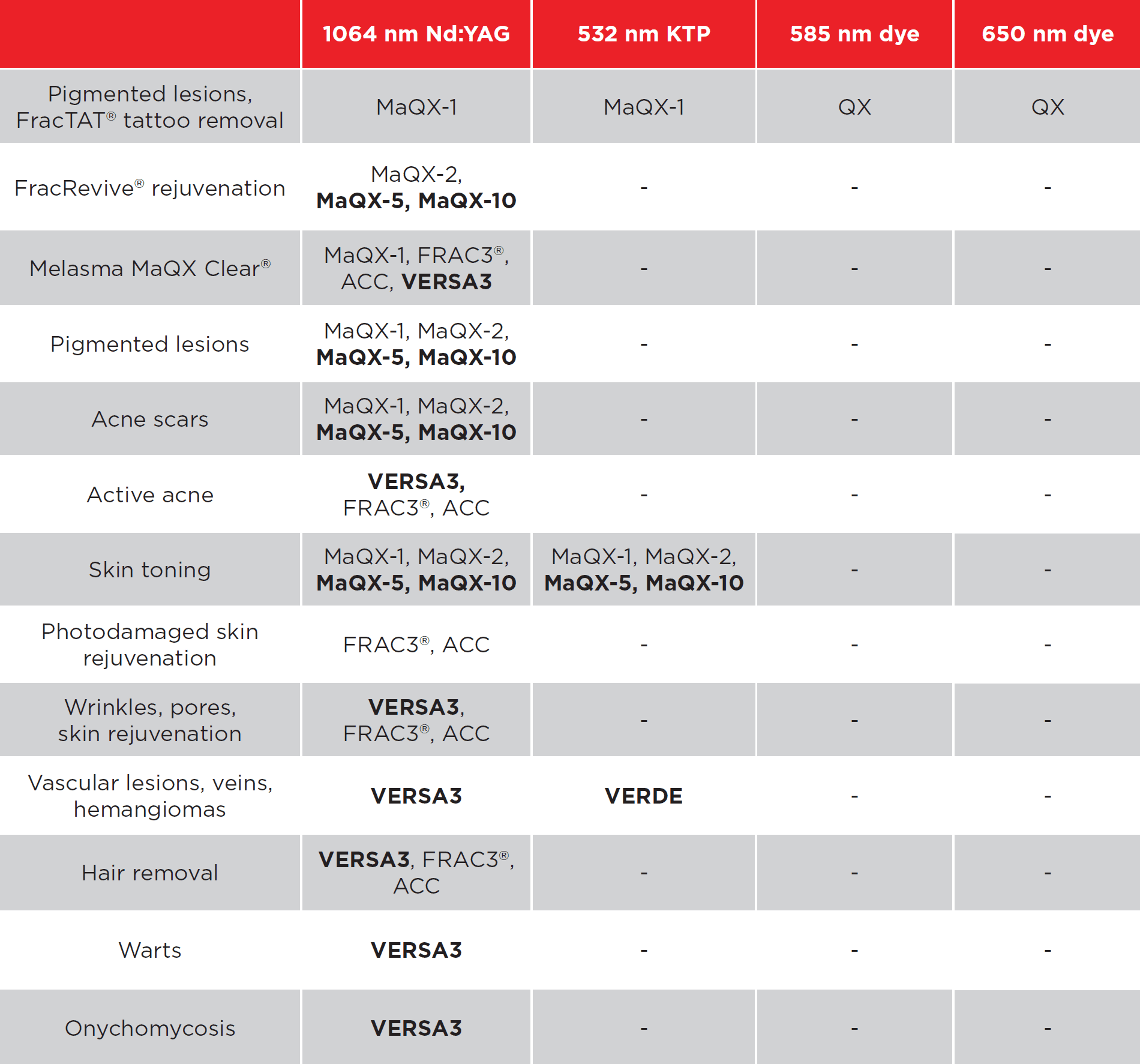
Fotona services are designed around advanced medical laser technology for clinics that want flexible, effective and patient-friendly treatment options. With systems such as AvalancheLase®, Fotona supports professional laser hair removal across different skin types and treatment areas using dual-wavelength technology and integrated cooling. Fotona’s wider aesthetic portfolio also includes solutions for skin rejuvenation, pigmentation, acne scars, resurfacing and other medical-grade laser treatments, helping clinics offer a more complete patient journey.
Final thoughts
AvalancheLase® is a strong laser hair removal technology for clinics that want speed, safety and versatility. Its combination of Alexandrite 755 nm and Nd 1064 nm wavelengths allows practitioners to treat a wider range of patients, while DMC™ cooling helps support comfort and safety.
For patients, the most important step is choosing a trained clinic that understands skin type, hair type and safe laser settings. AvalancheLase (r) is a new way for clinics to improve treatment efficiency and meet the growing demand for permanent hair reduction.
FAQs
- What is AvalancheLase®?
AvalancheLase ® is an Avalanche laser hair removal device that combines Alexandrite (755 nm) and Nd (1064 nm) wavelengths into one device.
- Does AvalancheLase ®work on all skin types?
AvalancheLase ®is safe for all types of skin when used correctly, according to Fotona. A trained professional must select the correct wavelength and setting.
- What is the procedure for laser hair removal?
Laser hair removal works by targeting the pigment within the hair follicle. The heat created by the absorbed energy reduces future growth.
- How many sessions do I need?
The average patient will need 6-8 sessions. However, this depends on the hair type, skin color, hormones, and treatment area.
- Is Laser hair removal permanent?
This is best described by the term “long-term hair reduction”. Over time, some hairs may grow back and you may need to have maintenance sessions.
- Can darker skin be treated with laser hair removal
For darker skin tones, Nd 1064nm is used because it absorbs less surface pigment.
- What areas can be treated?
Common areas include face, underarms, arms, legs, bikini line, back, chest, shoulders and abdomen.
- What should I avoid before treatment?
Avoid tanning, sunbeds, waxing, plucking and strong exfoliation. The area is usually shaved before treatment.
- Why do clinics invest in AvalancheLase®?
Clinics invest in AvalancheLase® because it offers dual wavelengths, fast treatment speed, integrated cooling and flexibility for different patient needs.