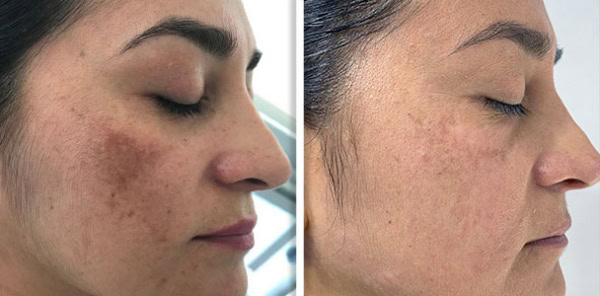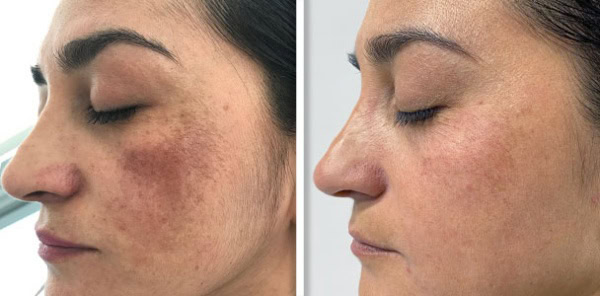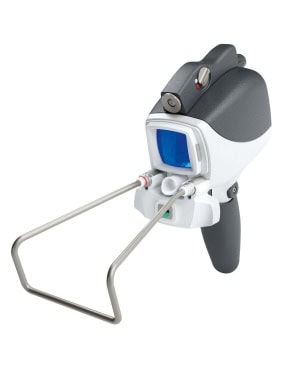


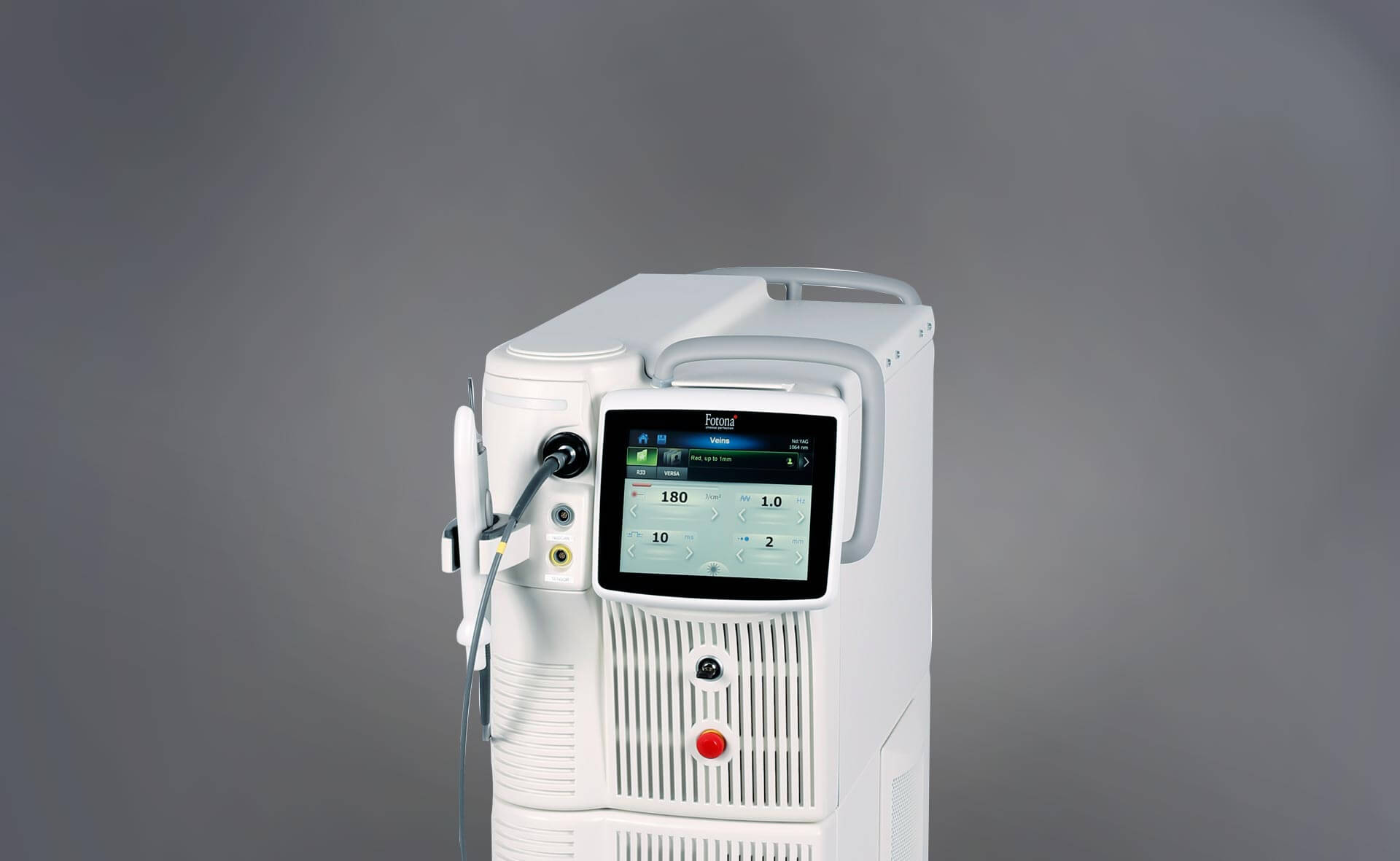
XP Dynamis is an advanced Fotona Nd:YAG laser platform designed for fast, versatile and high-quality aesthetic and surgical treatments. It uses high-performance long-pulse Nd:YAG and QCW Nd:YAG laser technology to support treatments such as hair reduction, skin rejuvenation, acne, vascular concerns and minimally invasive surgical procedures. For clinics, XP Dynamis is valuable because it offers speed, deep tissue reach, low downtime and a wide treatment range from one platform.
What is XP Dynamis?
XP Dynamis is a professional laser machine by Fotona, designed for clinics that want strong treatment performance with speed and flexibility. Fotona describes it as an aesthetic and surgical laser system built around high-performance non-ablative long-pulse Nd:YAG and surgical QCW Nd:YAG lasers. This gives clinics a wide treatment range across aesthetics, dermatology and surgery.
In simple words, XP Dynamis is not a surface resurfacing laser like some Er:YAG systems. Its main strength is deeper, non-ablative Nd:YAG laser energy. This means it can create controlled thermal effects below the skin surface while keeping the outer skin more protected. For clinics that want fast treatments, less downtime and a strong multi-use system, XP Dynamis can be an important investment.
Why Nd:YAG technology matters
The XP Dynamis uses the 1064 nm Nd:YAG wavelength. This wavelength is known for reaching deeper skin layers than many shorter wavelengths. It is also less absorbed by melanin in the surface skin, which can make it useful across different skin types when used correctly.
Nd:YAG technology is commonly used for hair reduction, vascular treatments, acne, rejuvenation and deeper heating procedures. Fotona states that its Nd:YAG laser can create thermal effects deep in the skin without damaging the surface. This is one reason the system is attractive for non-ablative treatments where patients want results with reduced recovery time. The keyword here is control. A professional laser is not about simply being powerful. It is about delivering the right amount of energy to the right depth for the right patient.
What treatments can XP Dynamis support?
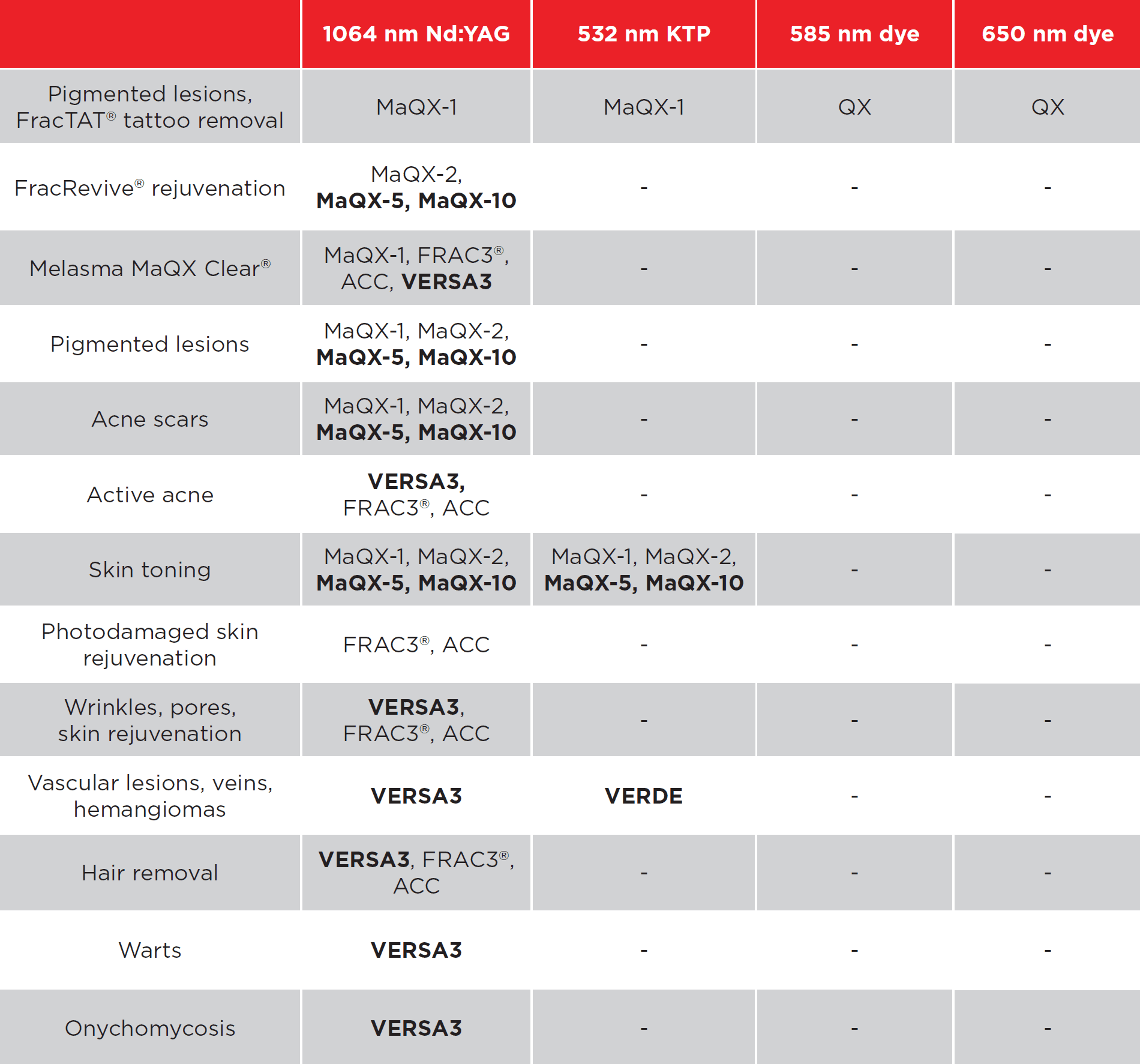
XP Dynamis supports a broad range of treatments, depending on training, handpieces and local approvals. Common treatment areas include laser hair reduction, skin rejuvenation, acne treatment, vascular lesion treatment, non-ablative tightening-style procedures and minimally invasive surgical applications.
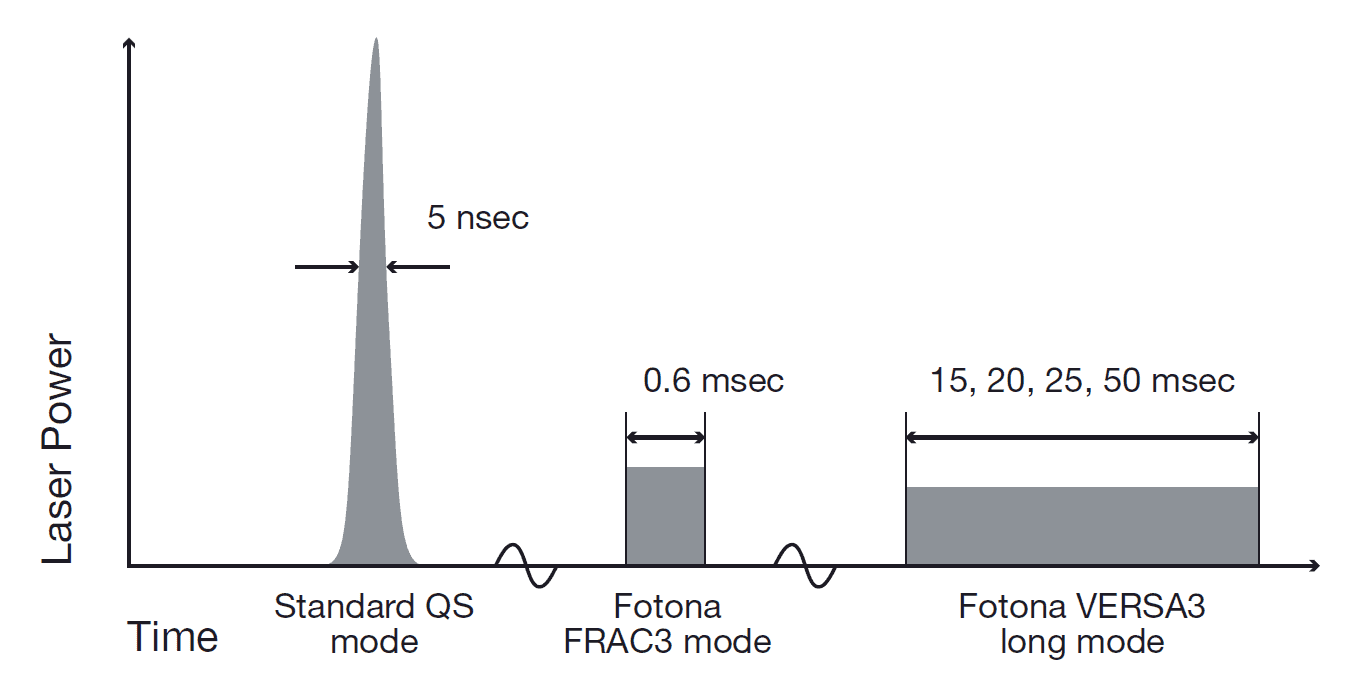
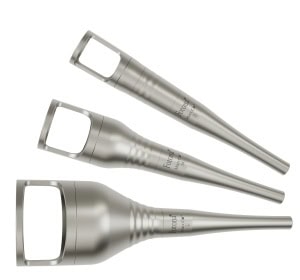
Fotona also highlights that XP Dynamis can be used with scanner technology and top-hat distribution handpieces, supporting large-area treatments with better speed, safety and efficiency. This can be useful for clinics treating larger body areas or offering high-volume services. The platform also supports Fotona modes such as LP, FRAC3®, QCW and PIANO®. These modes allow practitioners to approach different concerns with different pulse styles and tissue effects.
What is PIANO® mode?
PIANO® mode is one of Fotona’s important Nd:YAG technologies. It uses super-long pulse durations to create deep bulk heating while helping protect the epidermis. In simple terms, it warms deeper tissues more gradually, rather than creating sudden high temperature peaks at the surface. This can be useful for tightening-style treatments, body and facial rejuvenation, and procedures where deeper heating is needed with comfort and safety in mind. For patients, this may mean a more comfortable treatment experience with little downtime. For clinics, it gives another way to offer premium non-ablative rejuvenation.
What is FRAC3®?
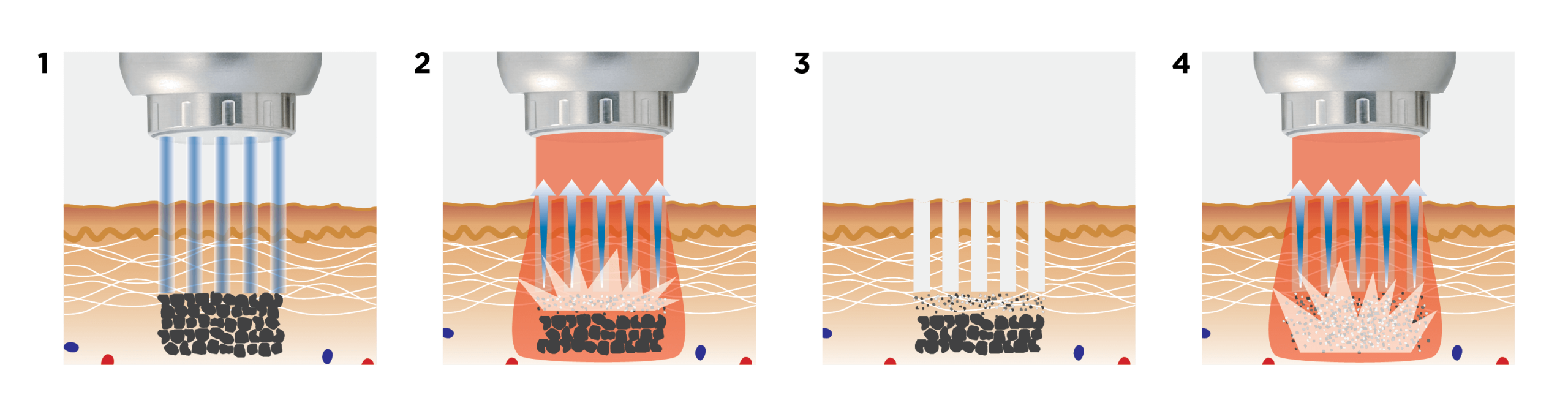
FRAC3® is a Fotona treatment mode designed to create a three-dimensional fractional effect in the skin. Instead of treating the skin surface in a traditional fractional pattern, FRAC3® targets small imperfections inside the skin. This may help support rejuvenation while leaving more surrounding tissue unaffected, which can encourage faster recovery compared with some more aggressive resurfacing methods. FRAC3® can be useful for clinics that want to offer skin quality improvement without the downtime linked to ablative resurfacing.
VSP and EFC: why safety features matter
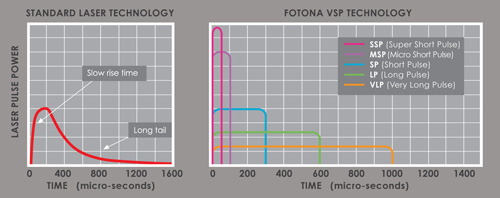
Fotona’s VSP, or Variable Square Pulse technology, allows controlled square pulses with adjustable pulse duration. This helps practitioners manage how energy is absorbed in tissue. XP Dynamis also includes EFC, or Energy Feedback Control. The machine will deliver energy according to the settings selected. Consistency is key to laser safety. The practitioner and patient benefit from a more controlled treatment when energy is delivered with accuracy.
XP Dynamis vs SP Dynamis
XP Dynamis and SP Dynamis are both advanced Fotona platforms, but they are not the same. XP Dynamis is focused on Nd:YAG technology. Its strength is deeper non-ablative treatments, speed and surgical Nd:YAG capability. It is suitable for clinics that want strong performance in hair reduction, vascular work, acne, rejuvenation and selected surgical procedures.
SP Dynamis combines Nd:YAG with Er:YAG. This means it can treat deeper layers and also perform precise surface resurfacing. For clinics that want a wider skin resurfacing and rejuvenation portfolio, SP Dynamis may offer broader surface-to-depth flexibility. The best choice depends on the clinic’s service menu. If the focus is fast non-ablative Nd:YAG treatments, XP Dynamis has a strong place. If the clinic also wants advanced resurfacing, SP Dynamis may be more suitable.
XP Dynamis vs XS Dynamis
- XS Dynamis is mainly an Er:YAG resurfacing platform. It is designed for precise skin resurfacing, peeling, texture improvement, scars and surface rejuvenation.
- XP Dynamis is different because it is based on Nd:YAG. It reaches deeper and is often used for non-ablative treatments where the surface remains more protected.
- In simple terms, XS Dynamis is more surface-focused, while XP Dynamis is more depth-focused. Both can be valuable, but they serve different clinic needs.
Who is a good candidate for XP Dynamis treatments?
Suitable patients depend on the specific treatment. XP Dynamis may be used for people looking for hair reduction, vascular improvement, acne support, skin rejuvenation or non-ablative collagen stimulation.
Patients who prefer a gradual improvement and reduced downtime to a strong peeling or resurfacing may find it more suitable. However, not everyone is suitable. Patients with recent tanning, active infection, certain medical conditions, pregnancy, photosensitive medication or unrealistic expectations may need to delay or avoid treatment. A professional consultation is always needed before laser treatment.
What happens during treatment?
A consultation comes first. The practitioner checks skin type, concern, medical history, treatment area and expected outcome. Protective eyewear is used during treatment. The sensation depends on the procedure. Patients may feel warmth, snapping, pulsing or deep heating. Some treatments are quick, especially when scanners or larger treatment areas are involved.
The skin may appear slightly irritated or reddened after treatment. Non-ablative treatments usually have a low downtime, depending on the treatment and settings.Patients should follow aftercare, avoid sun exposure and use SPF where needed.
Why clinics choose XP Dynamis
Clinics choose XP Dynamis because it offers speed, versatility and strong Nd:YAG performance. It supports popular treatment categories and can help clinics expand their non-ablative and minimally invasive service menu.
Its scanner compatibility, top-hat handpieces, PIANO® mode, FRAC3®, VSP and EFC technology make it useful for clinics that want advanced performance with practical workflow benefits. For many clinics, the value is clear: one platform can support several treatment pathways and help meet patient demand for effective treatments with less downtime.
Fotona services
Fotona services are built around advanced medical laser technology for clinics that want safe, flexible and high-performance treatment options. With systems such as XP Dynamis, Fotona supports non-ablative aesthetic treatments including hair reduction, skin rejuvenation, acne treatment, vascular work and selected surgical applications. Fotona’s wider portfolio also includes platforms for resurfacing, pigmentation, tattoo removal, body sculpting and non-surgical facial rejuvenation, helping clinics build a complete patient journey from skin health to advanced aesthetic care.
Final thoughts
XP Dynamis is a strong choice for clinics that want a fast, versatile Nd laser platform. It offers deep tissue reach, low-downtime treatment options and a wide range of aesthetic and surgical applications.
These treatments are non-ablative and can be used by patients. These treatments help to improve the skin, reduce hair and treat vascular problems when they are administered with care. Clinics will benefit from the powerful platform of multi-treatments, which expands services and increases efficiency.
FAQs
- What is XP Dynamis?
XP Dynamis is a Fotona Nd laser machine designed for aesthetic, dermatology and surgical treatments.
- What treatments can XP Dynamis perform?
It can support treatments like hair reduction and skin rejuvenation.
- Is XP Dynamis an Er laser?
No. XP Dynamis is based on Nd technology. Fotona’s SP Dynamis and XS Dynamis include Er resurfacing options.
- What is Nd used for?
Nd is commonly used for deeper laser treatments such as hair reduction, vascular work, acne treatment and non-ablative rejuvenation.
- What is PIANO® mode?
PIANO® mode is a Fotona super-long pulse Nd mode designed for deep bulk heating while helping protect the skin surface.
- Is XP Dynamis suitable for all skin types?
Nd can be suitable for a range of skin types when used correctly, but every patient needs assessment first.
- Is there downtime after XP Dynamis treatment?
The downtime of non-ablative treatment depends on many factors, including the area treated, the settings, and the skin response.
- How many sessions are needed?
This depends on the treatment. Hair reduction, acne and rejuvenation usually need a course of sessions.
- How is XP Dynamis different from SP Dynamis?
XP Dynamis is mainly Nd based, while SP Dynamis combines Nd and Er for deeper and surface treatments.
- Why do clinics invest in XP Dynamis?
Clinics invest in XP Dynamis because it offers speed, versatility, scanner compatibility and a wide range of high-demand aesthetic treatments.