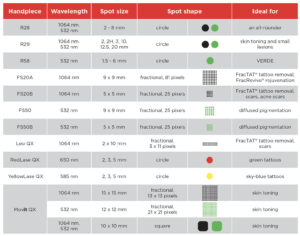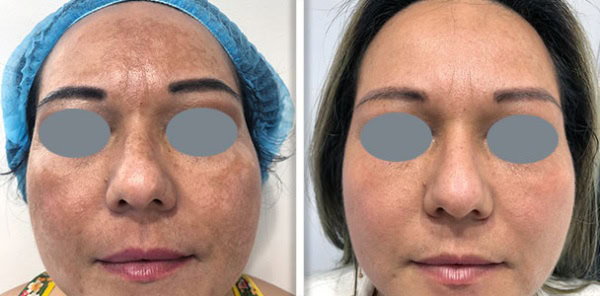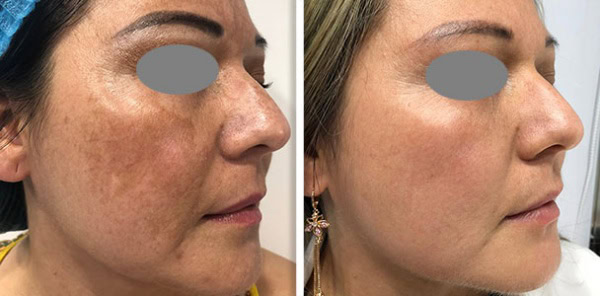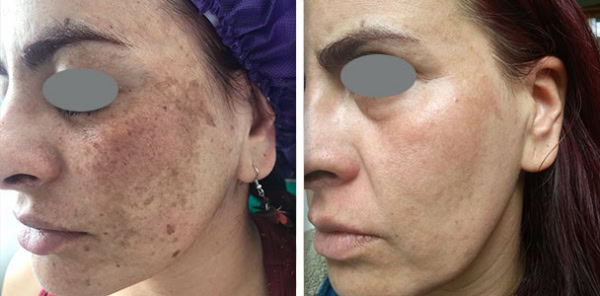


Multi-treatment laser systems help clinics increase revenue by allowing one platform to support several high-demand services, such as skin rejuvenation, resurfacing, pigmentation, acne scars, hair reduction and tightening-style treatments. Instead of buying a separate device for every concern, clinics can use one flexible system to treat more patients, improve appointment flow, create packages and increase lifetime patient value.
Why Multi-Treatment Laser Systems Matter
Aesthetic clinics are under more pressure than ever. Patients want visible results, natural-looking improvements and less downtime. At the same time, clinics must manage staff costs, room use, marketing spend and device investment.
This is why multi-treatment laser systems have become so important. A single-purpose device can be useful, but it limits how many services a clinic can offer from one room. A multi-treatment platform gives the clinic more options. It can support different concerns, different patient types and different price points.
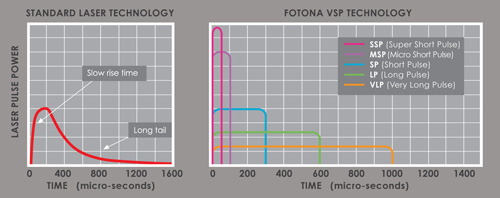
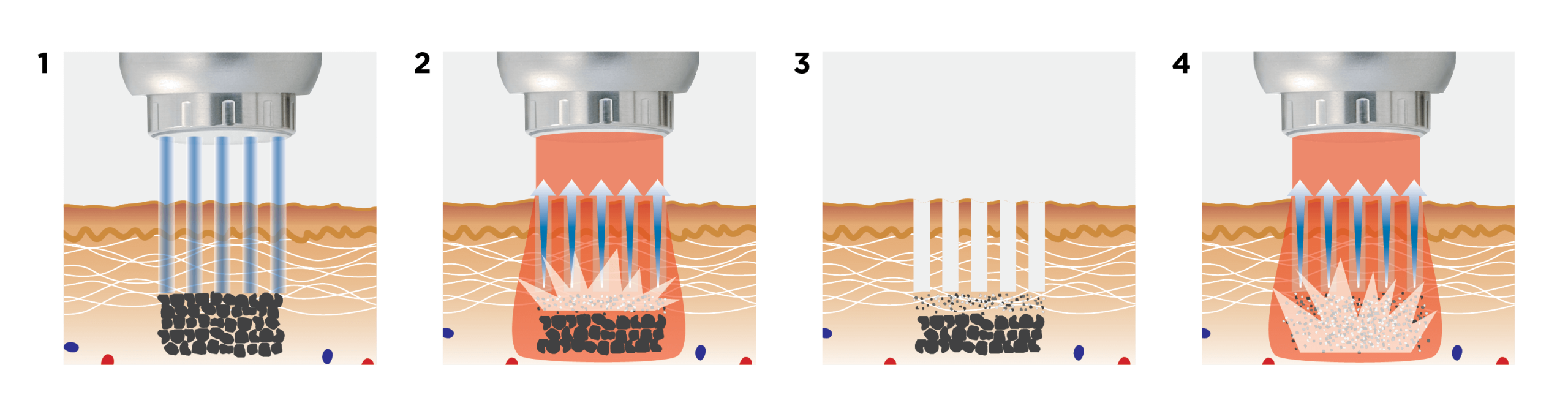
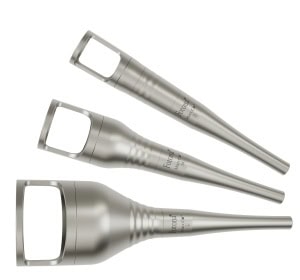
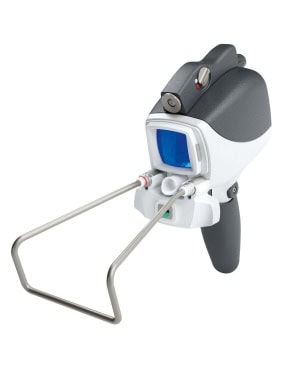
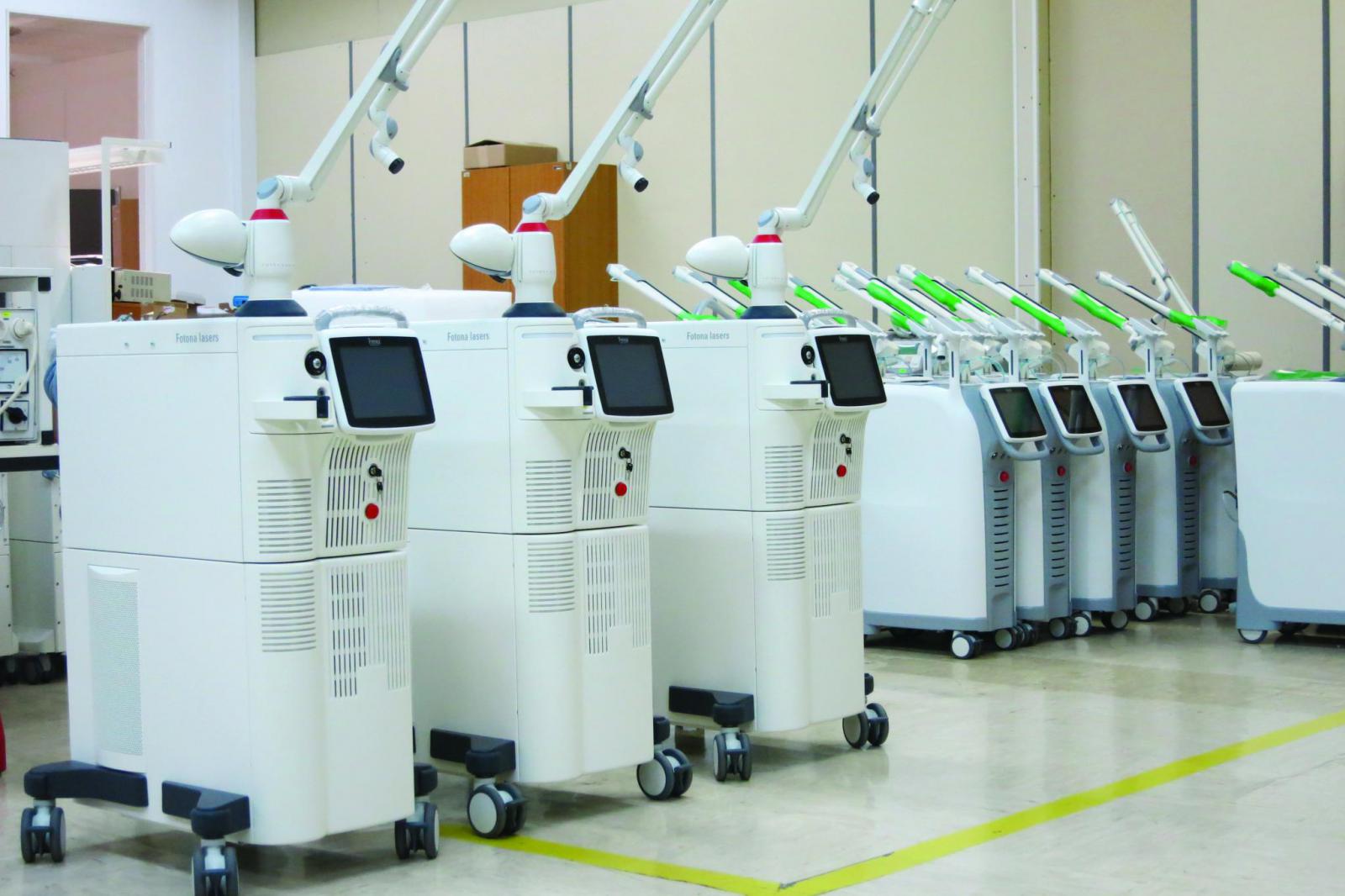
Fotona describes its SP Dynamis platform as a highly versatile laser system combining Er:YAG and Nd:YAG wavelengths for a wide range of aesthetic, surgical and gynaecological applications. Fotona also states that SP Dynamis offers more than 100 approved applications and can replace multiple energy-based devices. This is exactly the type of flexibility clinics look for when planning growth.
The Revenue Problem with Single-Purpose Devices
A single-purpose device may perform one treatment well, but it can quickly become restrictive. If demand drops, the machine sits unused. If patients ask for other treatments, the clinic either loses the opportunity or needs to buy another device. This creates a common problem: high investment, limited earning potential and poor room utilisation.
For example, a clinic that owns only a hair removal laser must keep bringing in hair removal patients to justify the cost. But a clinic with a wider laser platform can treat hair, pigmentation, scars, resurfacing, rejuvenation and tightening-style concerns from the same treatment room. This does not automatically guarantee profit, but it gives the clinic more routes to generate revenue.
More Treatments from One Platform
The biggest revenue advantage is service expansion. A multi-treatment laser system allows clinics to build a broader menu without filling the clinic with too many machines.
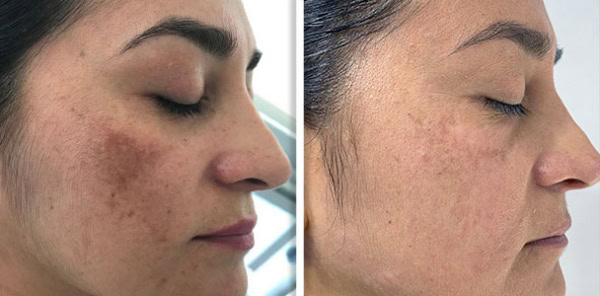
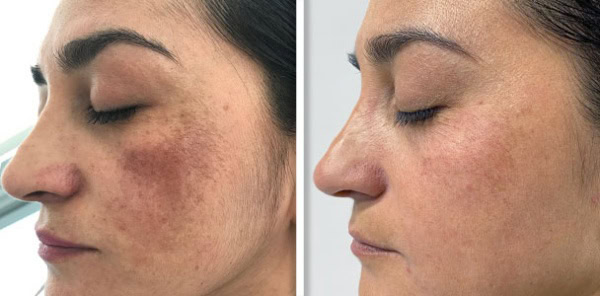
One patient may come in for acne scar treatment. Another may want pigmentation removal. A third may ask for facial rejuvenation. A fourth may want hair reduction or texture improvement. With a flexible platform, the clinic can answer more of these enquiries without sending patients elsewhere.
This also improves consultation value. Instead of offering one fixed treatment, the practitioner can create a tailored plan. Patients are more likely to trust a clinic that explains several suitable options rather than forcing one service on everyone.
Higher Patient Lifetime Value
Strong clinic growth is not only about attracting new patients. It is also about increasing the value of each patient relationship over time.
A multi-treatment system helps clinics do this because it supports treatment journeys. A patient might begin with pigmentation treatment, then return for skin resurfacing, then book maintenance rejuvenation sessions. Someone who starts with acne scar treatment may later ask about texture, pores or skin quality.
This creates continuity. Instead of one-off appointments, the clinic builds repeat bookings and long-term care plans. In business terms, lifetime patient value often matters more than a single sale.
Better Room and Staff Utilisation
Clinic rooms are expensive. Staff time is expensive. A treatment room that is empty for part of the week is lost revenue.
Multi-treatment platforms can improve room utilisation because the same space can be used for multiple services. Morning appointments might involve pigmentation. Afternoon appointments might include acne scars or resurfacing. One day, you may be focusing on hair rejuvenation or reduction.
This flexibility allows clinics to balance their demand throughout the week. It also gives staff more ways to stay productive. For growing clinics, this can be more practical than buying several machines and needing separate training, maintenance and storage for each one.
Package Creation and Cross-Selling
Multi-treatment systems make packaging easier. Clinics can create structured treatment journeys rather than selling isolated sessions.
For example, a “skin clarity” package may include pigmentation treatment and rejuvenation. An “acne scar improvement” plan may combine a scar-focused laser with resurfacing and maintenance. A “premium skin renewal” plan may include tightening-style treatment, texture improvement and glow-focused resurfacing.
Packages help patients understand the journey. They also help clinics increase average treatment value without sounding pushy. The key is to package around patient goals, not around machine settings. Patients do not buy wavelengths. They buy confidence, smoother skin and visible improvement.
Marketing Becomes Easier
Multi-treatment laser systems also support stronger marketing. A clinic can create pages for each concern: pigmentation, acne scars, resurfacing, hair removal, skin tightening, pores, texture and rejuvenation. This gives the website more chances to rank in search engines. It also answers the exact questions patients are already asking.
The non-invasive aesthetic treatments market is expected to grow from USD38.7 billion in 2020 to USD64.1 billion by 2033. This shows a strong demand for nonsurgical aesthetic services. This means clinics with clear laser treatment pages are positioning themselves in a growing market.
Training Is the Profit Multiplier
A laser platform only becomes profitable when the team knows how to use it properly. Training affects safety, results, confidence and conversion.
A well-trained practitioner can better assess the skin, communicate treatment options clearly, and manage patient expectations. This improves patient satisfaction and builds trust. It also encourages repeat bookings.
Poor training does the opposite. It can lead to weak results, complications, refunds and negative reviews. Clinicians should consider training to be an investment and not an extra.
Pricing Must Match Value
Another mistake clinics make is underpricing premium laser treatments. A multi-treatment system is a serious investment, so pricing must reflect expertise, equipment quality, consultation time, aftercare and results.
Low pricing may attract bargain patients, but it can weaken the clinic’s brand and reduce profit margins. A better approach is clear value-based pricing. Patients should understand what they are paying for: technology, skill, safety, treatment planning and follow-up care.
Fotona Services
Fotona services are built around advanced medical laser technology designed to help clinics offer flexible, high-quality treatment options from one trusted platform. Depending on the system used, Fotona can support skin rejuvenation, resurfacing, acne scar treatment, pigmentation, vascular work, hair reduction, body sculpting and non-surgical facial treatments. For clinics, this creates a stronger treatment portfolio and more opportunities for repeat bookings. For patients, it means more tailored care under one roof.
Final Words
Multi-treatment laser systems help clinics grow because they increase flexibility. They allow clinics to treat more concerns, serve more patients, create packages, improve room use and build long-term patient journeys.
The real profit does not come from owning a machine. It comes from using it well. Clinics that combine the right platform with strong training, clear pricing, honest marketing and patient-focused consultations are more likely to turn laser technology into sustainable revenue.
FAQs
- How do multi-treatment laser systems increase clinic revenue?
They allow clinics to offer several treatments from one platform, improving service variety, room use and repeat bookings.
- Are multi-treatment lasers better than single-purpose devices?
For many clinics, yes. They provide more flexibility and reduce dependence on one treatment category.
- What treatments can a multi-treatment laser support?
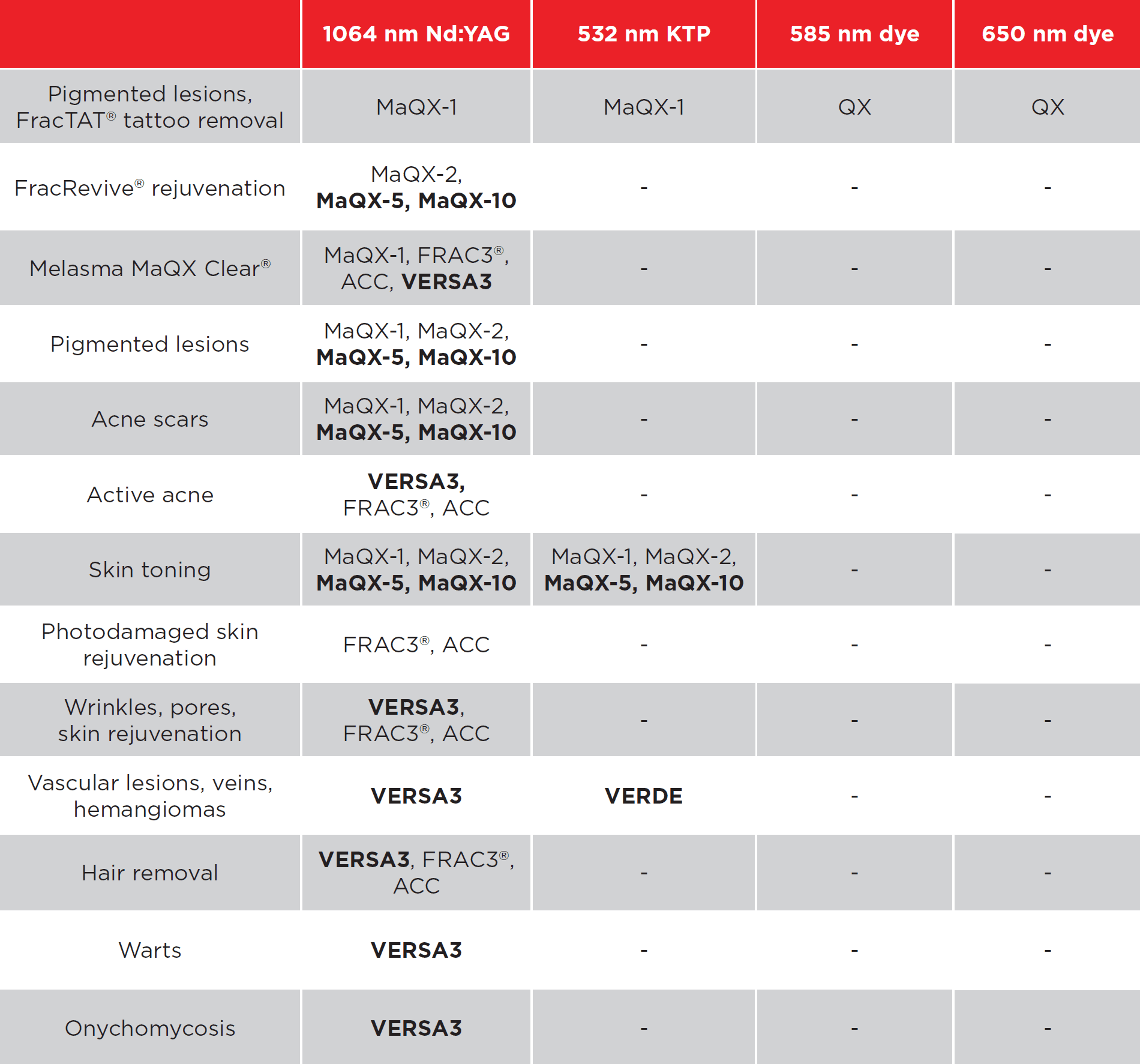
Depending on the system, it may support rejuvenation, resurfacing, pigmentation, acne scars, hair reduction, vascular work and tightening-style treatments.
- Do multi-treatment lasers guarantee profit?
No. Profit depends on demand, training, pricing, marketing, staff skill and how well the clinic uses the platform.
- Why is training important?
Training improves safety, results, consultation confidence and patient satisfaction, all of which support revenue growth.
- Can laser packages improve bookings?
Yes. Packages help patients understand treatment journeys and can increase average treatment value.
- How does a laser platform improve website SEO?
Each treatment can have its own page targeting patient searches such as acne scars, pigmentation, resurfacing and skin rejuvenation.
- Why do clinics choose Fotona systems?
Clinics choose Fotona because its platforms support a wide treatment range and help build flexible aesthetic service menus.
- What is the biggest mistake clinics make?
Buying an advanced device without a clear marketing, pricing and training plan.
- Who can get benefits most from multi-treatment laser systems?
Those clinics benefit the most those who want to expand beyond single treatments and build long-term patient journeys.