

The payback period of an aesthetic laser machine is the time it takes for the device to earn back its purchase cost through net profit. A simple formula is: machine cost ÷ monthly net profit = payback period in months. The faster the clinic fills appointments, prices treatments correctly and uses the machine across several services, the shorter the payback period becomes. Multi-treatment systems often improve ROI because they create more ways to generate income from one platform.
What Is the Payback Period?
The payback period is one of the simplest ways to judge whether an aesthetic laser machine is a sensible business investment. It tells clinic owners how long it may take to recover the money spent on the device.
For example, if a laser costs £80,000 and generates £8,000 net profit per month, the payback period is around 10 months. After that, future profit becomes easier to measure because the main equipment cost has been recovered. This is not the only number that matters, but it is a very useful starting point. Clinics should also consider treatment demand, staff training, finance costs, service contracts, marketing spend and how often the machine will be used.
Why Payback Period Matters for Clinics
Aesthetic laser machines can be major investments. Buying the wrong device can tie up cash, reduce flexibility and leave treatment rooms underused. Globally, the non-invasive aesthetic treatment market is expected to grow from USD 38.7billion in 2020 to USD 64.11billion by 2033. This indicates a high demand for nonsurgical procedures. Aesthetic lasers are also expected to grow, from USD 2,79 billion in 2030 to USD 4,19 billion. Clinics invest in a market that is growing, but this does not guarantee profits. It is still necessary to have a clearly defined payback plan.
How to Calculate Payback Period
The basic calculation is simple:
- Payback period = total machine cost ÷ monthly net profit.
- Monthly net profit means income after direct costs. These costs can include consumables and staff time as well as finance payments, maintenance plans, marketing, service plans and room costs.
- If, for example, a clinic makes 14,000 USD per month in laser treatments, and the direct monthly costs amount to 5,000 USD, then its net monthly profit will be 9,000 USD. The payback period for a machine that costs USD 90,000.000 is 10 months.
- A competitor’s ROI example published in 2026 divided the device cost by monthly net profit. This formula was used in order to estimate how long it would take to recover the cost.
What Affects Laser Machine Payback?
Several factors decide whether payback is fast or slow. The first is the treatment volume. A machine used twice a week will take much longer to pay back than a machine used every day. The second factor is pricing. Underpricing may increase bookings, but it can weaken profit. A premium laser treatment should be priced around skill, technology, consultation, aftercare and patient value.
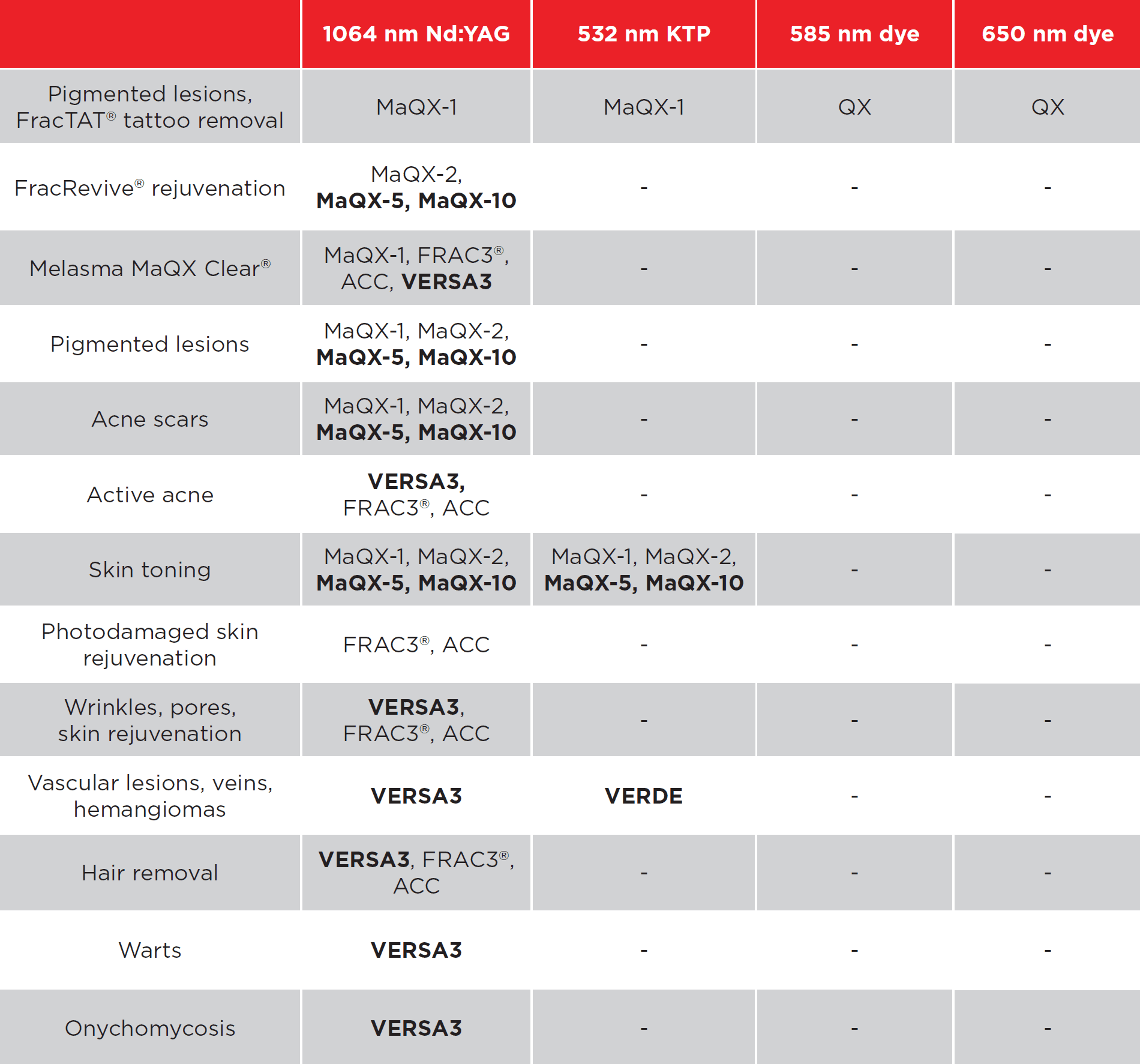
The third factor is treatment range. A single-purpose machine may depend on one service, such as hair removal. A multi-treatment platform can support several services, such as rejuvenation, pigmentation, acne scars, resurfacing and tightening-style treatments. This can increase booking opportunities and reduce idle time.
Sample Payback Scenarios
A small clinic may start with 20 laser appointments per month at £180 per treatment. That creates £3,600 monthly revenue. If direct costs are £1,200, net profit is £2,400. A £60,000 machine would take 25 months to pay back.
A busier clinic may perform 60 appointments per month at £220 per treatment. That creates £13,200 revenue. If direct costs are £4,000, net profit is £9,200. A £90,000 machine may pay back in under 10 months. A premium clinic using a multi-treatment platform may combine hair reduction, pigmentation, resurfacing and rejuvenation packages. With higher utilisation and stronger treatment pricing, payback can be much faster. The key difference is not just the machine cost, but how often the machine is used profitably.
Hidden Costs Clinics Should Include
A common mistake is calculating payback using only the machine price. Real ROI should include setup and running costs.
These may include finance interest, insurance, service contracts, staff training, cooling systems, consumables, room preparation, website pages, paid ads, photography, consultation time and aftercare products. Marketing is especially important. Even the best laser will not pay for itself if patients do not know the clinic offers the treatment. A realistic payback plan should include a launch budget.
How Multi-Treatment Systems Improve Payback
Multi-treatment systems can shorten payback because they create more ways to generate income. Instead of relying on one service, the clinic can treat several concerns from one platform. This improves room use and patient journey planning. A patient who books pigmentation treatment may later return for resurfacing. A patient who starts with acne scars may continue with maintenance rejuvenation. This increases lifetime patient value.
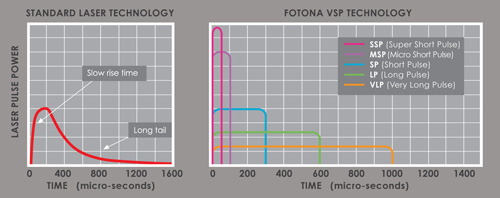
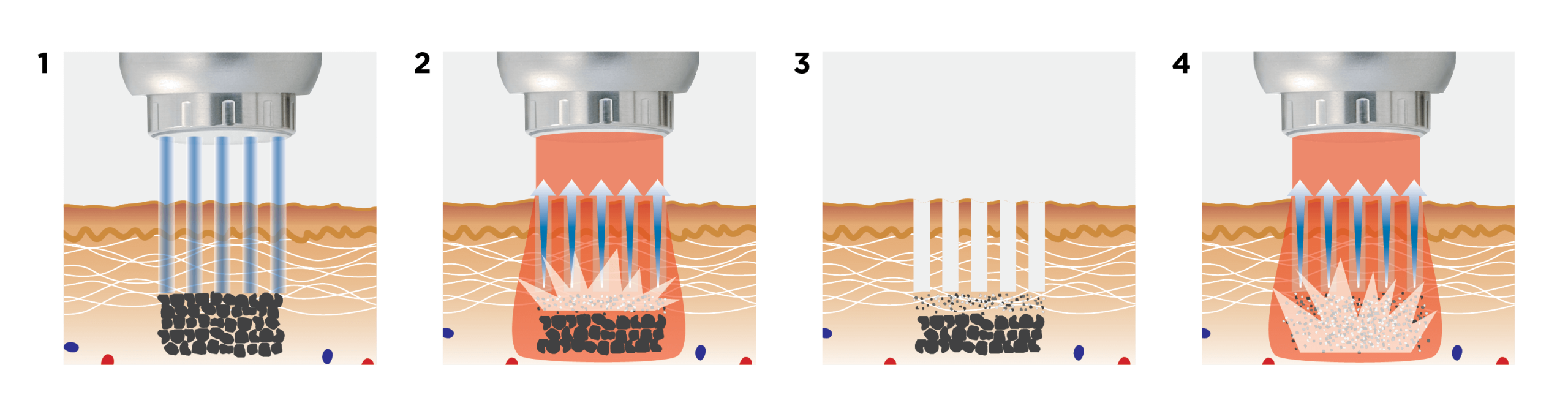
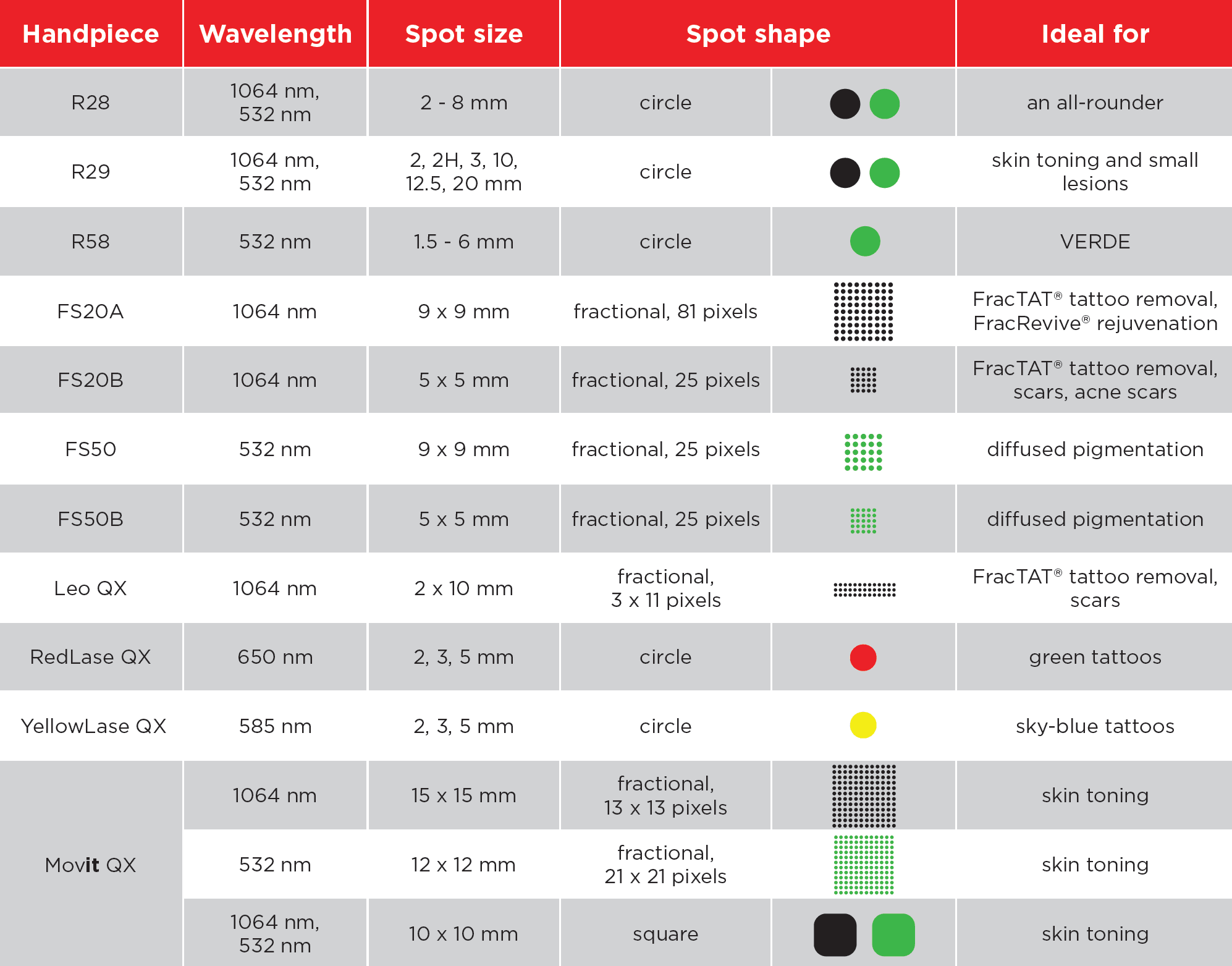
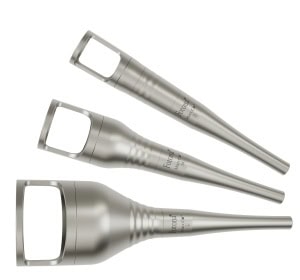
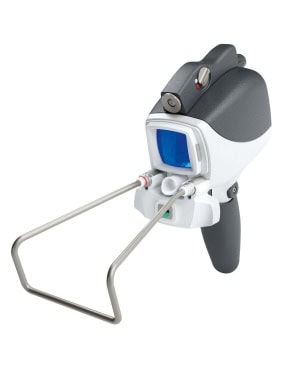
Fotona positions systems such as SP Dynamis as versatile laser platforms with a wide range of applications across aesthetics and medical fields. This kind of flexibility is one reason clinics consider multi-treatment platforms when planning ROI.
How Clinics Can Reduce Payback Time
Clinics can reduce payback time by choosing treatments with clear demand, creating treatment packages, training staff properly, pricing confidently and building dedicated website pages for each service.
Consultation quality also matters. A good consultation can turn one enquiry into a treatment plan. Poor consultation turns interest into lost revenue. Follow-up is another simple growth tool. Maintenance reminders, review appointments and package renewals help keep patients returning.
Fotona Services
Fotona services are built around advanced medical laser technology designed to help clinics offer flexible, high-value treatments from one trusted platform. Depending on the system used, Fotona can support skin rejuvenation, resurfacing, pigmentation, acne scar treatment, hair reduction, vascular treatments, body sculpting and non-surgical facial rejuvenation. For clinics, this can improve service variety and help support stronger payback potential. For patients, it means more personalised care under one roof.
Concluding Remarks.
The payback period of an aesthetic laser machine depends on more than the purchase price. It depends on demand, utilisation, pricing, training, marketing and treatment range. A machine that is used well can become a strong revenue driver. A machine without a plan can become an expensive asset sitting in the corner.
The smartest clinics calculate payback before buying, include hidden costs, build marketing early and choose technology that fits their patient base. In the end, ROI is not created by the machine alone. It is created by the clinic’s strategy.
FAQs
- What is the payback period of an aesthetic laser machine?
It is the time needed for the laser to generate enough net profit to recover its purchase cost.
- How do you calculate laser machine payback?
Divide the total machine cost by monthly net profit from treatments.
- What is a good payback period?
Many clinics aim for 6 to 24 months, but this depends on cost, pricing, demand and usage.
- Do multi-treatment lasers pay back faster?
They can, because they support more services and may keep the machine booked more often.
- What costs should be included?
Include finance, training, maintenance, consumables, staff time, marketing, insurance and room costs.
- Is revenue the same as profit?
No. Revenue is total income. Profit is what remains after costs.
- How can clinics improve ROI?
By increasing bookings, pricing correctly, selling packages, training staff and marketing consistently.
- Can laser machines guarantee profit?
No. Profit depends on clinic demand, staff skill, pricing, marketing and patient retention.
- Why is utilisation important?
The more often the machine is booked profitably, the faster it can pay for itself.
- Should clinics buy or finance a laser?
Both can work. Buying reduces finance costs, while financing protects cash flow. The best choice depends on the clinic’s finances.