

The right laser machine is not always the most expensive one. It is the one that fits your clinic’s patients, treatment menu, budget, staff skills and growth plan. Before buying, check treatment versatility, safety, skin type suitability, training, servicing, regulatory compliance, marketing demand and payback potential. A multi-treatment platform can often give better long-term value because it supports more services from one device.
Start with Your Clinic Model
Choosing a laser machine should begin with one simple question: what kind of clinic are you building?
A clinic focused on hair removal will need different technology from a clinic focused on resurfacing, acne scars, pigmentation or non-surgical rejuvenation. A luxury medical aesthetics clinic may need a premium multi-application platform, while a smaller clinic may prefer a focused system with lower running costs.
Many clinics make the mistake of buying based on trends. A device may look impressive online, but if your patients are not asking for those treatments, the machine may sit unused. The best laser investment starts with your real patient demand.
Match the Machine to Treatments
Every laser has strengths. Some are best for hair reduction. Some are built for pigmentation and tattoos. Others are designed for resurfacing, acne scars, tightening-style treatments or vascular concerns.
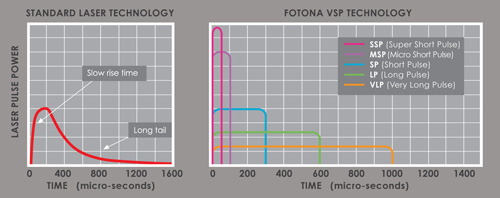
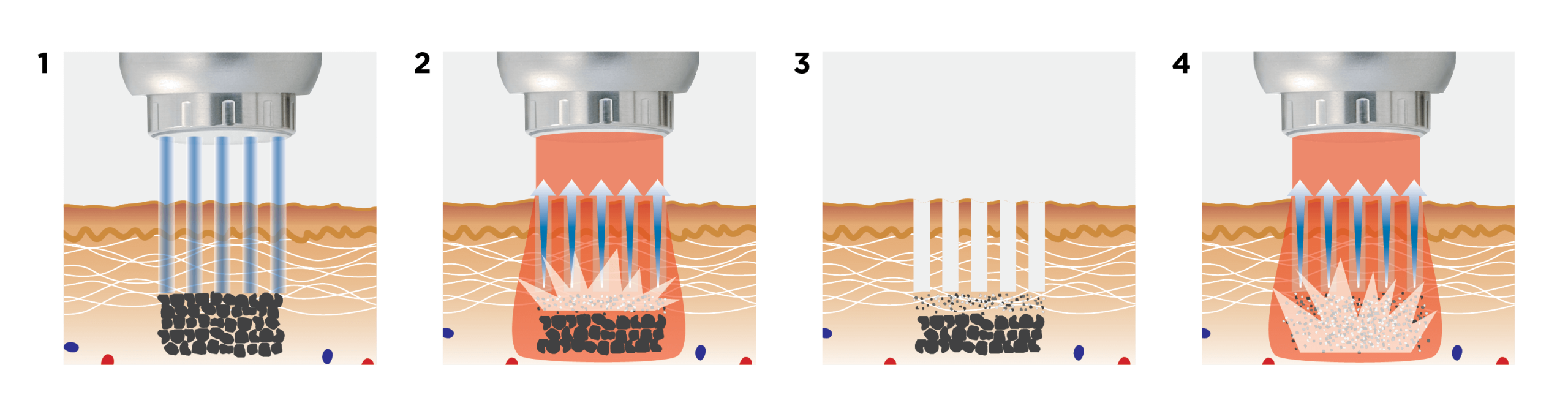
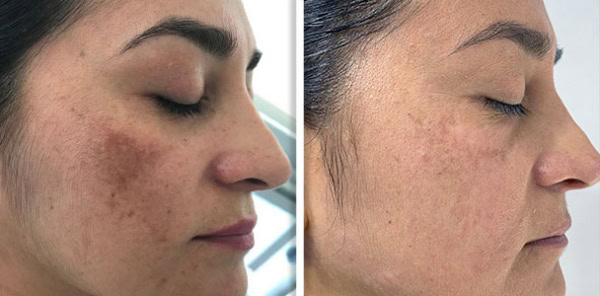
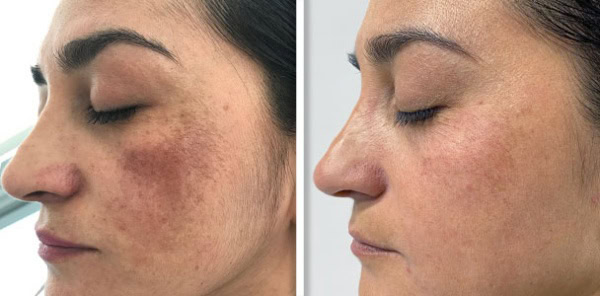
For example, Nd:YAG lasers are often valued for deeper treatments and can be useful across a range of skin types when used correctly. Er:YAG lasers are known for precise resurfacing because they are strongly absorbed by water in the skin. Pico and Q-switched lasers are often used for tattoo removal and pigment fragmentation. A strong clinic machine should support the treatments you actually want to sell. If you want a broad service menu, a multi-treatment platform may make more sense than several single-purpose devices.
Think About Skin Type Safety
Skin type matters. A laser that performs well on lighter skin may not be the safest choice for darker skin if settings, wavelength and cooling are not suitable.
Clinics in the UK often treat a wide range of skin tones, so machine choice should include Fitzpatrick skin type suitability. You should ask suppliers how the system performs across skin types, what cooling is available, what training is provided and what risks are linked with pigmentation changes.
Safety should never be treated as a small detail. The MHRA’s laser guidance says basic laser or IPL safety training should be provided to healthcare professionals present in a controlled area. This shows how important training and risk control are in laser practice.
Check Training and Support
A laser machine is only as good as the people using it. Good training improves results, safety and patient confidence. Poor training can lead to burns, weak outcomes and unhappy patients. Before buying, ask what training is included. Is it hands-on? Is it device-specific? Does it cover complications, skin typing, laser physics, treatment protocols and aftercare?
Support also matters. If the device breaks, how quickly can it be serviced? Are parts available in the UK? Is there a local representative? A cheap machine with poor support can become expensive very quickly if it stops working during a busy month.
Understand Compliance and Insurance
UK clinics must think carefully about safety, documentation and insurance. Laser and intense light systems require proper local rules, risk assessments, protective eyewear, staff training and safe treatment areas.
Specialist UK laser safety commentary warns that incorrect protective eyewear can create serious eye risks and may affect insurance cover if an incident occurs. Before buying, speak with your insurer and laser safety adviser. Make sure the machine, training and treatment protocols meet your local requirements. Compliance protects patients, staff and the clinic business.
Calculate ROI Before Buying
Return on investment (ROI) is crucial. It is not enough to have a laser machine that looks profitable.
Start by calculating the total cost, which includes: purchase price, financing, training, insurance, room set-up, consumables, and marketing. After staff time and operating costs, calculate the monthly net profit.
Payback period = total machine cost ÷ monthly net profit.
If the machine costs £90,000 and generates £7,500 net profit per month, the payback period is around 12 months. If bookings are low, the same machine could take several years to pay back.
Never calculate ROI using gross revenue only. Real profit is what remains after costs.
Single-Purpose vs Multi-Treatment Platforms
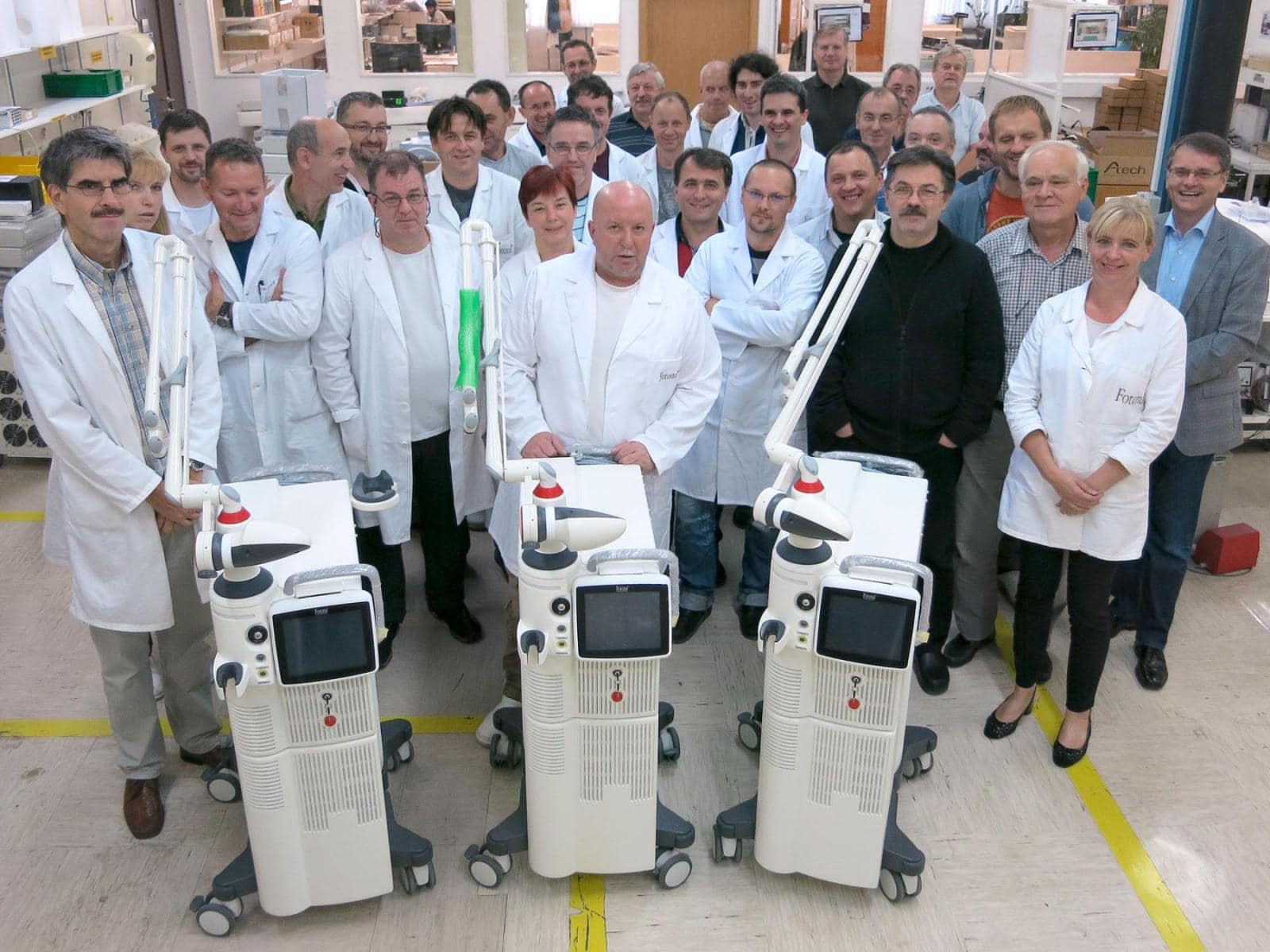
A single-purpose machine can be beneficial if demand is strong. For example, a busy laser hair removal clinic may benefit from a dedicated hair removal system. However, many aesthetic clinics prefer multi-treatment platforms because they reduce dependence on one service. Fotona describes SP Dynamis as a versatile system that combines Er:YAG and Nd:YAG wavelengths and is designed to perform a wide range of aesthetic, surgical and gynaecological applications.
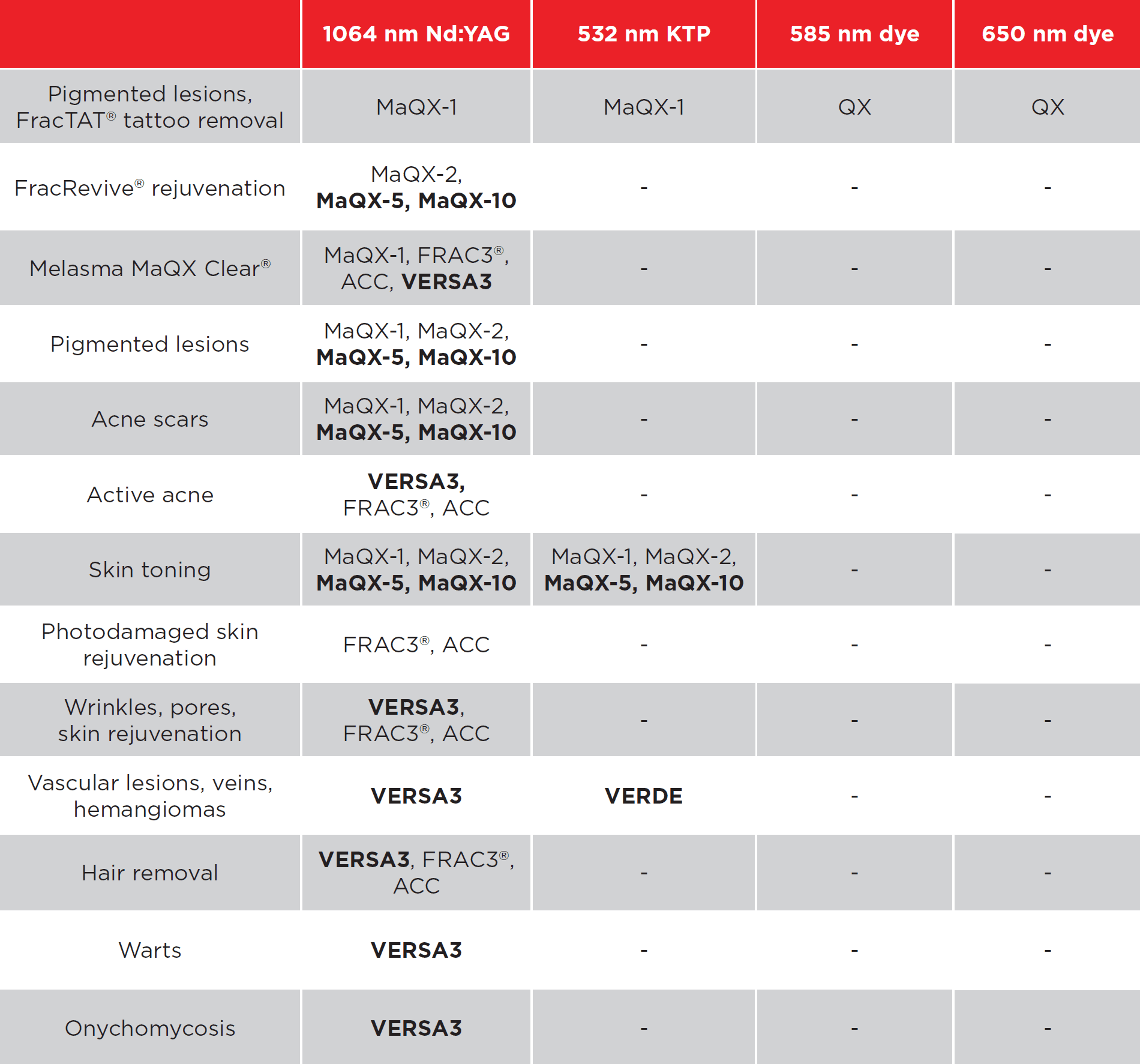
This kind of platform can help clinics offer resurfacing, rejuvenation, pigmentation, acne scar work, hair reduction and other treatments from one system, depending on training and protocols. For growing clinics, that flexibility can improve utilisation and revenue potential.
Ask the Right Questions Before Purchase
Before signing anything, ask the supplier clear questions. What treatments are approved? What skin types can be treated? What training is included? What consumables are needed? What servicing is available? What happens if the machine breaks? What marketing support is provided? What finance options exist?
Do not be rushed by discount pressure. A laser machine is a long-term investment, not a quick purchase.
Fotona Services
Fotona services are built around advanced medical laser technology designed to help clinics offer safe, flexible and high-performance treatments. Depending on the platform, Fotona systems can support skin rejuvenation, resurfacing, acne scars, pigmentation, vascular work, hair reduction, body sculpting and non-surgical facial treatments. For clinics, this creates a wider service menu and stronger patient journey. For patients, it means access to tailored, medical-grade care from one trusted technology family.
Conclusion:
Choosing the right laser machine for your clinic is a business decision, a clinical decision and a safety decision. The best machine should fit your patients, your staff, your pricing, your compliance needs and your long-term growth plan.
Do not buy only because a device is trending. Buy because it solves real treatment demand, supports safe practice and makes financial sense. When the right technology is matched with good training, strong consultation and clear marketing, a laser machine can become one of the most valuable assets in your clinic.
FAQs
- What is the best laser machine for an aesthetic clinic?
The best machine depends on your treatment menu, patient base, budget, staff training and growth plan.
- Should I buy a single-purpose or multi-treatment laser?
Single-purpose devices suit focused clinics. Multi-treatment platforms may suit clinics wanting broader services and better room utilisation.
- What is the best laser for darker skin?
The Nd treatment is most suitable for those with darker skin tones, but the suitability of this treatment depends on cooling, settings, practitioner skills, and treatment type.
- How can I calculate the return on investment of a laser machine?
Divide the total cost of the machine by the monthly net profit.
- Why is training so important?
Training is essential for patient safety, treatment quality and confidence.
- What are the hidden costs I should consider?
Include finances, consumables and insurance, as well as marketing, training, marketing, staff time, and room setup.
- Why is supplier support important?
A good support service will reduce downtime, and help protect your revenue in the event that you need to repair or maintain your machine.