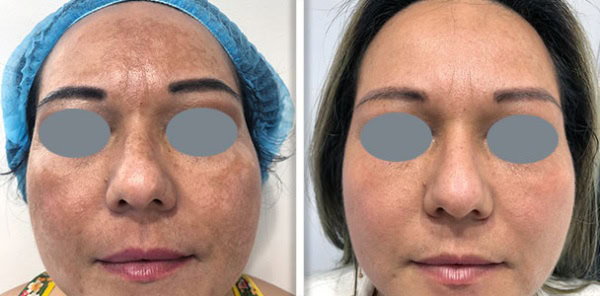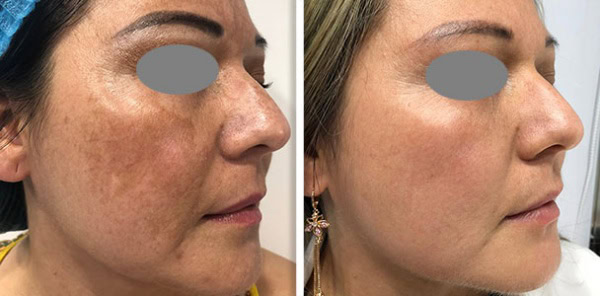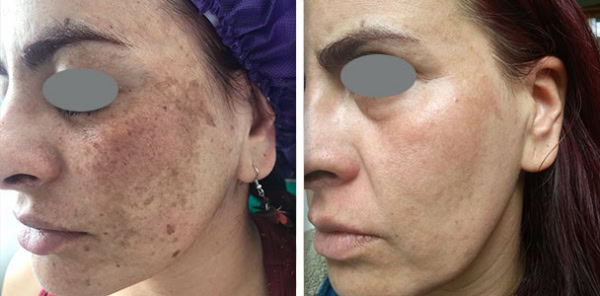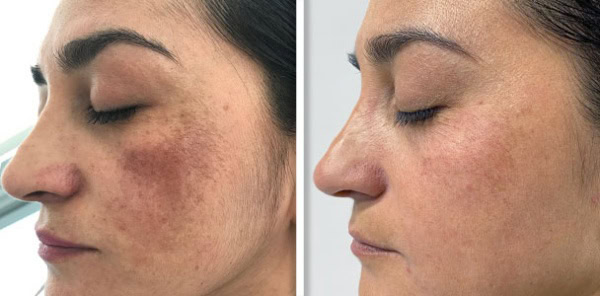



Fotona laser machine ROI depends on treatment demand, utilisation, pricing, staff training, marketing and how many services the clinic can offer from one platform. A simple formula is: total investment ÷ monthly net profit = payback period. Fotona systems can support ROI because many platforms are multi-treatment, helping clinics offer services such as skin rejuvenation, resurfacing, acne scars, pigmentation, hair reduction and non-surgical facial treatments from one technology family.
Why ROI Matters Before Buying
Buying an aesthetic laser is a serious clinic investment. It can increase revenue, improve your treatment menu and attract higher-value patients, but only if the numbers make sense. ROI means return on investment. This question asks in plain English: How much will this machine generate after its costs?
Grand View Research reported that UK revenue would reach USD 206.7 millions in 2025, and USD 481.7 by 2033. The same source highlights laser hair removal as the largest UK application segment and non-invasive tightening as the fastest-growing segment. This is useful for clinics because it shows demand is moving towards laser-led services.
How to Calculate Fotona ROI
The simplest ROI starting point is payback period.
Total machine cost ÷ monthly net profit = payback period.
If a Fotona system costs £100,000 and creates £8,000 net profit per month, the payback period is around 12.5 months. If the same machine creates only £3,000 net profit per month, payback takes nearly 34 months.
Monthly net profit should include treatment income minus staff time, finance payments, consumables, marketing, servicing, insurance and room costs. Many clinics make the mistake of calculating gross revenue only. That can make ROI look better than it really is.
Why Fotona Can Support Strong ROI
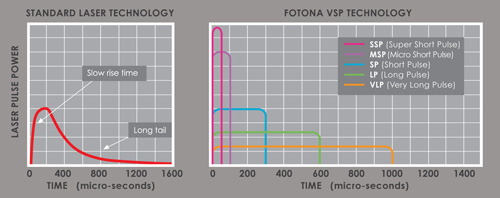
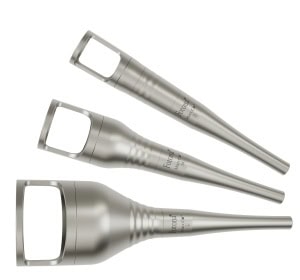
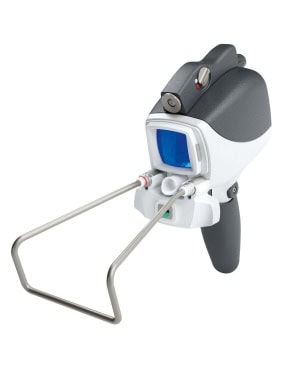
Fotona’s commercial strength is versatility. Fotona describes SP Dynamis as a multi-purpose platform combining Er:YAG and Nd:YAG wavelengths to perform a wide range of applications across aesthetics, surgery and gynaecology.
Fotona also states that SP Dynamis offers more than 100 approved applications and can replace up to 10 different energy-based devices. For a clinic, this matters because one platform can support several revenue streams. A patient may book for acne scars, pigmentation, rejuvenation, resurfacing or tightening-style treatments. This reduces dependence on one treatment category and helps improve room utilisation.
UK & Ireland Market Opportunity
The UK and Ireland aesthetic market is driven by patients wanting natural-looking, non-surgical improvement. In the UK, laser hair removal remains a major revenue category, while tightening and skin quality treatments are growing.
Ireland has also seen strong public interest in aesthetic treatments, alongside increased discussion around regulation and safety. This creates an opportunity for serious clinics to stand out with medical-grade technology, proper consultation, safe protocols and professional training. For both markets, the opportunity is not just “owning a laser”. It is building a trustworthy service model around it.
What Speeds Up ROI?
The first factor is utilisation. A laser used one day per week will pay back slowly. A laser used across multiple services on several days per week has a much better chance of producing strong ROI. The second factor is pricing. Premium treatments should not be priced like basic facials. Patients are paying for technology, skill, safety, consultation and aftercare.
The third factor is treatment packaging. A single pigmentation session may bring revenue once. A structured pigmentation and rejuvenation plan can create several appointments and better patient satisfaction. The fourth factor is marketing. Dedicated pages for acne scars, pigmentation, resurfacing, hair removal and non-surgical rejuvenation can help attract search traffic and convert enquiries.
Sample ROI Scenario
- A clinic charges £250 per laser session and completes 50 sessions per month. That creates £12,500 monthly revenue. If direct monthly costs are £4,500, the net profit is £8,000.
- If you invest £100,000 in lasers, your payback period will be around 12.5.
- The clinic’s revenue will increase to £20,000 when it reaches 80 sessions per month, thanks to better marketing and packages. Even if costs rise to £7,000, net profit becomes £13,000. Payback could then fall to under 8 months.
- These are example figures only. Each clinic should calculate based on real pricing, demand and cost structure.
Risks That Can Reduce ROI
Fotona machines can be profitable, but no device guarantees return. ROI can be affected if a clinic purchases the wrong platform or underprices treatment, lacks staff training, has weak marketing and fails to explain the results. Poor patient selection is another risk. Overselling treatments can lead to patients feeling disappointed and leaving negative reviews. A good ROI is not only about bookings, but also on trust. Clinics should also consider finance costs, downtime from servicing, consumables and staff availability before calculating profit.
Why Multi-Treatment Platforms Often Win
Multi-treatment systems can improve ROI because they create several income routes from one investment. The global aesthetic lasers market is projected by Grand View Research to grow from USD 3.6 billion in 2026 to USD 7.1 billion by 2033, with multi-wavelength and energy-efficient systems helping improve treatment safety and effectiveness.
Technavio also forecasts the aesthetic lasers market to grow by about USD 1.96 billion from 2026 to 2030 at a 10.4% CAGR. For clinics, this supports the case for flexible platforms that can respond to several treatment trends rather than relying on one narrow service.
Fotona Services
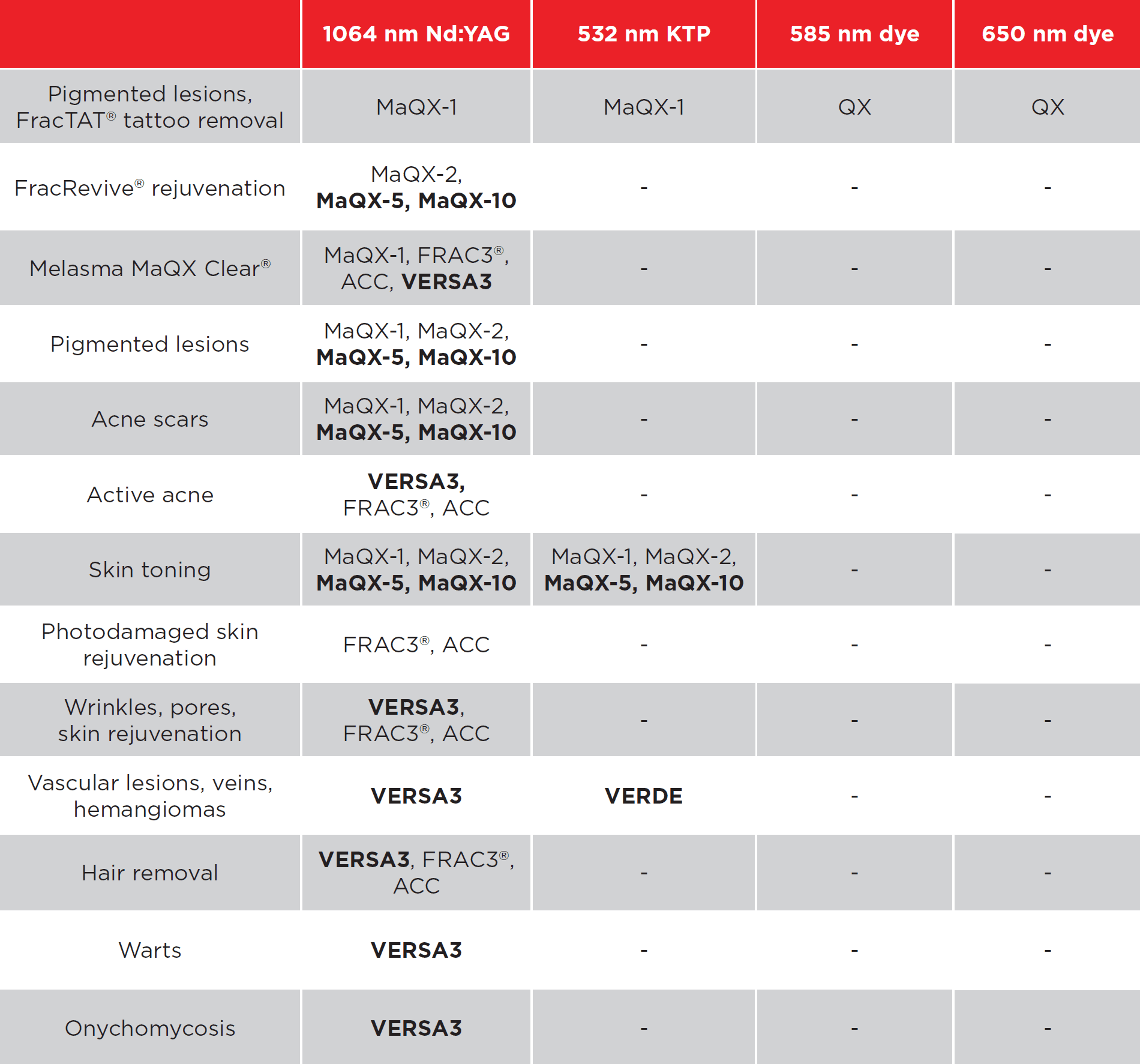
Fotona services are designed to help UK and Ireland clinics offer advanced, medical-grade laser treatments from flexible platforms. Depending on the system used, Fotona can support facial rejuvenation, resurfacing, acne scar treatment, pigmentation, vascular work, hair reduction, tightening-style procedures and other aesthetic applications. For clinics, this can strengthen the treatment menu, improve room use and support higher patient lifetime value. For patients, it means more tailored care from a recognised laser technology brand.
Conclusion
The ROI of Fotona laser machines for clinics in the UK and Ireland depends on strategy. A strong device is only part of the equation. Profit comes from demand, correct pricing, trained staff, clear marketing, safe protocols and repeat patient journeys.
Fotona can support ROI because its platforms are known for versatility and broad treatment options. But the clinics most likely to succeed are the ones that calculate carefully before buying and then build a full business plan around the technology.
FAQs
- How do clinics calculate Fotona ROI?
Divide total investment by monthly net profit from Fotona treatments.
- What is a good payback period?
Many clinics aim for 6 to 24 months, but this depends on price, usage and demand.
- Can Fotona machines guarantee profit?
No. Profit depends on training, marketing, pricing, utilisation and patient demand.
- Why do multi-treatment systems improve ROI?
They allow clinics to offer several treatments from one platform, increasing booking opportunities.
- What treatments can Fotona support?
Depending on the platform, Fotona can support resurfacing, rejuvenation, pigmentation, acne scars, hair reduction and vascular work.
- Is the UK laser market growing?
Yes. Grand View Research projects strong UK aesthetic laser growth through 2033.
- What costs should clinics include?
Include finance, servicing, staff time, consumables, training, insurance, room costs and marketing.
- How can clinics improve Fotona ROI?
Use packages, train staff, build SEO pages, price properly and keep the machine booked consistently.
- Is Fotona suitable for Ireland clinics?
It can be, especially for clinics wanting medical-grade, multi-treatment technology and a strong safety-led position.
- What is the biggest ROI mistake?
Calculating revenue without subtracting real operating costs.