


Be sure that the laser you choose is right for your clinic, its patients, and your budget. Its approved uses, wavelengths and skin type suitability should be checked. Also, check its safety features, training options, warranty, maintenance, and running costs.You should also confirm the device’s regulatory status, local licensing requirements and expected payback period. The best machine is not always the cheapest or most powerful. It is the one your team can use safely, regularly and profitably.
Start with the Treatments Your Patients Actually Want
A medical laser should solve a real business and clinical need. Before speaking to suppliers, review the enquiries your clinic already receives. Are patients asking for laser hair removal, pigmentation treatment, acne scar revision, resurfacing, vascular treatments or non-surgical rejuvenation?
Do not buy a device simply because it is popular on social media or because another clinic owns one. A machine can have impressive specifications but still become an expensive unused asset if local demand is weak. Create a list of the treatments you want to offer now and those you may add over the next three to five years. This will help you decide whether you need a focused, single-purpose device or a wider multi-treatment platform.
Understand the Laser Technology
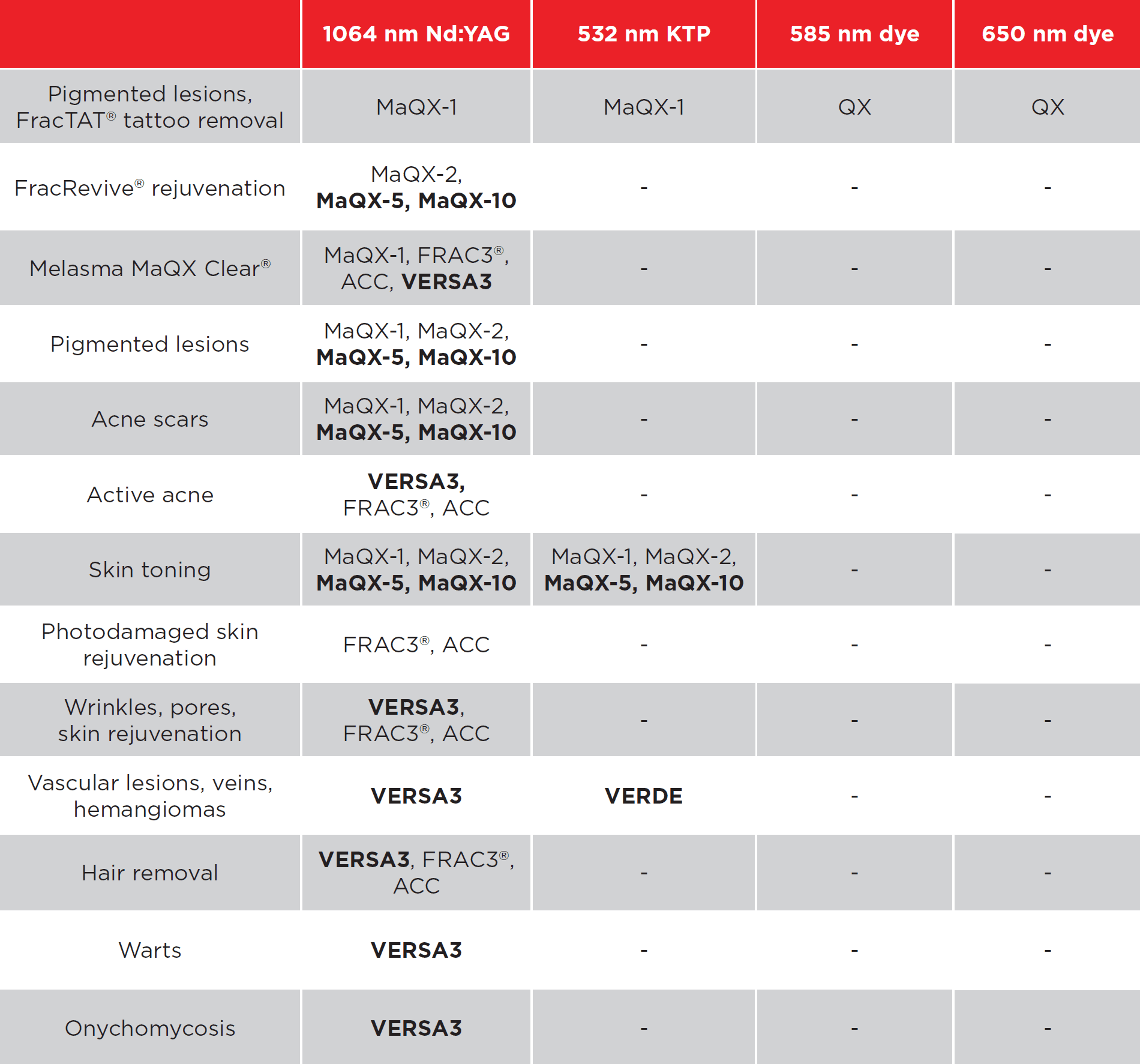
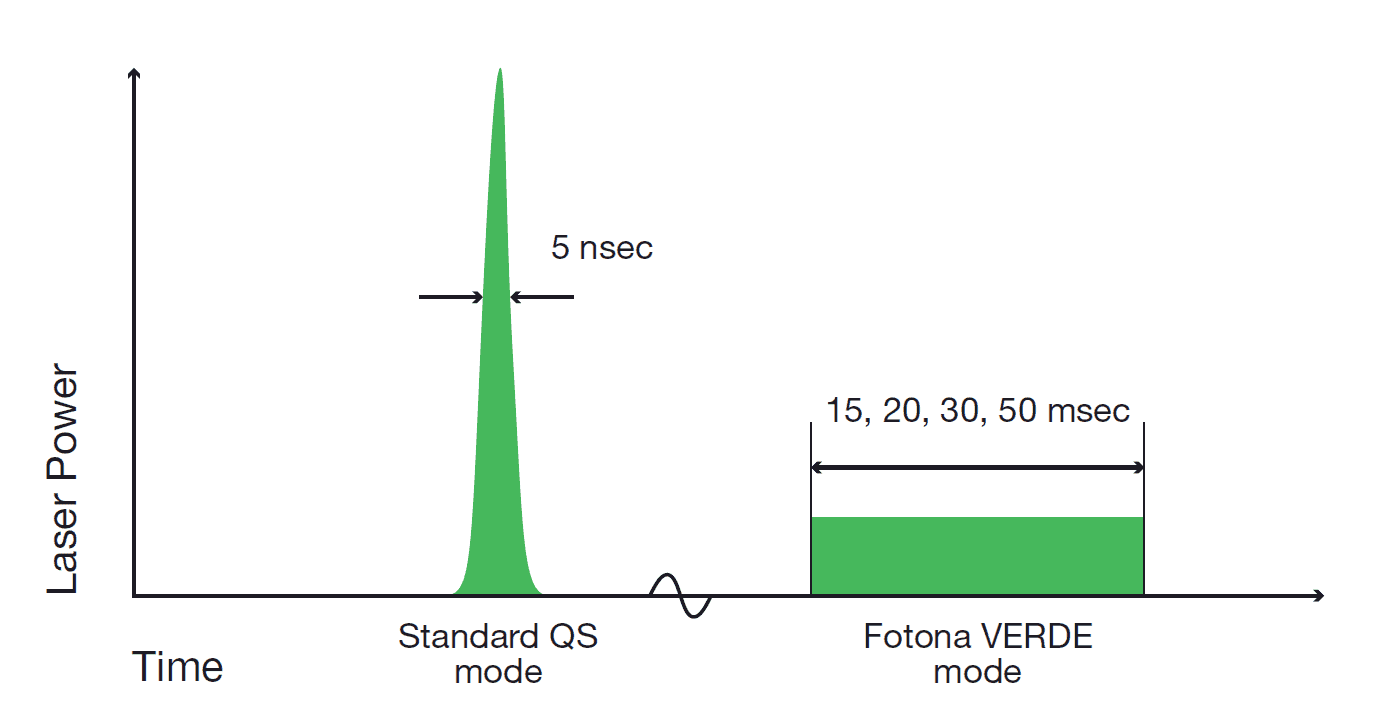
Different wavelengths interact with the skin in different ways. Nd:YAG technology is often used for deeper tissue treatments, vascular concerns and hair reduction. Er:YAG is valued for precise skin resurfacing. Alexandrite systems are commonly used for hair removal on suitable skin and hair types, while Q-switched and picosecond lasers are associated with pigmentation and tattoo removal.
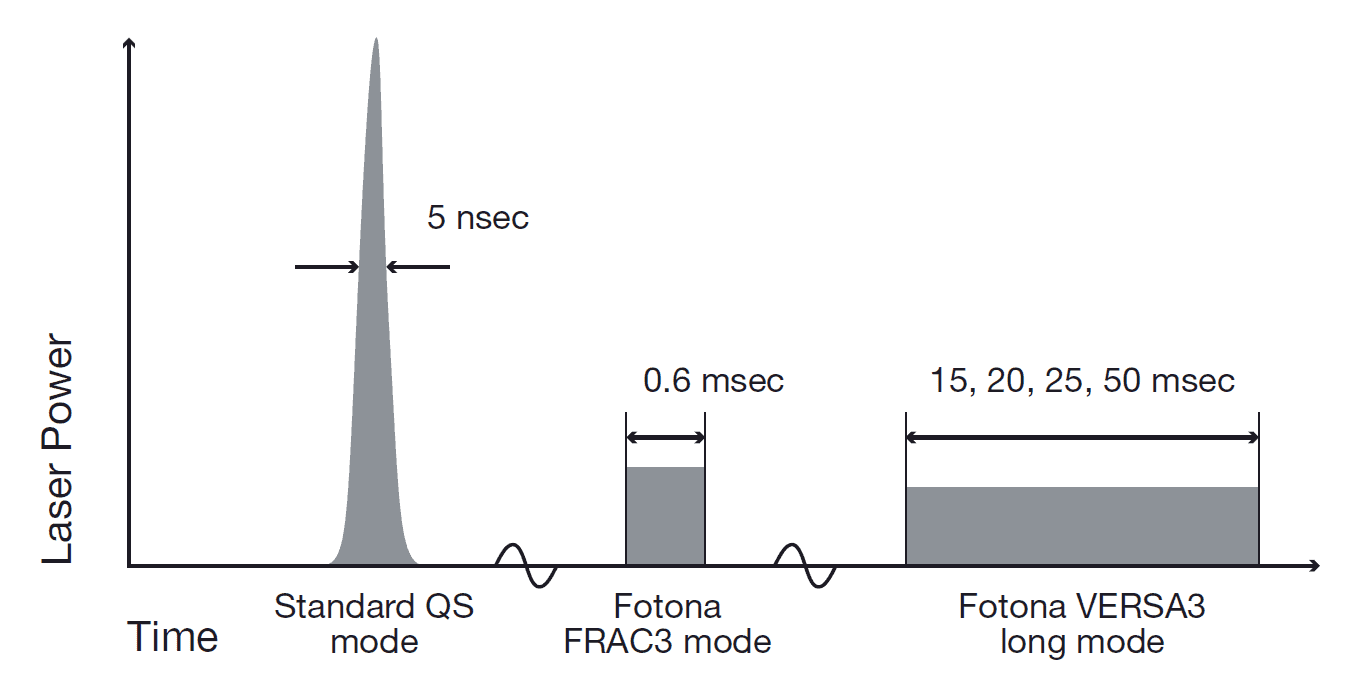
Ask the supplier to explain why the wavelength suits your intended treatments. Avoid vague claims such as “one laser treats everything”. A genuine medical platform should have clear indications, suitable handpieces and treatment protocols. Also examine pulse duration, spot size, power delivery, scanning options and cooling. Higher numbers do not automatically mean better results. Control, consistency and suitability matter more than power alone.
Check Suitability for Different Skin Types
UK clinics often serve patients with a wide range of skin tones. This makes skin-type suitability a major purchasing factor. Ask which Fitzpatrick skin types the machine can treat and under what conditions. Find out whether settings can be adjusted for darker skin, how the cooling system protects the epidermis and what risks exist for burns or pigmentation changes.
No responsible supplier should claim that every treatment is equally safe for every skin type. Safety depends on the wavelength, energy, pulse duration, cooling, treatment indication and practitioner’s experience.
Confirm Regulatory and Safety Requirements
Before buying, confirm that the device can legally be supplied and used in your market. Ask for evidence of the relevant conformity marking, manufacturer information, device registration and approved intended use.
In the UK, clinics should also consider MHRA laser-safety guidance, risk assessments, controlled treatment areas, protective eyewear, local rules and staff training. Local council registration or licensing may apply in some parts of England, even where cosmetic laser treatments do not require CQC registration. Speak to your insurer, local authority and Laser Protection Adviser before purchase. Never assume that the supplier has checked every requirement for your individual clinic.
Examine Training in Detail
Training should be treated as part of the machine, not as a free extra.
Ask whether the programme includes laser physics, skin typing, treatment parameters, contraindications, patch testing, complication management, consent and aftercare. Hands-on, device-specific training is more valuable than a short online presentation.
You should also ask whether new staff can access future training and whether advanced workshops are available as your team gains experience. Good education improves confidence, patient selection and treatment quality. Poor training can lead to weak results, complaints, burns and reputational damage.
Review Warranty, Servicing and Technical Support
Many buying guides focus on treatment features but say little about what happens when the machine stops working. This is one of the biggest content gaps found in competitor articles. Ask how long the warranty lasts, what it covers and what is excluded. Find out whether engineers and replacement parts are available locally, how quickly faults are normally handled and whether a backup device is offered during longer repairs.
Request the price of annual servicing after the warranty ends. A low purchase price may lose its appeal if replacement parts are expensive or technical support takes weeks. Every cancelled treatment is lost revenue, so service response time should be included in your financial decision.
Calculate the Total Cost of Ownership
The machine price is only the beginning. Include finance interest, VAT, servicing, insurance, training, consumables, replacement handpieces, cooling supplies, room preparation and marketing.
Some systems are low-cost, but others require cartridges or components that can be used only once per patient. You should ask for an estimate of the treatment costs per session, and whether consumables come from a single supplier. You should also consider electricity use, staff time and expected depreciation. Request a written five-year cost estimate rather than relying only on the monthly finance figure.
Calculate Demand, Revenue and Payback
A supplier may show exciting revenue projections, but your figures should be based on your own clinic.
Estimate the number of realistic treatments per month, average treatment price and direct costs. Then calculate monthly net profit.
A simple starting formula is:
Payback period = total investment ÷ monthly net profit
If the complete investment is £100,000 and the machine produces £8,000 in monthly net profit, the estimated payback period is 12.5 months. However, this only works if the booking assumptions are realistic. Calculate a cautious scenario as well as an optimistic one. This shows whether the investment remains manageable if demand grows more slowly than expected.
Single-Purpose or Multi-Treatment Platform?
A single-purpose system can be a sensible choice when your clinic has strong demand for one service. A busy hair-removal clinic, for example, may benefit from a dedicated platform designed for speed and large treatment areas.
A multi-treatment laser may be better for clinics that want a broader patient journey. One system may support resurfacing, rejuvenation, pigmentation, scars, vascular concerns or hair reduction, depending on its technology and approved uses.
The advantage is better room utilisation and less dependence on one treatment. The disadvantage is that staff need wider training, and not every application will necessarily perform at the same level as a specialist device.Choose versatility only when you have a genuine plan to use it.
Questions to Ask During a Demonstration
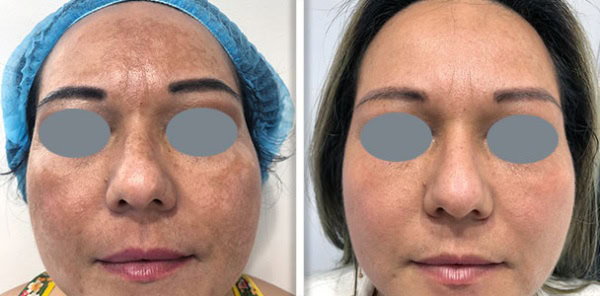
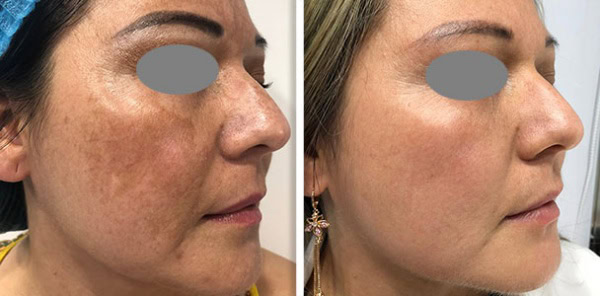
A demonstration should show more than a polished before-and-after photograph. Ask to see how settings are selected, how quickly handpieces can be changed, how treatment records are stored and how the machine responds to errors.
Check whether the interface is easy for staff to understand and whether cleaning between patients is practical. Ask the supplier to explain expected treatment time, discomfort, downtime and possible complications. Take notes and compare several devices using the same checklist. This makes it easier to judge each platform fairly.
Fotona Services
Fotona provides medical laser platforms across aesthetics, dentistry, surgery and gynaecology. Depending on the selected system, clinics may access treatments for skin rejuvenation, resurfacing, acne scars, pigmentation, vascular concerns, hair reduction and non-surgical facial procedures. Fotona also supports users through clinical education, workshops and practical training. Clinics should still select the individual Fotona platform that best matches their treatment menu, patient demand and financial plan rather than assuming one system suits every practice.
Final Thoughts
Buying a medical laser is not simply an equipment purchase. It is a long-term clinical, safety and business decision. Look beyond the headline price and marketing claims. Check treatment demand, approved uses, skin-type suitability, compliance, training, service support and total ownership cost. Calculate your payback using realistic appointment numbers and ask what happens if the machine is unavailable.
The right medical laser should help your team deliver safe, consistent treatments while supporting sustainable clinic growth. A careful purchase takes longer, but it is far less costly than choosing the wrong technology.
FAQs
What is the most important factor when buying a medical laser?
The machine must match your clinic’s real treatment demand and be safe for the patients you plan to treat.
Should I choose a single-purpose or multi-treatment laser?
A focused device suits high demand for one service. A multi-treatment platform may offer better flexibility and room utilisation.
How do I check whether a laser is compliant?
Request conformity documentation, manufacturer details, intended uses and registration information. Also check local licensing and insurance requirements.
What hidden costs should I expect?
Common costs include finance, servicing, training, consumables, insurance, room preparation, marketing and replacement parts.
Why is hands-on training important?
The course teaches the staff how to assess and manage patients, choose safe settings, handle complications, and achieve consistent results.=
How can I calculate my payback period?
Divide the total amount invested by the expected monthly net profit from the treatments.
Does the strongest laser always mean the best?
No. Power alone is not enough. Precision control, the right wavelengths, reliable delivery of energy and well-trained operators are more important.
Should I purchase a used medical Laser?
It is possible to save money by purchasing a used system, but it’s important to check its history, service, warranty, parts and regulatory documentation.
Why does local technical support matter?
Long repair delays can cause cancelled appointments, lost revenue and unhappy patients.
What should I request before signing a contract?
Request full pricing, warranty terms, training details, service costs, consumable prices, compliance documents and a live demonstration.