

Aesthetic equipment can improve a clinic’s treatment options, the patient experience and its earning potential. Investing in advanced lasers and body-contouring systems, as well as skin rejuvenation devices, can be a costly investment. Before choosing a device, clinic owners must decide whether to buy it outright, use hire purchase or lease it through an asset-finance agreement.
There is no single correct answer for every UK clinic. Leasing can help you to preserve your working capital, and reduce monthly costs. The better choice depends on your cash position, growth stage, treatment demand, tax position and how quickly the technology may need updating.
What Does Buying Aesthetic Equipment Mean?
Buying means paying for the machine using clinic funds, a business loan or another form of finance that leads to ownership. Once purchased, the equipment becomes a business asset. The clearest advantage is control. You are not normally restricted by usage limits, end-of-term return conditions or compulsory upgrades. Once any finance has been repaid, the clinic can continue using the equipment without monthly rental payments.
Ownership may also give the clinic an asset that can later be sold, traded in or used as security for finance. However, aesthetic technology can lose value as newer systems enter the market. Its resale value will depend on the brand, age, condition, treatment hours, service history and continued market demand.
The Upfront Cost of Buying
Buying outright requires a large amount of capital. That money is then unavailable for staffing, premises, marketing, consumables or emergency reserves. A clinic may own the machine from day one but still experience cash-flow pressure during quieter months.
This is why buying is usually more suitable for established clinics with strong reserves and reliable demand for the treatments. Before purchasing, owners should calculate how many appointments are needed each month to cover finance, practitioner time, servicing, insurance and marketing.
What Does Leasing Aesthetic Equipment Mean?
Leasing allows a clinic to use equipment in return for regular payments over an agreed period. The finance provider normally owns the asset during the lease. Depending on the agreement, the clinic may return the equipment, continue renting it or arrange another option at the end of the term. The exact outcome should never be assumed. It must be written clearly in the contract. Leasing can reduce the amount needed at the beginning of the investment. It is possible to spread the cost over time rather than buying the entire machine. This would protect a clinic’s cash flow and enable it to offer high-value services earlier.
Why Predictable Payments Can Help
Regular payments make budgeting much easier. If a clinic is aware of the monthly leasing amount, they can calculate backwards the minimum bookings needed to cover the equipment. For example, if equipment finance costs £2,000 each month and the average contribution after direct treatment costs is £400 per session, at least five appointments are needed to cover the monthly finance payment. However, this does not include wages, rent, advertising, servicing or other overheads. This simple calculation is useful, but clinics should also create conservative forecasts. A machine should not depend on an unrealistically full diary from its first month.
Leasing vs Hire Purchase: What Is the Difference?
Leasing and hire purchase are often confused, but they are not identical. With a lease, the finance company usually remains the legal owner. The clinic pays for the use of equipment over a specified period. The clinic pays an initial deposit, then instalments. After the final payment and completion of the agreement, they become the owner.
Rent-to-own may be a good option for clinics who want to own equipment but can’t pay in full upfront. Leasing is a good option for clinics who want to lease equipment but don’t have the money up front. The wording of the agreement matters more than its marketing label. Clinic owners should check whether there is a balloon payment, purchase fee, return condition or automatic extension.
Tax Treatment and Capital Allowances
Tax is one of the most important and most misunderstood parts of the decision. Equipment bought and kept for business use may qualify as plant and machinery. Depending on the clinic’s legal structure, the equipment and current tax rules, the business may be able to claim capital allowances. These allowances can reduce taxable profits, although they do not provide the same benefit as receiving the equipment for free.
Hire-purchase equipment can also qualify in some circumstances because UK tax rules may treat the business as the owner for capital-allowance purposes. With a standard lease, capital allowances generally belong to the legal owner, although the clinic may receive tax relief through the accounting treatment of lease payments. Tax rules change, and the treatment can differ between limited companies, sole traders and partnerships. The clinic should therefore ask an accountant to compare the after-tax cost of each option rather than choosing based only on the monthly figure.
Comparing the True Total Cost
A low monthly payment does not always mean a cheaper agreement. Clinics should compare the full amount payable across the entire term. Ask for a breakdown covering the deposit, all instalments, interest, arrangement fees, administration charges, final payments, maintenance, insurance and end-of-term costs. Compare this total with the cash purchase price and the expected resale value if the clinic buys the equipment. A lease may cost more overall because the lender is providing finance and taking risk. However, the additional cost may still be worthwhile if it protects working capital and helps the clinic generate income sooner.Buying may cost less over the machine’s full working life, but only if the device stays useful, reliable and commercially relevant.
Maintenance, Repairs and Downtime
Competitor comparisons often focus on purchase price while ignoring downtime. For a busy clinic, a machine that cannot be used may create lost appointments, refunds and reputational damage. Find out whether servicing is included in the lease or purchase package. Ask about warranty length, engineer response times, replacement parts, software updates and temporary equipment during major repairs. Some leases include support, while others make the clinic responsible for maintenance. Purchasing also does not automatically mean unlimited servicing. Always request the service terms in writing.
Technology Upgrades and Obsolescence
Aesthetic technology develops quickly. A machine may continue working safely but lose patient interest when newer systems offer faster sessions, broader indications or better comfort. Leasing can reduce some technology risk if the contract gives a genuine upgrade or replacement option. However, clinics should check whether upgrading ends the old agreement or simply adds a new financial commitment. Buying can be better when the platform has a long working life, strong manufacturer support and multiple treatment applications. Multi-platform systems may remain commercially useful for longer because the clinic is not relying on one treatment trend.
Which Option Is Better for a New Clinic?
Leasing may be more practical for a new clinic that needs to protect cash, establish demand and keep funds available for marketing. It can provide access to advanced technology without using most of the business’s reserves. However, new clinics should be cautious about long contracts. If bookings are slower than expected, payments still need to be made. Personal guarantees can also expose the owner of a home to financial risk. A clinic that is well established and has a steady patient base may choose to purchase or hire-purchase. Ownership reduces long-term costs, and gives you more flexibility once the agreement is over.
Questions to Ask Before Signing
Before you commit, confirm all details. Included in this are the total payable, contract length, ownership position, and interest rate.Also, check early settlement rules, service terms, end-of-contract option, and any other relevant information. You should also check who is responsible if the machine is damaged, whether insurance is compulsory and whether the agreement can be transferred if the clinic is sold. Read the default clauses carefully. Missing payments may allow the lender to recover the equipment and could affect the business’s credit position.
Fotona Services
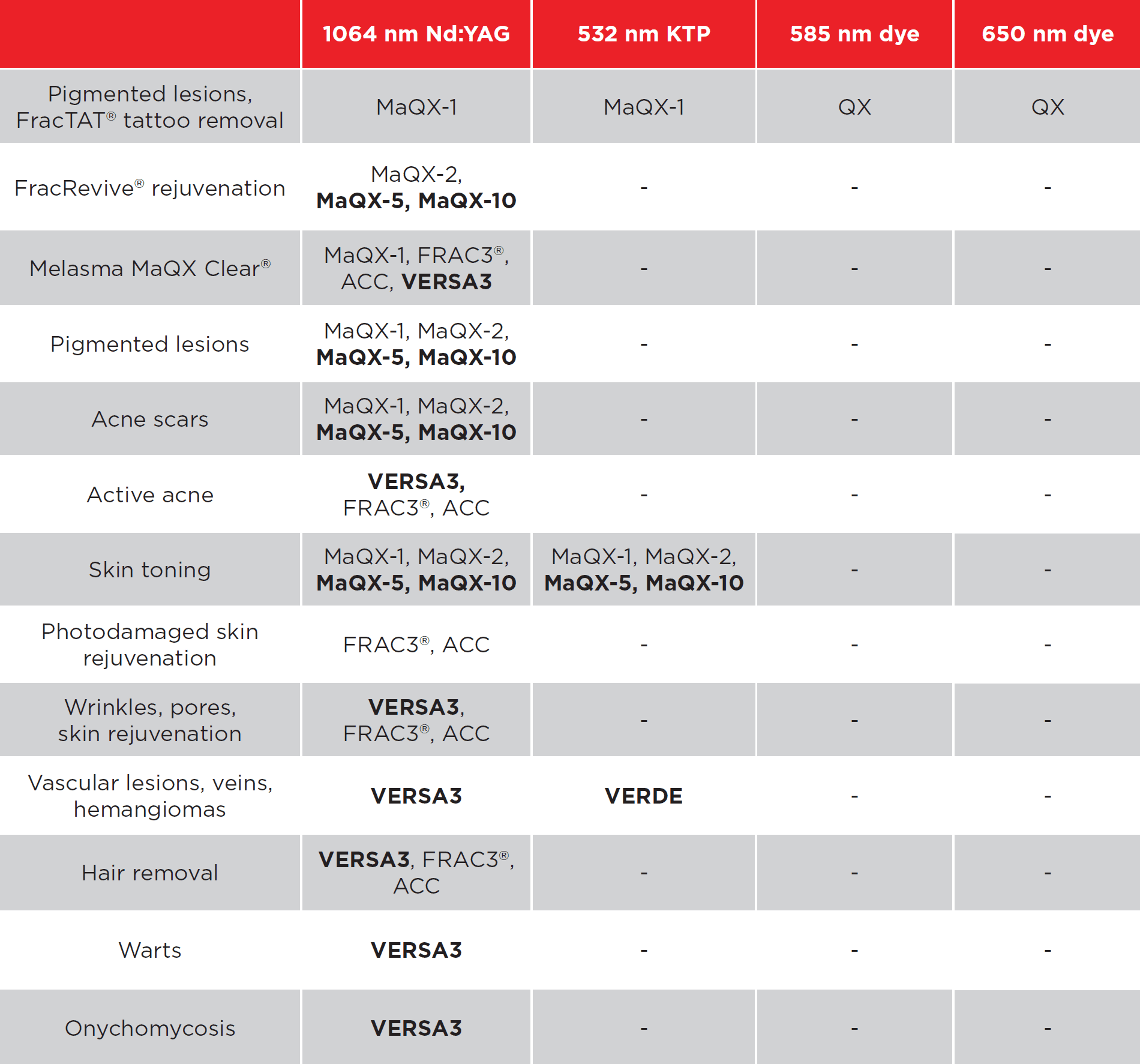
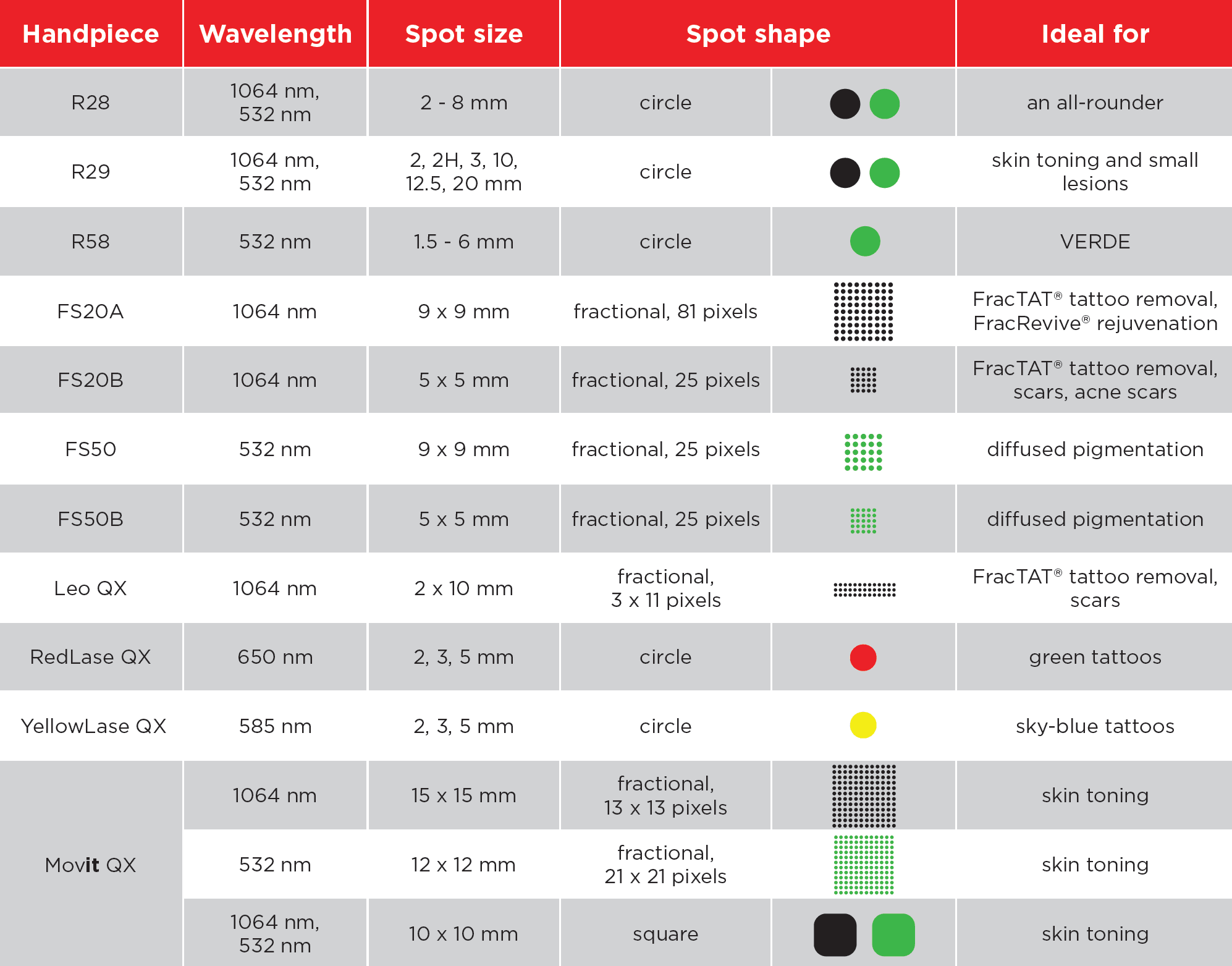
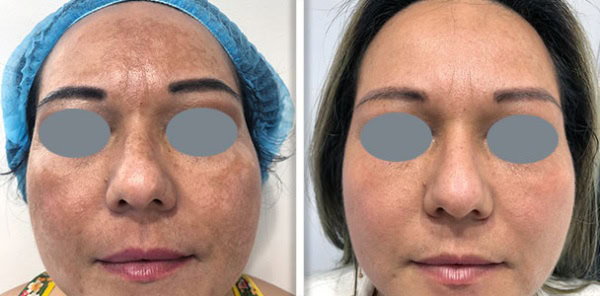
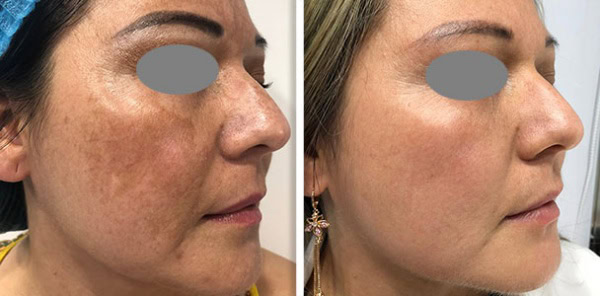
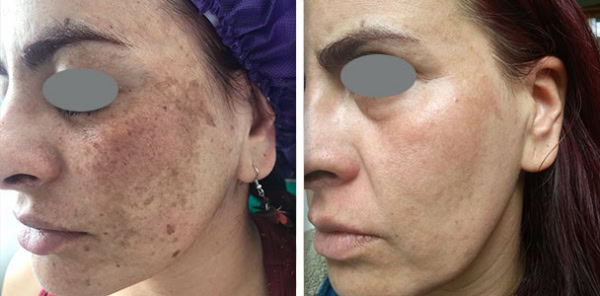
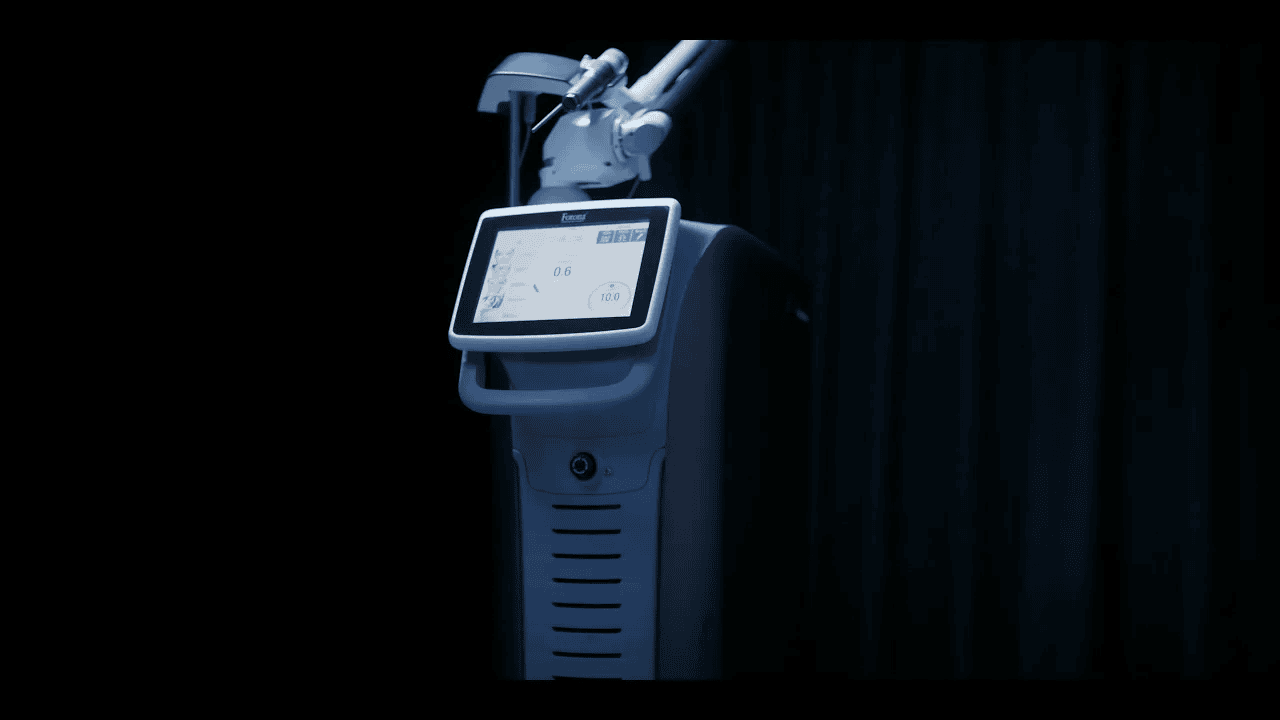
Fotona offers multi-application laser platforms that can help clinics build several treatment pathways around one technology investment. Depending on the chosen system and practitioner training, services may include Fotona4D facial rejuvenation, SmoothEye, LipLase, TightSculpting, skin resurfacing, acne-scar revision, vascular treatments and NightLase. This wider treatment range may improve equipment utilisation because the clinic can serve different patient concerns instead of depending on one service. Clinics should still compare system costs, training, servicing and expected local demand before deciding whether to lease or purchase a Fotona platform.
Final Verdict: Should You Lease or Buy?
When cash flow is a priority, and you need to access technology quickly while keeping your payments predictable, leasing can be a good option. Buying is often better when the clinic has sufficient capital, expects to use the equipment for many years and wants the lowest possible long-term ownership cost.
Hire purchase sits between the two by spreading payments while working towards ownership.
The smartest decision comes from comparing the full financial picture. Consider total cost, tax treatment, expected bookings, maintenance, upgrade risk and exit terms. A laser should not be purchased simply because it is impressive. It should have a realistic role in the clinic’s treatment menu and a clear route to paying for itself.
Frequently Asked Questions
Is it cheaper to lease or buy aesthetic equipment?
Buying is often cheaper over the full working life of the equipment, especially if it remains useful for many years. Leasing may cost more overall but requires less capital at the beginning and can support healthier cash flow.
Can UK clinics claim tax relief on aesthetic equipment?
Capital allowances are available for certain qualifying equipment that is purchased for business use. Tax advice is important because the treatment will depend on your business structure, equipment, ownership arrangement and current tax rules.
Can a clinic claim capital allowances on hire-purchase equipment?
The business may qualify for capital allowances if the rules of hire-purchase allow it.
Does leasing include maintenance and repairs?
Sometimes, but not always. Maintenance, servicing and breakdown cover depend on the supplier and contract. Clinics should request full written terms before signing.
Should a start-up clinic lease a laser machine?
Leasing may protect a start-up’s cash reserves, but the clinic must be confident it can meet every payment. Conservative revenue forecasts and a clear marketing plan are essential.