

Dental lasers can help clinics deliver precise, modern and patient-friendly care. Depending on the wavelength, a laser may be used for soft-tissue surgery, cavity preparation, periodontal treatment, root canal disinfection, implant care, sensitivity or cosmetic procedures. However, there is no single laser machine that is automatically best for every dental clinic. A small general practice may need an affordable diode laser for everyday soft-tissue work. A multidisciplinary clinic may gain more value from an all-tissue platform that combines wavelengths for both teeth and gums.
The right choice depends on the treatments you provide, the skills of your team, local patient demand and the total cost of ownership. A diode laser is usually the most accessible option for clinics mainly performing soft-tissue procedures. Er:YAG and Er,Cr:YSGG lasers can work on both hard and soft dental tissues, making them useful for cavity preparation, bone and periodontal applications. Nd:YAG reaches deeper tissue and can support coagulation, periodontal procedures and disinfection. For clinics wanting the widest treatment range, a dual-wavelength system combining Er:YAG and Nd:YAG may provide greater long-term value. The machine should still be assessed for training, servicing, safety, usability and realistic treatment demand.
What Is a Dental Laser Machine?
A dental laser produces a concentrated beam of light at a specific wavelength. Different wavelengths are absorbed by different parts of oral tissue. Some lasers are absorbed mainly by pigments such as haemoglobin and melanin. These are often used for soft-tissue procedures because they can cut gum tissue and help control bleeding. Other wavelengths are strongly absorbed by water and minerals in teeth, allowing them to remove enamel, dentine, bone and soft tissue. This is why clinics should never select a machine based only on its power or price. Its wavelength determines what it can safely and effectively treat.
Diode Lasers: Best for Affordable Soft-Tissue Dentistry
Diode lasers are a popular entry point into laser dentistry. Common dental diode wavelengths include approximately 810, 940 and 980 nm, although specifications vary by device. These lasers are mainly used for soft-tissue treatments such as gingivectomy, frenectomy, gum contouring, tissue exposure, haemostasis and selected periodontal procedures. Some systems may also support teeth-whitening protocols or photobiomodulation.
A diode unit is normally compact, relatively easy to move between surgeries and less expensive than an all-tissue system. This can make it suitable for clinics testing patient demand or adding laser-assisted procedures gradually. Examples include the Picasso range from AMD Lasers and soft-tissue diode systems from several dental manufacturers. The main limitation is that a conventional diode laser cannot cut enamel or prepare cavities. Clinics wanting hard-tissue capabilities will need a different wavelength.
Er:YAG Lasers: Best for Precise Hard- and Soft-Tissue Treatment
Er:YAG lasers operate at 2940 nm and are strongly absorbed by water. Because teeth, bone and soft tissues all contain water, Er:YAG technology can be used across a wide range of procedures. Potential applications include cavity preparation, caries removal, bone treatment, crown lengthening, periodontal debridement, implant-surface cleaning and selected oral surgery. The laser can remove tissue precisely while limiting unnecessary thermal spread when correctly used with water spray and suitable settings.
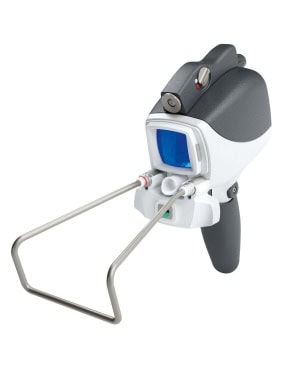
Er:YAG treatment can also reduce vibration and the sound associated with conventional drills. Some patients may therefore find the experience more comfortable. However, claims that dental laser treatment is always painless or never requires anaesthetic should be avoided. Comfort depends on the procedure, depth and individual patient. Fotona LightWalker and SkyPulse platforms are examples of dental systems using Er:YAG technology. These machines suit clinics that want to move beyond soft-tissue applications.
Er,Cr:YSGG Lasers: Strong All-Tissue Alternatives
Er,Cr:YSGG lasers usually operate at 2780 nm. Like Er:YAG, the wavelength is absorbed by water and hydroxyapatite, making it suitable for hard- and soft-tissue dentistry. Waterlase iPlus is a recognised example. Its manufacturer presents it as an all-tissue platform for restorative, periodontal, endodontic and surgical applications.
For a clinic, the value of an all-tissue system is the ability to use one core platform across multiple departments. The disadvantage is the higher purchase price and the need for deeper clinical training. Clinics should calculate whether enough suitable cases are available to justify that investment.
Nd:YAG Lasers: Best for Deep Soft-Tissue Effects
Nd:YAG lasers operate at 1064 nm and penetrate more deeply than erbium wavelengths. They are well absorbed by darker pigments and haemoglobin, making them useful for coagulation, selected periodontal treatment and deep tissue disinfection.
They may support pocket decontamination, soft-tissue procedures, endodontic protocols and management of some vascular oral lesions. Nd:YAG should not be treated as a replacement for conventional periodontal or endodontic care. It is normally used as part of a carefully designed treatment protocol. The deeper thermal effect also means settings and technique matter greatly. Incorrect use can cause unwanted heat injury. Training is therefore essential.
Dual-Wavelength Dental Lasers: Best for Maximum Versatility
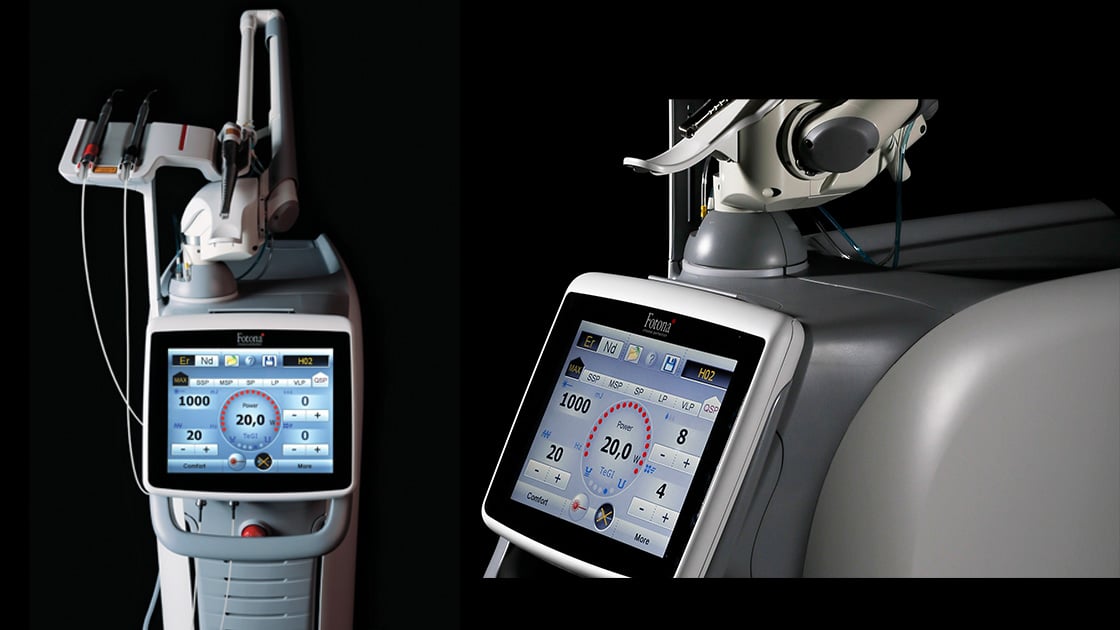
A dual-wavelength system combines complementary laser technologies in one machine. Fotona LightWalker, for example, combines Er:YAG and Nd:YAG.
Er:YAG is used for hard tissue removal, surface debridement, and precise ablation. Nd:YAG offers deeper penetration, coagulation, and disinfection. Together, the wavelengths may support restorative dentistry, periodontics, endodontics, oral surgery, implant procedures and facial aesthetic services.
This type of platform can offer strong value for a busy multidisciplinary clinic. However, paying for versatility only makes sense if the clinic intends to use it. A machine with dozens of possible applications may still deliver poor return on investment when the team uses only two or three basic settings.
What Treatments Should Guide Your Choice?
A clinic focused on gum contouring, orthodontic tissue exposure and minor surgery may only need a diode laser. A restorative clinic wanting drill-free or minimally invasive cavity preparation should consider Er:YAG or Er,Cr:YSGG.
Periodontal and implant-focused clinics may benefit from a system offering both surface debridement and deeper tissue effects. Endodontic clinics should assess available irrigation-activation or disinfection protocols, supported indications and clinical evidence. The best machine is the one that fits treatments already performed regularly, rather than a system purchased mainly for services the clinic hopes to introduce later.
Important Buying Factors Competitor Guides Often Miss
The headline price is only part of the investment. Ask about handpieces, fibres, tips, consumables, servicing, software updates and replacement-part availability. Check whether training is included and whether support continues after installation. Treatment speed also affects profitability. A machine with a low price that increases the appointment time can be less valuable than a platform with efficiency.
Clinics should calculate break-even using conservative booking figures. Include finance payments, practitioner time, maintenance, marketing and any disposable tips. Do not build projections around a completely full diary from the first month. UK clinics should also confirm that the device has been lawfully placed on the Great Britain market and registered where required. Suitable eyewear, controlled treatment areas, written safety procedures, maintenance records and laser-safety advice are important parts of responsible operation.
Fotona Dental Services
Fotona dental platforms offer services across conservative dentistry, endodontics, periodontics, implant dentistry, oral surgery and facial aesthetics. LightWalker combines Er for precise hard- and soft-tissue ablation with Nd for deeper disinfection and coagulation. Depending on the model and practitioner training, clinics may offer cavity preparation, TwinLight periodontal and endodontic protocols, implant-related treatments, NightLase, lip enhancement and non-invasive facial rejuvenation. This broad range can help a clinic create several treatment pathways around one platform.
Which Dental Laser Is Best Overall?
For an affordable start in soft-tissue laser dentistry, a diode machine is often the most practical choice. For hard- and soft-tissue versatility, Er and Er,Cr systems are stronger options. For clinics requiring the broadest range, a dual Er and Nd platform may be the best long-term investment. The final decision should be based on clinical needs, evidence, training and realistic utilisation—not marketing claims alone.
Frequently Asked Questions
Which laser is most commonly used in dentistry?
Diode lasers are widely used because they are compact, affordable and suitable for many everyday soft-tissue procedures.
Can a dental laser replace the drill?
Some erbium lasers can prepare cavities and remove caries, reducing the need for a conventional drill in selected cases. They cannot replace every traditional instrument or procedure.
What is the best laser for gum treatment?
Diode, Nd and erbium lasers can all support gum treatments. The best option depends on whether the procedure involves cutting, coagulation, debridement or deeper periodontal therapy.
Which dental laser can treat teeth and gums?
Both Er and Er,Cr can be used to treat both hard and soft dental tissues.
Are dental lasers safe?
When used correctly by trained professionals using protective eyewear, controlled accessibility, and proper safety procedures, dental lasers can be very safe.
Is a dual-wavelength dental laser worth buying?
It can be worthwhile for a multidisciplinary clinic with sufficient treatment demand. A smaller clinic performing mainly soft-tissue procedures may gain a better return from a simpler diode system.