


Choosing between a diode, Nd and Er laser can feel confusing. All three are used in medical aesthetics, but they are designed for different purposes. A diode laser is mainly associated with hair reduction. Nd can reach deeper tissue and is widely used for hair, vascular concerns and non-ablative rejuvenation. Er works closer to the skin surface and is best known for resurfacing, fine lines, texture and scars. The best laser is therefore not simply the most powerful or most expensive. It is the one that matches the patient’s concern, skin type and treatment goal.
Diode lasers are a good choice when it comes to high-volume hair removal, especially where speed and effectiveness matter. Nd has a high degree of versatility and can penetrate deeper, making it a useful tool for hair reduction on darker skin, vascular treatment and collagen stimulation. Er is the better choice for precise skin resurfacing, fine lines, enlarged pores, sun damage and superficial scars. For clinics that want to treat several concerns, a system combining Nd and Er may offer greater flexibility than a single-purpose device.
Why Laser Wavelength Matters?
A laser wavelength determines how deeply light travels and which target absorbs it. In aesthetics, the main targets include melanin in hair or pigmentation, haemoglobin in blood vessels and water within the skin. Diode hair-removal systems commonly work around the near-infrared range, often close to 800–810 nm, although exact wavelengths vary by machine. Nd typically operates at 1064 nm, while Er operates at 2940 nm. These numbers are not just technical details. They explain why one laser may be suitable for hair follicles, another for deeper vessels and another for removing extremely thin layers of damaged skin.
What Is a Diode Laser Best For?
Diode lasers are most commonly used for long-term hair reduction. Their wavelength is absorbed by melanin in the hair, allowing heat to travel down the hair shaft and damage the follicle. Because diode systems can cover larger areas efficiently, they are popular for treating the legs, back, chest, arms, underarms and bikini line. Modern devices may include contact cooling or other comfort features to protect the skin and make treatment easier to tolerate.
Diode treatment tends to work best when the hair is dark and coarse because it contains more melanin. Blonde, white, grey and some red hair usually respond poorly because they contain little suitable pigment for the laser to target. Although settings can be adjusted for different complexions, careful patient selection is essential. When the surrounding skin contains more melanin, it can also absorb energy, increasing the importance of suitable settings, cooling and practitioner experience.
Main Limitation of Diode Lasers
The greatest limitation is specialisation. A diode machine can be an excellent commercial option for a busy hair-removal clinic, but many devices do not provide the same range of resurfacing, vascular or advanced rejuvenation treatments as a multi-wavelength medical laser platform.
What Is an Nd Laser Best For?
Nd laser energy penetrates more deeply into the skin than Er and is less strongly absorbed by surface melanin than many shorter wavelengths. This is why long-pulsed Nd is often selected for hair reduction in darker skin types when used by a properly trained practitioner. It is also widely used for vascular concerns. The laser can target haemoglobin and create controlled heat within selected vessels, making it useful for concerns such as visible facial vessels and some leg veins.
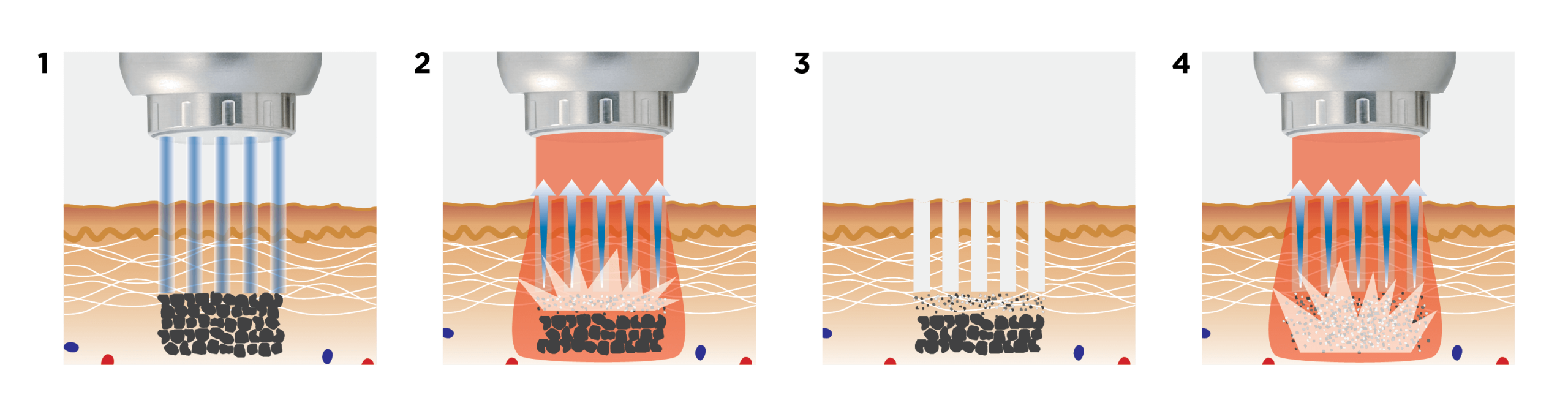
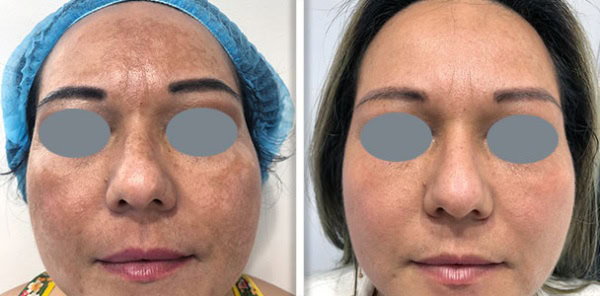
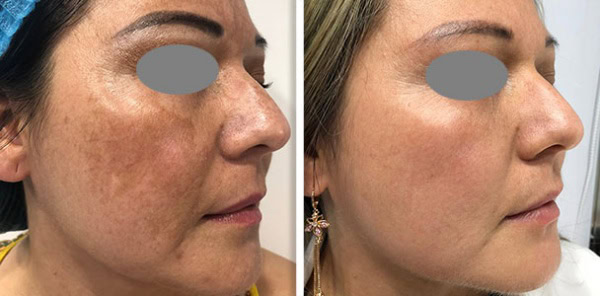
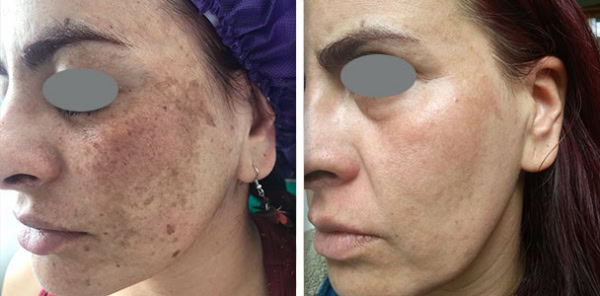
In skin rejuvenation, Nd can heat deeper tissue without removing the skin surface. This controlled thermal effect can stimulate collagen remodelling and support gradual improvements in firmness, texture and wrinkles. Patients generally experience less surface recovery than with ablative resurfacing. Nd may also form part of acne, scar, body-contouring and skin-tightening protocols, depending on the device and available pulse modes.
Main Limitation of Nd Lasers
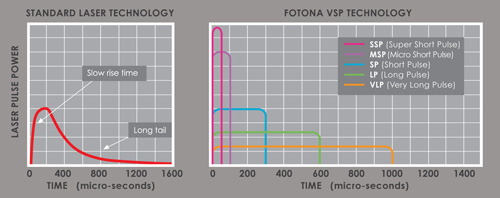
Because Nd penetrates deeply, treatment requires accurate fluence, pulse duration, spot size and cooling choices. It may not be the first choice for concerns requiring precise removal of damaged surface tissue. Hair reduction can also feel more uncomfortable in some areas, and several sessions are normally required.
What Is an Er Laser Best For?
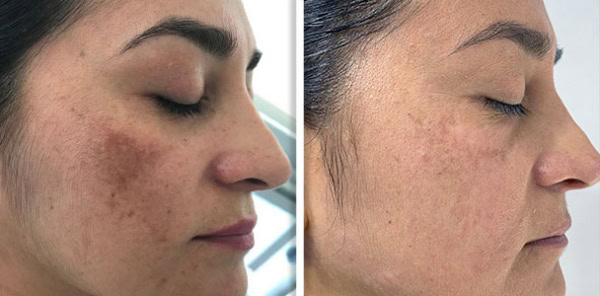
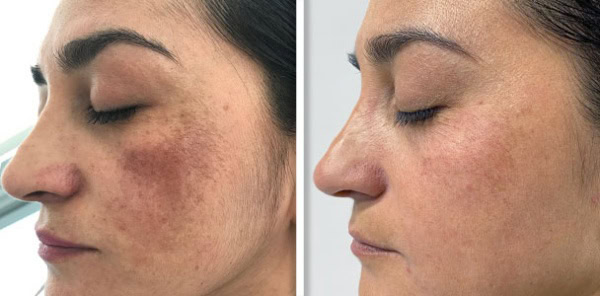
Er is a 2940 nm laser that is strongly absorbed by water. As the skin contains a high level of water, the laser can remove extremely controlled layers of tissue with precision. This makes Er particularly useful for skin resurfacing. It may be used to improve fine lines, rough texture, enlarged pores, sun-damaged skin, superficial pigmentation and selected acne scars.
Treatment intensity can vary. The visible healing process can take several days for a deeper ablative treatment. A fractional treatment can result in a quicker recovery time than ablative resurfacing because it leaves some skin untreated between the treatment zones. Er can offer precise ablation with less unwanted heat spread than some other ablative technologies. However, downtime and aftercare still depend greatly on treatment depth.
Main Limitation of Er Lasers
Er is not a standard choice for traditional laser hair reduction. It is also unsuitable for patients who cannot manage the required healing period after a stronger resurfacing procedure. Infection risk, pigment changes, prolonged redness and delayed healing must be discussed during consultation.
Diode vs Nd for Hair Removal
For lighter skin with dark, coarse hair, diode treatment can deliver efficient results and quick coverage of larger body areas. For darker skin tones, a 1064 nm Nd laser is often preferred because its deeper penetration and lower surface-melanin absorption can offer a wider safety margin when used correctly. However, wavelength alone does not guarantee safety. The practitioner must also consider tan status, hair thickness, treatment area, cooling and medical history. A patch test and detailed consultation are valuable before starting a course.
Neither laser can promise permanent removal of every hair. The more accurate term is long-term hair reduction, and maintenance may be needed because hormonal changes can encourage new growth.
Nd vs Er for Skin Rejuvenation
Nd and Er improve the skin in different ways. Nd mainly creates deeper heat while leaving the surface intact. This suits patients seeking collagen stimulation, tightening and minimal downtime. Er acts more directly on the surface. It is better suited to visible texture, fine lines, superficial scars and sun damage. Results can be more noticeable after resurfacing, but recovery may also be longer. Some advanced protocols combine the two wavelengths. Er can refine the skin’s surface, while Nd is used to treat deeper tissues. This approach is more effective than using either wavelength.
Which Laser Is Best for an Aesthetic Clinic?
A clinic that focuses primarily on hair reduction can benefit from a diode system which is reliable, has a fast treatment speed, and offers strong cooling. Nd is a good option for clinics that treat darker skin or offer vascular and non-ablative treatment.
A dermatology or skin-rejuvenation clinic may prioritise Er for resurfacing and scar treatments. Clinics wanting a broader menu should consider a platform that combines complementary wavelengths, provided the team receives full training and there is genuine local demand. The decision should include servicing, warranty, consumables, treatment speed, clinical support and expected monthly bookings—not only the purchase price.
Fotona Laser Services
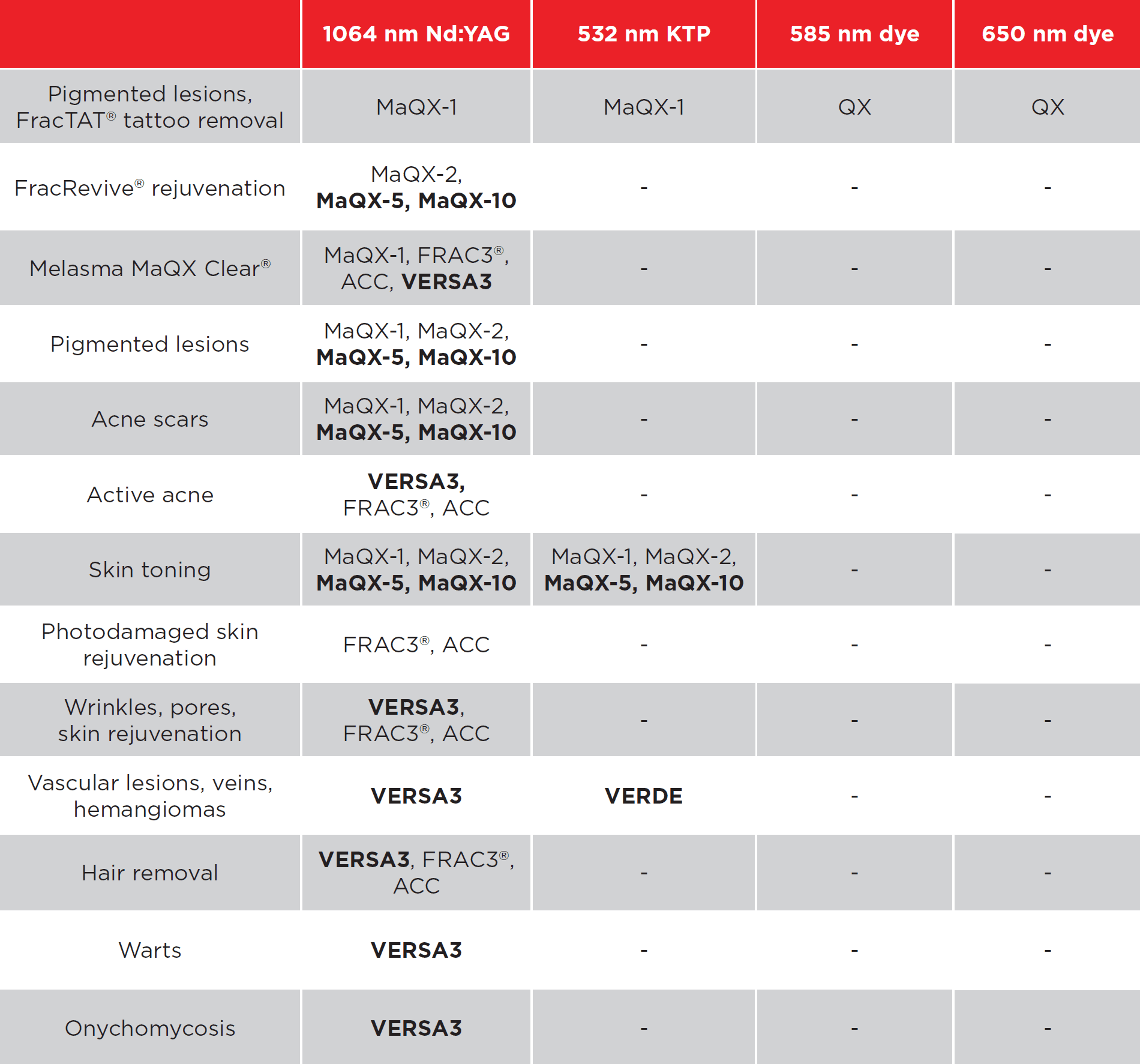
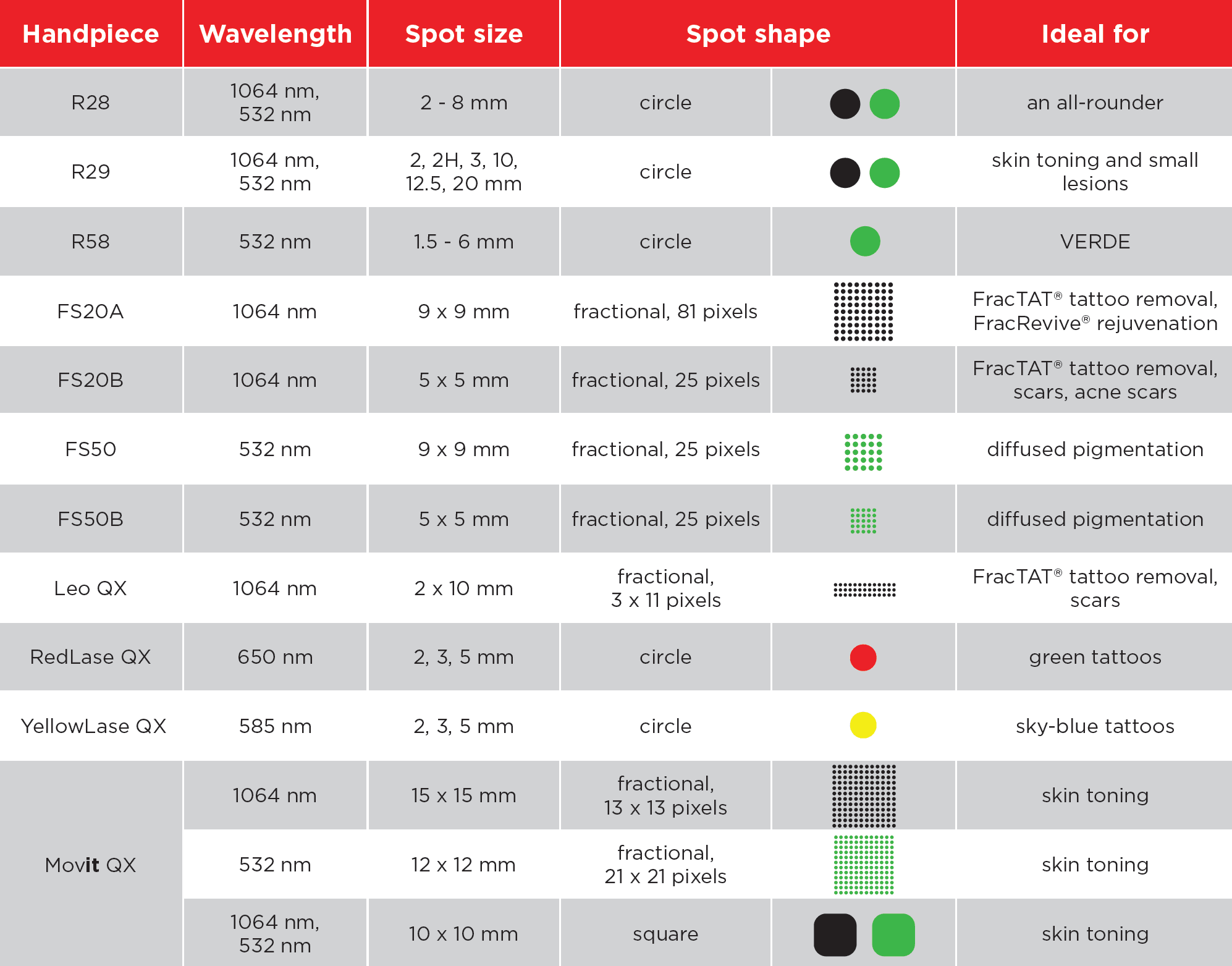
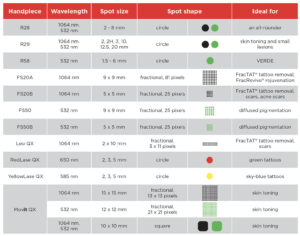
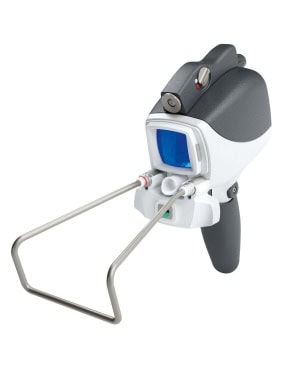
Fotona platforms combine 1064 nm Nd and 2940 nm Er technology to treat concerns at different skin depths. Depending on the system and practitioner training, services may include Fotona4D facial rejuvenation, SmoothEye, LipLase, TightSculpting, laser resurfacing, scar revision, vascular treatments, hair reduction and NightLase. This dual-wavelength approach allows clinics to create personalised programmes that address deeper collagen, vascular structures and surface texture within one treatment platform.
So, Which One Is the Winner?
There is no universal winner. Diode is a practical specialist for hair reduction. Nd offers depth, versatility and an important option for darker skin types. Er delivers precise surface renewal and is the strongest of the three for ablative resurfacing. For patients, the right choice depends on the concern rather than the laser name. For clinics, the best investment is the system that fits patient demand, team skills and a realistic business plan.
Frequently Asked Questions
Is Nd better than diode for dark skin?
Nd is often preferred for darker skin because 1064 nm energy is less strongly absorbed by surface melanin. Treatment must still be carried out using suitable settings by a trained practitioner.
Which laser is best for facial hair?
Diode and Nd may both be used. The best choice depends on skin tone, hair colour and thickness. Light or grey hair may not respond well to either.
Is Er good for wrinkles?
Yes. Er resurfacing can improve fine lines and skin texture by removing damaged surface tissue and stimulating renewal.
Which laser has the least downtime?
Non-ablative diode or Nd treatments generally involve less surface recovery than ablative ER resurfacing. Exact downtime depends on treatment settings.
Can Nd and Er be combined?
Yes. Combining Nd with Er can provide a complete approach to rejuvenation.
How many laser sessions are required?
Normal hair reduction requires several sessions because the hair grows in cycles. Skin rejuvenation can be achieved with a single session of stronger treatment or several sessions of gentler treatments depending on the chosen protocol and concern.