

If you are noticing skin laxity, fine lines or a loss of facial volume, you may be weighing up your options. Historically, significant facial rejuvenation required going under the knife for a surgical facelift. Today, non-surgical alternatives like the Fotona 4D laser offer a different approach.This guide is a comparison between Fotoan 4D laser treatment and traditional facelifts. This will also help to understand the different methods of working, which one is best for you and expectations regarding downtime and results.
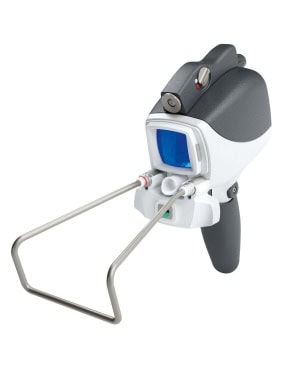
Fotona 4D is a non-surgical laser treatment that uses two wavelengths (Er:YAG and Nd:YAG) to stimulate collagen and tighten skin from the inside out. Unlike a traditional facelift, which surgically repositions underlying muscle and removes excess skin, Fotona 4D requires no incisions or downtime. A surgical facelift is ideal for advanced, heavy sagging, while Fotona 4D is better suited to mild-to-moderate laxity and improving overall skin texture.
What Is Fotona 4D?
Fotona 4D is a multi-step laser treatment used to lift, firm, and refine the face. It is done without cut or removing skin. It uses controlled laser energy which stimulates your body’s natural collagen production and improves skin tightness and elasticity over time. It is performed in a clinic setting and typically requires no anaesthetic or recovery downtime.
What Is a Traditional Facelift?
A traditional facelift (rhytidectomy) is a surgical process. A surgeon makes incisions, usually around the hairline and ears, to lift and re-arrange the underlying facial muscles and tissues (the SMAS layer). Excess skin is then removed before the incisions are closed. It is performed in a hospital or surgical facility under general anaesthetic or heavy sedation.
How Does Each Treatment Work?
The Surgical Approach
A facelift is mechanical. It directly alters the structural anatomy of your face. By physically tightening the muscle layer and removing sagging skin, it provides immediate and dramatic changes to facial contours.
The Fotona 4D Approach
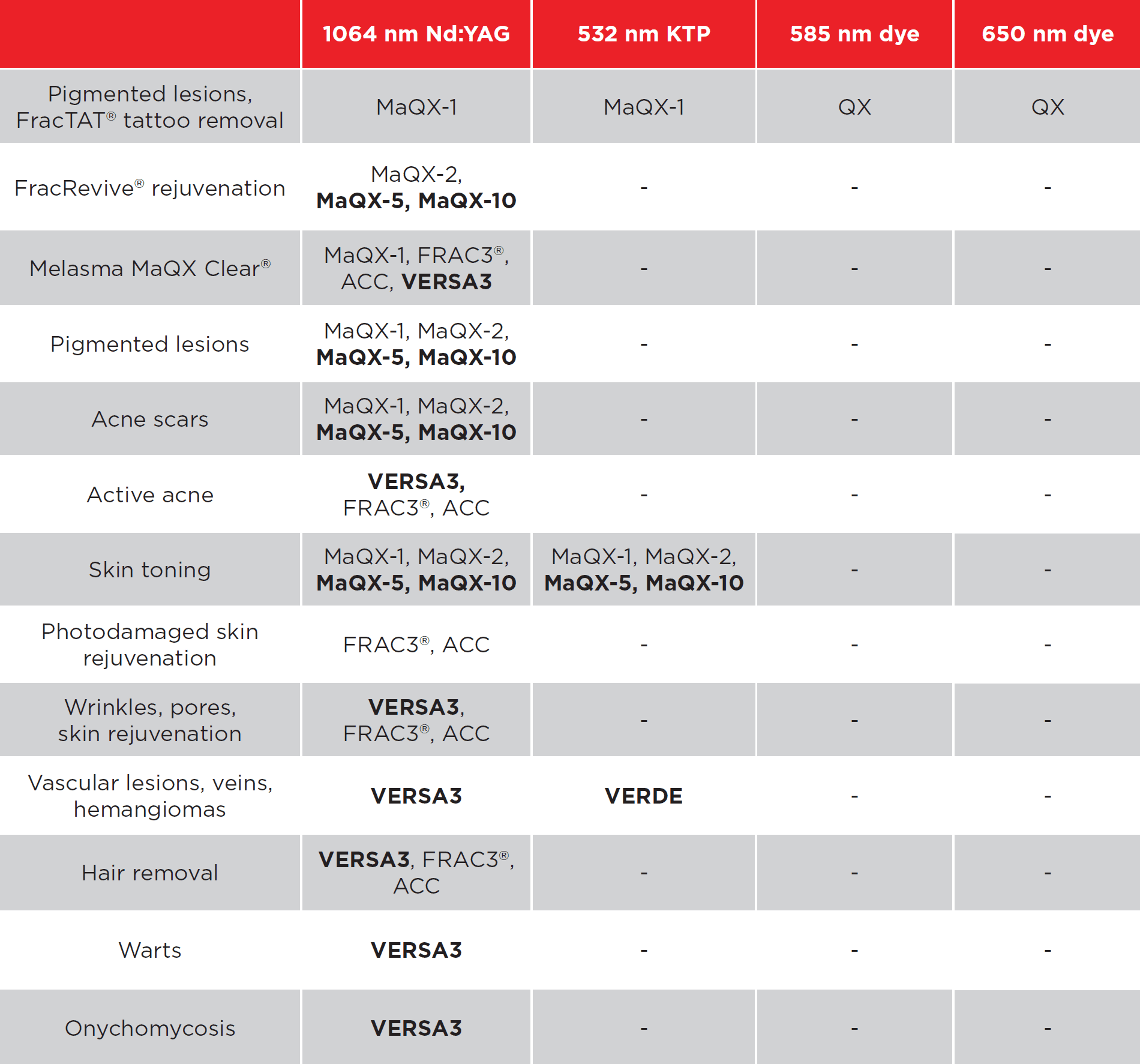
Fotona 4D works biologically. It uses a combination of two specific laser wavelengths—2940 nm Er:YAG and 1064 nm Nd:YAG—across four distinct steps to target varying depths of tissue.
Step 1: SmoothLiftin™ (Inside the Mouth): The practitioner treats the inside of your mouth (intraoral) using gentle, non-ablative Er:YAG energy. This heats the deeper tissues from the inside out, plumping the nasolabial folds (nose-to-mouth lines) much like a dermal filler would, but using your own collagen.
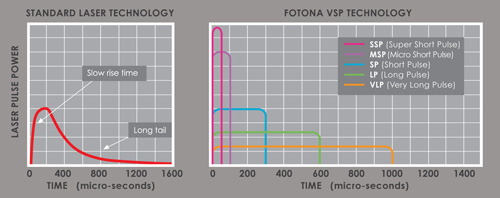
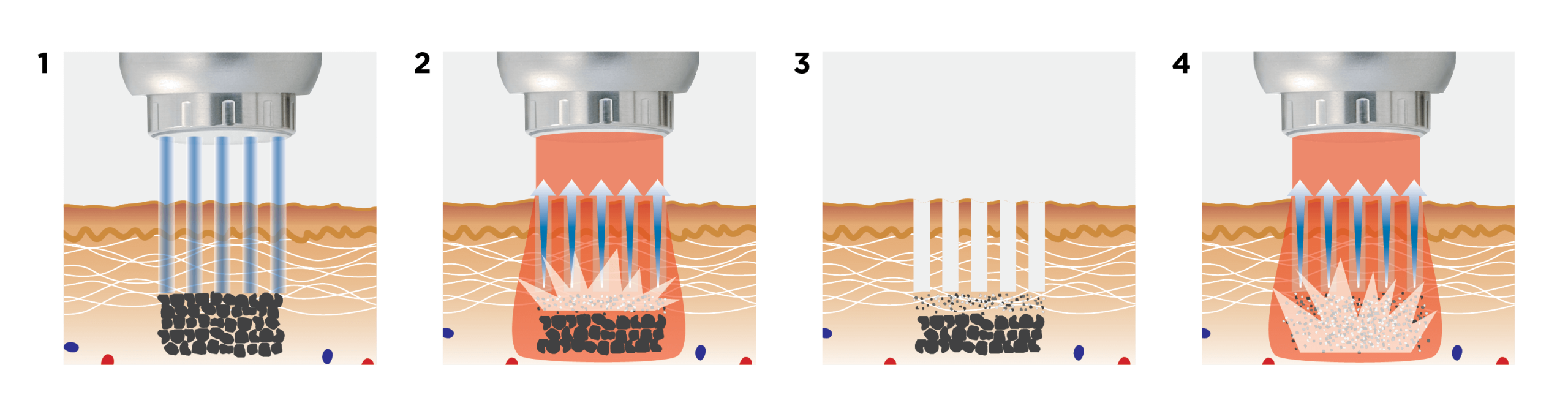
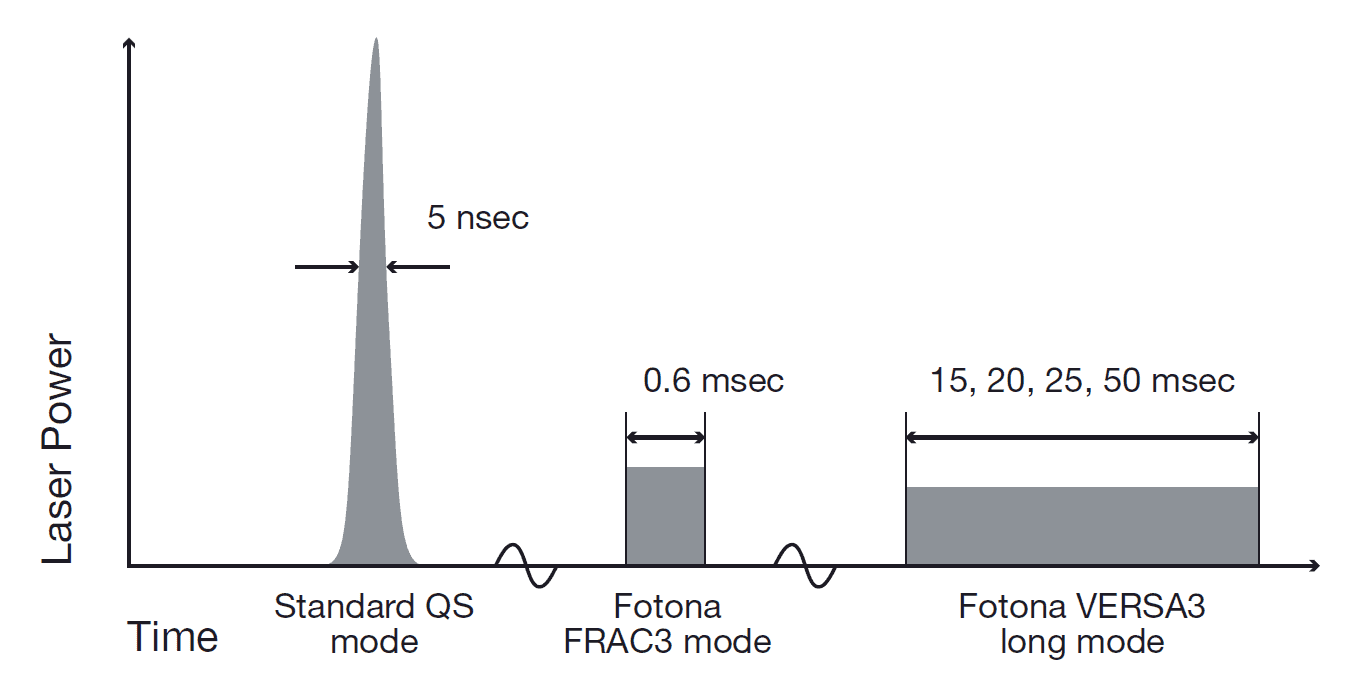
Step 2: FRAC3® (Deep Dermis): The Nd:YAG wavelength delivers micro-pulses of heat deep into the skin. This focuses on specific, deeper imperfections and starts collagen remodelling to restore youthful texture.
Step 3: PIANO® (Bulk Tissue Heating): The laser safely and rapidly heats the outside of the skin, causing an overall tightening effect across the face and jawline.
Step 4: SupErficial™ (Light Surface Peel): Finally, a light, cold Er:YAG peel removes dead surface cells. This polishes the skin, reducing minor imperfections and leaving a brighter complexion.
Who Is Suitable for Which Treatment?
Choosing between the two depends upon the condition of your skin and what you wish to achieve.
A surgical facelift is better if:
- You have major, advanced skin drooping or heavy jowls.
- You have distinct bands or extreme loose skin around the neck (often requiring a neck lift alongside a facelift).
- You want a single, dramatic transformation and can accept surgical risks and an extended recovery period.
Fotona 4D is suitable for you if:
- You have temperate skin laxity and want a firmer, lifted appearance without looking “pulled” or unnatural.
- You want to improve skin texture, tone, and pore size—which surgery cannot fix.
- You want to prevent further ageing and maintain healthy tissue.
- You cannot, or choose not to, take time off work for surgery.
- You want to avoid the risks associated with general anaesthesia and surgical scarring.
Downtime and Recovery Compared
The recovery experiences are entirely different. After a surgical facelift, patients typically need two to four weeks off work. You will experience significant bruising, swelling, and discomfort. Dressings or drains are often required for the first few days, and heavy physical activity must be avoided for at least a month.
Following a Fotona 4D treatment, there is virtually no downtime. Most patients return to their normal daily activities immediately. You may experience mild redness and a feeling of warmth—similar to returning from a brisk walk or mild sun exposure—but this usually settles within a few hours. Light flaking may occur a few days later following the final polishing step, but this is easily managed with standard moisturiser.
Results and Realistic Expectations
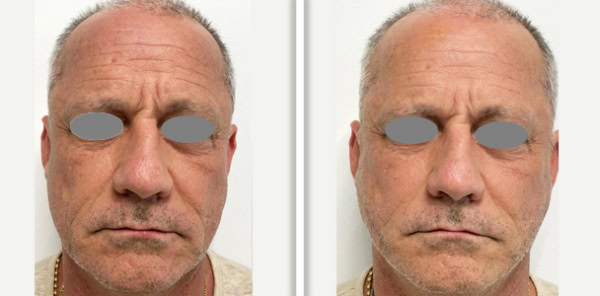
A surgical facelift provides immediate results once the initial swelling subsides, typically lasting 7 to 10 years. However, it does not stop the skin itself from ageing or losing its quality over time. Fotona 4D is a gradual process. Because it relies on your body’s natural ability to produce collagen, you will not see the final outcome immediately. Some initial tightening is visible straight away, but the most significant improvements develop over two to three months. For better results, a course of three to four sessions spaced four to six weeks apart is generally recommended, followed by a single annual maintenance session.
Safety, Risks and Contraindications
All aesthetic procedures carry some level of risk, and a thorough medical assessment should always take place first. Surgical facelifts carry some surgical risks, including infection, adverse reactions to anaesthesia, haematoma (blood pooling under the skin), and nerve injury.
Fotona 4D is highly regulated and heavily researched. When performed by a trained practitioner, adverse effects are rare. However, it may not be suitable if you are pregnant, have active skin infections (such as cold sores) in the treatment area, or are taking certain photosensitising medications. If you have a history of hyperpigmentation, your practitioner may adjust the laser settings to suit your specific skin type safely.
Why Choose Fotona Technology?
Not all non-surgical laser platforms are the same. Fotona equipment, such as the SP Dynamis and TimeWalker, offers a unique degree of clinical control. By combining Er:YAG and Nd:YAG wavelengths in a single platform, practitioners can target the mucosal tissue inside the mouth, the deep dermis, and the very surface of the skin in one session. This 360-degree approach to tissue heating simply isn’t possible with single-wavelength devices or standard injectables.
Fotona Services
The same multi-wavelength technology that powers Fotona 4D also allows clinics to address highly specific concerns. For instance, the intraoral heating technique is adapted for LipLase, which plumps the lips naturally without dermal fillers. Similarly, SmoothEye focuses the non-ablative Er:YAG energy on the delicate periorbital region to tighten loose skin around the eyelids. Because Fotona is a comprehensive platform, your practitioner can tailor a treatment plan that addresses your exact concerns during the same visit.
Your safety and results depend on accurate assessment. A laser cannot replace surgery for severe sagging, and we believe in being entirely transparent about what non-surgical treatments can and cannot achieve. All Fotona treatments should begin with a thorough clinical consultation.
Frequently Asked Questions
Does the Fotona 4D treatment hurt?
Most patients find the treatment very tolerable. You will feel a gradual warming sensation during the deep heating steps, and a mild prickling or tingling during the superficial peel. Anaesthetic is rarely required, though numbing cream can be applied for the final step if you are particularly sensitive.
How many Fotona 4D sessions will I need?
While some improvement is often visible after one session, however it normally involves three to four sessions spaced about a month apart. This cumulative approach ensures the best possible collagen stimulation.
Can Fotona 4D replace a surgical facelift?
No. It is an alternative, not a direct replacement. If you have severe structural sagging or heavy jowls, surgery is usually required. Fotona 4D is designed for mild-to-moderate laxity, preventative anti-ageing, and overall skin rejuvenation.
How long do the results of a Fotona 4D facelift last?
Once your body has built new collagen, the results generally last between 12 and 18 months. Because the natural ageing process continues, most patients choose to have a single “top-up” or maintenance session once a year to sustain the lifting effect.
Is Fotona 4D safe for all skin types?
Yes. The Nd:YAG wavelength in particular is known for being safer on darker skin types than many other laser technologies. However, your practitioner will always adjust the laser’s pulse duration and energy settings to ensure maximum safety according to the skin.