

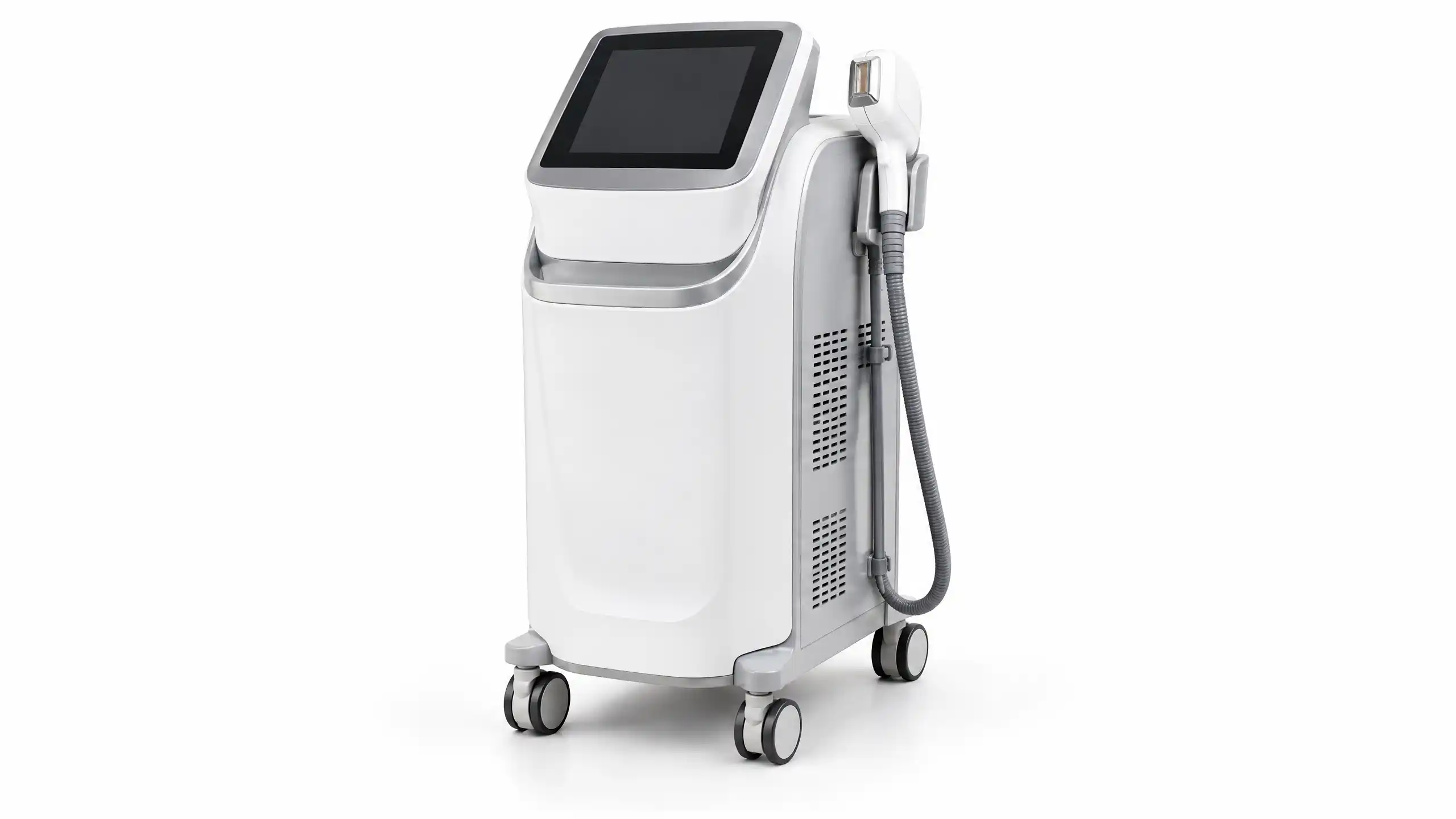
Choosing the best aesthetic laser machine in the UK isn’t simply a matter of finding the platform with the longest treatment list. A hair-removal clinic, a doctor-led skin clinic and a practice specialising in facial rejuvenation may need very different technologies.
Wavelengths, treatment versatility, skin types, training, servicing and expected machine utilisation all matter.This guide compares several established aesthetic laser platforms and, more importantly, explains how UK clinics can decide which type of system fits their actual treatment model.
TL;DR
There isn’t one aesthetic laser machine that is automatically right for every UK clinic. Fotona SP Dynamis combines Er and Nd for applications spanning superficial resurfacing and deeper laser treatments. Candela GentleMax Pro Plus combines alexandrite and Nd and has a particularly strong hair-reduction focus. Lumenis M22 uses a modular approach that can combine IPL, Nd and fractional non-ablative resurfacing technologies.
The better purchasing question is therefore not simply “Which machine has the most treatments?” but “Which technologies will our clinic use consistently?”
Quick Answer
The best aesthetic laser machine for a UK clinic depends on the services it plans to deliver. Multi-application platforms such as Fotona SP Dynamis can suit clinics wanting resurfacing and broader skin applications, while systems such as Candela GentleMax Pro Plus may align particularly well with clinics where laser hair reduction is central. Modular systems such as Lumenis M22 provide another route to treatment diversity.
What Makes an Aesthetic Laser Machine Suitable for a Clinic?
Start with the clinic’s treatment menu rather than the machine brochure.
Every wavelength interacts differently with tissue. Its usefulness depends partly on which chromophore — such as water, melanin or haemoglobin — absorbs the energy and how the practitioner delivers that energy.
That means two machines described as “skin lasers” may perform very different jobs.
A useful purchasing assessment should consider:
- treatments patients already request;
- treatments the clinic realistically intends to introduce;
- patient skin types;
- practitioner qualifications and training;
- treatment speed and workflow;
- servicing and technical support;
- safety requirements;
- how frequently each application is likely to be used.
A platform with ten theoretical applications isn’t necessarily more valuable than one with four applications that a clinic performs every day.
Which Aesthetic Laser Machines Should UK Clinics Compare in 2026?
Fotona SP Dynamis
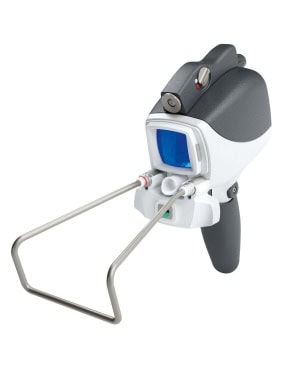
Fotona SP Dynamis combines 2940 nm Er and 1064 nm Nd technologies within one multi-application platform.The distinction between these wavelengths matters.
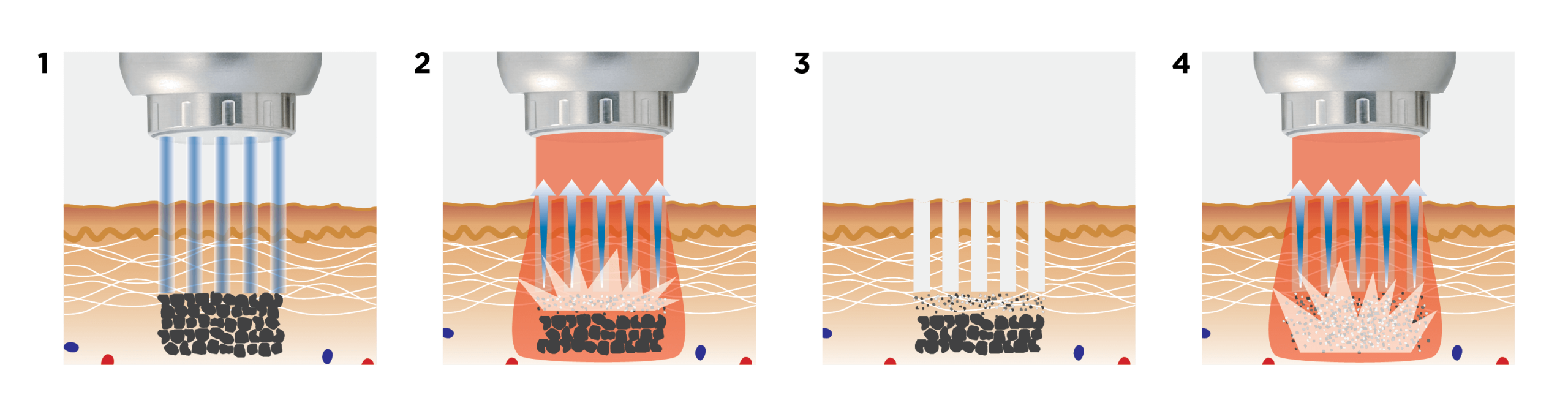
Er energy is strongly absorbed by water, making it useful where controlled effects in water-rich superficial tissue are required. Nd penetrates differently and supports deeper thermal applications. Fotona therefore uses the two wavelengths across different aesthetic protocols rather than expecting one wavelength to perform every job.
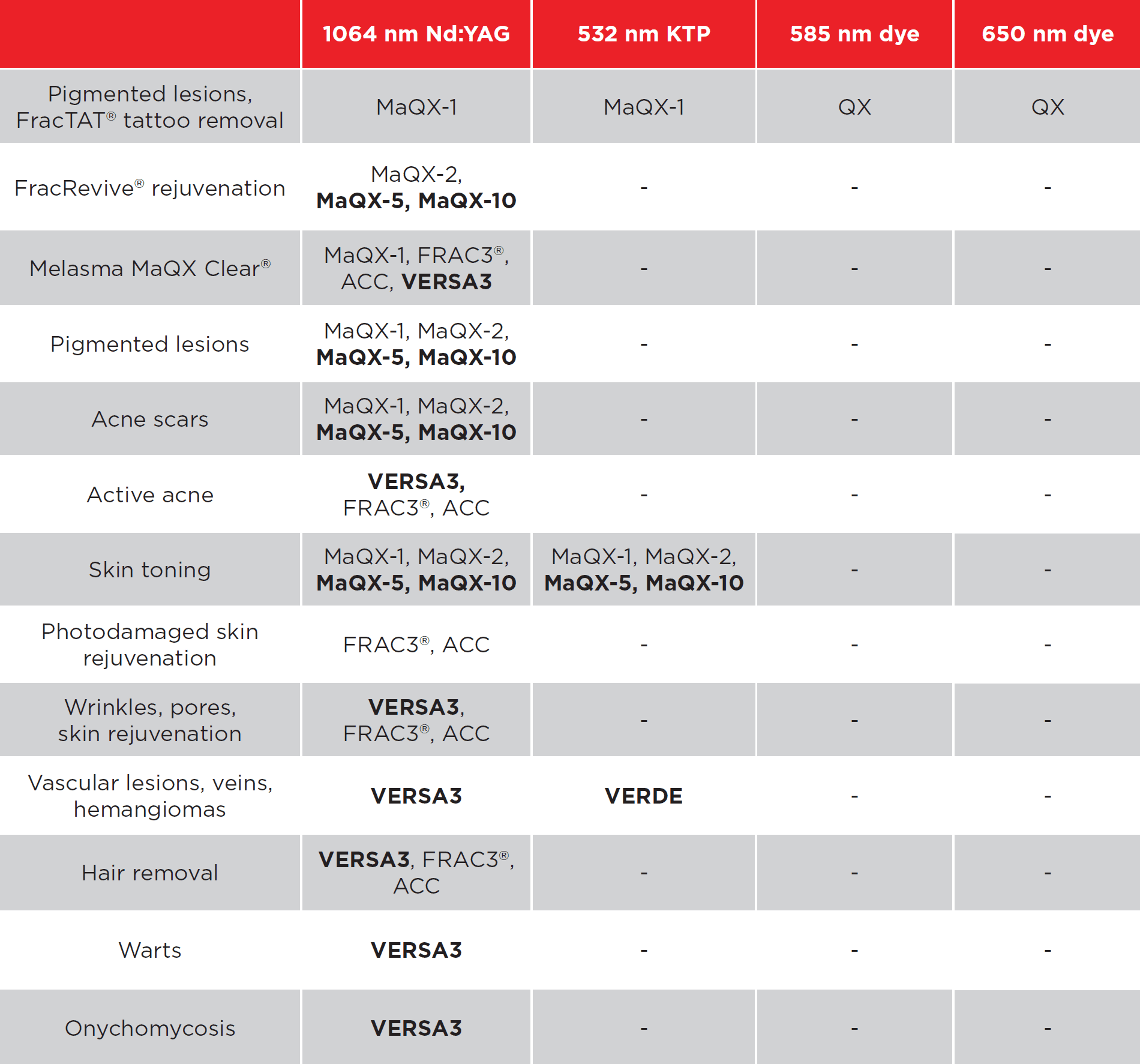
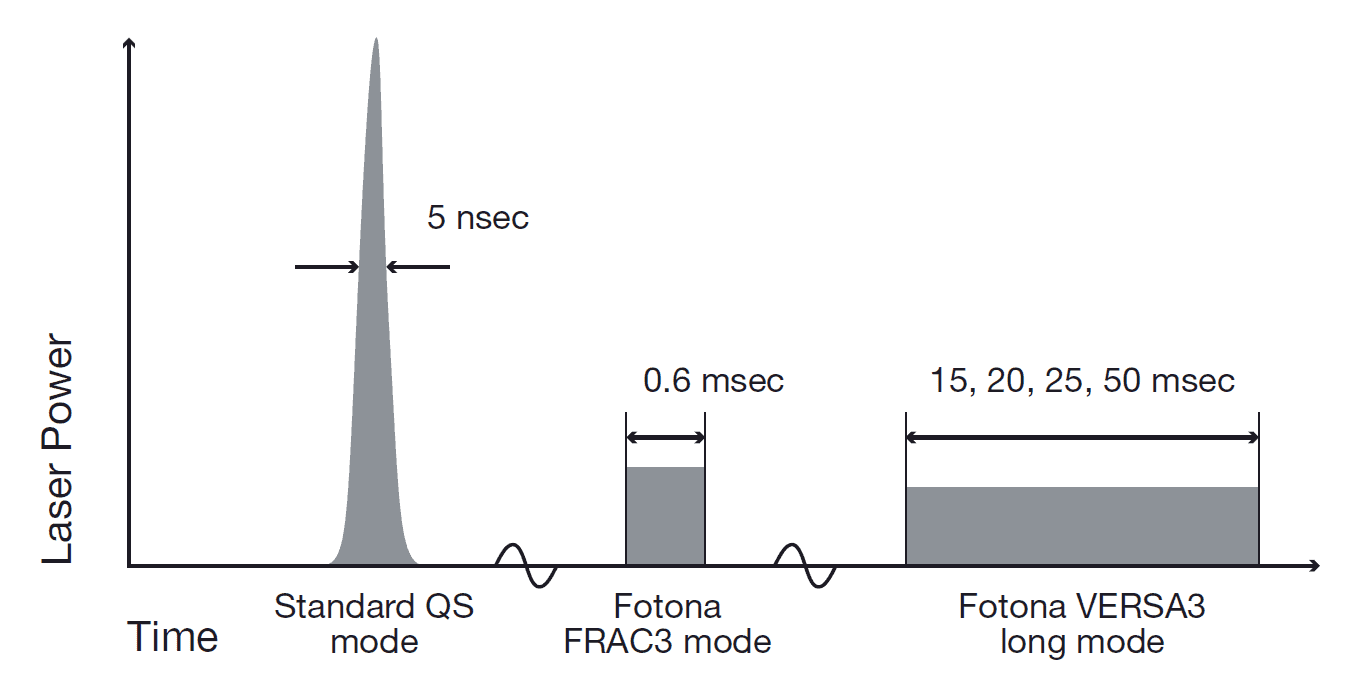
Fotona lists applications including skin rejuvenation, hair reduction, vascular treatments and other aesthetic and dermatological procedures. The platform also supports Fotona technologies including SMOOTH and FRAC3 modes.
This broad technology base is particularly relevant for clinics wanting to build several laser services around one platform.
The limitation is equally important: versatility has value only when practitioners have the training, patient demand and treatment protocols required to use it.
Candela GentleMax Pro Plus
Candela GentleMax Pro Plus combines 755 nm alexandrite with 1064 nm Nd.The 755 nm alexandrite wavelength is particularly established for hair reduction in lighter skin types, while 1064 nm Nd provides options for darker skin types. Candela also lists vascular and pigmented lesion applications alongside hair reduction.
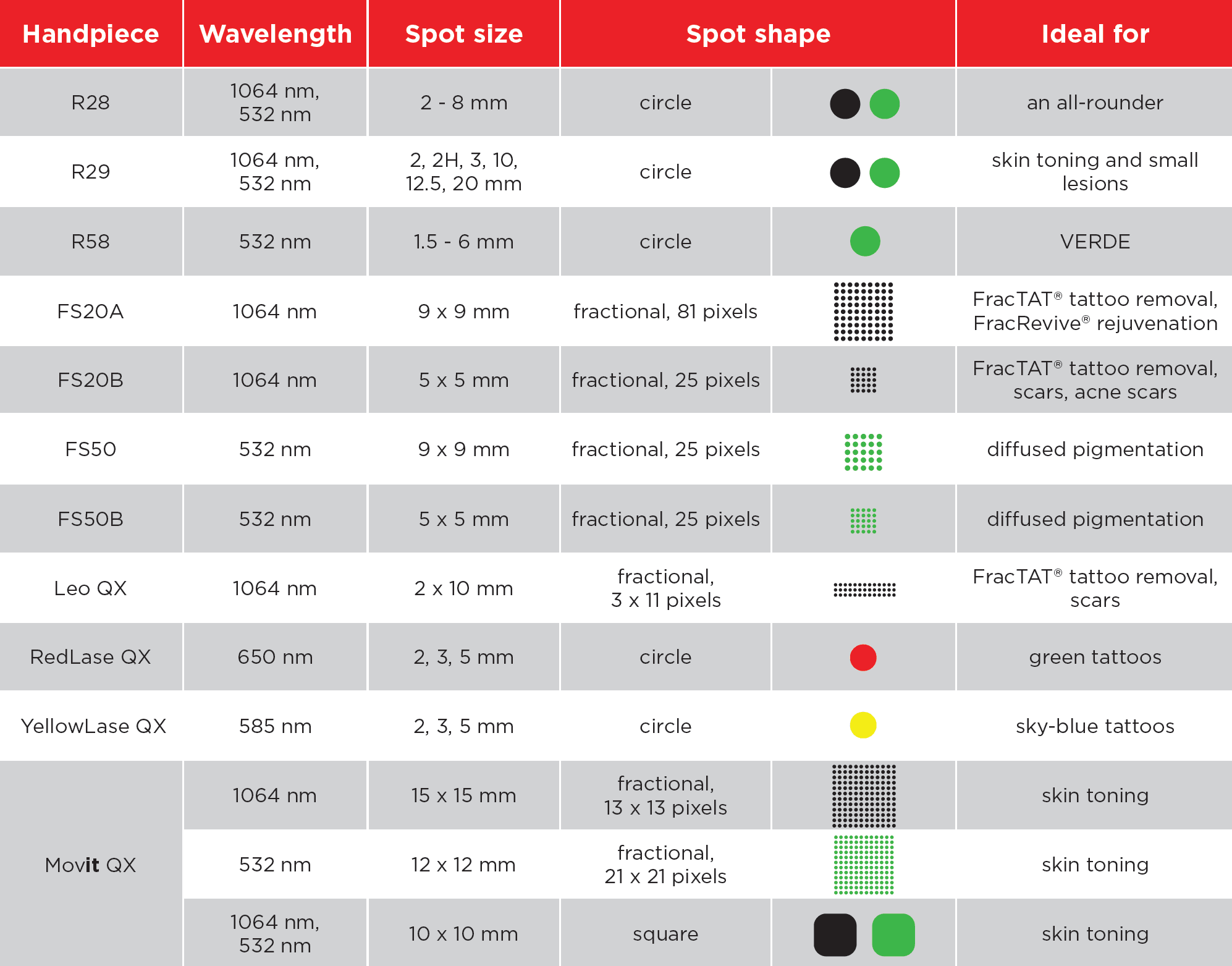
The platform offers spot sizes from 1.5 mm to 26 mm, and Candela’s Gentle series incorporates Dynamic Cooling Device technology.For clinics where hair reduction represents a large part of appointment volume, these workflow characteristics can be particularly relevant.
However, clinics primarily interested in ablative resurfacing should recognise that alexandrite/Nd and Er platforms are not equivalent technologies. They target different tissue interactions and clinical objectives.
Lumenis M22
Lumenis M22 approaches versatility differently.Rather than relying on one laser pair, M22 is a modular platform incorporating technologies that can include Universal IPL, Multi-Spot Nd, ResurFX and Q-switched Nd. Lumenis describes it as a multi-application system designed for numerous skin conditions and hair removal.
Its ResurFX module uses a 1565 nm fibre laser for fractional non-ablative resurfacing.
This makes M22 relevant to clinics wanting different light- and laser-based applications within a modular system.
Again, breadth shouldn’t be confused with universal suitability. Clinics should assess which modules they actually need and how those technologies fit their existing services.
Fotona vs Candela vs Lumenis: What Is the Main Difference?
| Platform | Core technology | Particularly relevant when |
| Fotona SP Dynamis | Er + Nd | A clinic wants resurfacing plus deeper thermal and multi-application treatments |
| Candela GentleMax Pro Plus | Alexandrite + Nd | Hair reduction is a major service alongside selected vascular/pigment applications |
| Lumenis M22 | Modular IPL, Nd, fractional and other technologies | A clinic wants several distinct technologies within a modular platform |
These differences matter more than the number of treatments printed on a brochure.
Why Wavelength Matters — But Doesn’t Tell the Whole Story
A common purchasing mistake is comparing machines by wavelength alone.
Wavelength helps determine how laser energy interacts with chromophores such as water, melanin and haemoglobin. But it doesn’t independently determine the final tissue effect.
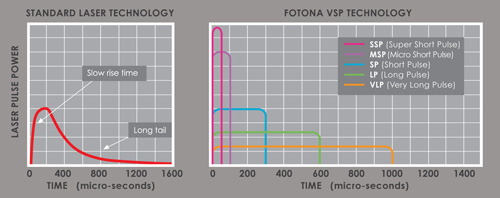
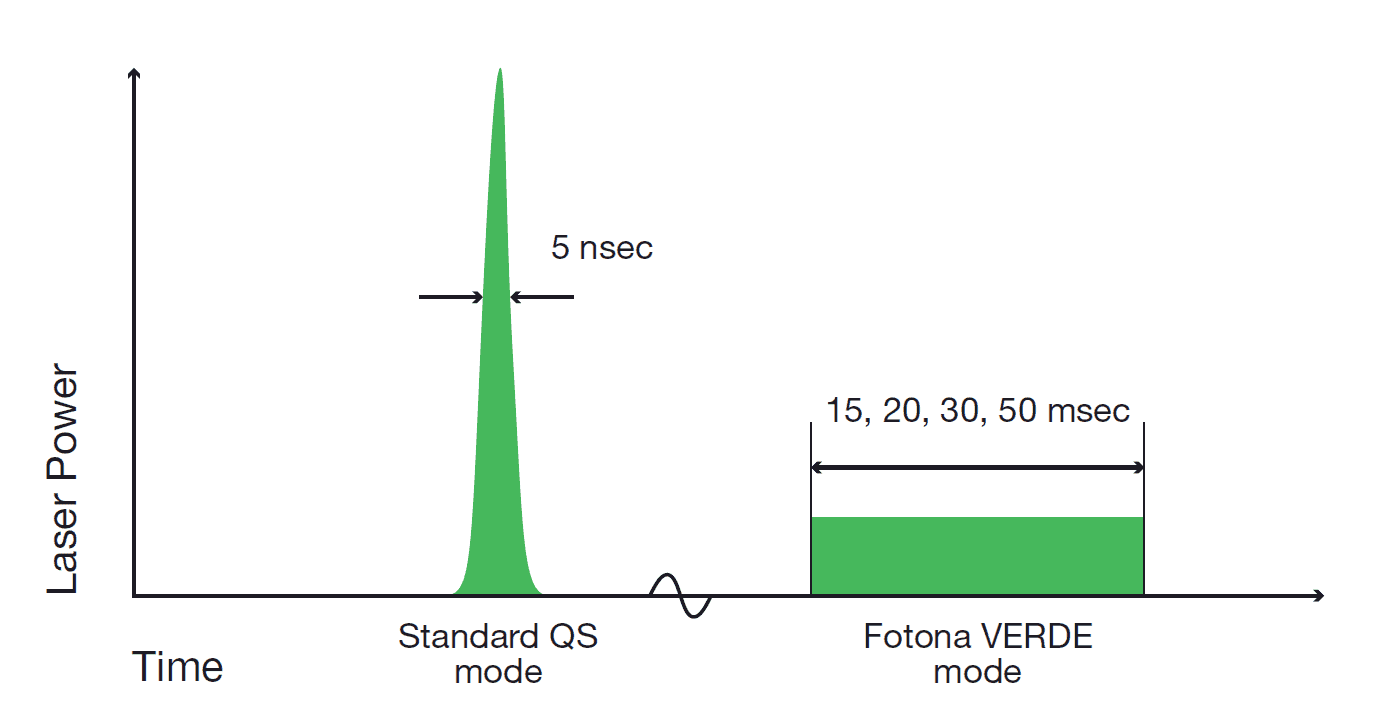
Pulse duration, fluence, spot size, delivery mode, cooling, treatment density and practitioner-selected parameters also matter.The same laser platform can therefore produce different tissue effects depending on how energy is delivered.
This is why “stronger laser” isn’t a particularly useful buying criterion. Clinics should instead ask what tissue effect is required for each intended treatment.
Does a Multi-Application Laser Automatically Offer Better Value?
No.Multi-application platforms can reduce the need for several separate systems, but theoretical versatility isn’t the same as commercial utilisation.
Imagine one clinic performs mainly hair reduction. Another performs resurfacing, facial rejuvenation, vascular treatments and hair reduction.
The first clinic may benefit more from a platform optimised around efficient hair-removal workflows. The second may place greater value on multiple tissue interactions within one system.Before investing, clinics should map expected appointments against machine capabilities.
If an application is unlikely to be performed regularly, its presence on the specification sheet shouldn’t carry the same weight as a treatment that could fill several appointment slots every week.
What Should Clinics Consider Before Buying an Aesthetic Laser?
Patient Demand
Look at actual consultations and enquiries.
Which concerns are patients already asking the clinic to treat? Purchasing equipment and then trying to create demand reverses the safer commercial logic.
Skin Types
Patient demographics matter.
Different wavelengths interact differently with epidermal melanin, so treatment selection and parameters need to account for skin type and pigmentation risk. A platform should match the population the clinic genuinely treats.
Training
Owning a capable machine doesn’t mean every protocol should immediately appear on the treatment menu.
Training, practitioner competence, patient selection and treatment protocols remain central to safe laser practice.
Service and Support
Downtime has a commercial consequence.
Before buying, ask about technical support, servicing arrangements, training, consumables, warranty terms and what happens if the machine cannot be used.
UK Safety and Regulation
Laser purchasing also needs to be considered within the UK’s safety and regulatory framework.MHRA guidance covers lasers and IPL systems used in medical, surgical, dental and aesthetic practice. In England, CQC registration requirements depend partly on whether lasers are being used for cosmetic purposes or treatment of disease, disorder or injury, while local councils may impose additional registration requirements. Wales has separate registration requirements for providers using IPL or class 3B or 4 lasers.
Clinics should therefore establish the requirements applying to their location, practitioners and intended procedures before launching services.
Where Does Fotona Fit Into a Multi-Treatment Clinic?
Fotona’s main distinction is the combination of Er and Nd technologies across several platforms.
SP Dynamis uses both wavelengths as a multi-application system. Fotona also offers TimeWalker Fotona4D, which uses Er and Nd in a platform focused more specifically on facial aesthetic procedures.This combination can support protocols working at different tissue depths. Fotona4D, for example, combines several treatment modes rather than relying on a single laser interaction.For clinics, the practical question is whether these applications complement the services they already provide.
A clinic interested mainly in hair reduction should evaluate the platform differently from one planning to build its treatment menu around resurfacing, skin rejuvenation and combined facial protocols.
Five Questions to Ask Before Comparing Quotes
Don’t begin with price alone.
Ask:
- Which treatments will account for most of our machine usage?
- Which wavelengths or technologies are required for those treatments?
- Can our existing practitioners deliver them safely, or what training is required?
- What servicing, technical support and ongoing operating requirements apply?
- What proportion of the platform’s capabilities are we realistically going to use?
These questions often reveal more about value than comparing specification sheets line by line.
Final Thoughts
There is no single best Aesthetic Laser Machine for every UK clinic.
Fotona SP Dynamis, Candela GentleMax Pro Plus and Lumenis M22 illustrate three different approaches: complementary Er/Nd wavelengths, alexandrite/Nd technology and a modular multi-technology platform respectively.
The right investment depends on the treatments the clinic intends to perform, its patient population, practitioner skills, expected utilisation and support requirements.
For clinics considering Fotona specifically, the useful next step is to compare the treatments you want to introduce with the capabilities of each Fotona platform rather than selecting a system simply because it offers the longest feature list.
FAQs
What is the best aesthetic laser machine for a UK clinic?
There isn’t one machine that is best for every clinic. A clinic focused on laser hair reduction may prioritise different wavelengths, treatment speed and cooling from a clinic focused on resurfacing or facial rejuvenation. Compare technology against your treatment menu, patient demographics, practitioner skills and expected machine utilisation before choosing.
Is Fotona better than Candela?
They shouldn’t be treated as directly interchangeable platforms. Fotona SP Dynamis combines Er and Nd, while Candela GentleMax Pro Plus combines alexandrite and Nd. These wavelength combinations create different treatment possibilities. The more appropriate platform therefore depends on the applications the clinic wants to provide.
Is one multi-application laser better than buying several machines?
It can be, but only if the clinic regularly uses enough of its capabilities. A multi-application platform may simplify equipment requirements and broaden a treatment menu, while separate specialised machines may make more sense for clinics with very high demand for a narrower group of treatments. Utilisation matters more than the theoretical number of applications.
Which laser wavelengths are useful in aesthetic clinics?
Different wavelengths serve different purposes. Examples include 2940 nm Er for water-rich superficial tissue interactions, 1064 nm Nd for deeper applications and 755 nm alexandrite for applications including hair reduction. The correct wavelength still needs suitable parameters, patient selection and practitioner expertise.
What should I check before buying an aesthetic laser machine in the UK?
Check the intended applications, patient demand, practitioner training, laser safety arrangements, servicing, maintenance and regulatory requirements applying to your clinic. MHRA guidance addresses laser and IPL safety, while registration requirements can depend on location and whether procedures are cosmetic or being used to treat disease, disorder or injury.