

If you’re considering a Fotona laser treatment, it’s natural to ask how many appointments you’ll need before you start. The answer depends on the treatment. Fotona4D, SmoothEye, LipLase and laser skin resurfacing don’t follow the same treatment schedule, even though some use the same Fotona laser wavelengths. Your skin concern, treatment intensity and response can also affect the plan. So rather than thinking of “Fotona laser” as one treatment with one set number of sessions, it helps to understand what each protocol is designed to do.
There isn’t one standard number of sessions for all Fotona laser treatments. Official Fotona guidance currently states that Fotona4D typically requires 3–7 sessions spaced 4–6 weeks apart, while LipLase typically involves four sessions four weeks apart. SmoothEye is described as most effective when performed in a series of at least four sessions. Skin resurfacing can vary more widely, with Fotona describing personalised plans of around 1–4 sessions.These figures are treatment-specific guidance, not a prescription for every patient. Your practitioner should determine your course after assessing your concern, skin and intended treatment intensity.
Quick Answer: How Many Fotona Laser Sessions Are Needed?
The number of Fotona laser sessions depends on the treatment. Fotona currently describes 3–7 sessions for Fotona4D, at least four for SmoothEye, four for LipLase and personalised courses of 1–4 sessions for skin resurfacing. Individual treatment plans can differ, so assessment should come before deciding on a fixed number of appointments.
Why Isn’t There One Number for Every Fotona Treatment?
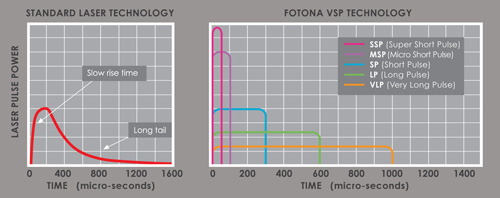
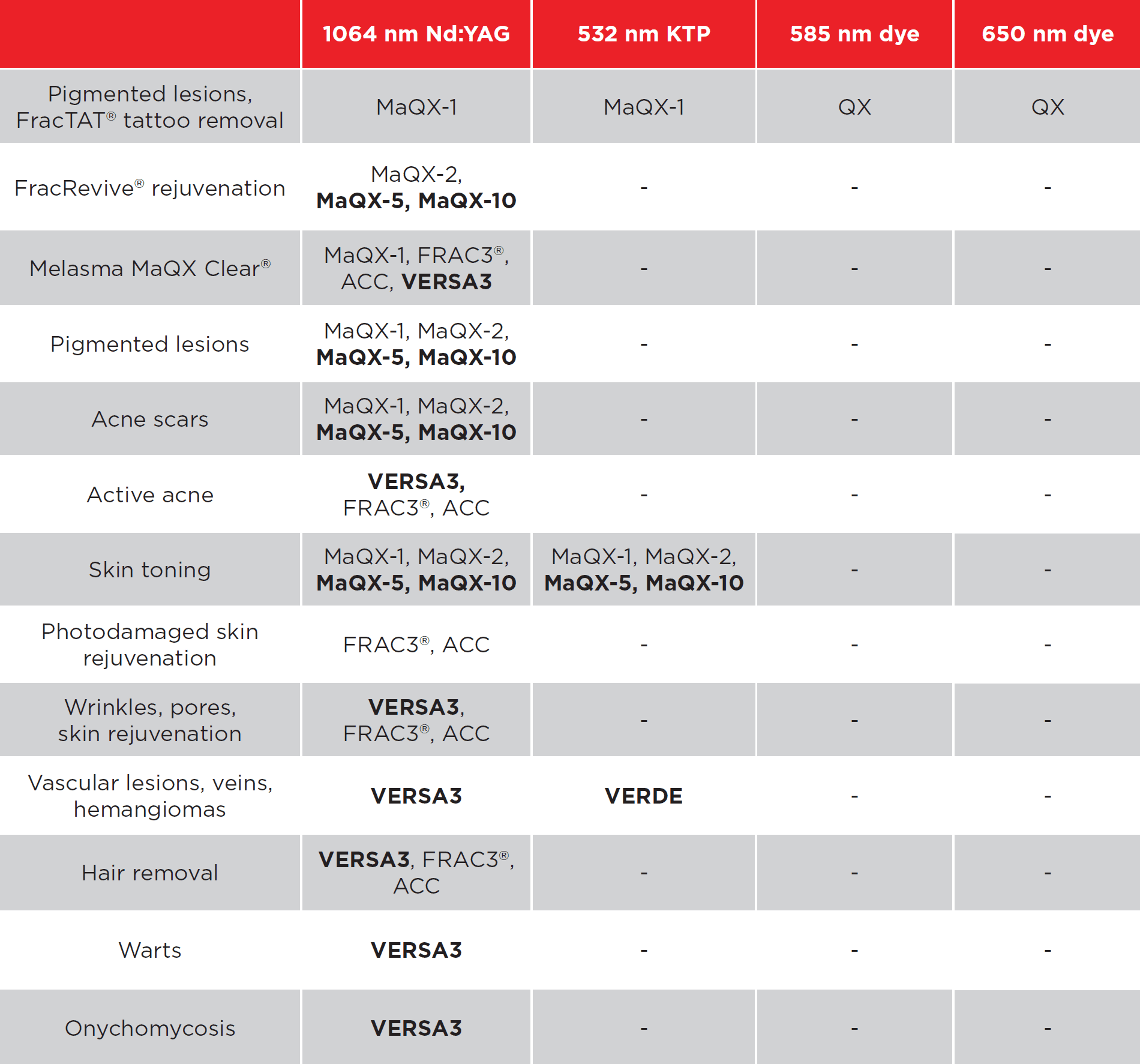
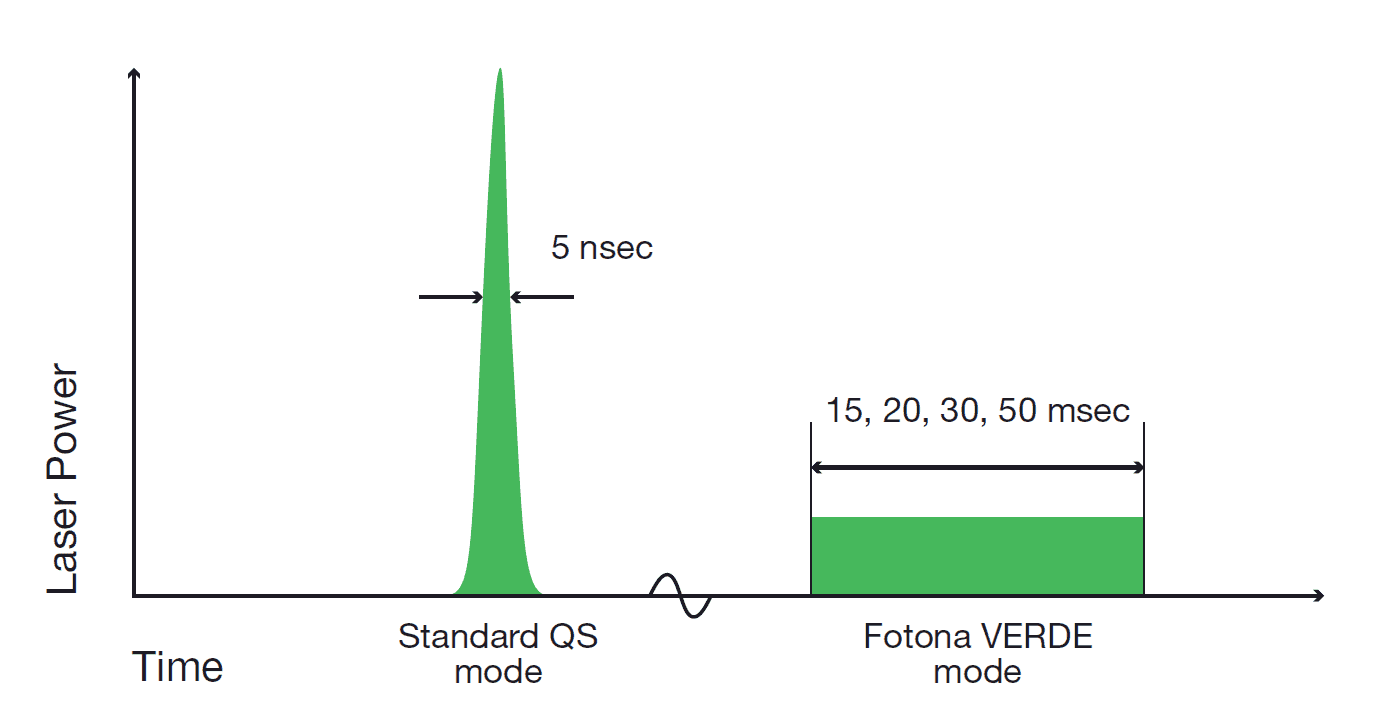
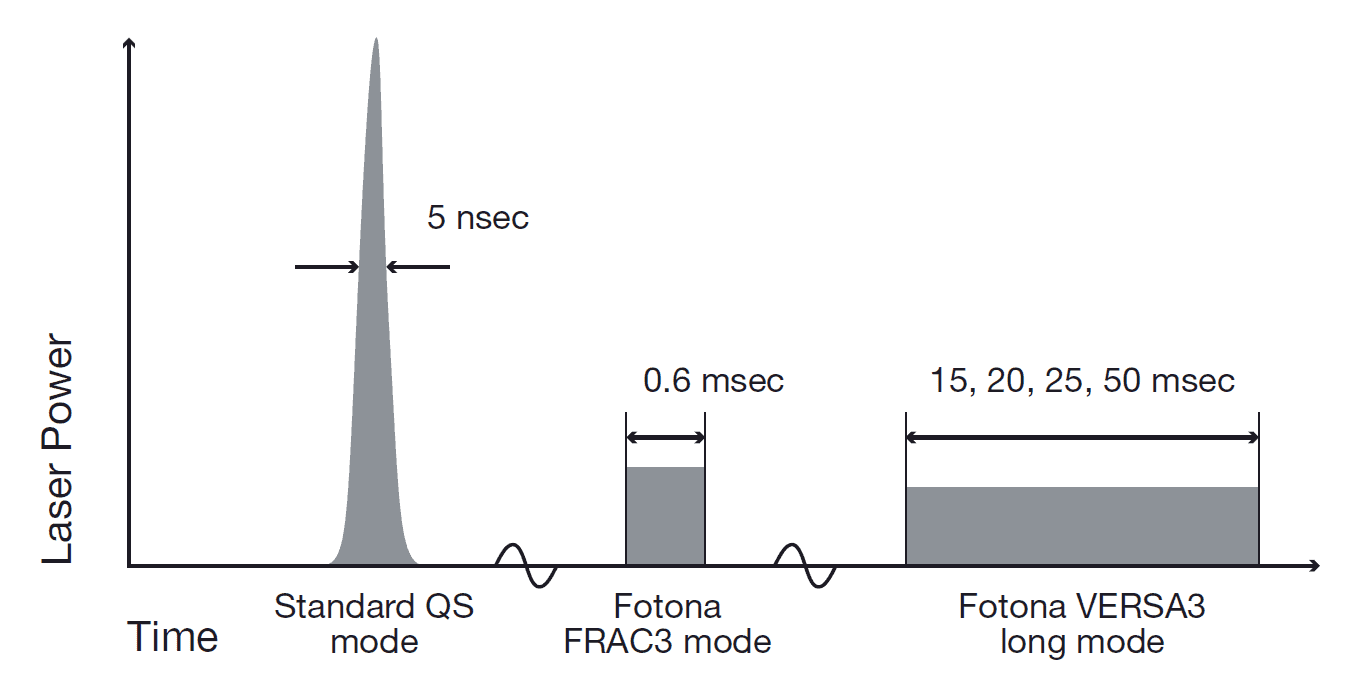
Fotona isn’t the name of one treatment.Fotona systems can deliver different laser protocols using technologies such as 2940 nm Er:YAG and 1064 nm Nd:YAG. These wavelengths interact with tissue differently and can be delivered using different modes and settings.
For example, Fotona4D combines four treatment modes to address different tissue levels. SmoothEye uses non-ablative Er:YAG SMOOTH mode around the eyes. Skin resurfacing can range from fractional treatment to full-field resurfacing and from superficial to deeper approaches. Those treatments don’t create identical tissue effects, so it wouldn’t make sense for them all to follow the same schedule.
How Many Fotona4D Sessions Are Usually Needed?
Official Fotona patient information currently describes 3–7 Fotona4D sessions, generally scheduled 4–6 weeks apart. Fotona4D combines Er:YAG and Nd:YAG wavelengths through four dimensions: SmoothLiftin, FRAC3, PIANO and SupErficial. These stages work from intraoral and deeper tissues through to the skin surface.
The aim isn’t simply to create an immediate surface change. Some of the treatment’s intended effects relate to collagen remodelling, which develops over time.That helps explain why treatments may be spaced rather than performed within a few days of each other. The manufacturer’s 3–7 session guidance is still a range, not a promise that every patient needs three sessions or that seven will automatically produce a better outcome.
How Many SmoothEye Sessions Are Needed?
Fotona currently states that SmoothEye is most effective when performed in a series of at least four sessions.SmoothEye treats the periocular area — the skin around the eyes — using non-ablative 2940 nm Er:YAG in Fotona SMOOTH mode. Controlled thermal energy is delivered without conventional ablative resurfacing of the skin surface. The intended response includes collagen remodelling rather than simply producing an instant cosmetic change.
Fotona notes that changes may be noticeable after the first session while fuller outcomes can continue to develop after the treatment course.Seeing an early change, however, doesn’t necessarily mean the treatment course should be stopped. Equally, completing a standard series doesn’t mean further treatment is automatically appropriate. The practitioner should assess the response.
How Many LipLase Sessions Are Usually Needed?
Official Fotona information describes LipLase as typically requiring four sessions, scheduled around four weeks apart.LipLase is different from injectable lip augmentation. It uses non-ablative Er:YAG SMOOTH mode to thermally stimulate lip tissue and support collagen remodelling rather than placing filler into the lips.
That distinction matters when discussing treatment expectations. A four-session protocol doesn’t mean everyone will develop the same degree of visible change. Natural anatomy, age, tissue condition and individual biological response can influence the outcome.
How Many Laser Skin Resurfacing Sessions Are Needed?
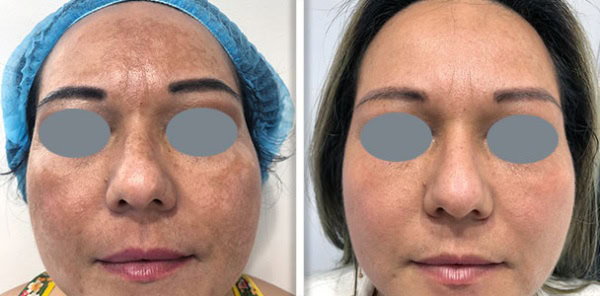
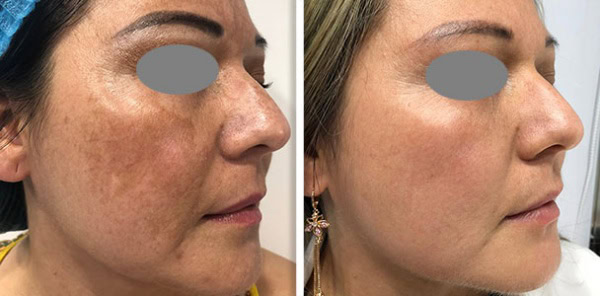
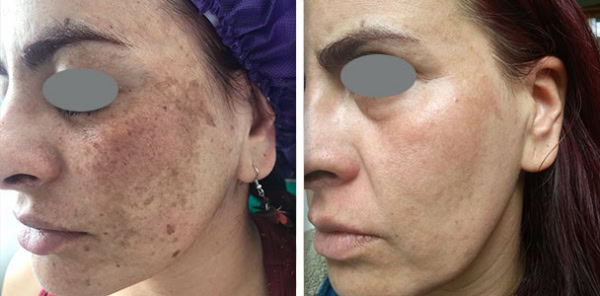
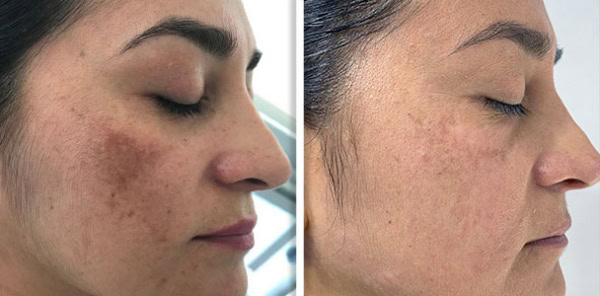
This is where a fixed answer becomes particularly misleading.Fotona currently describes a personalised skin resurfacing treatment plan of approximately 1–4 sessions for noticeable improvement.
Why such a broad range?
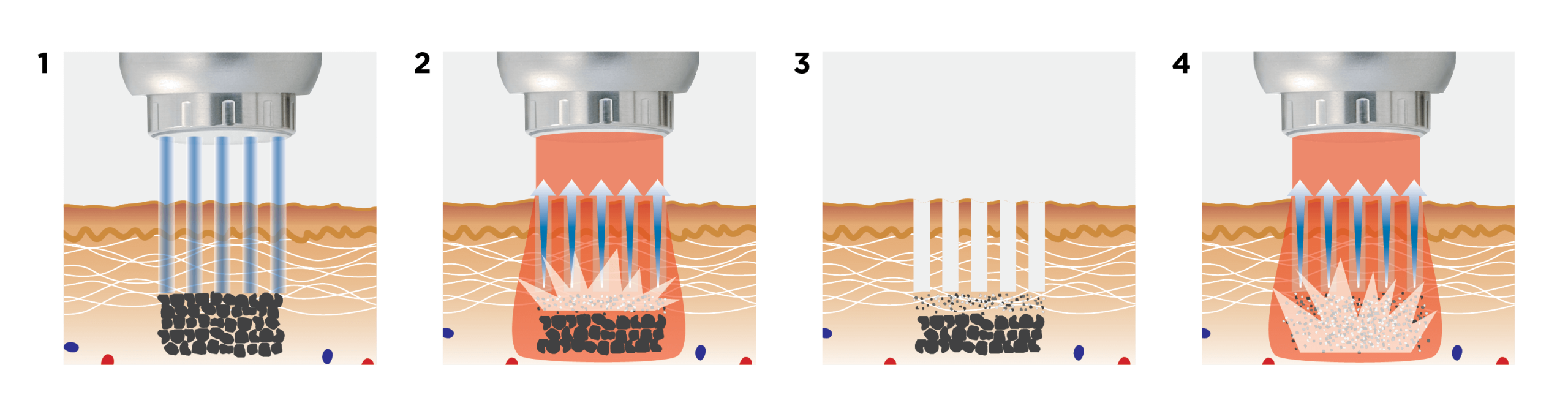
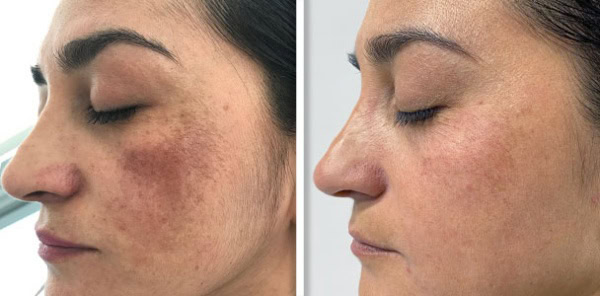
Because “laser resurfacing” can describe very different treatments. Fotona’s 2940 nm Er:YAG technology can be used for fractional or full-field resurfacing and at different depths and thermal settings. Fractional treatment creates treatment zones while leaving surrounding tissue intact. Full-field treatment acts across the treated surface.
A more intensive procedure may sometimes be planned differently from a series of lighter treatments. But greater intensity isn’t automatically better. More aggressive treatment can also mean more tissue injury, a different recovery period and a different risk profile.The treatment plan should therefore balance the desired change with skin characteristics and acceptable recovery.
How Many TightSculpting Sessions Are Needed?
Fotona’s current patient information describes 3–6 TightSculpting sessions, usually spaced about four weeks apart.TightSculpting combines two different tissue effects. Nd:YAG PIANO mode is used for deeper bulk heating, while Er:YAG SMOOTH mode is used to address superficial laxity and collagen remodelling. Fotona
Again, this is manufacturer protocol guidance rather than a guaranteed prescription for every person. A practitioner needs to consider the treatment area, concern, tissue characteristics and response when deciding whether a planned course remains appropriate.
Why Are Fotona Sessions Often Spaced Apart?
More frequent treatment isn’t automatically more useful.Many aesthetic laser procedures aim to trigger a biological response rather than simply change the tissue at the moment the laser fires. Collagen remodelling, tissue recovery and visible changes can continue between appointments.
This means the practitioner needs to give tissue time to respond and then assess what has changed before deciding how to proceed. The appropriate interval also depends on the protocol. Official Fotona guidance, for example, gives 4–6-week intervals for Fotona4D and approximately four-week intervals for LipLase and TightSculpting.You shouldn’t assume that the interval for one Fotona treatment applies to another.
Can One Fotona Laser Session Be Enough?
For some treatments and concerns, a single session may produce a visible change, but that doesn’t mean one session is the standard course for every Fotona protocol. Skin resurfacing illustrates this particularly well. Fotona describes personalised plans ranging from one to four sessions, while Fotona4D is normally described as a multi-session treatment. A more useful question is:
What tissue change are we trying to achieve, and how should the treatment be delivered to achieve it responsibly?
That is more meaningful than choosing the fewest possible appointments.
Do More Sessions Mean Better Results?
Not necessarily.This is an important point that simple treatment packages can hide. Once an appropriate treatment response has been achieved, automatically adding more sessions doesn’t mean the result will continue improving at the same rate. Laser outcomes depend on much more than appointment count. The treatment mode, wavelength, energy delivery, skin condition, treatment depth, practitioner technique and individual response all matter. Likewise, a stronger treatment isn’t automatically better than a gentler treatment performed as part of a carefully planned series.Session count is only one part of the treatment protocol.
What Can Change the Number of Sessions You Need?
Your practitioner may consider your starting concern, severity, treatment area, skin characteristics, previous procedures and how your tissue responds.The treatment goal also matters. Someone having a light resurfacing treatment for general skin texture isn’t necessarily following the same plan as someone being treated for more noticeable textural changes.
Tolerance for downtime can also influence treatment planning in resurfacing. Fotona’s resurfacing technology can be adjusted from superficial to deeper and fractional to full-field approaches, so treatment intensity and recovery aren’t fixed simply because the same machine is being used. This is why copying another patient’s treatment schedule from social media isn’t a reliable way to plan your own course.
Does the Fotona Machine Determine the Number of Sessions?
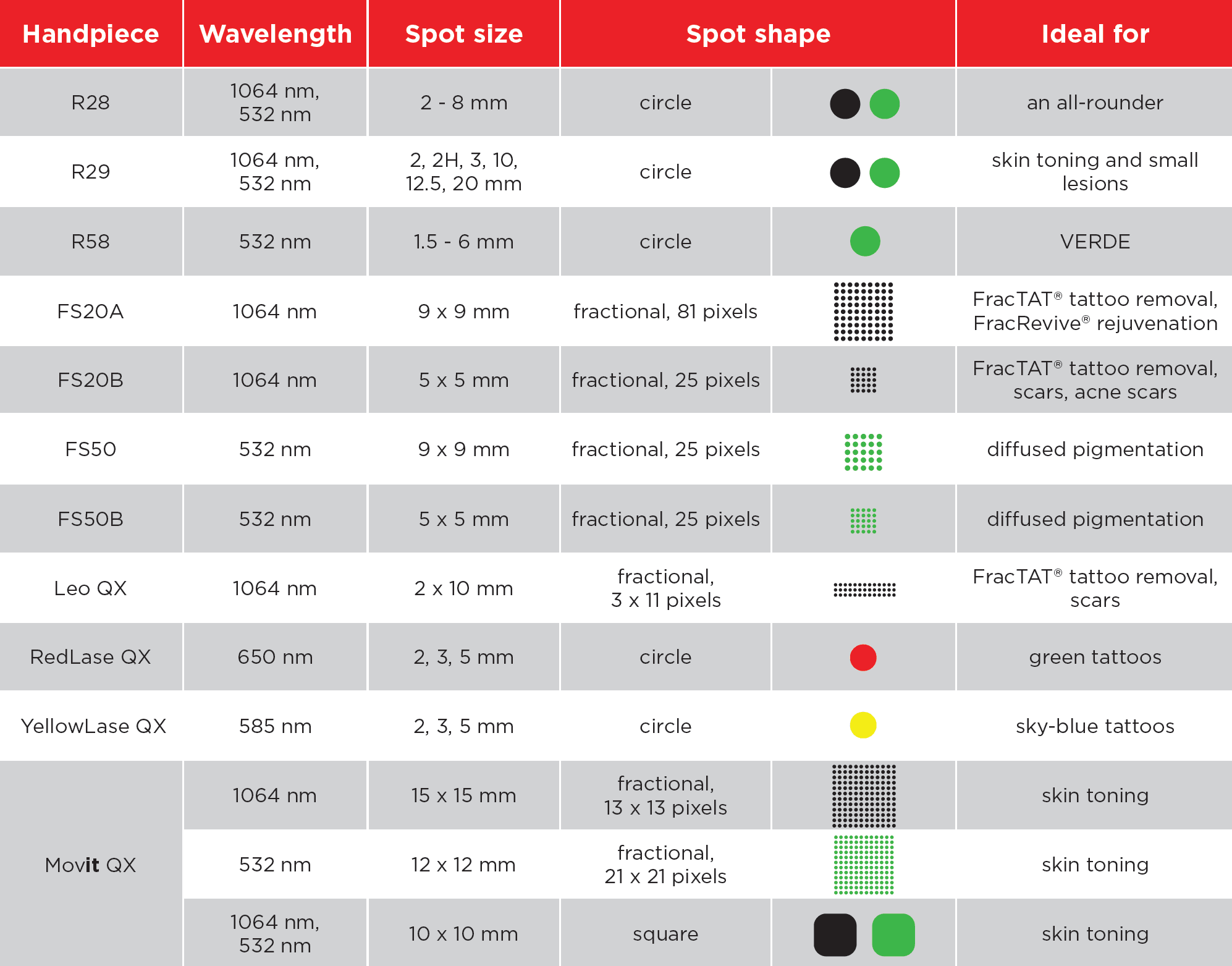
Not by itself.The machine matters because different Fotona platforms provide specific wavelengths, modes and treatment capabilities. But the device name alone doesn’t determine the treatment course.
The same platform may support Fotona4D, SmoothEye, LipLase and resurfacing. Each protocol uses the technology differently.This is a useful distinction for patients: you’re being treated with a specific protocol for a specific concern, not simply receiving a generic “Fotona session”.
When Should Treatment Be Reassessed?
Treatment shouldn’t simply continue because a package contains a set number of appointments.Your practitioner should consider how you responded to previous sessions, whether the intended changes are developing, whether you experienced unexpected side effects and whether continuing the same protocol still makes sense. If a skin concern isn’t responding as expected, the answer isn’t automatically to increase the laser intensity or add more sessions. The original diagnosis or treatment choice may need to be reconsidered. And if you have a suspicious lesion, unexplained pigmentation, active infection or another medical skin concern, medical assessment may be more appropriate than continuing cosmetic laser treatment.
What About Maintenance Sessions?
An initial treatment course and long-term maintenance aren’t the same thing. Skin continues to age, and factors such as sun exposure, smoking, general health and natural changes in collagen can influence appearance over time.
Some patients may later discuss further treatment with their practitioner, but there shouldn’t be a universal maintenance schedule applied to everyone.The need for future treatment depends on the original procedure, the response achieved, ongoing concerns and clinical assessment. Be cautious of any claim that every patient “must” return at a fixed interval indefinitely without individual reassessment.
Fotona Treatments Use Different Technologies for Different Goals
The variation in session numbers makes more sense once you understand how broad the Fotona treatment range is.Fotona4D combines Er:YAG and Nd:YAG across four facial rejuvenation stages. SmoothEye concentrates on the periocular area with non-ablative Er:YAG. LipLase uses SMOOTH mode for lip and perioral tissue, while skin resurfacing uses Er:YAG in quite different ways depending on the required depth.
These aren’t interchangeable treatments, even though they may be delivered using equipment from the same manufacturer. That’s why your consultation should start with the problem you want to address, not a predetermined number of laser sessions.
What Should You Ask at Your Consultation?
Ask your practitioner why they recommend a particular number of sessions for your concern.You can also ask how far apart the sessions will be, what response they expect between appointments, what might cause the plan to change, what downtime is expected and when progress will be reviewed.
If a clinic recommends a package, you should still understand the clinical reasoning behind that schedule. A good treatment plan should be capable of changing if your response is different from what was expected.
Safety and Realistic Expectations
Fotona laser treatments aren’t risk-free simply because many protocols are non-surgical.Possible effects depend on the procedure and intensity. Laser treatment can involve temporary redness, swelling, discomfort and changes in pigmentation, while more intensive resurfacing carries a different recovery and risk profile.
For example, Fotona’s current resurfacing information notes that recovery varies with treatment intensity.Patient selection, suitable parameters, eye protection, practitioner training and appropriate aftercare all matter. The safest treatment course isn’t necessarily the shortest or longest one. It is the one chosen for the right indication and adjusted according to how the patient responds.
Conclusion
So, how many sessions are needed for Fotona laser treatments?There isn’t one number. Current Fotona guidance describes different typical courses for different protocols: Fotona4D is generally a multi-session treatment, SmoothEye commonly involves at least four sessions, LipLase typically uses four, and skin resurfacing may range from one to several treatments depending on the plan.
The most useful number isn’t the one advertised in a package. It’s the number supported by your treatment goal, the chosen protocol and your individual response. If you’re considering a Fotona treatment in the UK, discuss the planned course and review points with a suitably trained practitioner before committing to a fixed schedule.
Frequently Asked Questions
- How many sessions of Fotona4D do you need?
Fotona’s current patient information states that Fotona4D typically requires 3–7 sessions spaced approximately 4–6 weeks apart. Individual treatment plans can vary, so this range shouldn’t be treated as a prescription for every patient. Your practitioner should assess your facial concerns and response as the course progresses.
- How soon can I have another Fotona laser treatment?
It depends on the treatment. Fotona4D is typically spaced 4–6 weeks apart, while official guidance for some other protocols uses different schedules. The correct interval also allows time for tissue response and recovery. Follow the schedule set for your specific treatment rather than applying another Fotona protocol’s timing to your own.
- Can you see results after one Fotona session?
Changes may sometimes be noticeable after one treatment, but this doesn’t mean the planned course is complete. Fotona notes, for example, that SmoothEye changes can be noticeable after the first session while fuller outcomes develop later. Results and timing vary between people and protocols.
- Do Fotona laser results require maintenance?
Future treatment may be considered, but there isn’t one maintenance schedule that applies to every Fotona procedure or patient. Ageing continues and individual responses differ. Maintenance should therefore be discussed after the initial treatment outcome has been assessed rather than automatically booked at a fixed interval.
- Why might my Fotona treatment plan differ from someone else’s?
Because the session number isn’t determined by the machine name alone. The specific protocol, concern, treatment depth, skin characteristics, settings and individual response can all influence planning. Two people treated with Fotona technology may therefore have different treatment courses even if their concerns initially sound similar.