

If you’re considering NightLase for snoring, you’ll probably want to know how many appointments you’ll need before noticing a difference. It’s a sensible question, especially when you’re planning your time and trying to decide whether treatment is worthwhile.
Most NightLase treatment plans involve several appointments rather than a single session. Some people notice less snoring quite early, while others need to complete their course before assessing the improvement.
How many sessions will I have? How does it work? How long until seeing results? What happens if you still snore?
TL;DR
NightLase is typically 3-5 laser sessions. Often 3 sessions are used as an initial course. Sessions are generally spaced a few weeks apart to allow the tissues at the back of the mouth to respond.
Some people notice improvements after their first appointment, but the results usually develop gradually. NightLase aims to reduce snoring rather than guarantee that it will disappear. The benefits may also reduce over time, meaning maintenance sessions could be needed.A proper assessment is essential, particularly if your snoring is linked to possible sleep apnoea.
Quick Answer
Most people considering Fotona NightLase can expect an initial course of around three treatments, although some treatment plans recommend three to five sessions. Fotona UK describes three appointments over six weeks, while Fotona’s international guidance allows for additional sessions. Results vary depending on the cause of snoring and how the throat tissues respond. NightLase cannot guarantee permanent relief.
What Is Fotona NightLase?
The Fotona NightLase uses laser technology as a non-surgical option to reduce snoring by targeting soft tissues within the mouth; specifically the soft palate and surrounding areas at the back of the throat.
Snoring can occur as soft tissues in these regions relax whilst you are asleep and begin to vibrate. If your soft palate is causing snoring then firming up the soft tissues may help.The NightLase uses an Er laser (wavelength: 2940nm) which is applied in a smooth mode by Fotona. The laser will gently heat up the tissue in your mouth.
The controlled heating will cause collagen (a protein that provides structure to tissues) to contract and reform. This can make the tissue firmer.
However, not all snoring comes from the soft palate. That’s why suitability matters.
How Many NightLase Sessions Are Usually Needed?
For many suitable patients, three sessions provide the initial treatment course.The Fotona UK NightLase treatment page describes three sessions over approximately six weeks. Fotona’s current international guidance recommends three to five sessions, usually spaced 21 days apart.
These recommendations aren’t necessarily contradictory. They reflect different treatment protocols and the fact that patients may need different levels of treatment.
Why Are Several Sessions Recommended?
NightLase encourages a gradual tissue response rather than delivering its full effect in one appointment.The first treatment begins the process of heating and tightening the target tissues. Further appointments allow the practitioner to continue the planned course and assess how the patient is responding.
Collagen remodelling also takes time. Even if someone notices less snoring immediately, their response may continue to develop over the following weeks.
More sessions don’t automatically mean better results, though. If the main cause of snoring lies elsewhere, repeating treatment on the soft palate may not solve the problem.
How Long Does NightLase Take to Work?
NightLase results don’t follow exactly the same timeline for everyone.
After the First Session
Some people report quieter snoring after their first appointment. Others notice very little difference initially.An early improvement is encouraging, but it doesn’t guarantee the final outcome. Equally, a lack of immediate change doesn’t necessarily mean the treatment has failed.
After Two or Three Sessions
By the later appointments, patients and practitioners have more information about how the treatment is working.A partner may notice that snoring sounds quieter or happens less often. Some patients may also report better sleep, although sleep quality can be affected by many factors beyond snoring.
The full course and an appropriate follow-up assessment provide a more useful picture than judging treatment after the first night.
During the Following Weeks
The tissue response may continue after the final session.For this reason, it makes sense to discuss a follow-up appointment rather than expecting an instant, final result on treatment day.
What Affects the Number of Treatments Needed?
There isn’t a single treatment schedule that suits every person who snores.
The Cause of Snoring
NightLase targets tissue around the soft palate. It may be less useful if snoring is mainly caused by significant nasal blockage, enlarged tonsils or another airway problem.
A practitioner should consider where the snoring originates before recommending treatment.
The Structure of Your Airway
The shape of your mouth, throat and surrounding tissues can influence your response.
Two people with equally loud snoring may have different underlying causes. They might therefore need different approaches rather than simply different numbers of laser sessions.
Weight and Lifestyle
Body weight, smoking, alcohol consumption and sleeping position can all influence snoring.Addressing these factors may help alongside treatment. They can also explain why snoring sometimes returns even after an initial improvement.
Individual Tissue Response
People don’t respond identically to laser treatment. The extent of tissue tightening and the improvement in symptoms can vary.
This is one reason a qualified practitioner should review progress before recommending extra sessions.
How Can You Tell Whether NightLase Is Working?
The most useful sign is a meaningful reduction in snoring rather than simply completing the planned appointments.Before treatment, consider discussing how your symptoms will be assessed. A bed partner’s observations, a consistent snoring diary or recordings taken over several nights may help show whether things are changing.
These measures aren’t perfect. Snoring can vary with sleeping position, alcohol consumption, illness and nasal congestion.It’s also worth remembering that quieter snoring doesn’t prove that breathing is normal during sleep. If sleep apnoea has been diagnosed or is suspected, medical testing and follow-up remain important.
How Long Do NightLase Results Last?
NightLase isn’t considered a permanent cure for snoring.Fotona UK describes benefits lasting up to around a year, although this should be treated as a possible outcome rather than a promise.
The duration depends on individual circumstances, including the original cause of snoring, changes in weight, lifestyle and the response of the treated tissue.
Some patients may consider maintenance treatment when the benefits begin to fade. Fotona’s international guidance also mentions possible annual maintenance sessions.
You shouldn’t assume that top-up treatment will be necessary at a fixed interval. The decision should follow a review of your symptoms and suitability.
What Happens During a NightLase Appointment?
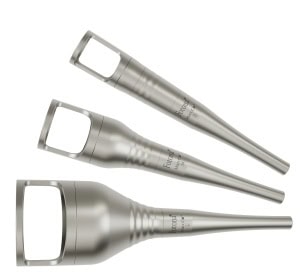
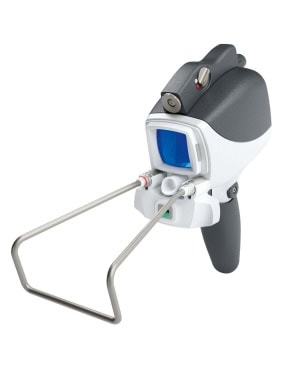
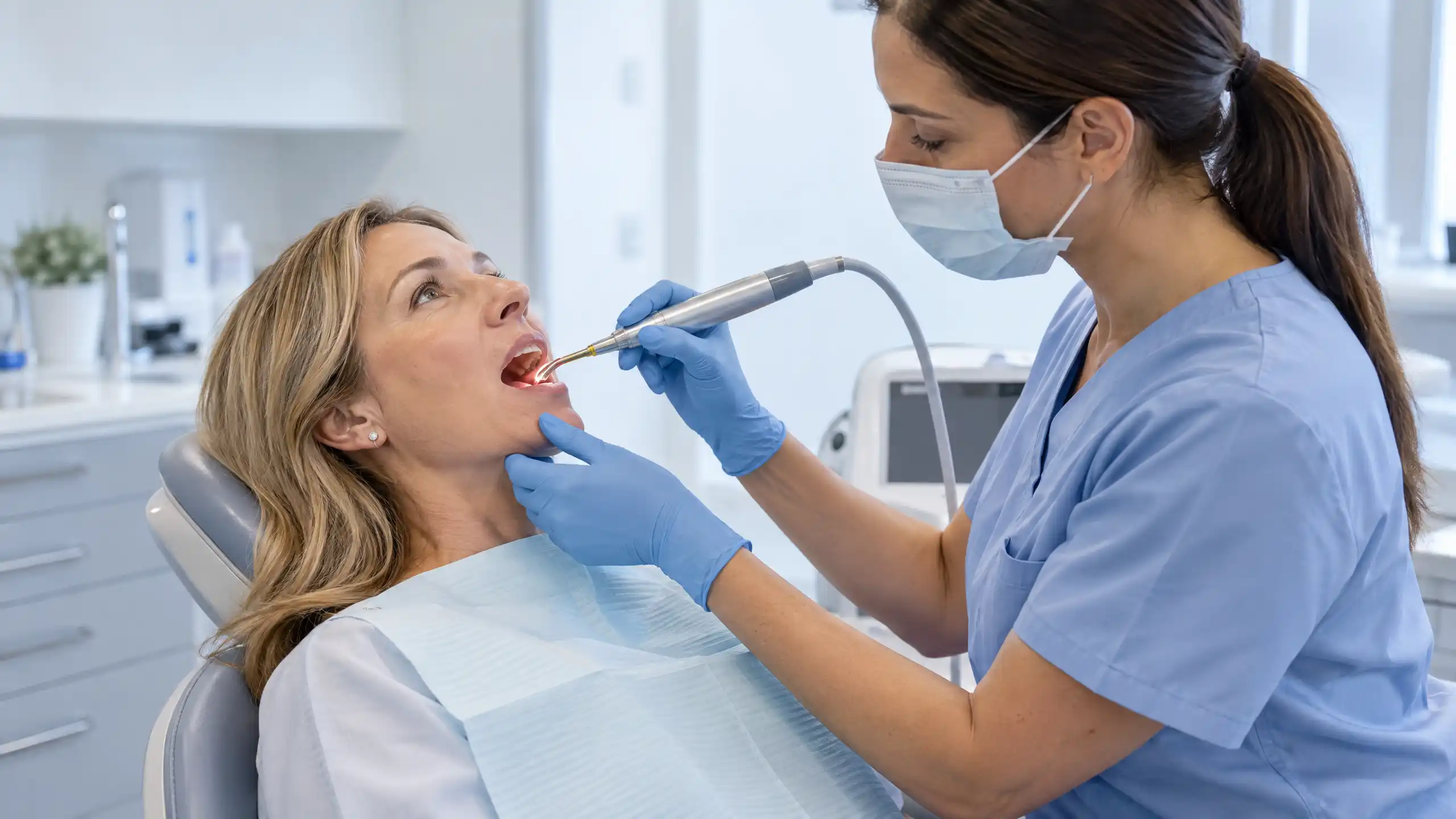
A NightLase session usually involves applying laser energy to selected areas inside the mouth.The practitioner uses a dedicated handpiece to deliver controlled heat to the target tissues. You may experience warmth in the throat or soft palate.
A session commonly takes around 30 minutes, according to Fotona’s treatment information. Local anaesthetic is generally not required.Because the treatment is non-ablative, there is usually little disruption to normal activities afterwards.
However, temporary discomfort or irritation can occur, and no medical procedure is completely free of risk. The practitioner should explain possible side effects, suitability and aftercare before treatment begins.
Can NightLase Treat Sleep Apnoea?
NightLase should not be treated as a replacement for established sleep apnoea care.
Snoring and obstructive sleep apnoea are related, but they’re not the same condition.Sleep apnoea refers to partial or complete blockage of your airway whilst you’re sleeping. This can cause interruptions to your breathing. If your snoring is getting quieter you could be experiencing sleep apnoea.
If you are experiencing episodes of pauses in breathing, choking or gasping whilst you sleep along with snoring you should consult your GP (NHS).The NICE guidelines suggest treatment options including CPAP and mandibular advancement devices if appropriate.NightLase research has shown potential benefits for selected patients, but the evidence doesn’t establish it as a replacement for these treatments.
If you’re already receiving sleep apnoea treatment, don’t stop it because your snoring improves.
What If NightLase Doesn’t Reduce Your Snoring?
If you’ve completed your planned course and noticed little improvement, the next step should be reassessment rather than automatically booking more sessions.Your practitioner may need to reconsider the cause of your snoring or recommend an assessment by an ear, nose and throat specialist or sleep service.
There are other ways to manage snoring, depending on its cause. These include changing sleeping position, addressing excess weight, limiting alcohol, treating nasal problems and considering a suitable oral appliance.The right approach depends on whether you’re dealing with simple snoring or a medical breathing disorder.
Final Thoughts
Most NightLase treatment plans involve around three sessions, with some patients receiving up to five. The most important thing is knowing if it’s a suitable treatment for you and will give you a good result.It may take some time to see results and there may be a need for maintenance.
If you are thinking about having NightLase please talk to a properly qualified practitioner who can assess your symptoms, tell you about how often the treatment would be carried out and give you an idea of what to expect.
Frequently Asked Questions
Can NightLase work after one treatment?
Yes, some patients report quieter snoring after their first NightLase appointment. However, this isn’t guaranteed, and the initial response may not reflect the eventual outcome. A course of several sessions is commonly recommended because tissue remodelling develops over time. Your practitioner can explain when progress should be reviewed.
How far apart should NightLase sessions be?
NightLase appointments are generally spaced a few weeks apart. The international guidelines mention intervals of 21 days however some treatment resources mention treatment once per month. The exact time frame will depend on which protocol you are using and your practitioner’s judgement.
Will I require top up treatments?
This can be the case. As results can take time to reduce, patients can benefit from further treatments. Not all patients will require annual top up treatments. It will depend on your symptoms, how well you responded initially and what the cause of your snoring is.
Is NightLase painful?
NightLase is generally well tolerated. Patients often report feeling a warm sensation in the mouth when the laser is being used. Anaesthetic is not usually required and most people can resume their usual activities. There can be some mild irritation and discomfort, however this should be discussed during your consultation.
Can I have NightLase?
No. NightLase is specifically targeting the tissues around the soft palate and will not help if you are snoring for an alternative reason. If you have possible sleep apnoea then you would need to have a medical assessment. A qualified practitioner can assess your airway, discuss your symptoms and explain if NightLase or an alternative approach would be suitable for you.