


A softer jawline or loose skin around the mouth can be concerning, especially if you’d rather avoid surgery. Fotona4D is often described as a ‘laser facelift’, but does it genuinely tighten jowls?
It can improve skin firmness in some people, particularly where sagging is mild. It helps to understand its limitations. Here’s what the research and treatment involve.
TL;DR
Fotona4D uses two laser wavelengths and four treatment steps to heat different layers of facial tissue and improve skin texture. It may make early jowls look less noticeable by tightening mildly loose skin.
However, it does not lift fallen facial fat or remove significant excess skin. Results tend to be gradual and modest rather than dramatic. The best choice depends on why your jawline has changed, your skin type and your expectations.
Quick Answer
Yes, Fotona4D can help tighten mildly sagging skin around the jawline, but it cannot reliably remove pronounced jowls. This treatment stimulates collagen remodeling and can improve skin quality on the face. Published research indicates there are small improvements in skin firmness. There is limited evidence that it can really lift the jowls.
Why Do Jowls Occur?
Jowls will not always be due to loose skin. With age, collagen and elastin decrease, facial fat shifts and the supporting structures beneath the skin change. Genetics and weight changes also play a part.
This distinction matters. A laser can encourage changes in skin firmness, but it cannot reposition deeper tissues in the same way as surgery. Early laxity may respond; heavier folds may not.
How Does Fotona4D Work?
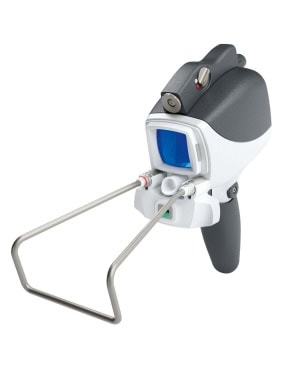
Fotona4D combines a 2940 nm Er laser with a 1064 nm Nd laser. These wavelengths interact with tissue differently, allowing a practitioner to work at several levels.
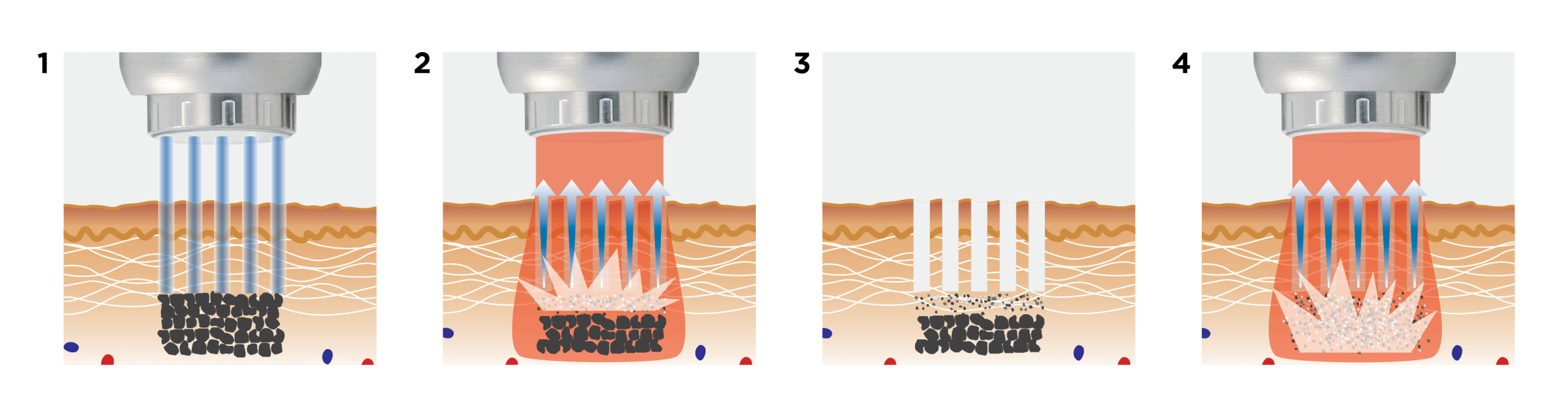
The four stages are:
SmoothLiftin – Mild heating of the inner cheeks using laser to stimulate collagen remodelling.
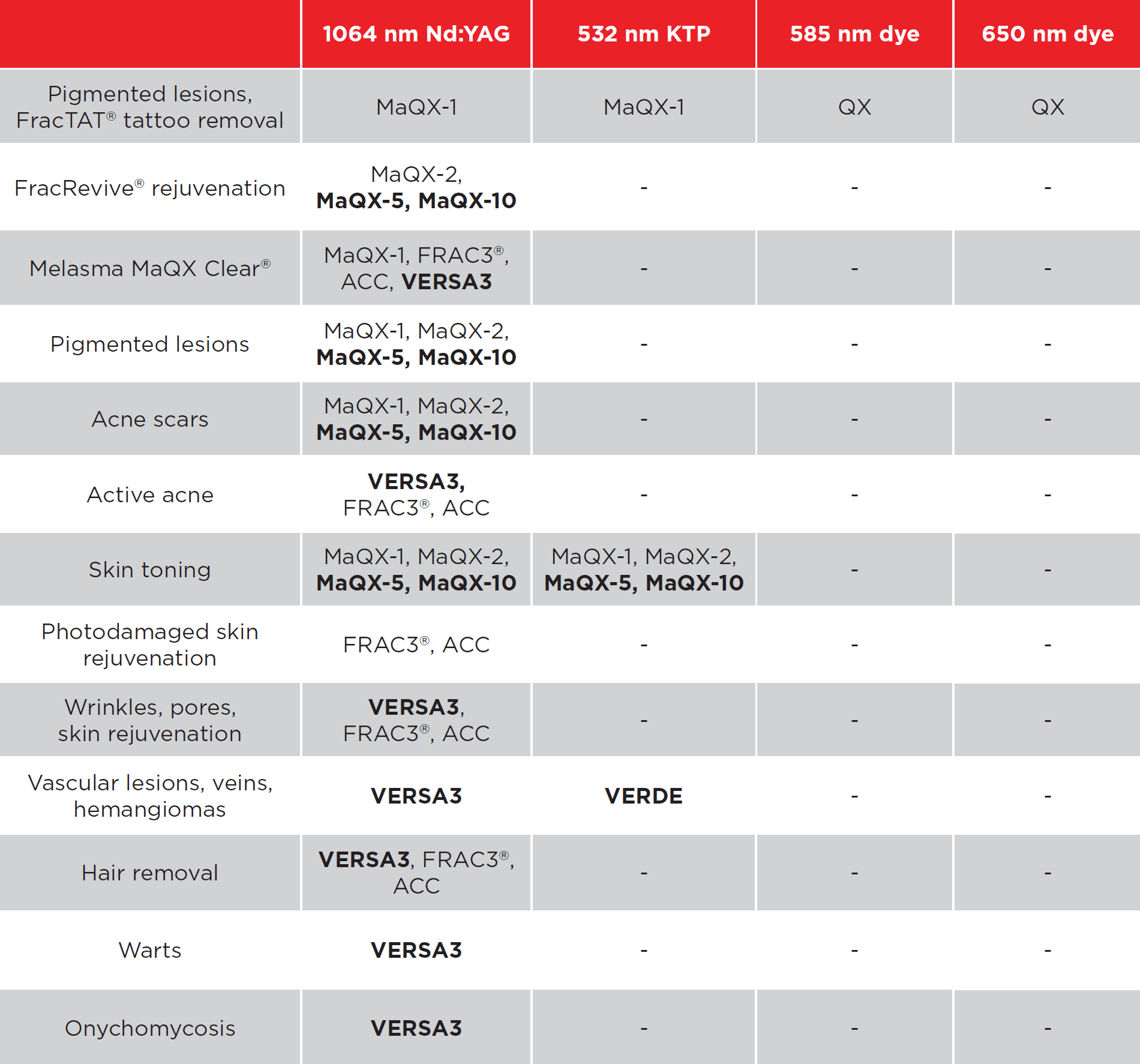
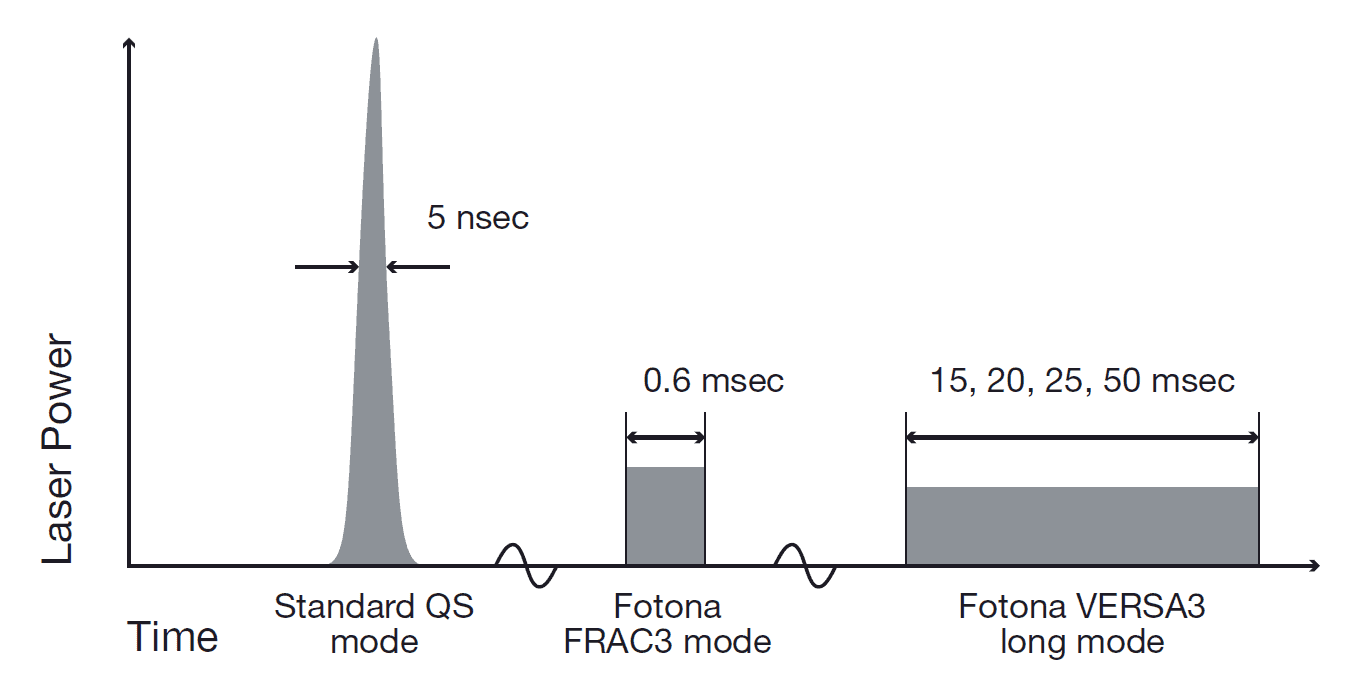
FRAC3 – Targeted treatment using Nd energy to improve specific skin blemishes and rejuvenate the skin.
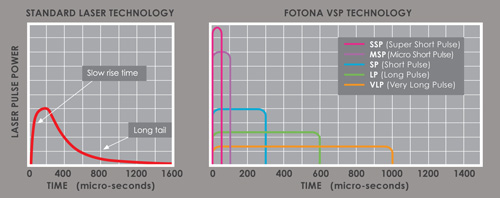
PIANO – Laser pulses are applied for longer periods of time to generate warming at greater depths to produce a tightening effect.
SupErficial – Light Er peeling for texture and reduction of fine lines.
Collagen is a type of protein which provides structure to the skin. Controlled heating can prompt it to remodel over time, although the response varies. The final peel mainly improves the surface; it should not be mistaken for a deep lift.
Does the Research Support Jowl Tightening?
There is encouraging evidence for facial rejuvenation, but it’s worth reading the details.
A 2021 randomised split-face trial involving 20 people found that combined Er and Nd treatment improved several skin measurements more than either wavelength alone. Those measurements included elasticity and texture, not a guaranteed correction of jowls.
A 2026 observational study followed 13 women treated with Fotona4D. Three-dimensional imaging detected small improvements around the eyes and mid-face, some of which remained at six months. The researchers did not establish that the treatment lifts substantial jowls.These small studies support cautious expectations, not surgical-level lifting.
What Results Can You Realistically Expect?
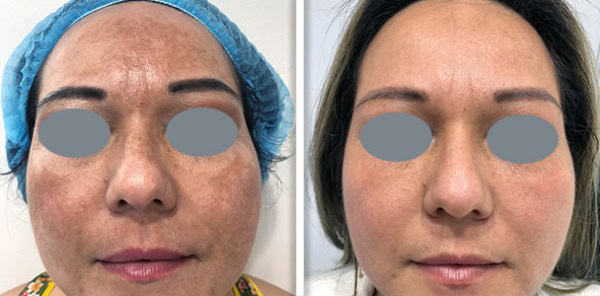
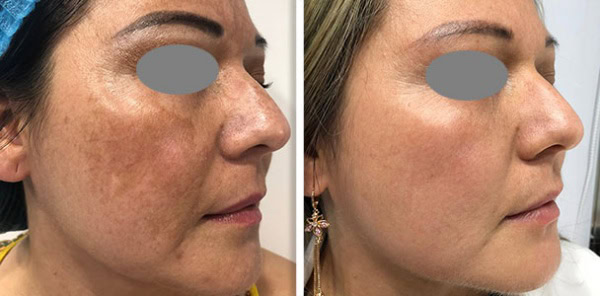
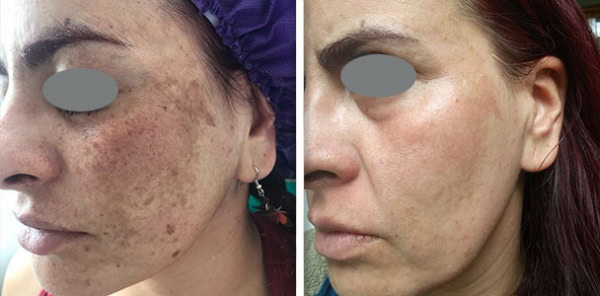
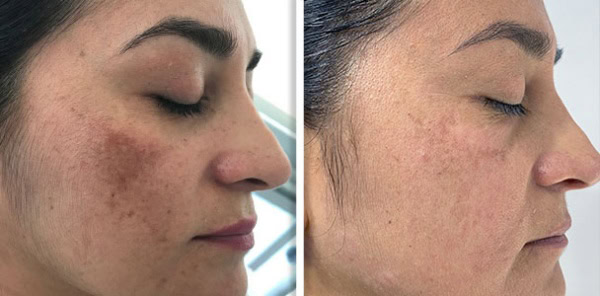
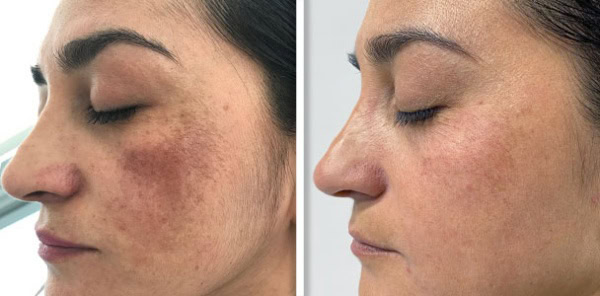
If your concern is early sagging, you might notice firmer-feeling skin, smoother texture and a slightly neater jawline. Changes can develop gradually as collagen responds. The number of appointments and any maintenance depend on the treatment plan and your individual response.Compare photographs with similar lighting and head position. Flattering angles aren’t proof of lasting lifting.
Who May Benefit, and Who Might Not?
Fotona4D may suit people with mild facial laxity who prefer a non-surgical option and are comfortable with subtle results. A consultation should assess your skin colour, medical history, medicines and the cause of the sagging.
Pronounced jowls, considerable loose skin or marked changes in facial volume are less likely to respond enough. In those situations, discussing other options with an appropriately qualified clinician may be more useful than paying for repeated laser sessions.
Is Fotona4D Safe? What About Downtime?
Treatment can feel warm, with brief hotter sensations during some stages. Afterwards, redness, swelling or sensitivity may occur. The resurfacing step can affect recovery, so don’t assume you’ll have no downtime.
Laser procedures also carry risks, including burns, pigment changes, infection and, rarely, scarring. Risks differ with settings, skin type and practitioner experience. Tell your practitioner about recent tanning, active infections, previous cold sores and any medicines before treatment. Ask for personalised aftercare and sun-protection advice.
Fotona4D Compared with Other Jowl Treatments
The right approach depends on what’s causing the change. Skin tightening lasers focus mainly on tissue quality and laxity. Other non-surgical options may address different concerns, but none should be presented as equivalent to a facelift.
Surgery can pull up deeper tissue and cut away extra skin, which makes it a better choice if you have noticeable jowls. It also involves greater recovery and different risks. A responsible consultation should explain these differences without pressure.
What Should You Ask at Your Consultation?
Ask whether your jowls are caused mainly by skin laxity, fat position or volume loss. Request examples from patients with similar concerns, and ask what improvement is realistic, how it will be measured and what happens if you see little change.
The NHS recommends checking practitioner training, skills and insurance. Don’t book solely because a clinic calls the treatment a ‘facelift’.
Final Thoughts
Fotona4D can be a reasonable option for mild sagging and overall skin rejuvenation, but its value depends on realistic goals. Start by assessing why your jowls have developed. Fotona UK provides further information about the technology for people exploring their options.
Frequently Asked Questions
Can Fotona4D give me a sharper jawline?
Possibly, if mild skin looseness is blurring the jawline. You may see a subtle improvement in firmness. It cannot promise a sharply defined contour where heavier tissue has descended.
How long do Fotona4D results last?
There is no reliable fixed duration for everyone. Skin ageing continues, and results depend on the degree of laxity, treatment settings and individual response. Ask your clinician about follow-up and maintenance.
Is Fotona4D better than fillers for jowls?
Neither is automatically better. Laser treatment focuses on skin firmness and texture, while carefully placed filler changes volume and contour. Fillers can also worsen heaviness when poorly selected. A clinician should identify the cause first.
Does Fotona4D hurt?
Many people describe warmth and short bursts of heat rather than severe pain. Comfort depends on the stage, treatment settings and personal sensitivity. Discuss pain management during your consultation.
Can Fotona4D replace a surgical facelift?
No. It might help tighten slightly saggy skin, but it won’t lift deep facial tissue or get rid of a lot of extra skin. If the jowls are pronounced, a surgical assessment may be more appropriate.