

Buying another laser machine isn’t always the smartest way to grow an aesthetic clinic. Often, you get far more value by squeezing more out of the kit you already own, or investing in one system that can handle several different treatments.
That is exactly why the debate around single-application vs multi-platform lasers has become so important for UK clinic owners right now.
A dedicated laser is built from the ground up to do one specific job well. Multi-application systems—like the Fotona SP Dynamis—pack complementary technologies into a single unit.
Does having more treatments on tap automatically make a machine a better buy? Not always. The right call comes down to your patient base, your treatment menu, your team’s skill set, and where you want the clinic to go over the next five years.
TL;DR
- Single-application lasers are built around one core procedure or technology, whereas multi-application platforms run several treatments by switching wavelengths, modes, or handpieces.
- For UK clinics offering a wide mix of skin and aesthetic work, one multi-application unit can cut down the need for multiple standalone machines.
- The Fotona SP Dynamis does this by housing both Er:YAG and Nd:YAG laser technologies in a single console.
- More treatment options don’t automatically mean better clinical results or lower bills. You still have to weigh up real patient demand, practitioner training, servicing costs, and safety rules before consolidating your kit.
Quick Answer
Multi-application laser platforms let clinics run several different treatments from one box, which can free up floor space and broaden your service menu. For instance, the Fotona SP Dynamis pairs 2940 nm Er:YAG and 1064 nm Nd:YAG wavelengths to create very different effects in the skin. Still, if your clinic relies heavily on one high-volume treatment, a dedicated single-application laser is often the better bet.
What Is the Difference Between Single-Application and Multi-Platform Lasers?
A single-application laser is built mainly for one job. For example, a clinic might buy a dedicated laser hair removal machine because that single service fills eighty percent of its appointment book. In a focused clinic like that, speed, easy workflow, and steady throughput matter most—and a dedicated device shines.
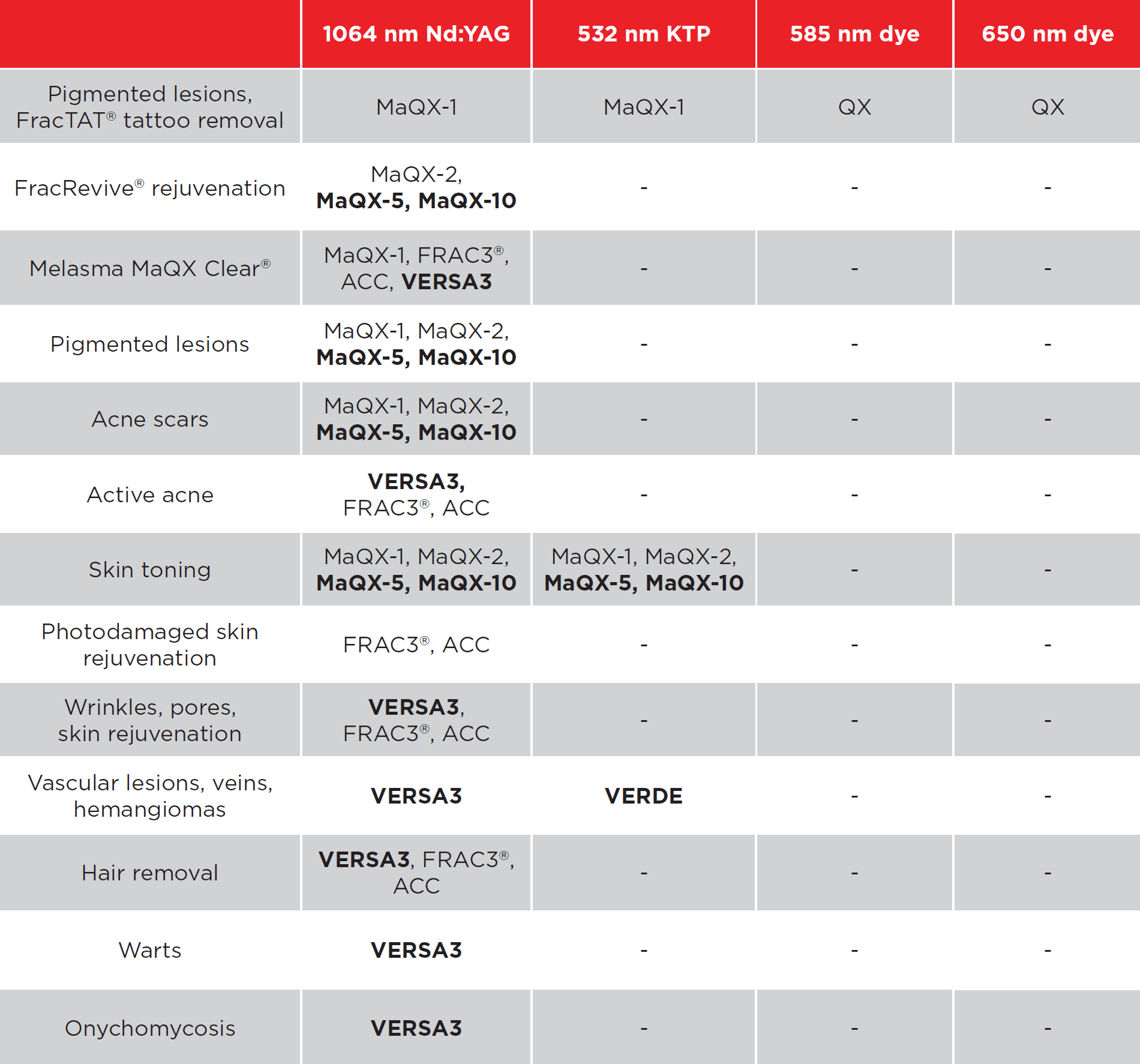
A multi-application laser platform gives you a much wider menu. Depending on how it is engineered, it might combine two separate laser sources, different pulse modes, or swap-out handpieces.
It is also worth knowing the difference between an integrated multi-application laser and a modular platform:
- Modular platforms let you buy a base unit now and bolt on extra technologies later as your clinic grows.
- Integrated multi-application systems already have complementary wavelengths built inside from day one.
Neither setup is automatically better. What matters is whether the machine matches the actual treatments your patients book.
How Do Multi-Application Laser Systems Work?
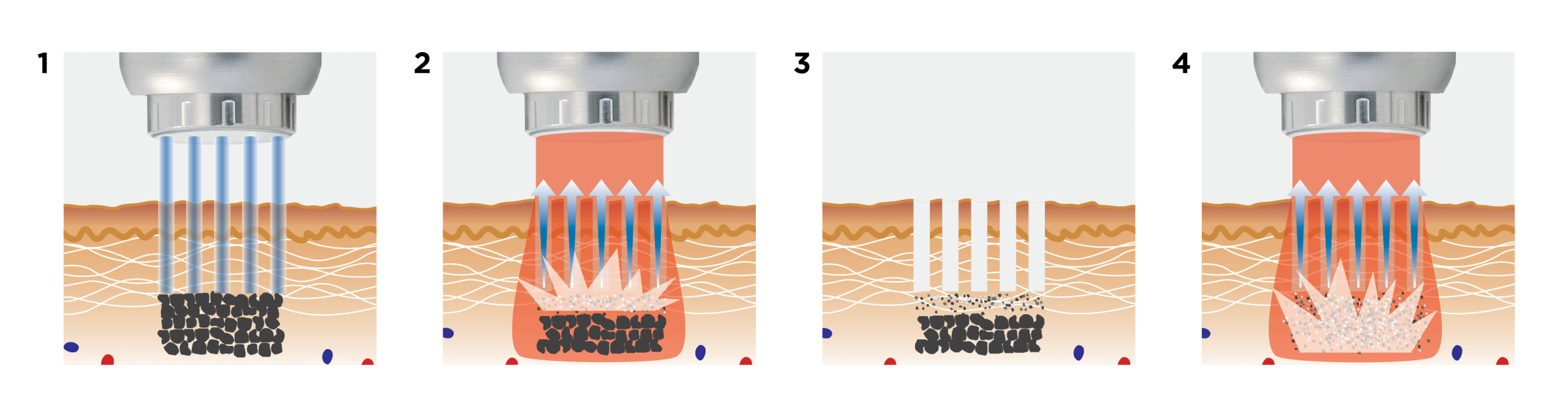
Different laser wavelengths interact with different targets in the skin. In clinical terms, the substance that absorbs the laser energy is called a chromophore—with water, melanin, and haemoglobin being the big three.
- 2940 nm Er:YAG: This wavelength is heavily absorbed by water. That makes it ideal for precise skin resurfacing and procedures where you want controlled ablation in water-rich tissue.
- 1064 nm Nd:YAG: This wavelength behaves quite differently, penetrating deeper to heat tissue for specific vascular work, skin tightening, and certain hair-reduction protocols.
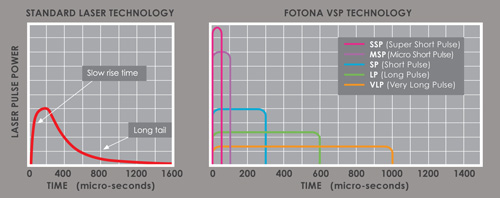
Having both wavelengths inside one system lets practitioners switch between surface resurfacing and deeper tissue heating without wheeling a second machine into the room. Of course, wavelength is only half the story—pulse duration, energy settings, depth, and the person holding the handpiece all shape the final result.
Why Are UK Clinics Considering Multi-Application Laser Platforms?
Making better use of treatment rooms
Floor space is expensive for most UK aesthetic clinics. Every extra machine you bring in needs room to manoeuvre, proper ventilation or storage, the right power supply, and safe laser-controlled access.
Swapping two or three standalone units for one multi-application platform clears up valuable room. Just remember: one machine still cannot be in two treatment rooms at once. If you have two practitioners wanting the laser at 2:00 PM on a Saturday, scheduling will quickly become a headache.
Managing long-term equipment costs
The sticker price is only the start of what a laser costs you. Annual servicing, unexpected repairs, staff training, consumables, insurance, and lost revenue during downtime all add up.
Running one versatile system instead of three separate ones can simplify maintenance contracts and cut down on overhead. Even so, savings aren’t guaranteed—you need to stack the full cost of ownership against realistic booking numbers for each treatment.
Offering more treatment options
Patients rarely fit neatly into a single box. Someone might walk through your door asking about rough skin texture, and six months later ask what you can do for mild skin laxity around their eyes.
A flexible platform gives trained practitioners more tools to build tailored treatment plans. That never means pushing extra procedures on people—every treatment still needs a proper clinical assessment and clear justification—but it does keep more care under your own roof.
How Does Fotona Support Laser Platform Consolidation?
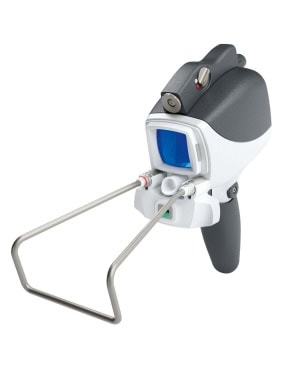
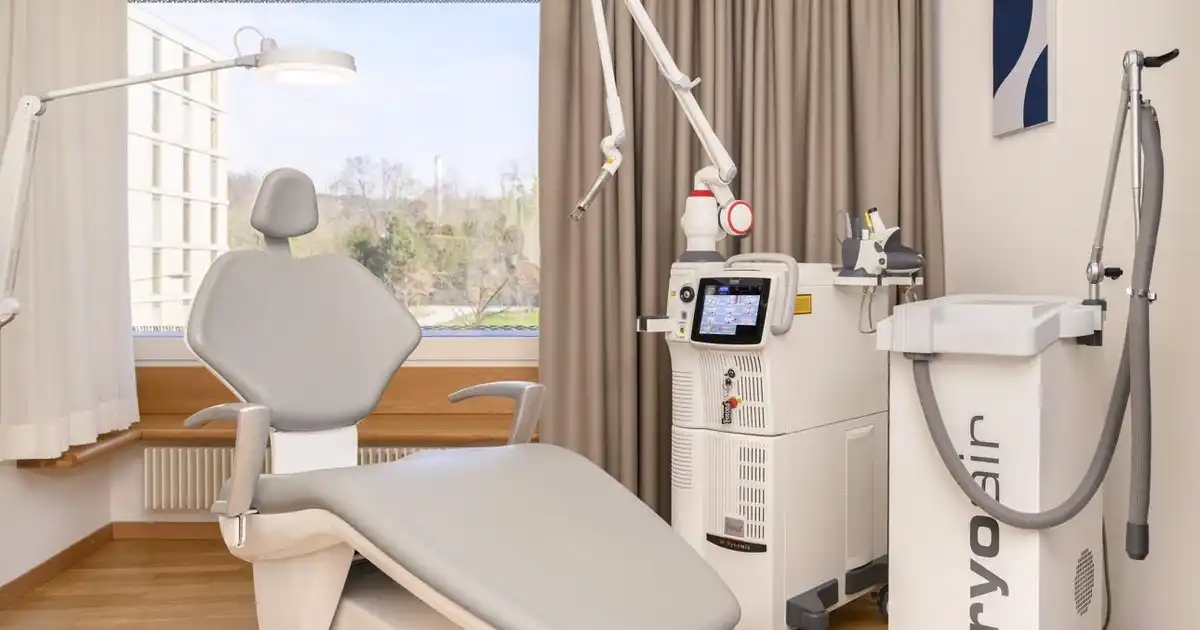
Fotona’s SP Dynamis system brings two complementary wavelengths together inside one multi-application platform. Its 2940 nm Er:YAG laser handles controlled skin resurfacing and surface work, while its 1064 nm Nd:YAG laser targets deeper tissue responses.
Alongside the two wavelengths, Fotona systems include adjustable operating modes that change how energy is delivered to the skin. This setup allows clinics to run multiple treatment pathways from one core machine instead of buying separate devices for each service.
Which Fotona treatments are relevant?
- Fotona Skin Resurfacing: Uses Er:YAG technology to target uneven skin texture and surface imperfections.
- Fotona4D Facial Rejuvenation: Combines different laser modes into a multi-step facial protocol.
- SmoothEye: Targets delicate skin concerns around the eye area.
- TightSculpting: Focuses on non-invasive body contouring and skin tightening.
While these examples show how versatile a single platform can be, keep in mind that not every Fotona console runs every treatment. What you can offer depends on the exact model, the handpieces you buy, your practitioners’ qualifications, and local rules. Always look at independent clinical evidence alongside manufacturer brochures.
When Is a Single-Application Laser a Better Choice?
A dedicated machine still wins hands down when your clinic is built around a focused niche.
Picture a busy laser hair removal clinic with a packed diary from morning till night. If one dedicated device already gives you the exact wavelength, spot size, and speed you need, paying extra for a multi-platform system adds cost without adding real value. Dedicated machines also make life easier when several clinicians need to treat patients at the exact same time.
There is also downtime to think about. If one multi-application machine powers five different treatments on your menu and breaks down, all five services grind to a halt. Having separate machines spreads that risk. Consolidating equipment only works when it fits how your clinic actually runs.
What Should UK Clinics Check Before Investing?
Before signing a finance agreement, take a hard look at your current booking data:
- Which treatments bring in steady, reliable revenue right now?
- Which services are you turning away because you lack the right kit?
- Which new procedures can your current staff realistically deliver?
A proper equipment review should weigh up local demand, approved indications, Fitzpatrick skin types you regularly treat, appointment lengths, training needs, room space, and service cover.
Ask the supplier to run live demonstrations of the exact procedures you plan to offer—don’t get dazzled by a long list of extras you will never use. Check the price of replacement handpieces, guaranteed engineer response times, and whether loan units are available if your main console goes down. Those everyday practicalities matter far more over five years than brochure specs.
Training, Safety and UK Regulatory Considerations
A multi-application laser demands much more than knowing which buttons to press. Practitioners need thorough training in laser–tissue interaction, patient selection, contraindications, parameter settings, and handling complications.
All laser treatments carry risks—including burns, hyperpigmentation, hypopigmentation, infection, and scarring. Those risks shift depending on the procedure, the settings, and the patient’s skin type. Published dermatology reviews repeatedly stress careful assessment, especially when treating darker skin phototypes.
In the UK, the Medicines and Healthcare products Regulatory Agency (MHRA) sets out clear guidance on using lasers safely in medical and aesthetic clinics.
Registration rules also vary depending on what you treat and where you are based:
- In England: Purely cosmetic laser treatments generally do not require Care Quality Commission (CQC) registration, though several local councils enforce their own special treatment licences. Once you cross into medical indications, CQC rules can apply.
- Across the UK: Regulations differ across Scotland, Wales, and Northern Ireland, so always verify the exact rules for your region and service list.
Fotona UK provides structured training and education resources for practitioners, but strong clinical governance, proper eye protection, routine servicing, and ongoing competence remain the clinic’s responsibility no matter which badge is on the machine.
Is Consolidating Laser Equipment Worth It?
Bringing multiple treatments onto one platform makes real commercial sense when you have enough steady patient demand to keep several applications busy.
However, swapping three older machines for one new system won’t automatically fatten your profit margins. A wider treatment menu only pays off if you have the right patients, properly trained clinicians, solid protocols, and enough diary slots to run those appointments smoothly without bottlenecks.
The best question to ask isn’t “How many treatments can this laser do?” It’s “How many of these treatments can my team deliver safely, profitably, and consistently?”
Final Thoughts
Choosing between single-application and multi-platform lasers comes down to how your clinic is built. Dedicated systems remain hard to beat for high-volume, single-service clinics, while multi-application platforms give multi-disciplinary clinics the flexibility to grow without cramming every room with hardware.
Dual-wavelength systems like Fotona offer a practical way to consolidate, provided the investment lines up with your clinical goals, staff capabilities, and realistic booking numbers. If you are weighing up your options, speak with Fotona UK about system configurations, practitioner training, and ongoing servicing support before making your final decision.
Frequently Asked Questions
1. Are multi-application lasers better than single-purpose lasers?
Not necessarily. Multi-application platforms cover a wider range of procedures, which works well for clinics offering varied skin and aesthetic treatments. Single-purpose machines are often better for specialist clinics with heavy, constant demand for one core service. The right fit depends on your treatment mix, booking volume, staff training, and running costs.
2. Can Fotona SP Dynamis replace several laser machines?
Because the Fotona SP Dynamis combines Er:YAG and Nd:YAG technologies, it can run several aesthetic applications from one console and reduce the need for separate standalone devices. That said, no single system replaces every laser wavelength on the market, so always confirm that the exact model and handpieces support the procedures you plan to offer.
3. Is a multifunction laser platform cheaper to maintain?
Not always. Running one platform can simplify servicing schedules and cut down on multiple maintenance contracts. However, real running costs depend on the manufacturer, how heavily you use the machine, handpiece wear and tear, and your service agreement. Always ask for a full cost-of-ownership breakdown before assuming one unit will save money.
4. Do UK clinics need additional training for multi-application lasers?
Yes. Practitioners must be properly trained and insured for every individual procedure they perform. Knowing how to operate one wavelength or handpiece does not automatically qualify someone to use another mode. Make sure your team covers laser safety, skin assessment, contraindications, settings, and complication management before launching new treatments.
5. How should clinics choose between a dedicated laser and Fotona?
Start by looking at your most booked treatments and the gaps you genuinely want to fill. Compare the required wavelengths, skin-type suitability, treatment speed, staff competence, total ownership costs, and engineer support. Fotona is often a strong fit for clinics building a broad, complementary treatment menu, while a dedicated laser usually suits high-throughput specialist practices.