

Laser hair removal and IPL are often spoken about as though they’re the same treatment. They aren’t.
Both use light energy to heat pigment within suitable hairs and reduce future growth, but they produce that light differently. Professional laser systems use a defined laser wavelength, while IPL delivers a broader range of filtered wavelengths.
This difference can impact precision, skin suitability, and treatment planning. It’s not as easy as choosing between IPL and laser. Laser hair removal offers more precise wavelength targeting than IPL, because it delivers a narrower spectrum of light.For professional hair reduction, this allows practitioners to select technologies such as alexandrite, diode or Nd:YAG according to the patient’s skin and hair.
IPL can also produce meaningful hair reduction in suitable candidates. Results from either treatment depend on hair colour, skin tone, body area, device, settings, treatment schedule and practitioner expertise. Neither should be presented as guaranteed permanent removal.
Is Laser Hair Removal Better Than IPL?
Lasers are more precise because they use a specific wavelength. IPL, on the other hand, uses broad spectrum light that has been filtered. This can give professional laser systems advantages for certain hair and skin combinations. However, clinical evidence shows that both can reduce unwanted hair. The best choice depends on the device, skin tone, hair colour and treatment protocol.
What Is the Difference Between Laser Hair Removal and IPL?
The easiest way to understand the difference is to look at the light being produced.
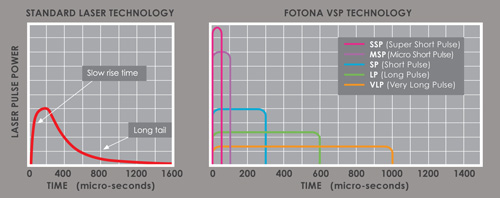
A laser generates light at a defined wavelength. Hair-removal lasers include technologies such as alexandrite, diode and Nd:YAG, each with different tissue interactions.
IPL stands for Intense Pulsed Light. It isn’t a laser. Instead, an IPL device produces a broad spectrum of light, with filters used to select useful wavelength ranges.Both can target melanin, the pigment responsible for much of the colour in hair and skin.
The aim is to generate enough heat around a suitable hair follicle to interfere with its ability to produce future hair while limiting unwanted damage to surrounding skin.
How Does Laser Hair Removal Work?
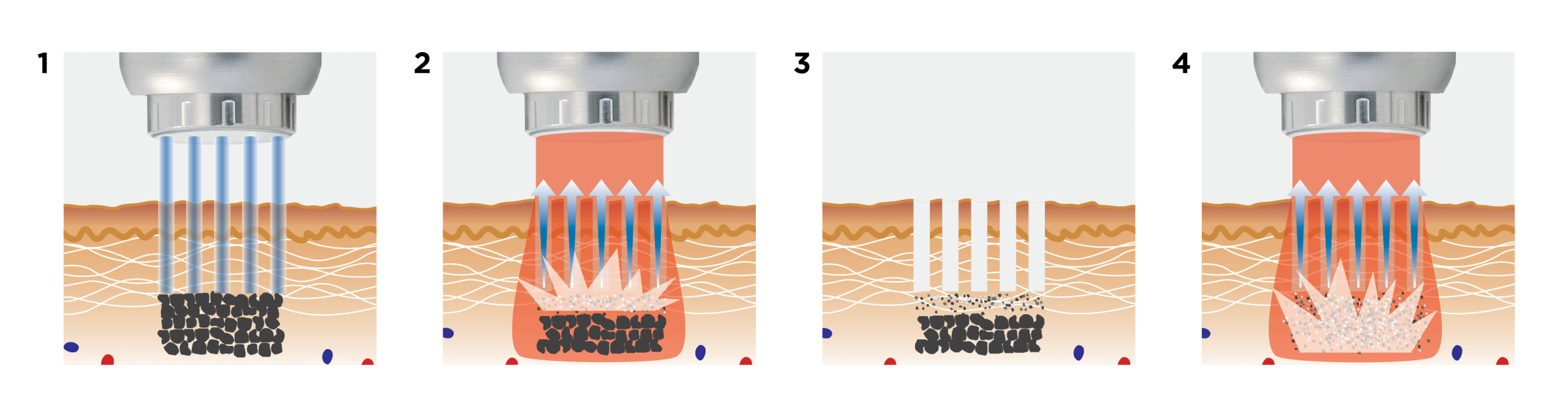
Professional laser hair removal is based on controlled light absorption.Pigment within suitable dark hairs absorbs laser energy and converts it into heat. That heat affects structures involved in hair growth.
The principle is often described as selective photothermolysis. In simple terms, the practitioner selects laser parameters intended to heat the target more than the surrounding tissue.Different wavelengths can be useful for different skin and hair combinations.
For example, 1064 nm Nd:YAG is a longer wavelength commonly used when treating more deeply pigmented skin because of its tissue-penetration and melanin-absorption characteristics.
Laser treatment still requires careful parameter selection. It is not enough to have a suitable wavelength. You still need appropriate training and patient assessments.
How Does IPL Hair Removal Work?
IPL follows a similar broad principle but produces light differently.
Instead of one defined laser wavelength, the handpiece releases filtered broad-spectrum pulses. Suitable hairs absorb part of this energy, creating heat within and around the follicle.Professional IPL systems can be adjusted using filters, energy settings and pulse parameters.
This is important because professional IPL shouldn’t automatically be treated as equivalent to a home-use IPL handset.Home devices are designed for consumer use and have different energy and safety constraints. Professional systems are operated in a clinical or aesthetic setting and should be assessed separately.
Which Gives Better Results: Laser or IPL?
For hair reduction specifically, professional lasers have an important advantage: the wavelength can be selected for a specific tissue interaction.But this doesn’t mean every study finds lasers overwhelmingly superior to every IPL system.
A recent randomised controlled study comparing IPL with an 810 nm diode laser for underarm hair found significant hair reduction with both technologies. There wasn’t a statistically significant difference in hair count at the study’s initial primary endpoint, although the diode laser produced more favourable objective results at longer follow-up.
Long-term research also shows that outcomes vary substantially according to the body area being treated.
So the most accurate answer is:
Professional lasers are generally the more targeted technology, but the quality of the device, treatment protocol and individual patient matter too.
Why Does Hair Colour Matter?
Both IPL and conventional hair-removal lasers rely heavily on pigment.Dark hairs generally contain more melanin, giving the light a clearer target.
White and grey hairs contain little or no useful melanin, so standard light-based hair reduction tends to work poorly.Very light blonde and some red hairs can also be difficult because they contain less of the pigment these systems rely on.
No responsible clinic should promise that every hair colour will respond equally well.
What About Darker Skin?
This is one of the most important parts of the comparison.
Melanin isn’t only present in hair. It’s also present in the epidermis, and higher levels of skin pigmentation can increase competition for light energy.This means appropriate wavelength and settings become especially important.
Research into skin types III–VI has found that laser and IPL can both be used, but the evidence doesn’t support assuming that every device is equally suitable. Long-pulsed Nd:YAG has particular relevance in darker skin, and pooled research has favoured it over IPL for the risk of post-inflammatory hyperpigmentation in some comparisons.
This is one reason professional assessment matters more than simply choosing the treatment with the most impressive advertising.
Does Laser Hair Removal Work Permanently?
“Permanent hair removal” is often used casually, but long-term or permanent hair reduction is a more useful expectation.
Treatment can substantially reduce the amount, density or coarseness of unwanted hair in suitable candidates. Some hairs may later regrow, and maintenance can be relevant for some people.
Hormones, age, treatment area and the underlying reason for excessive hair growth can also influence future growth.The scientific literature itself shows why caution is sensible: long-term randomised evidence remains limited, and results differ between body areas.
Why Are Several Treatments Needed?
Hair doesn’t all grow at once.
Individual follicles move through different stages of the hair-growth cycle. Light-based hair reduction works best when a suitable pigmented hair is biologically responsive to treatment, so one session cannot reliably target every follicle at its ideal stage.
This is why treatment is normally planned as a course rather than as a single appointment.The exact schedule should be based on the body area, device and individual response rather than a universal package number.
What Are the Risks of Laser and IPL?
Both are energy-based treatments and neither is risk-free.
Temporary redness and follicular responses can occur after treatment. Incorrect device selection or inappropriate parameters can also increase the chance of burns, pigment changes and other skin reactions.
Eye exposure is another important safety consideration. UKHSA notes that sufficiently powerful laser radiation can injure the eyes and skin, and MHRA guidance covers both lasers and intense pulsed light systems used in aesthetic practice.
Appropriate eye protection, device controls and practitioner training therefore matter.
Where Does Fotona Fit Into Hair Reduction?
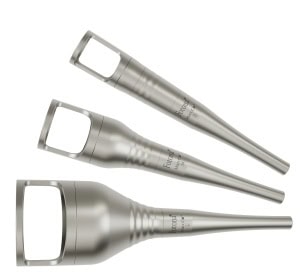
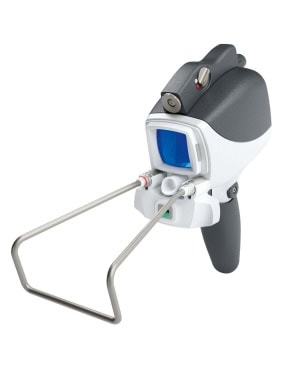
Fotona uses 1064 nm Nd laser technology for professional hair reduction.Its hair-reduction systems use controlled laser energy to target suitable pigmented hair while the treatment protocol is selected around factors including skin and hair characteristics.
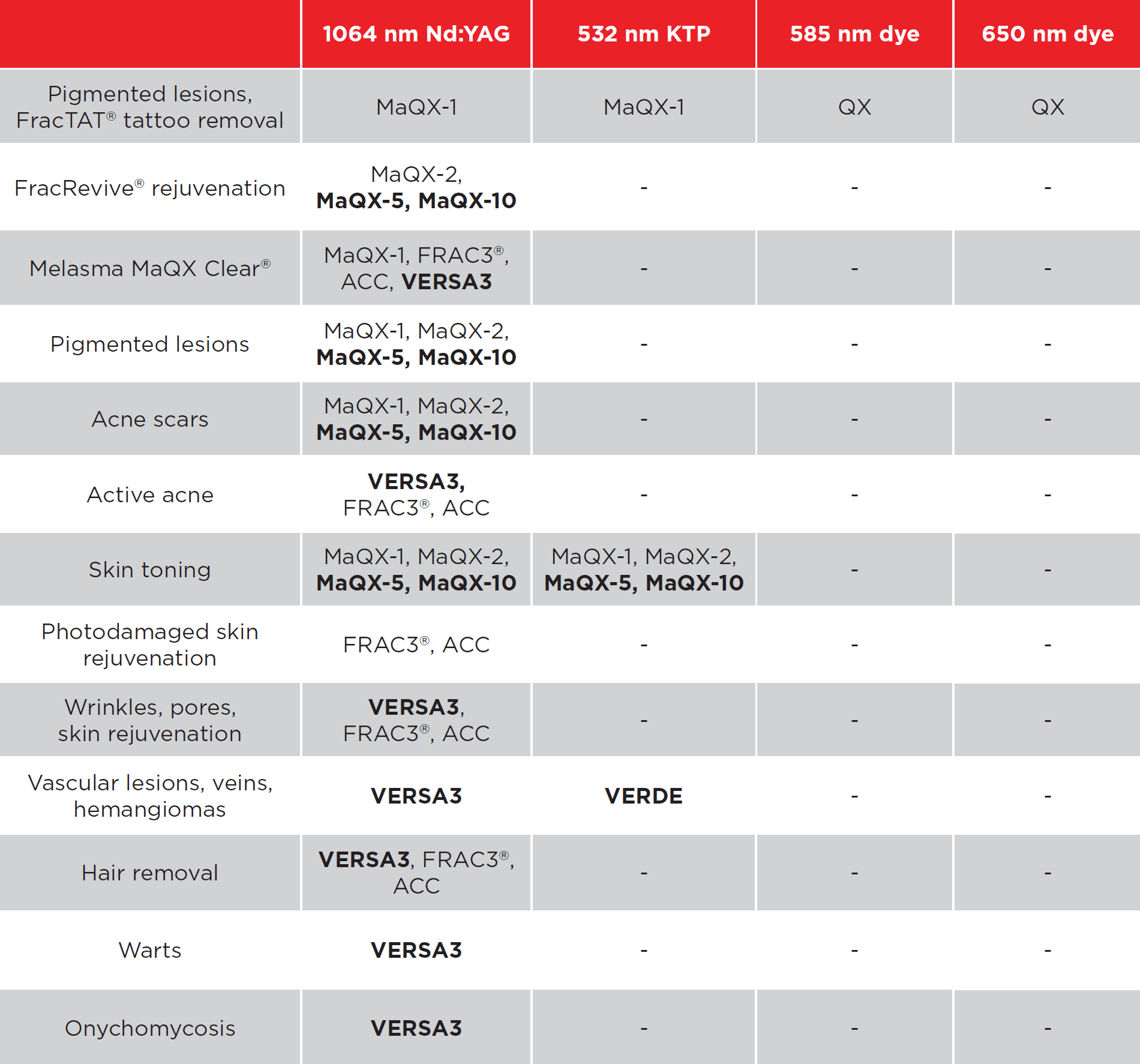
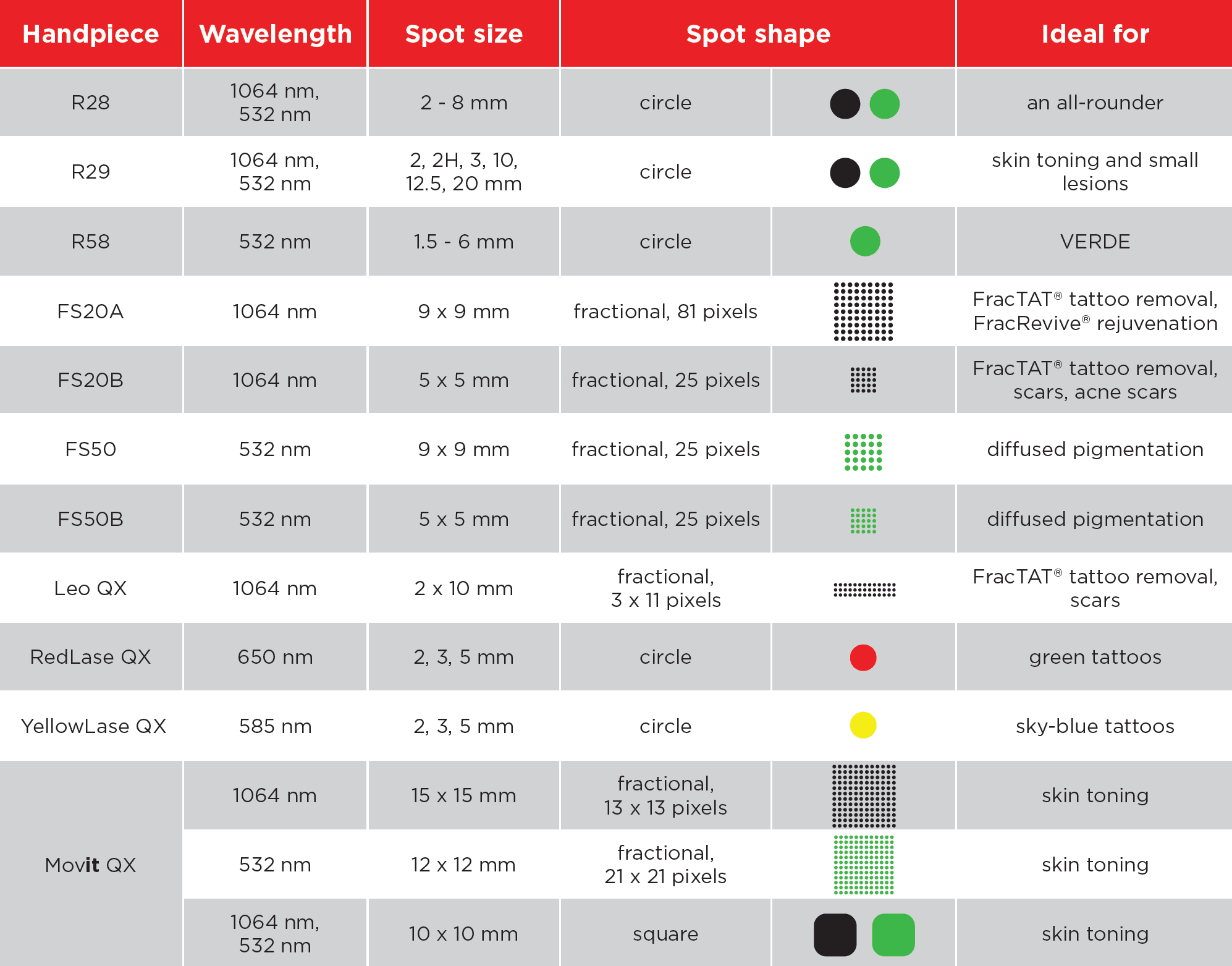
Fotona also uses technologies such as FRAC3 within its hair-reduction approach, and compatible systems include multi-application platforms rather than stand-alone consumer IPL devices.The distinction is useful: Fotona hair reduction is professional laser treatment, not IPL.
So, Should You Choose Laser or IPL?
If your priority is professional long-term hair reduction, lasers often offer an advantage in wavelength-specific targeting and the ability to match different laser technologies to different skin profiles.
IPL shouldn’t be dismissed, though. Good professional IPL systems can reduce unwanted hair in suitable patients, and research doesn’t show a universal laser victory in every direct comparison.
Instead, look at the full picture:
your skin tone, hair colour, treatment area, the exact device, the practitioner’s experience and the proposed settings.
For darker skin in particular, asking which wavelength will be used and why is more useful than simply asking whether a clinic offers “laser hair removal”.
Final Thoughts
The real difference between laser hair removal and IPL isn’t that one uses “strong light” and the other uses “weak light”. They are different optical technologies.
Laser offers wavelength-specific targeting. IPL offers filtered broad-spectrum light. Either may reduce suitable unwanted hair, but outcomes depend on far more than the label on the machine.
For professional treatment, start with an individual assessment and ask what technology is being used, why it suits your skin and hair, and what realistic level of long-term reduction you can expect.
FAQs
Is laser hair removal more effective than IPL?
A professional laser is generally more targeted because it uses a defined wavelength, but IPL can also produce significant hair reduction. Research comparing individual systems has produced mixed results, so the exact device, skin tone, hair characteristics and treatment protocol matter.
Does IPL permanently remove hair?
IPL is a good way to reduce hair in certain candidates but permanent removal cannot be guaranteed. Some hair may grow back or be left behind. Depending on the individual, you may need to continue treatments.
Which is better for darker skin: laser or IPL?
It is important to choose the right device for skin that has a darker pigmentation. IPL and long-pulsed Nd lasers with 1064 nm pulses are used to treat skin that is deeply pigmented. An experienced practitioner should assess skin type before treatment.
Why doesn’t laser hair removal work well on grey hair?
Most hair-removal lasers rely on melanin to absorb light energy. Grey and white hairs contain little or no useful pigment, leaving the laser with a poor target. IPL has the same fundamental limitation for pigment-poor hair.
Is professional IPL the same as home IPL?
No. They use the same broad category of intense pulsed light technology, but professional and consumer devices differ in design, energy delivery, controls and intended use. Results from professional IPL research shouldn’t automatically be applied to every home IPL device.