

At-home skin devices have become a normal part of modern skincare. LED masks promise glow and fewer breakouts. Microcurrent tools claim a lifted look. Home radiofrequency (RF) and “laser-like” gadgets suggest firming, smoothing, and a younger appearance without stepping into a clinic.
So, are they worth it?
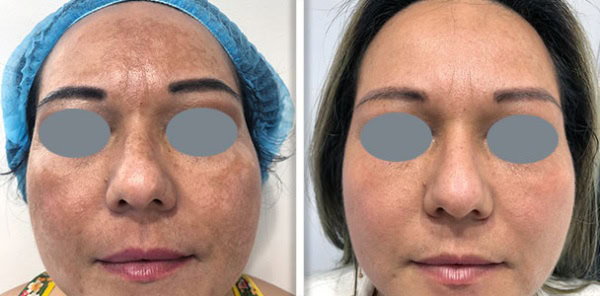
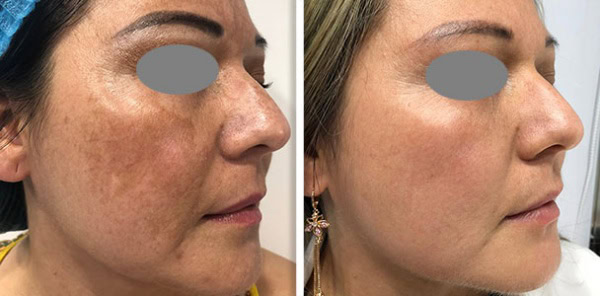
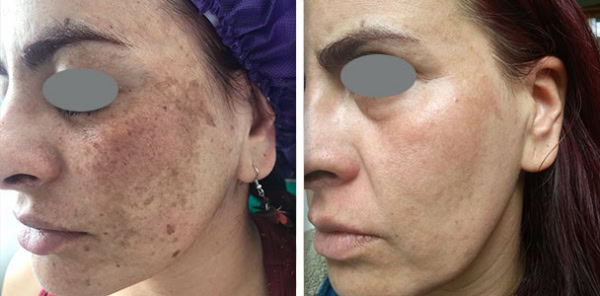
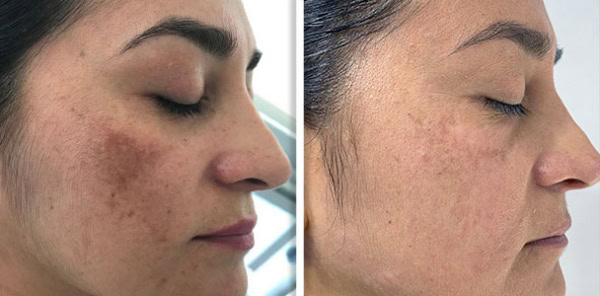
The honest answer is: some can be helpful for small, steady improvements, but they are not a true replacement for medical-grade laser treatments when you want visible, long-term change in texture, laxity, pigmentation, pores, acne scarring, or deeper lines. There is a reason clinics invest in regulated, professional systems—and it is not just “stronger settings”. It is the combination of precision, depth, controlled heat, and clinical decision-making that home devices simply cannot match.
Let’s break it down in a clear, practical way.
What at-home devices can realistically do
Most home devices sit in a “low-risk, low-disruption” zone. That is partly why they are popular. They are designed to be used frequently with minimal downtime. The trade-off is that they usually deliver less energy, reach more superficial layers, and have fewer ways to tailor treatment to your skin type and concern.
Here is what tends to be realistic:
LED masks (red/near-infrared, blue):
These can support mild improvements in inflammation, redness, and acne, and may contribute to gradual skin “freshness” with consistent use. Studies on LED/photobiomodulation show it can be safe and beneficial for certain skin goals, including rejuvenation-style outcomes in controlled settings.
At-home acne light devices:
Reviews and meta-analyses have found red and/or blue light can help mild-to-moderate acne in some users, especially when used consistently and correctly. (
Microcurrent devices:
These often give a short-term “toned” look due to muscle stimulation and temporary changes in fluid movement. Many people like the immediate effect, but it usually needs ongoing maintenance.
Home RF and “tightening” devices:
Some users see modest firming over time, but results are typically subtle because safe home-use energy levels are limited. In short, at-home tools can be a decent add-on if your expectations are realistic: maintenance, glow, mild acne support, and gradual improvement.
Why the “power difference” isn’t the whole story
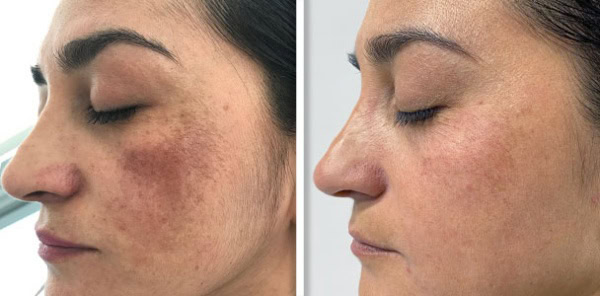
People often assume clinic lasers win only because they are stronger. That is part of it, but not the full picture. Medical-grade laser treatments are superior because they can deliver controlled, targeted energy at specific depths while protecting the surface and surrounding tissue. That means you can create the exact kind of biological response you want—whether that is collagen remodelling, pigment breakdown, vascular improvement, or resurfacing.
Professional lasers also allow clinicians to adjust parameters based on:
(i) skin type and melanin behaviour
(ii) sensitivity and barrier health
(iii) medical history and medications
(iv) the difference between redness, pigment, melasma, sun damage, and post-inflammatory marks
(v) scar depth, pattern, and skin thickness
(vi) healing capacity and lifestyle factors
Home devices do not “think” with you. A clinician does.
The key limitation of at-home devices: depth + precision
Skin concerns do not all live at the surface. Fine lines, laxity, and many texture problems are linked to changes in the deeper dermis: collagen structure, elastin quality, vascular signalling, and chronic low-grade inflammation. To truly improve those, you often need energy delivered beyond the superficial layers, with a treatment plan that respects your skin biology.
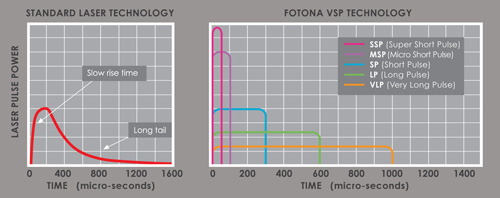
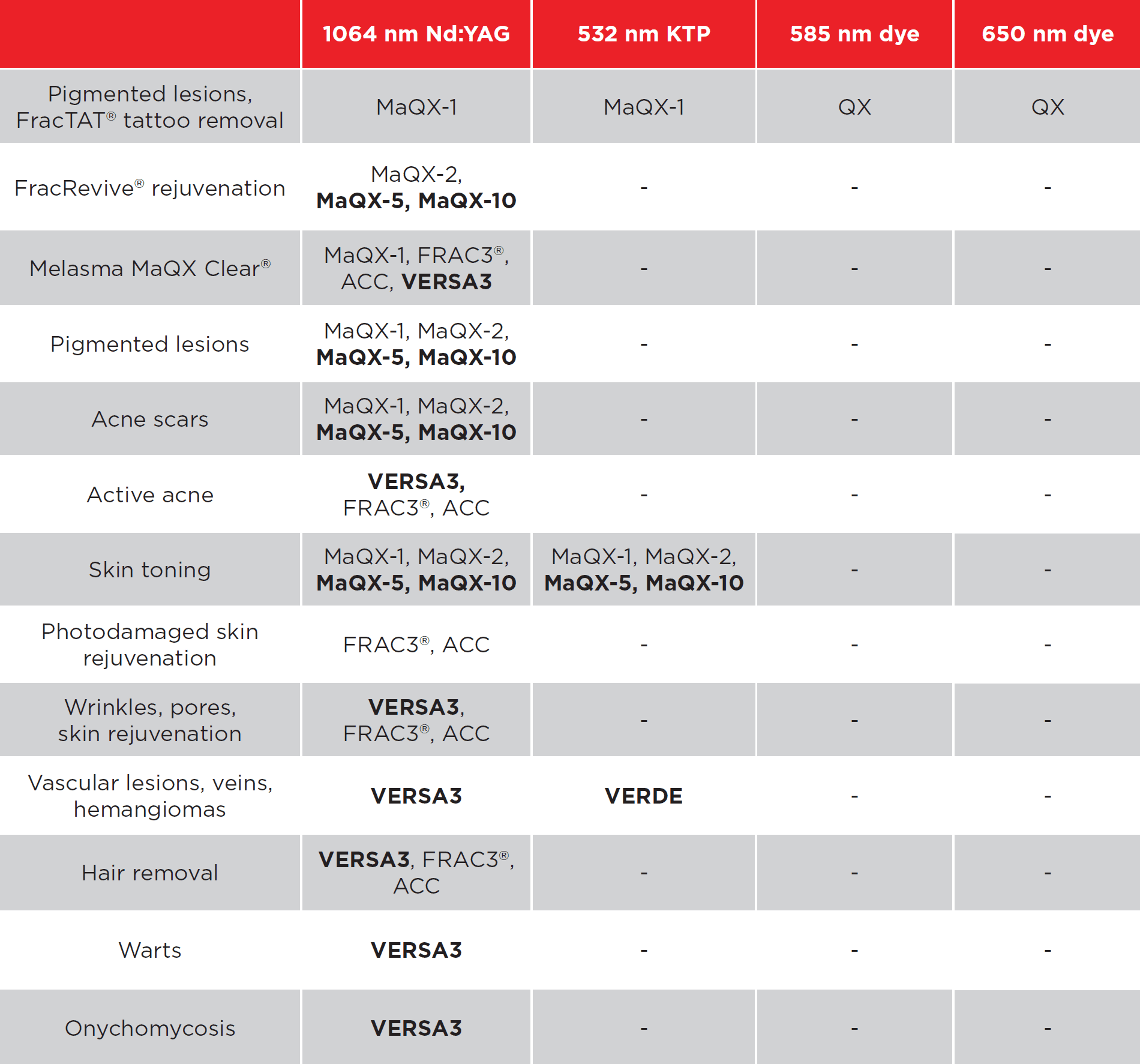
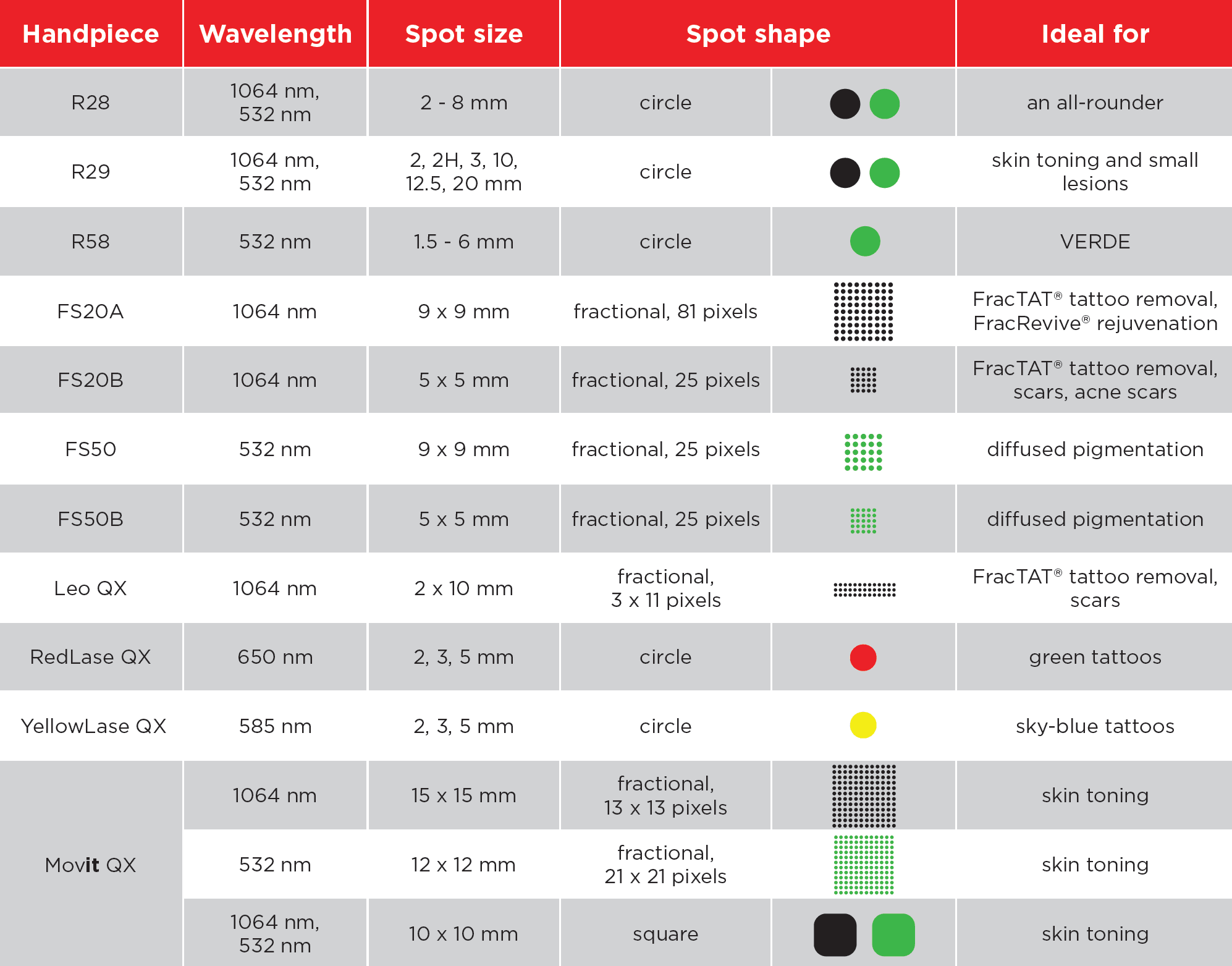
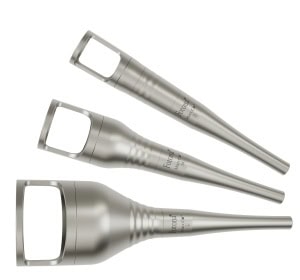
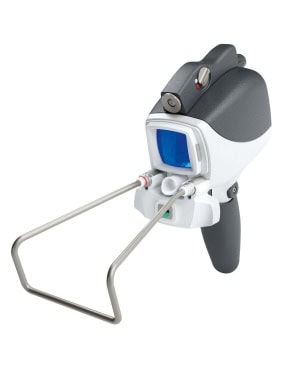
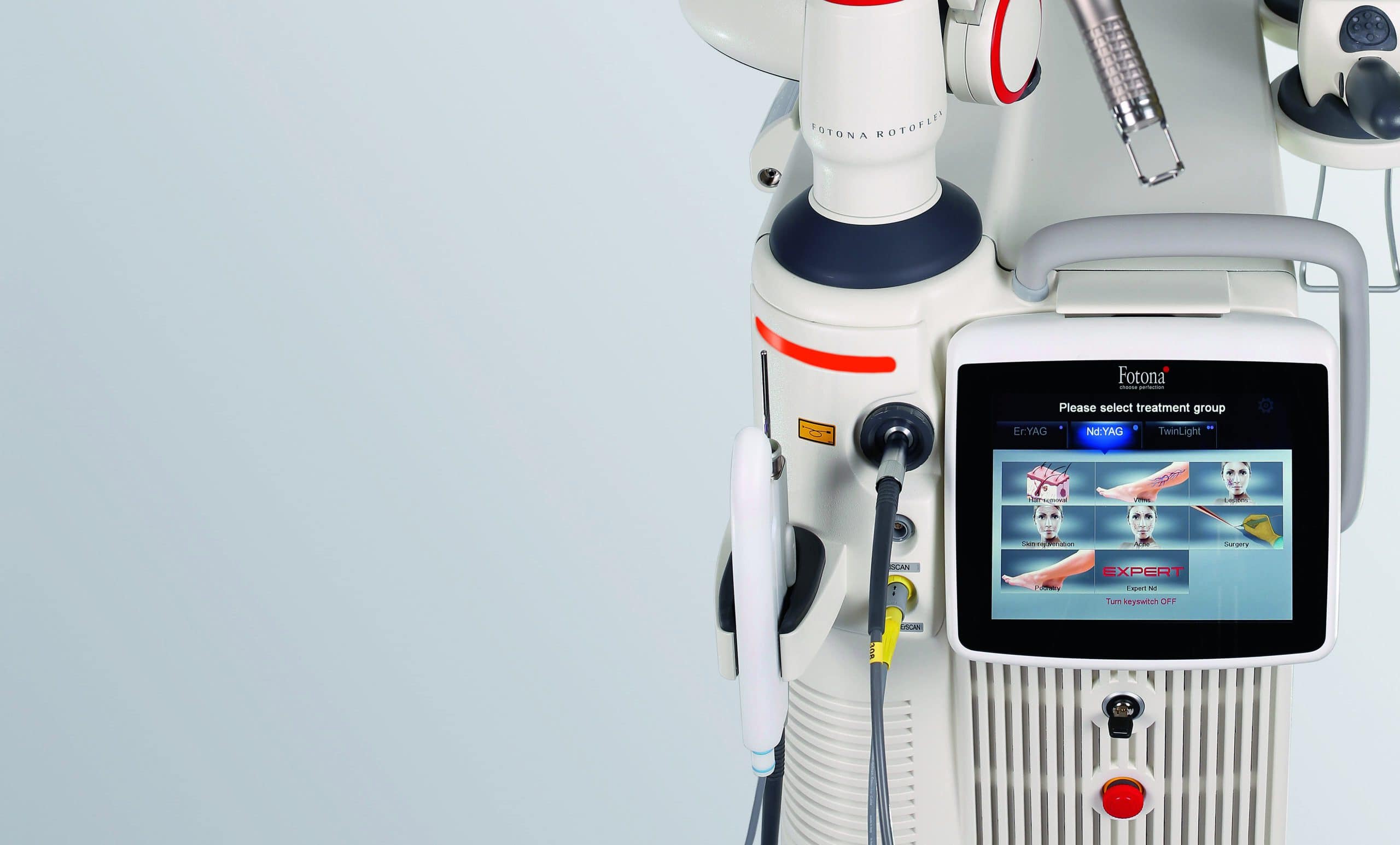
Medical-grade systems are built for this. For example, dual-wavelength platforms can target both superficial and deeper structures in a controlled way. Fotona’s SP Dynamis, for instance, combines Er:YAG (often used for precise surface interaction/resurfacing) with Nd:YAG (used to reach deeper layers), offering flexibility depending on the concern and treatment goals. That depth control is one of the reasons results tend to look more meaningful after a course of professional treatments: the skin is being remodelled in the layers where real change happens.
Safety: “gentle” does not always mean “risk-free”
At-home devices are designed with safety in mind, but risks still exist—especially with light-based hair removal, IPL, and poorly regulated devices. Eye safety is a major concern with light and laser products. The FDA highlights that certain laser exposures can pose immediate eye hazards, depending on classification and exposure. ([U.S. Food and Drug Administration][4]) In the aesthetic world, eye injuries from hair removal around the face are well documented, including cases reported in medical literature.
With home-use IPL/light devices, published reviews of ocular injury cases report serious outcomes such as iris damage and inflammation, often linked to exposure without proper protection. In the UK, safety guidance for lasers, intense light systems, and LEDs used in medical/aesthetic settings emphasises risk controls and safe-use principles—and it even references “home use” devices as a category that relies on interlocks and contact controls to reduce risk. So yes—home devices can be safe when reputable and used properly. But “at-home” should never mean casual.
Why medical-grade laser outcomes usually look better
If you want visible improvement (not just a mild glow), medical-grade laser treatments tend to outperform home tools for four practical reasons:
1) They trigger a stronger collagen response
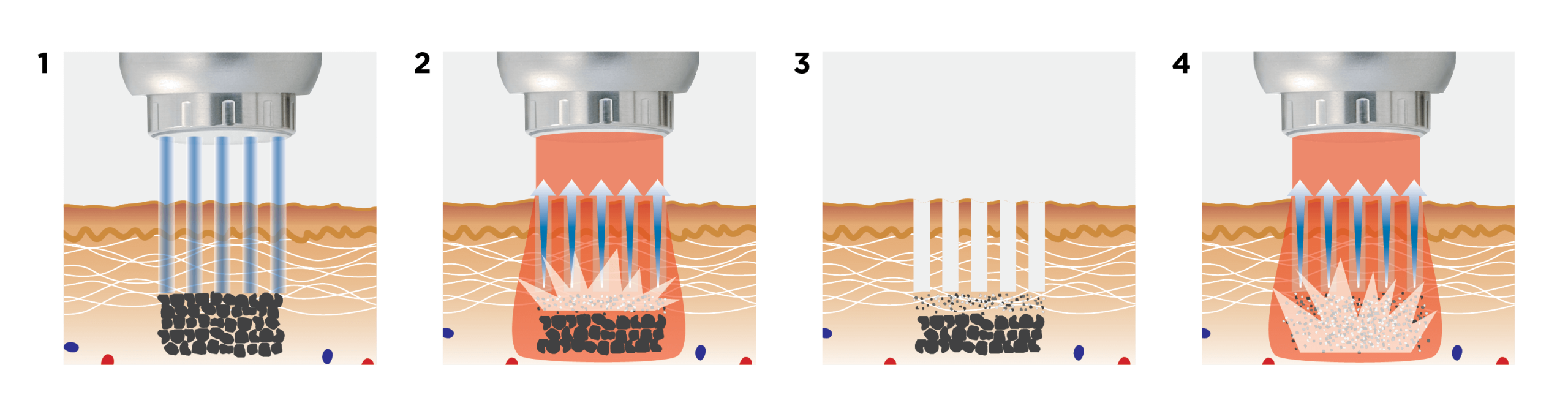
Collagen remodelling requires a meaningful stimulus. Professional lasers can deliver controlled thermal and/or ablative effects that are hard to replicate safely at home.
2) They are customised to your skin
The same “wrinkle” can be dehydration, barrier damage, sun damage, volume loss, or laxity. A clinician can treat the real cause, not just the surface appearance.
3) They treat multiple concerns together
In a clinic, it is common to treat tone + texture + pores + laxity in a planned sequence. Home devices are usually single-purpose.
4) They are monitored and adjusted
Skin is dynamic. A professional plan can change based on response, healing, and results—reducing trial-and-error.
When at-home devices are worth it
At-home devices can be a good buy if you fit one of these profiles:
(i) You want maintenance between clinic treatments.
(ii) You have mild acne or inflammation and can commit to consistent use (especially LED).
(iii) You prefer gradual changes and understand results are usually subtle.
(iv) You are using them as part of a wider routine: sunscreen, retinoids (if tolerated), barrier support, sleep, and nutrition.
A simple rule: home devices are best for consistency; clinic lasers are best for transformation.
A quick buying checklist for home devices
If you do choose an at-home device, keep it sensible:
Look for reputable brands and proper regulatory marking (CE/UKCA where applicable).
Follow instructions exactly; more is not better.
(i) Avoid treating near the eyes with IPL/light hair removal devices unless you have proper protection and guidance.
(ii) If you have melasma, a history of pigmentation, or are on photosensitising medication, speak to a clinician first.
Fotona Laser Treatments
Fotona treatments are based on advanced medical-grade technology that is designed to work with the skin’s biology, rather than guessing. Dual-wavelength systems, such as the Fotona Sp Dynamis, allow clinicians to tailor energy delivery in order to target both surface concerns and structural changes. This allows for skin tightening and resurfacing while also supporting overall rejuvenation. The treatment can be designed as a series of treatments for cumulative collagen remodeling, with settings that are adjusted to your skin type, recovery needs, and goals.
FAQ
1) Do LED masks work for aging skin?
When used regularly, they may produce mild improvements in skin texture and inflammation. However, the results are usually very subtle. Clinical studies on LED/photobiomodulation show potential benefits, but they do not replace the depth and intensity of medical-grade laser rejuvenation.
2) Why are clinic laser treatments more expensive?
You are paying for medical equipment that is regulated, clinical judgment from a trained professional, energy delivery with precision, and a plan of treatment that can safely reach deeper tissues where collagen and texture changes occur.
3) Are at-home IPL hair removal devices safe?
Although they can be safe if used correctly, eye injuries, including severe iris damage, have been reported in published case studies. Follow safety instructions and protect your eyes.
4) Can a home RF device tighten the skin like a laser?
Medical-grade lasers, on the other hand, can produce stronger, longer-lasting results than home RF.
5) What is the best way to get real results with minimal downtime?
A clinician can suggest a plan to balance results and recovery, often using non-ablative, or minimally-ablative, laser approaches over time, as opposed to a single aggressive treatment.
6) Can I use home laser devices along with professional treatments?
Yes, but timing is important. To protect the barrier, your clinician may suggest that you stop using certain devices prior to and after laser treatments.