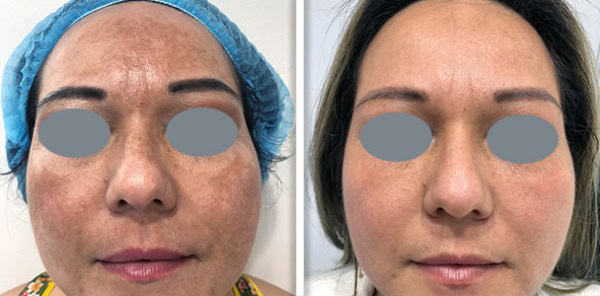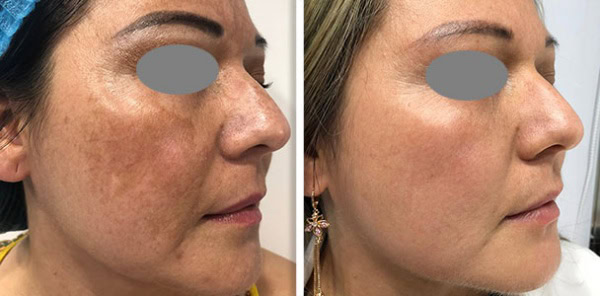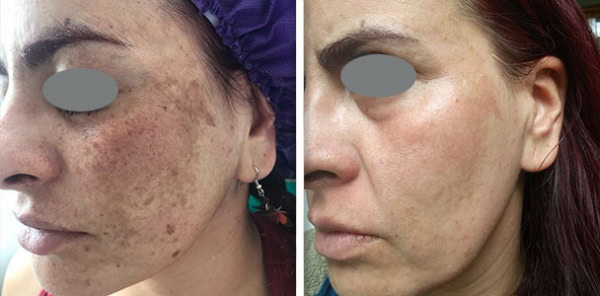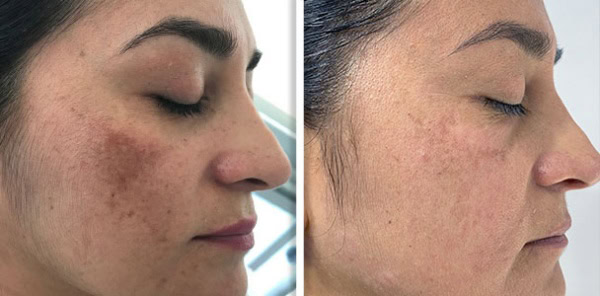


Most people considering laser skin resurfacing have one practical question: how long will their face take to recover?
The answer depends on the type of Fotona treatment you have. A light fractional treatment may leave your skin red for a few days, while deeper resurfacing can take a week or longer to heal. Even after your skin feels fine, you might still see some redness.
Knowing what to expect helps you take time off work, plan your schedule, and get ready for your aftercare.
In this blog we will discuss the process of healing, variation in recovery time and suitable time for consultation with your doctor.
TL;DR
The recovery time of Fotona resurfacing varies due to mode of treatment, intensity of laser, its settings and skin tone. After lighter fractional treatments, some people can return to normal activities within a few days. More intensive resurfacing may require around one to two weeks of visible recovery.
When you get deeper treatment, your skin may remain pink for several weeks.
Redness, swelling, tightness and peeling are common during healing.
It is most important to follow after care advice from your Doctor including avoiding picking at peeling skin,avoiding exposure to direct sun. You will have to give enough time to recover your skin
How Long Does Fotona Resurfacing Take to Heal?
Fotona resurfacing usually involves several days of visible skin recovery, although deeper treatments may need one to two weeks or longer. Light fractional Er resurfacing generally involves less downtime than intensive full-field treatment. Redness can remain after the skin surface has healed, sometimes for several weeks. Your practitioner should explain the expected recovery period before treatment.
What Is Fotona Laser Skin Resurfacing?
Sun damage, fine lines, improving the appearance of uneven skin texture are treated by Fotona laser skin surfacing.
It commonly uses an Er laser operating at a wavelength of 2940 nm. This wavelength is strongly absorbed by water in the skin, allowing practitioners to remove controlled amounts of surface tissue.
As the treated area heals, new skin forms. The treatment can also encourage collagen remodelling, which may slowly improve skin texture.Not every resurfacing session removes the same amount of skin. Some treatments are deliberately light, while others reach deeper layers to address more noticeable concerns.This difference plays a major part in recovery.
How Long Is Recovery After Different Fotona Treatments?
Light Fractional Resurfacing
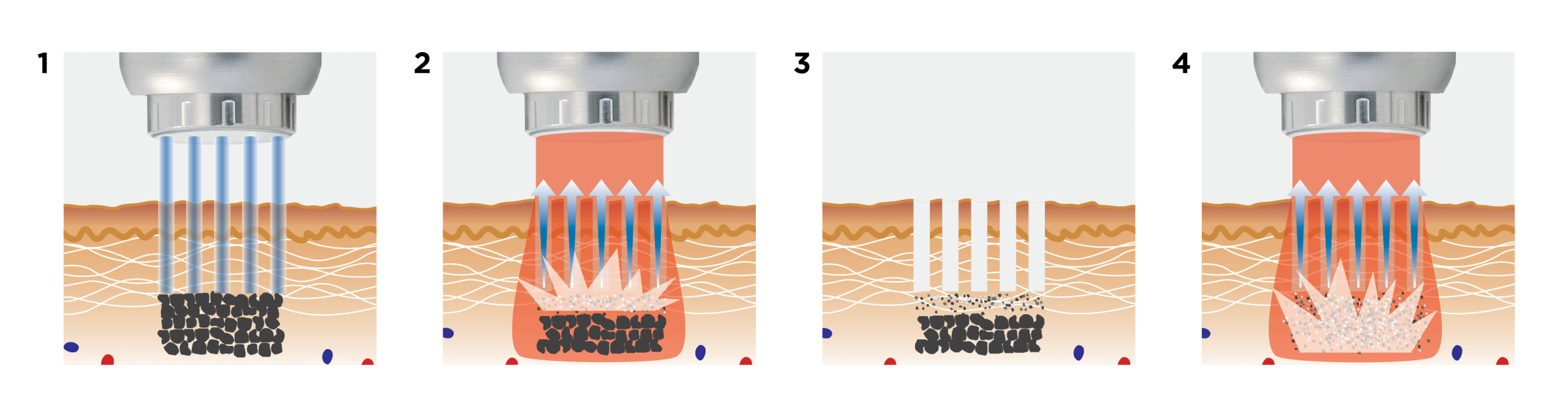
Fractional resurfacing treats tiny areas of skin while leaving untreated skin between them.
These untreated areas help the surface repair itself. As a result, lighter fractional procedures generally involve a shorter recovery period than more intensive resurfacing.
Some patients need only a few days away from work or social activities. Mild swelling, redness and a rough texture may still be noticeable.
Full-Field Resurfacing
Full-field treatment removes tissue across the entire treated surface rather than leaving spaces between microscopic treatment areas.Recovery generally takes longer because a larger area needs to repair itself.
Depending on the depth of treatment, the skin may take approximately a week or more to recover enough for normal activities. Redness can continue after this point.
Deeper Resurfacing
Deeper treatments are sometimes used for more pronounced wrinkles, skin damage or certain scars.These procedures create a greater healing response and can involve more swelling, peeling and discomfort.
Visible recovery may appear in two weeks in some cases. The practitioner should explain the expected healing time, likely appearance of the skin and follow-up arrangements beforehand.
What Happens During the Healing Process?
The First 48 Hours
Your skin may look red and feel warm, tight or sore, rather like sunburn.
Some swelling is common, especially around sensitive facial areas. Your practitioner may recommend specific products to keep the treated skin protected.
After more intensive resurfacing, the skin may look raw or produce a small amount of fluid. This requires the wound care instructions provided by your clinic.
Avoid rubbing the area or applying products that haven’t been approved for use after your treatment.
Days 3 to 5
For some resurfacing procedures, the skin begins to feel dry or rough as the surface repairs itself.You might see your skin peeling or flaking off. Don’t worry—this is normal, even if it feels a little dry or looks patchy.
Don’t pull away loose skin or try to speed things up with an exfoliating scrub. Picking can damage the new surface and increase the risk of marks or scarring.
Days 5 to 10
Many people who have lighter or moderate resurfacing notice that the visible peeling is settling by this stage.The new skin may look pink and feel more sensitive than usual.
After deeper treatment, however, healing may still be underway. Some people need longer before returning to their usual skincare routine or wearing makeup.
Your practitioner should confirm when the skin barrier has recovered sufficiently.
The Following Weeks
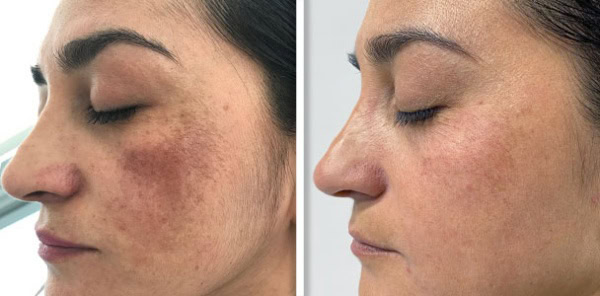
Once the surface has healed, some pinkness or redness may remain.
This isn’t a sign of treatment failure or that something is wrong. The appearance can take time to clear up as the skin slowly repairs itself.
More intensive treatment may leave redness for longer, and some people experience changes in pigmentation.Collagen remodelling also continues beyond the initial recovery period, so improvements in texture may develop gradually rather than appearing as soon as the peeling stops.
What Affects Fotona Resurfacing Recovery Time?
Two people treated resurfacing with the same laser system and still recovered at different speeds.
Treatment Depth
Treatment depth is a major factor. More intensive ablation removes more tissue, which generally means longer healing.
Fractional coverage
Fractional coverage also matters. Treating smaller areas of skin gives the untreated skin around it a chance to help you heal faster.
Skin Type
Your skin type and condition affect how your skin responds. If you tend to get dark spots or scars, you might need a little extra care.
Treatment Area
The treatment area can make a difference. Thin or sensitive skin may react differently from thicker areas of the face.Factors affecting recovery include smoking habits, your general health, medication history and aftercare.This is why a fixed recovery promise isn’t appropriate for every patient.
How Can You Help Your Skin Recover?
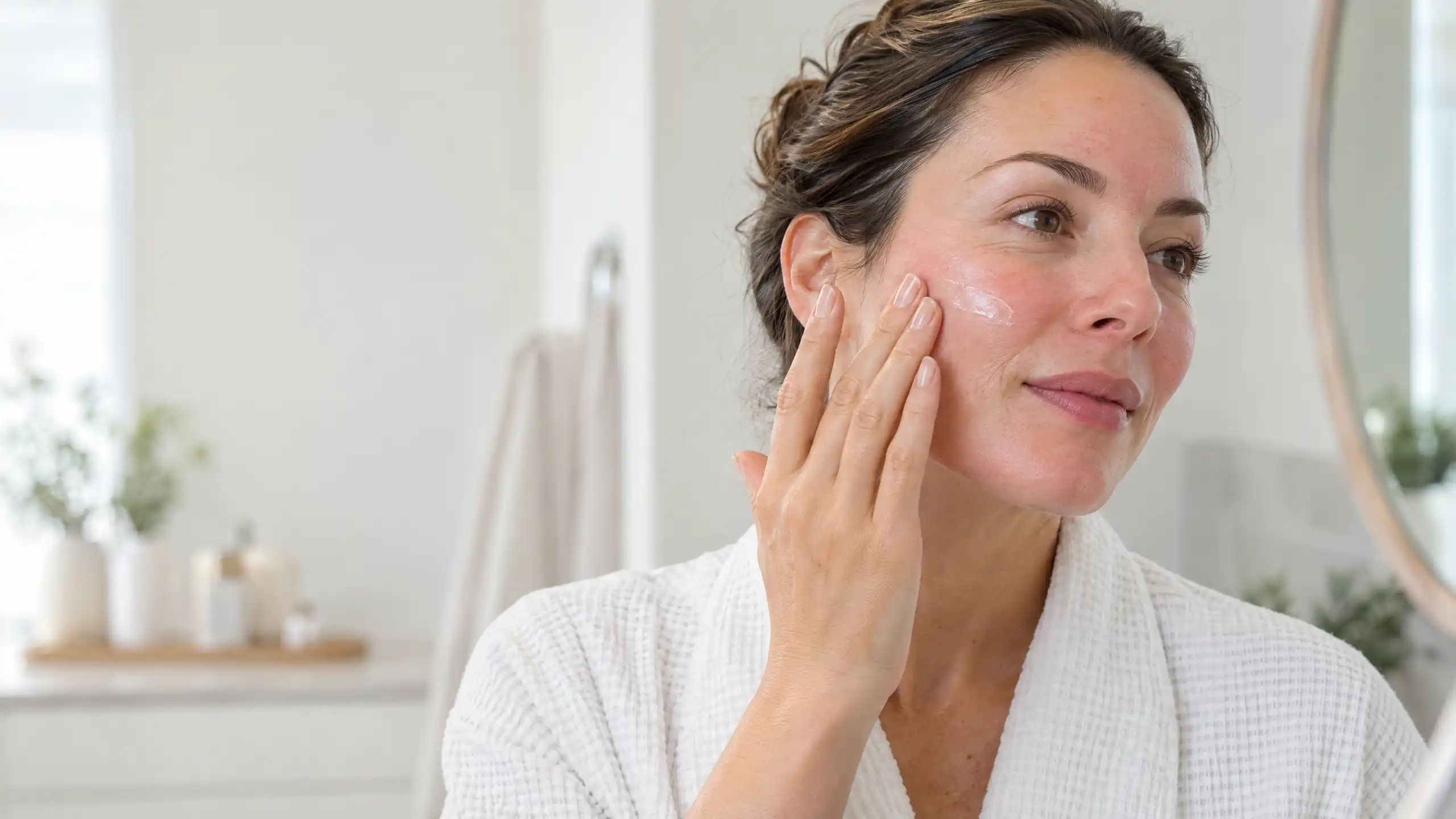
Good aftercare won’t remove the normal healing period, but it can help protect the treated skin while it repairs itself.
Keep the Skin Clean and Protected
Use only the cleansing method recommended by your practitioner.
After ablative resurfacing, you may be given a specific ointment or dressing to protect the healing surface. Ordinary skincare products aren’t always suitable while the skin is raw.
Avoid Picking or Scrubbing
Let peeling skin come away naturally.Scrubs, exfoliating acids and retinol products can irritate recovering skin. Wait until your practitioner says it’s safe to restart them.
Avoid direct exposure to Sunlight
Newly treated skin is more sensitive to sunlight and may be at greater risk of pigmentation changes.
Avoid direct sun exposure during healing. Once the surface has recovered enough for sunscreen, use the broad-spectrum product and protection routine recommended by your practitioner.
Don’t apply sunscreen or makeup to raw skin unless your treating clinician has specifically advised it.
Give Yourself Time
Try not to schedule intensive resurfacing immediately before an important event.
Your skin may feel comfortable before all the redness has faded. Leaving enough time between treatment and social plans can make recovery much less stressful.
Can You Return to Work After Fotona Resurfacing?
Yes, but how soon depends on the treatment and the type of work you do.
If you’ve had light fractional resurfacing and work from home, you may feel comfortable returning sooner than someone whose job involves face-to-face contact.
After deeper treatment, visible redness, peeling or the need for protective wound care may make time away from work more practical.Outdoor jobs bring another concern because fresh skin needs careful protection from sunlight.
As treatment takes time, therefore you must ask your doctor about a realistic estimate according to your treatment method instead assuming all Fotona procedures have the same downtime.
Is Fotona Resurfacing Different From Fotona4D Recovery?
Yes. Fotona4D and deep laser resurfacing are not the same thing.
Fotona4D treats in different steps, including gentle treatments that warm up the skin underneath without scraping or removing the top layer. The final surface treatment is usually much gentler than deeper resurfacing.Some patients undergoing less intensive facial rejuvenation have relatively little downtime.
However, the exact protocol matters. If more intensive resurfacing is included, recovery may be longer.Always ask which treatment steps your practitioner plans to use and whether the skin surface will be ablated.
What Are the Risks During Recovery?
Most healing changes get better step by step, but laser treatments also have some risks.There are a number of potential complications: persistent redness, infection, acne flare ups, cold sore recurrence, skin discoloration and scarring.If you have darker skin, you may have a higher chance of getting dark spots after certain deeper treatments. This means the treated area can become darker as it heals.
Tell your practitioner if you’ve had cold sores, unusual scarring, skin infections or previous pigmentation problems.Increasing pain, spreading redness, pus, fever or unexpected worsening should prompt medical advice. Contact your treating clinic promptly rather than assuming these symptoms are normal.
Laser resurfacing also has limitations. Whilst it will reduce some scarring and wrinkling, it will not give perfect results or make your skin look completely youthful.
When Will You See the Final Results?
Skin healing and final results take time.
Your skin’s surface might heal in a few days or weeks, but collagen keeps building and texture keeps improving over the next few months.
You’ll see some changes right after the redness and peeling clear up, while other improvements show up slowly over time.Your final results depend on your skin type, how deep the treatment was, how you heal, and if you need more sessions.
Your practitioner should explain what improvement is realistic rather than promising an exact result.
Final Thoughts
Fotona resurfacing recovery time isn’t the same for everyone. A light fractional treatment may fit into a relatively short break from normal activities, while deeper resurfacing needs more planning.
Remember that healed skin can still look pink. Being ready to return to work doesn’t always mean the skin has returned to its usual appearance.
Thinking about Fotona skin resurfacing? Before you book, talk with a qualified practitioner about how deep the treatment goes, how much downtime you’ll need, and how to take care of your skin afterward.
Frequently Asked Questions
Can I wear makeup after Fotona resurfacing?
You should wait until the treated skin has healed sufficiently and your practitioner has confirmed that makeup is safe. Applying makeup too early may irritate damaged skin or interfere with wound care. After light resurfacing, this may be possible sooner than after deeper treatment. Don’t cover raw, weeping or broken skin with ordinary cosmetic products.
How long does redness last after Fotona laser treatment?
Redness may improve within several days after a light treatment. Following more intensive resurfacing, the skin can remain pink for several weeks, and occasionally longer. The duration depends on treatment intensity, skin type and individual healing. If redness becomes increasingly painful, hot or swollen, contact your treating practitioner for advice.
Is peeling normal after Fotona resurfacing?
Peeling is a normal part of healing after skin resurfacing treatments. It just means your skin is fixing itself.How much you peel depends on your treatment—lighter options usually cause less peeling than deeper ones.Just be sure not to pick at any peeling skin or use scrubby face products. Let it fall off on its own so you don’t irritate the new skin underneath or cause any issues.
Does fractional Fotona resurfacing heal faster than full-field treatment?
Fractional resurfacing generally allows faster surface recovery because untreated areas of skin remain between the treated spots. These areas help support healing. However, a high-intensity fractional treatment can still cause considerable downtime. Treatment depth, energy settings and the proportion of skin treated all matter, so fractional resurfacing doesn’t guarantee a short recovery.
When should I contact my clinic after laser resurfacing?
Contact your treating clinic if pain is getting worse rather than better, redness is spreading, swelling is increasing unexpectedly or you notice pus, fever or other signs of infection. Blisters or crusting that differ from your expected recovery instructions also deserve assessment. Seek urgent medical help for severe symptoms. It’s better to have a concerning change checked than to continue using products that may make it worse.