


Snoring is really frustrating, especially if it keeps you or your partner up at night. Changing how you sleep can help, but sometimes snoring doesn’t go away no matter what you try.Fotona NightLase might be a good option if you want a non surgical treatment of snoring. It uses gentle laser light to tighten the tissues in the back of your throat that cause snoring.
But how does it work, and can it help everyone? This blog will explain what you should know before starting treatment.
TL;DR
Fotona NightLase is a non-surgical laser treatment designed to reduce snoring by tightening soft tissues around the throat and soft palate. It does so without cutting, stitches and anesthesia. After treatment most patients notice reduced snoring, but the results may vary from patient to patient.
NightLase is not suitable for every cause of snoring and shouldn’t replace medical treatment for obstructive sleep apnoea. A proper assessment is important before deciding whether it’s right for you.
Quick Answer
Nightlase uses Fotona’s Er:YAG laser to tighten the loose tissues inside the mouth without surgery. As the tissues become firm after treatment, so they vibrate less, reducing snoring. Treatment usually involves several sessions, and results aren’t guaranteed or permanent.
Why Do People Snore?
Snoring happens when air passes through relaxed tissues in a narrowed airway, making them vibrate.Several factors are involved, including over weight, sleeping on your back, smoking, drinking alcohol and having blocked nasal passages.
For some people, the main problem is loose tissue around the soft palate. Others may have narrowing caused by their tongue, tonsils or nose.
This matters because a treatment that helps one person may do very little for another. Understanding where the snoring comes from is the first step.
What Is Fotona NightLase?
Fotona NightLase is a laser procedure designed to reduce snoring without surgically removing or cutting throat tissue.The treatment aims at selected areas inside the mouth, particularly the soft palate and surrounding tissues.
Nightlase uses controlled heating for snoring treatment instead of surgery.
How Does NightLase Work?
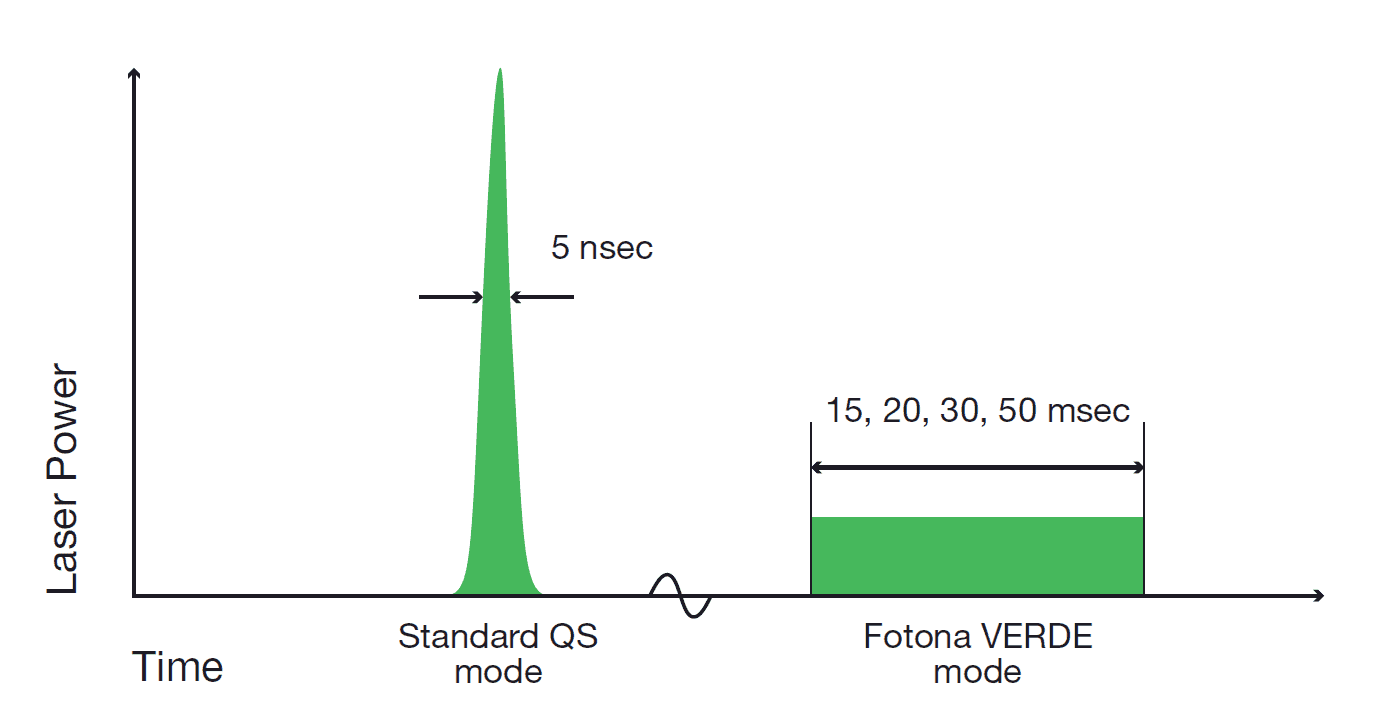
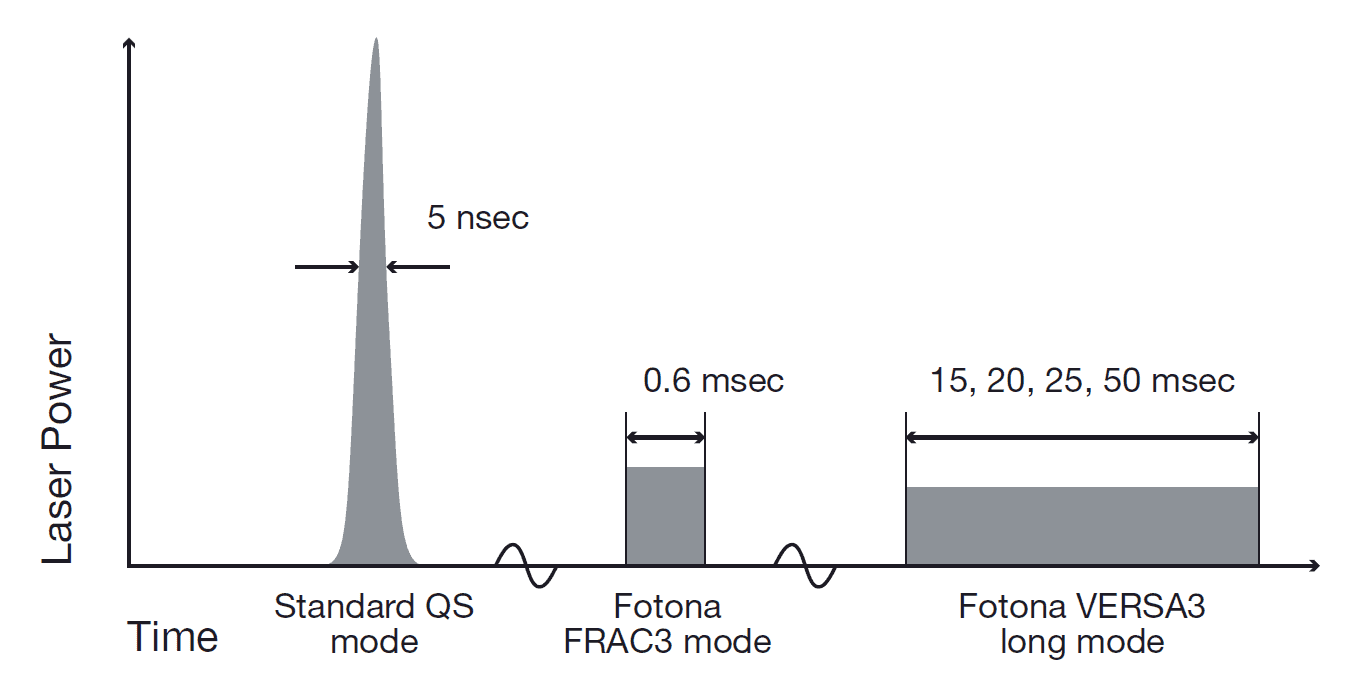
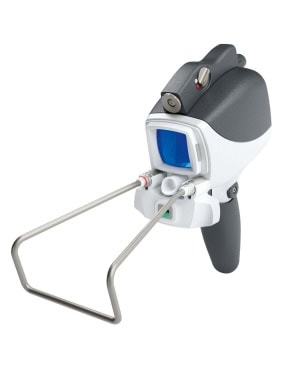
NightLase uses a 2940 nm Er:YAG laser in a setting called SMOOTH mode.
Put simply, the laser sends controlled pulses of heat into the soft tissue.
It sparks your body to make more collagen. That extra collagen pulls the tissue tighter as it heals.
When the roof of your mouth gets firmer, it doesn’t flap around as much while you breathe in your sleep, which cuts down on snoring. Just keep in mind that tightening this one spot won’t clear up other blockages deeper in your airway.
Who May Benefit from NightLase?
NightLase may suit adults whose snoring mainly comes from vibrations in the soft palate and nearby tissues.You might look into this if simple lifestyle changes haven’t worked and you don’t want surgery or a nighttime mouthpiece.
That said, it won’t help much if your snoring comes from a stuffed-up nose, swollen tonsils, or physical blocks in your throat.
A doctor needs to check your mouth and throat, look over your health history, and decide if you need further testing.
What Happens During NightLase Treatment?
First you have to make an appointment with a practitioner and discuss your
symptoms and suitability of laser treatment.During the procedure, they’ll aim a light laser at the back of your mouth. There’s no cutting involved, though you might feel a warm sensation or a bit of mild discomfort while it’s happening.
Fotona UK describes a typical course of three treatment sessions over approximately six weeks. Your practitioner should explain the proposed schedule beforehand.
Because NightLase is non-ablative, meaning it doesn’t deliberately remove tissue, recovery is generally less disruptive than after conventional throat surgery.
Does NightLase Really Reduce Snoring?
Research suggests NightLase may reduce snoring in suitable patients.
A randomised controlled trial published in the European Archives of Oto-Rhino-Laryngology studied 40 adults receiving either NightLase or a sham treatment. Snoring scores improved in the laser group compared with the control group.
A 2025 research review showed great potential for Er:YAG laser treatment. Still, scientists think that they need stronger, longer-term studies before drawing firm conclusions. It looks hopeful, but results can vary from person to person.
NightLase vs Other Non-Surgical Treatments
NightLase isn’t the only option for reducing snoring.
NH recommends steps including side-sleeping, managing your weight, using less alcohol, and quitting smoking. If your snoring stems from a clogged nose, simple nasal strips or sprays might do the trick. A mandibular advancement device, which holds the lower jaw forward during sleep, may help in suitable cases.NightLase takes a different approach by treating soft tissue directly.
Importantly, if snoring is linked to obstructive sleep apnoea, established treatments such as CPAP may be needed. NightLase shouldn’t be used as a substitute for appropriate sleep apnoea care.
Is NightLase Safe?
NightLase is a non surgical process, but it isn’t completely risk-free.
Temporary throat soreness, dryness, irritation or discomfort may occur. Incorrect laser delivery can also cause unwanted tissue injury.Published studies generally report good tolerability, but smaller trials cannot rule out uncommon complications.
Treatment should only be carried out by an appropriately trained practitioner after suitable assessment.If you regularly wake up choking, your breathing stops during sleep, or you feel unusually sleepy during the day, speak to your GP before considering laser treatment.
How Long Do NightLase Results Last?
NightLase results aren’t necessarily permanent.The treated tissues may gradually change again, while weight, ageing, sleeping position and other factors can continue affecting snoring.
Some patients may benefit from extra treatment, but their ongoing maintenance needs can differ.Rather than making a judgment after just one night without snoring, watch how the frequency of your snoring changes and consider what your partner has been noticing over time.
Final Thoughts
You can often reduce snoring without surgery, but what works best really depends on the cause.Fotona NightLase can be a non-invasive choice for certain patients, especially when snoring comes from vibration in the soft palate.
If you’re thinking about going ahead with treatment, have a look at [Fotona UK’s NightLase information](https://fotonauk.co.uk/treatments/nightlase/) and talk to a qualified practitioner about your suitability, the potential risks, and the results you can realistically expect.
Frequently Asked Questions
Can NightLase stop snoring completely?
NightLase can lessen snoring for many people, though it won’t fully stop it for everyone. How well it works depends on what’s causing your snoring, the shape of your throat, and how your body responds. Some patients only notice a minor difference.
Is NightLase painful?
Most patients tolerate NightLase reasonably well. You may feel warmth or mild discomfort while the laser treats the soft tissue. A published randomised trial reported that local anaesthetic wasn’t required, although individual experiences can differ.
Can NightLase treat sleep apnoea?
NightLase shouldn’t be used as a substitute for true sleep apnea care. With sleep apnea, your breathing may briefly stop during the night, so a doctor should review your situation. Common treatments typically include using a CPAP machine, trying a specific mouthpiece, or making some health and lifestyle changes.
How many NightLase sessions are needed?
Fotona UK describes a typical treatment course involving three sessions over approximately six weeks. The actual number may vary depending on clinical assessment and treatment response. Your practitioner should explain the recommended programme before starting.
Can snoring return after NightLase?
Yes, it can happen again, because the treatment may not permanently eliminate every cause of snoring. As you get older, and with changes in weight, alcohol intake, and ongoing nasal problems, your airway can still be affected. You can ask a practitioner to review your symptoms again and talk through any other options that might help.