

Fotona NightLase® is a non-invasive Er:YAG laser treatment designed to reduce snoring by gently heating and tightening tissues in the mouth and throat. It requires no cutting or general anaesthetic. However, snoring can be a sign of obstructive sleep apnoea, so suspected OSA should be medically assessed before treatment.
NightLase uses Fotona’s 2940 nm Er:YAG laser in SMOOTH® mode to deliver controlled heat to tissues around the soft palate and throat. This encourages collagen contraction and remodelling, helping reduce tissue vibration associated with snoring. Clinical research has shown improvement in primary snoring, but NightLase should not be presented as a replacement for established obstructive sleep apnoea treatments such as CPAP.
What Is Fotona NightLase?
NightLase is a non-surgical laser procedure developed to reduce snoring. Instead of cutting, removing or surgically repositioning tissue, it uses controlled laser energy inside the mouth.
The treatment uses Fotona’s Er:YAG wavelength at 2940 nm in a non-ablative SMOOTH mode. Energy is delivered to areas including the soft palate and tonsillar pillars. The controlled heating causes an immediate collagen contraction response and encourages longer-term collagen remodelling. The aim is to make the treated tissue firmer and less likely to vibrate as air passes through during sleep. That distinction matters. NightLase is not traditional laser surgery and does not involve making incisions in the throat.
Why Do We Snore?
Snoring happens when airflow causes relaxed tissues in the mouth, nose or throat to vibrate during sleep. Weight, sleeping position, alcohol, smoking and individual airway anatomy can all contribute. For many people, snoring is simply disruptive. For others, it can be a warning sign of obstructive sleep apnoea.
The NHS advises seeking medical advice when snoring is accompanied by breathing that stops and starts, choking or gasping during sleep, or significant daytime tiredness. These symptoms should not simply be treated as a cosmetic snoring problem.
Snoring and Sleep Apnoea Are Not the Same Thing
This is perhaps the most important point to understand before considering treatment. Primary snoring can occur without sleep apnoea. Obstructive sleep apnoea/hypopnoea syndrome (OSAHS), however, occurs when the upper airway repeatedly narrows or closes during sleep, reducing or stopping airflow. A sleep study can measure the apnoea–hypopnoea index (AHI), or the average number of apnoeas and hypopnoeas per hour. The NHS describes an AHI of 5–14 as mild, 15–30 as moderate and above 30 as severe. This is why responsible NightLase care begins with proper screening. If OSA is suspected, medical or sleep-service assessment should come before laser treatment.
Does NightLase Actually Work?
There is encouraging clinical evidence for snoring reduction, although results should not be exaggerated.A randomised controlled trial involving 40 adults with primary snoring compared three NightLase sessions with sham treatment. Participants had an AHI below 15 and BMI of 30 or below. Snoring-related scores improved significantly in the NightLase group compared with the sham group, and no complications were reported in the study.
That is useful evidence, but it does not mean every person will stop snoring or that the treatment cures OSA.Patient selection matters greatly. Airway anatomy, weight, nasal obstruction, alcohol use, sleep position and the underlying reason for snoring can all influence the result.
What Happens During a NightLase Treatment?
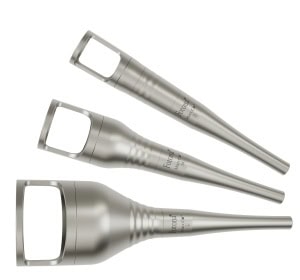
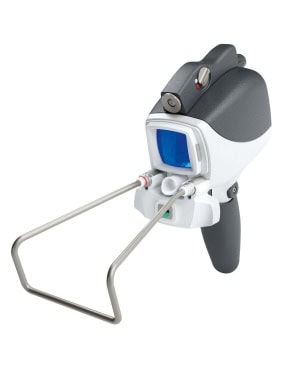
The practitioner delivers laser energy to selected areas inside the mouth using a specialised handpiece. Patients generally feel warmth as the tissue is treated. There are no surgical cuts or stitches. The randomised trial reported that local anaesthetic was not required, although individual comfort naturally varies. NightLase is normally delivered as a course rather than a single appointment. Fotona protocols commonly involve three treatment sessions, although the exact programme should be decided after assessment. Because there is no surgical wound, patients can generally return to everyday activities quickly.
Who May Be Suitable for NightLase?
NightLase may be considered for adults whose snoring is linked to vibration and laxity of soft tissues around the oropharyngeal area. A good consultation should go beyond asking, “Do you snore?” The practitioner needs to consider medical history, airway symptoms, oral anatomy, weight, medications and whether anyone has witnessed pauses in breathing.
People experiencing significant daytime sleepiness, waking headaches, choking at night or witnessed apnoeas need appropriate medical assessment for OSA. NICE recommends assessing for OSAHS when people have combinations of symptoms such as snoring, witnessed apnoeas, unrefreshing sleep, daytime sleepiness and choking during sleep.
NightLase vs CPAP: An Important Difference
NightLase and CPAP should not be presented as interchangeable treatments. CPAP uses positive airway pressure to prevent the airway from narrowing during sleep. NICE recommends fixed-level CPAP alongside lifestyle advice for moderate or severe OSAHS and also recommends it in certain symptomatic mild cases.
For people unable to tolerate or unwilling to try CPAP, a customised or semi-customised mandibular advancement splint may be considered in suitable cases. NightLase therefore fits most clearly into the conversation around snoring and carefully selected sleep-disordered breathing patients. Anyone diagnosed with OSA should discuss treatment decisions with an appropriately trained sleep specialist.
How Long Do NightLase Results Last?
NightLase is not necessarily a permanent treatment. Collagen changes can improve tissue firmness, but ageing and other factors affecting snoring continue. Some patients may therefore need maintenance treatment. Weight gain, alcohol intake, smoking, nasal problems and sleeping position can also affect snoring independently of throat tissue.The NHS recommends measures such as losing weight when overweight, sleeping on your side, avoiding excessive alcohol and not smoking as practical ways of reducing snoring. Combining appropriate treatment with these changes can make more sense than relying on laser therapy alone.
Fotona Services
Fotona technology extends well beyond NightLase. Depending on the laser platform, clinical indication and practitioner training, Fotona systems can also support Fotona4D® facial rejuvenation, SmoothEye®, LipLase®, TightSculpting®, skin resurfacing, scar treatment, vascular procedures, hair reduction and HAIRestart®. For clinics, this multi-application approach means one Fotona platform can support several patient pathways rather than being limited to a single treatment.
Is NightLase Worth Considering?
For someone with troublesome primary snoring who wants a non-surgical approach, NightLase may be worth discussing with an appropriately trained practitioner. Its appeal is straightforward: no cutting, no general anaesthetic and little disruption to everyday life. Published research also provides encouraging evidence for reducing primary snoring. But the first question should never simply be, “Can a laser stop my snoring?” It should be, “Why am I snoring?” Once that is understood, the right treatment becomes much easier to choose.
Frequently Asked Questions
Does Fotona NightLase really stop snoring?
NightLase has been shown to reduce snoring in clinical research, but it cannot guarantee complete elimination. Results depend on the cause of the snoring and individual anatomy.
Can NightLase cure sleep apnoea?
It should not be promoted as a cure for OSA. Suspected sleep apnoea requires proper assessment, and established treatments include CPAP, lifestyle measures and mandibular advancement devices in suitable patients.
Is NightLase painful?
Most patients experience warmth rather than significant pain. In a randomised trial, treatment was well tolerated and did not require local anaesthetic.
How many NightLase sessions do you need?
A typical Fotona protocol involves a course of three sessions. The exact treatment plan and any maintenance sessions should be based on individual assessment.
Is there downtime after NightLase?
NightLase is non-ablative and does not involve surgical incisions. Downtime is therefore generally minimal, although patients should follow the aftercare instructions provided by their practitioner.