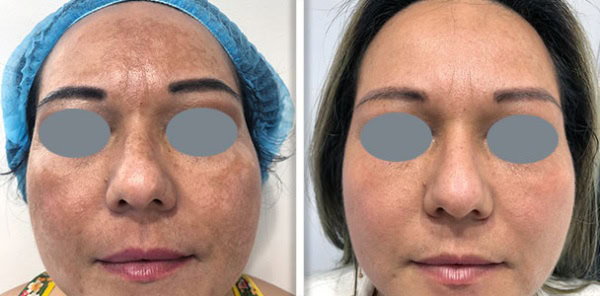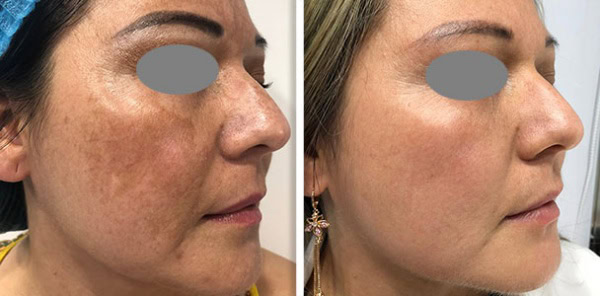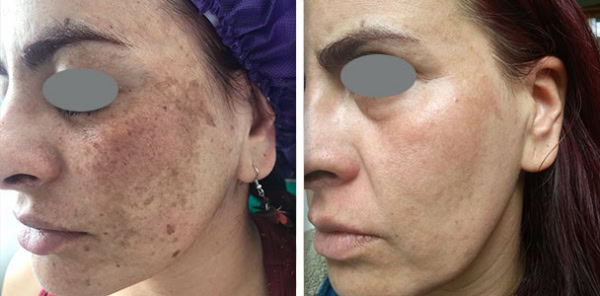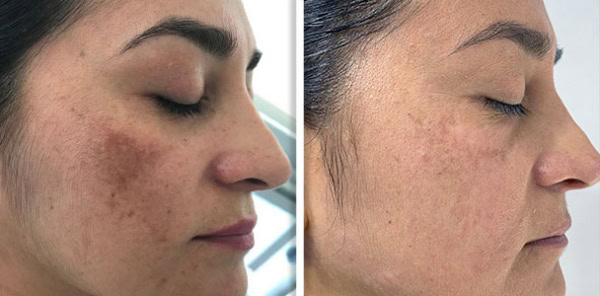



Both Cynosure and Fotona offer medical aesthetic laser technologies, but their clinic models are different. Fotona’s flagship platforms combine Nd:YAG with Er:YAG to treat different tissue layers. Cynosure, on the other hand, offers a wide range of platforms that are specialised for hair removal and pigmentation.
Choose Fotona if your priority is building a broad treatment menu around one dual-wavelength platform, particularly skin rejuvenation, resurfacing, tightening and combined protocols. Consider Cynosure when your clinic wants a system highly focused on a particular category, such as high-volume laser hair removal or picosecond tattoo and pigment treatment. Neither brand is automatically better. The stronger investment is the machine your clinic can keep busy.
Fotona vs Cynosure: The Main Difference
The first thing to understand is that this is not a like-for-like comparison. Fotona’s SP Dynamis family is built around complementary “2940 nm Er:YAG and 1064 nm Nd:YAG wavelengths”. Er:YAG is strongly absorbed by water and is particularly useful for precise superficial and resurfacing procedures. Nd:YAG penetrates more deeply and provides thermal effects without ablating the skin surface.
Cynosure Lutronic takes a broader device-portfolio approach. Its current range includes Clarity II for hair removal, DermaV for vascular and pigment concerns, eCO2 3D for fractional CO2 resurfacing, Elite iQ Pro as a dual-wavelength aesthetic platform and PicoSure for pigmentation, skin revitalisation and tattoo removal. So, before comparing brands, decide whether you want “one highly versatile platform or specialist equipment built around particular treatment categories”.
Where Fotona Stands Out
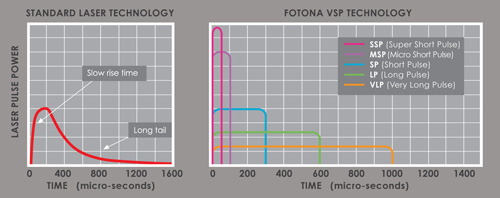
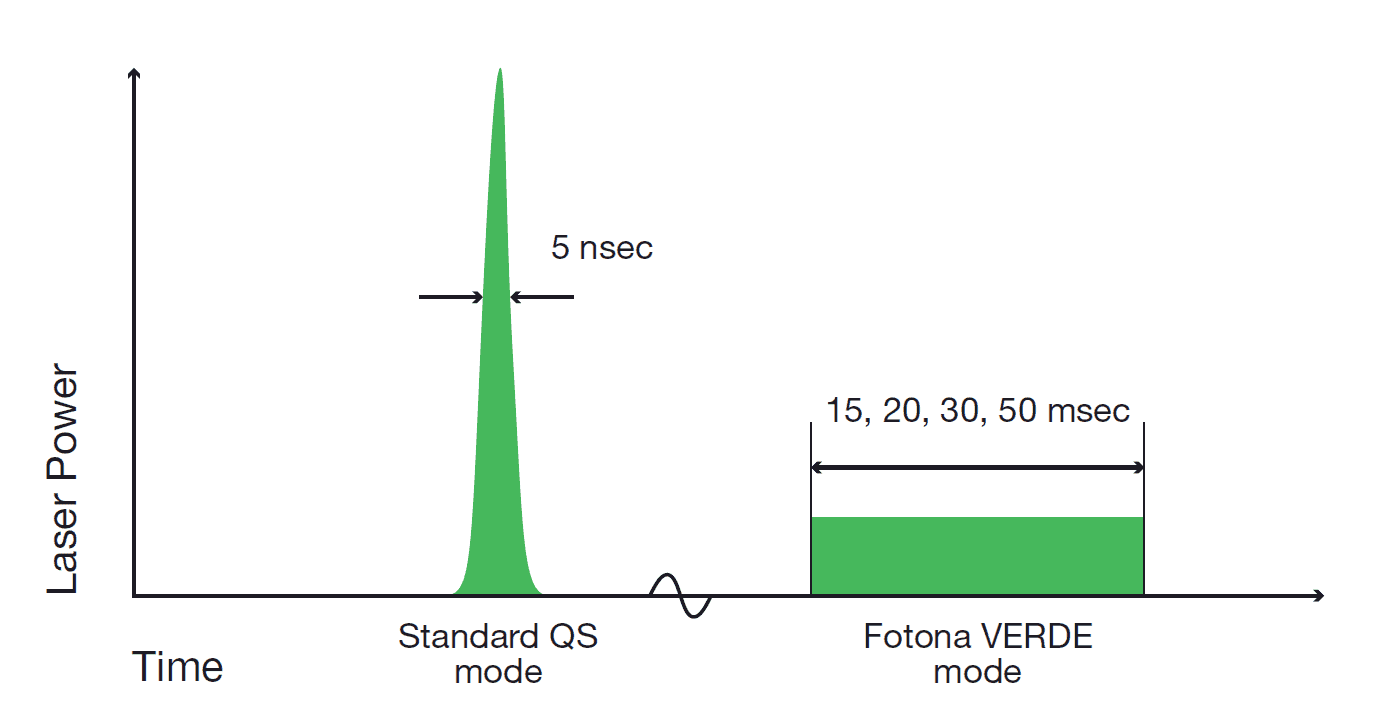
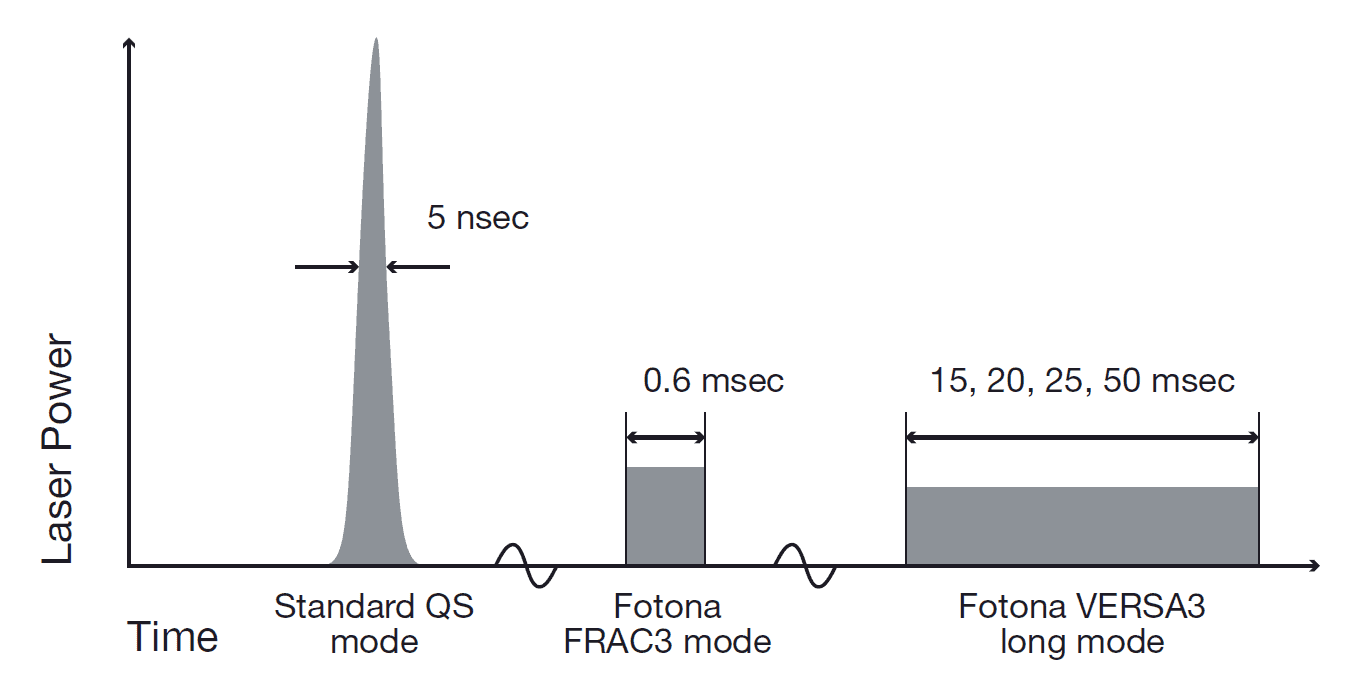
Fotona’s biggest strength is the way Er:YAG and Nd:YAG can be used separately or together. The Er:YAG side can perform ablative, fractional and non-ablative treatments. Fotona’s VSP technology allows practitioners to alter pulse duration and control the balance between ablation and thermal effects. Its Nd:YAG system adds deeper heating through modes such as FRAC3® and PIANO®.
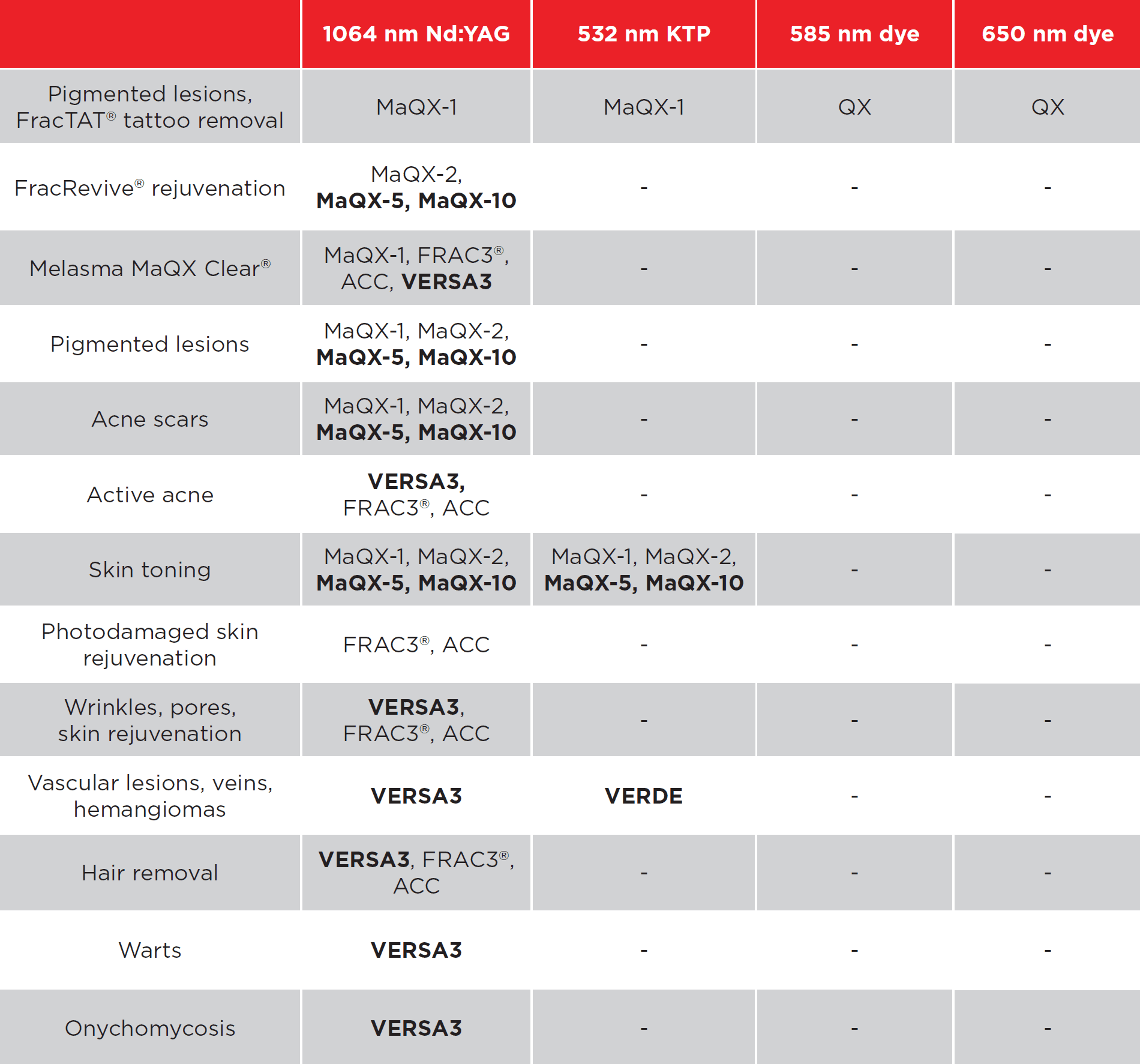
For a clinic, that creates a broad menu. Applications can include resurfacing, acne and acne-scar treatment, vascular lesions, hair reduction, wrinkles, pigmentation and other aesthetic procedures depending on the platform configuration and practitioner competence. Fotona is especially attractive when facial rejuvenation is central to the clinic’s identity because several branded protocols can be built around the same laser technology.
Where Cynosure Stands Out
Cynosure has considerable strength when a clinic wants to choose technology around a particular high-demand service. For example, Clarity II combines “755 nm Alexandrite and 1064 nm Nd:YAG” wavelengths. Cynosure positions 755 nm for lighter Fitzpatrick skin types and finer hairs, while 1064 nm provides an option for darker skin types and deeper, coarser hair. Its IntelliTrak system is designed to maintain treatment overlap and improve speed during hair removal.
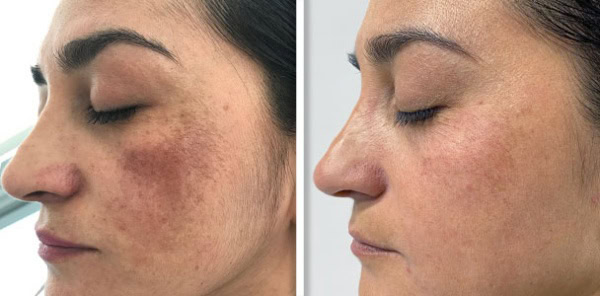
PicoSure takes a very different approach. Its picosecond technology is aimed particularly at unwanted pigment, skin revitalisation and tattoo removal. The current PicoSure platform offers 532, 755 and 1064 nm options, allowing different tattoo colours and pigment targets to be addressed.This specialist portfolio can be valuable for clinics where hair removal, tattoo removal or pigmentation represents a large share of revenue.
Which Is Better for Skin Rejuvenation?
For a clinic wanting layered facial rejuvenation, Fotona has a strong proposition. Er:YAG can work on surface texture while Nd:YAG creates deeper thermal effects. This makes it possible to address several levels of tissue within one treatment strategy rather than treating every ageing concern in isolation.That is the thinking behind protocols such as Fotona4D®.
Cynosure, however, offers different routes to rejuvenation through dedicated technologies. Its range includes fractional CO2, picosecond laser, radiofrequency and other energy-based systems. The choice therefore comes down to clinic philosophy: “multi-depth laser treatments from one core platform versus a portfolio of more specialised technologies.”
Which Is Better for Laser Hair Removal?
This is where clinics should compare individual machines rather than logos. Fotona’s 1064 nm Nd:YAG can be used for hair reduction and offers the advantages associated with deep Nd:YAG delivery.
Cynosure’s Clarity II, by comparison, is designed specifically around high-volume hair removal. Its 755/1064 nm combination allows practitioners to select wavelengths according to hair and skin characteristics, while large spot sizes, higher repetition rates and integrated cryogen cooling are intended to support fast workflows. For a dedicated hair-removal business, that specialisation deserves serious consideration. For a clinic where hair removal is only one part of a much broader treatment menu, Fotona’s versatility may carry greater value.
What About Tattoo and Pigment Removal?
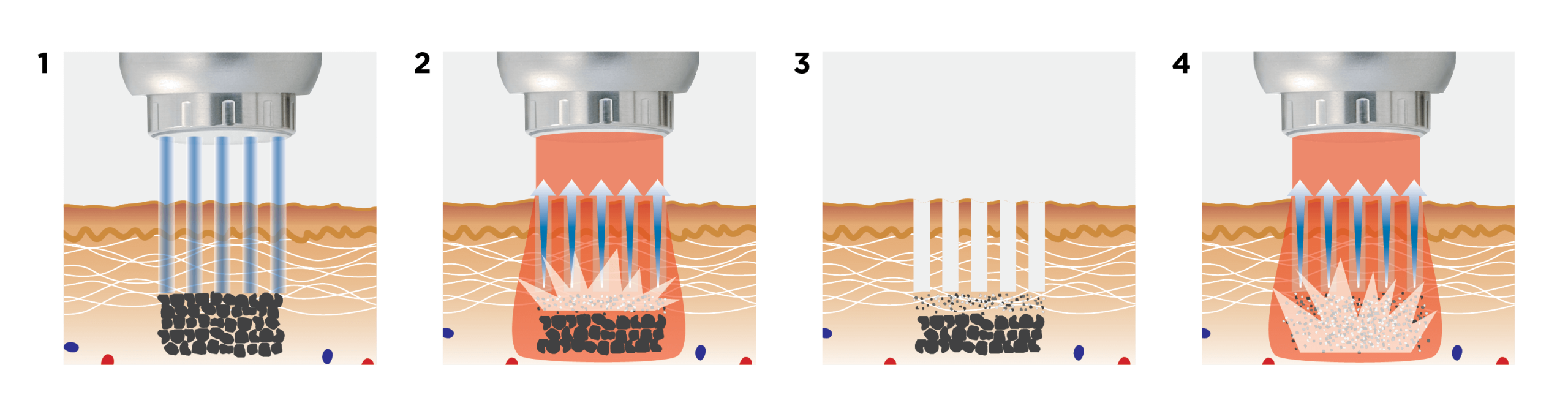
A clinic with significant tattoo-removal demand should look carefully at Cynosure’s PicoSure range.Picosecond pulses create a strong photoacoustic effect with limited thermal exposure. PicoSure’s 755 nm wavelength targets colours including black, blue and green, while additional wavelengths broaden the range of tattoo colours that can be treated.
Fotona’s Dynamis platforms are not positioned primarily as dedicated picosecond tattoo-removal systems. If tattoo removal is a core revenue stream, compare a specialist Fotona StarWalker platform rather than SP Dynamis when making a fair brand-level comparison.
Which Offers Better ROI?
There is no meaningful universal ROI winner. Imagine Clinic A performs 30 hair-removal appointments every day. A fast specialist hair platform could be far more valuable than a machine offering numerous treatments the team rarely performs. Clinic B may see patients for ageing, scars, vascular concerns, tightening and resurfacing. A multi-application Fotona platform could keep one machine productive across a much wider diary. Before purchasing, calculate monthly finance, servicing, consumables, practitioner time and marketing. Then estimate bookings using conservative figures. “Utilisation beats specification.” A £100,000 machine running five days per week may be a better investment than a cheaper system sitting unused.
The Buying Factors Most Comparisons Miss
Do not stop at wavelength and purchase price. Ask both suppliers about warranty length, engineer response time, replacement parts, software updates, handpiece costs, consumables and ongoing clinical education. Treatment-room space matters too. Several specialist devices may provide excellent individual treatments but require more floor space, separate finance agreements and additional staff training.
Also consider what happens when the machine fails. A multi-treatment platform can simplify equipment ownership, but one breakdown could temporarily stop several revenue streams.These practical details often have a greater effect on profit than small differences in technical specifications.
Fotona Services
Fotona platforms can support a wide range of clinic services, including Fotona4D® facial rejuvenation, SmoothEye®, LipLase®, TightSculpting®, NightLase®, hair reduction, vascular treatments, skin resurfacing, acne and scar procedures. Its Er:YAG and Nd:YAG combination lets trained practitioners work at different tissue depths, which can help clinics build several patient journeys around one central laser investment.
Fotona or Cynosure: Which Should Your Clinic Choose?
Choose according to your diary, not brand popularity. Fotona makes particular sense for clinics wanting a versatile dual-wavelength platform and a strong focus on multi-level skin and facial rejuvenation. Cynosure deserves close attention when a clinic wants specialist platforms for services such as high-throughput hair removal, tattoo removal, pigmentation or dedicated resurfacing. Before signing anything, arrange demonstrations with your own typical patient profiles, compare real treatment times and calculate total ownership costs. That will tell you far more than a brochure.
Frequently Asked Questions
Is Fotona better than Cynosure?
Neither is universally better. Fotona is particularly strong in multi-application ER/ND treatments, while Cynosure offers several highly specialised aesthetic platforms.
Which is better for hair removal?
Cynosure Clarity II is purpose-built around 755 nm Alexandrite and 1064 nm Nd hair removal. Fotona Nd also supports hair reduction, but Fotona platforms may appeal more to clinics wanting broader treatment versatility.
Which brand is better for skin resurfacing?
Fotona offers precise ER resurfacing, while Cynosure offers technologies including fractional CO2. The right choice depends on treatment depth, downtime and your patient population.
Which is better for tattoo removal?
Cynosure PicoSure is specifically designed for pigment and tattoo removal. Fotona clinics wanting a closer comparison should evaluate StarWalker rather than SP Dynamis.
What should I check before buying an aesthetic laser?
Compare clinical applications, patient demand, training, treatment speed, warranty, servicing, consumables, finance costs and realistic monthly utilisation before choosing any platform.