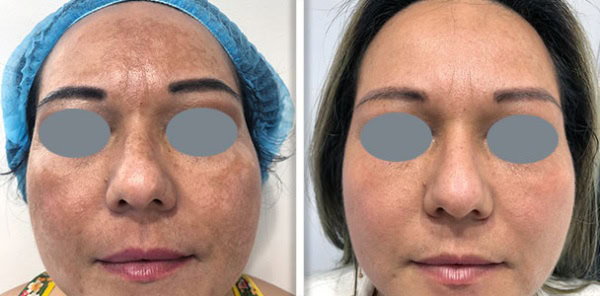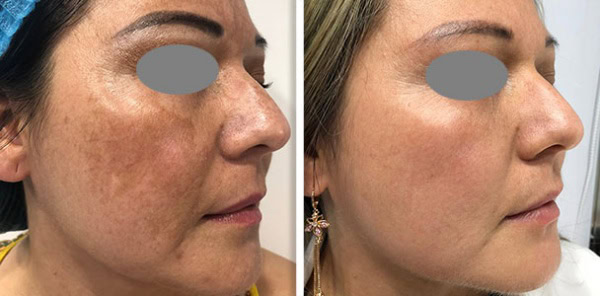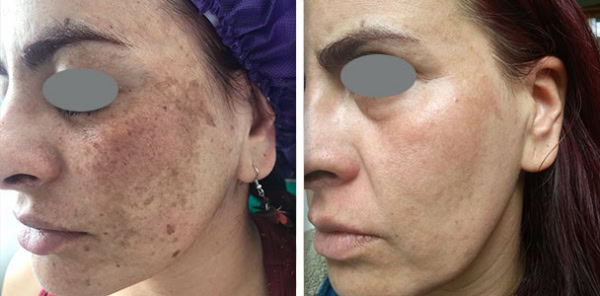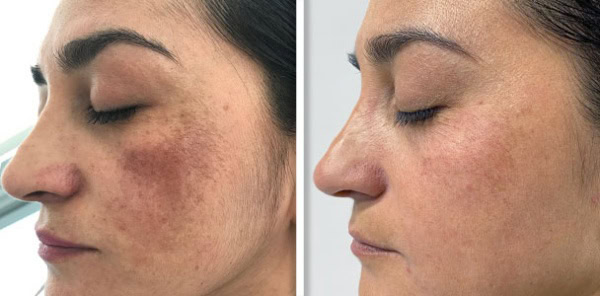


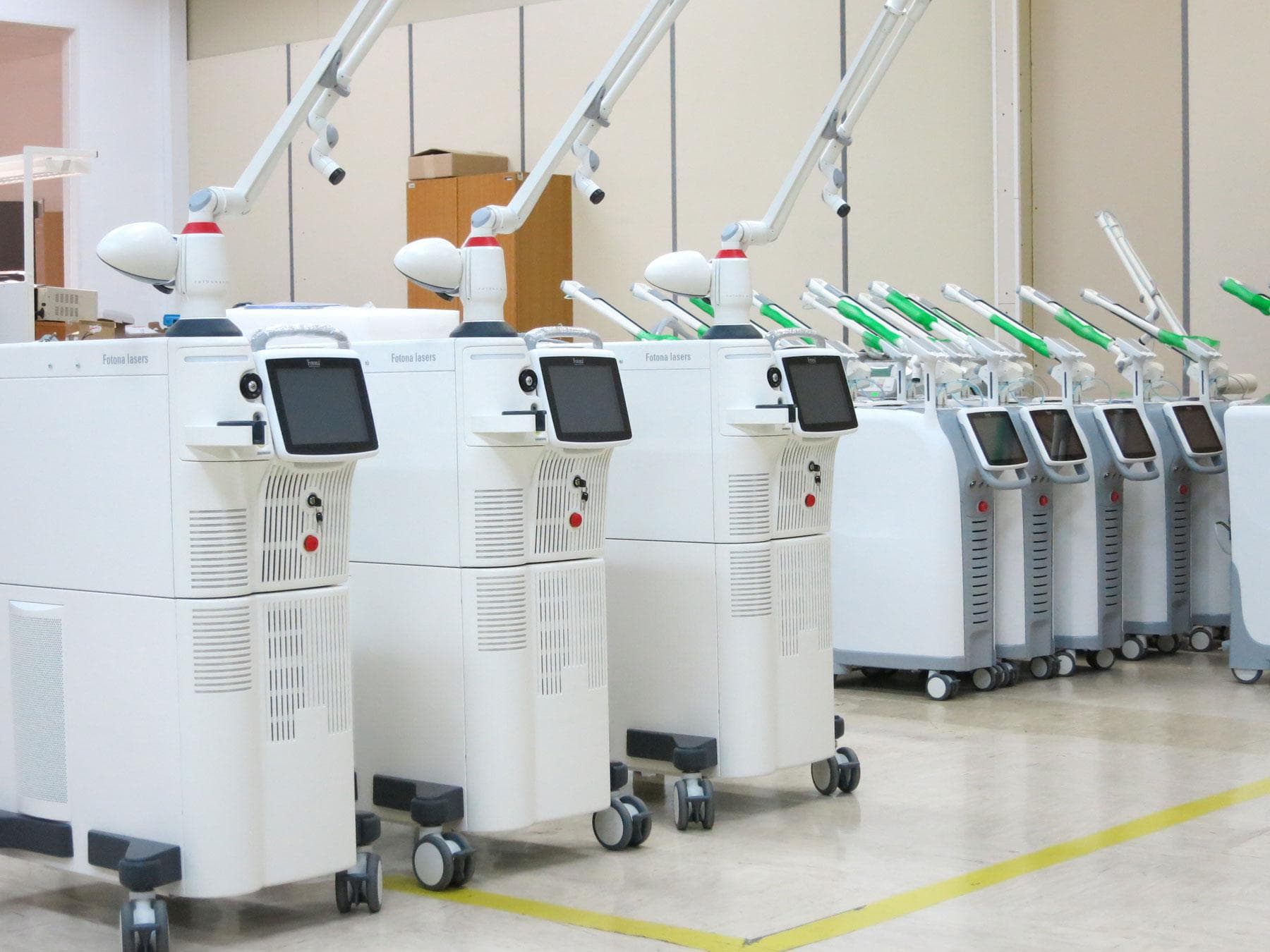
Small aesthetic clinics often face a difficult equipment decision. Patients expect a wide choice of advanced treatments, but buying a separate machine for every concern can quickly become expensive. It also takes up valuable treatment-room space and increases training, servicing and insurance requirements. A multi-treatment platform can provide a more practical solution. Instead of purchasing multiple machines with a single purpose, a hospital can use one system that delivers different treatments via multiple wavelengths and handpieces. It also has pulse modes, energy settings, or other options.
These platforms can help small clinics offer services such as skin tightening, resurfacing, pigmentation treatment, vascular work, hair reduction, scar revision and body contouring. However, more treatment options do not automatically guarantee a better investment. The platform must suit the clinic’s patients, staff skills and business plan. A multi-treatment platform allows a small clinic to provide several services from one core machine. It may reduce equipment clutter, protect treatment-room space and create more revenue opportunities.
The main risks are high finance commitments, underuse, complex training and relying too heavily on one machine. The best platform is not the one with the longest treatment list. It is the one that supports the services your clinic can safely deliver and regularly sell. Before buying, compare treatment demand, total costs, servicing, downtime support, training, UK compliance and the number of monthly appointments needed to cover the investment.
What Is a Multi-Treatment Aesthetic Platform?
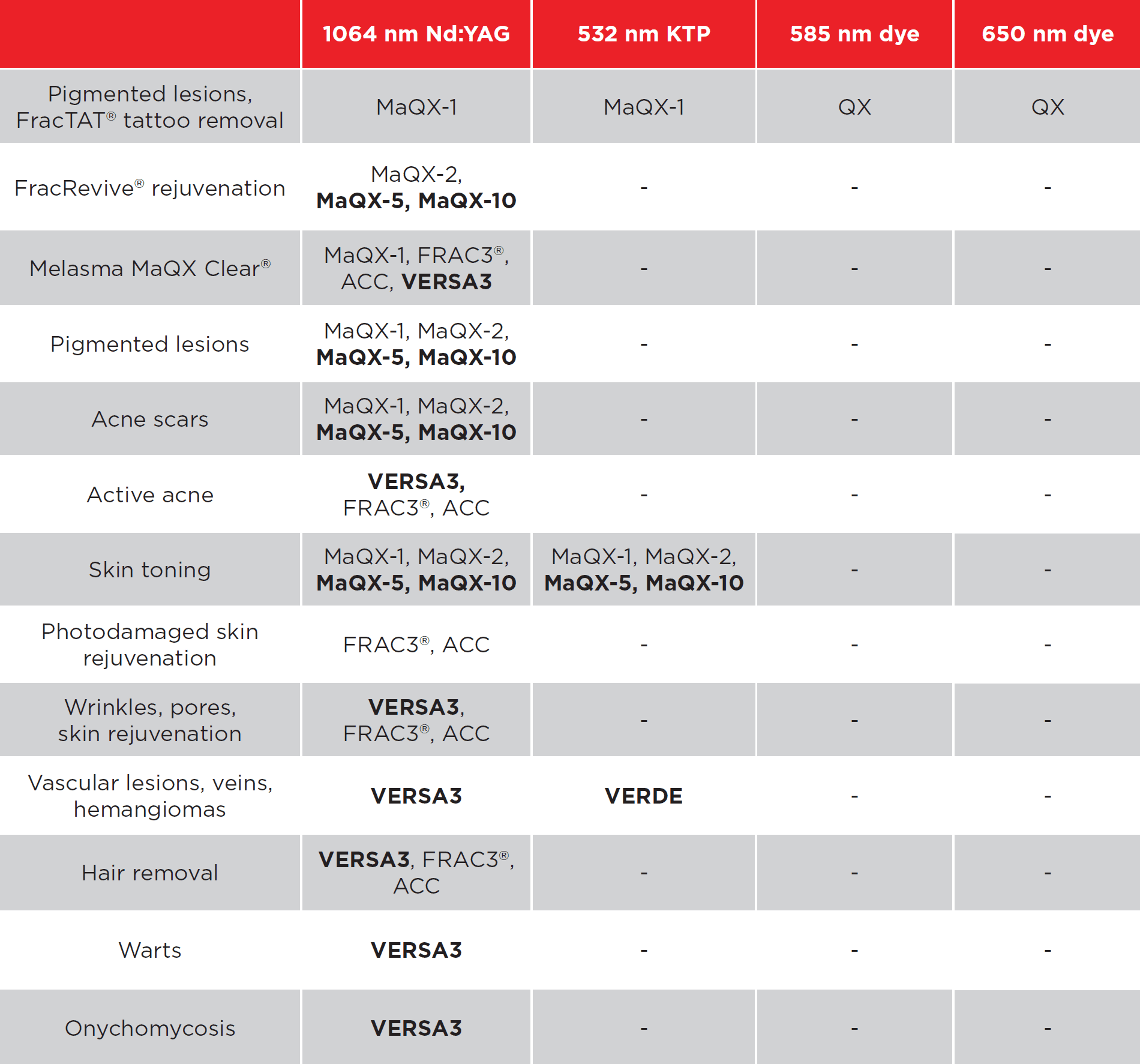
A multi-treatment platform is a professional device designed to treat more than one aesthetic concern. It may combine different technologies in a single unit or use one technology in several ways. For example, a laser platform may use two wavelengths. One wavelength may target deeper tissue for tightening, hair reduction or vascular treatments, while another may treat the skin surface for resurfacing, texture or scars. Other systems combine radiofrequency, ultrasound, IPL, vacuum or muscle-stimulation technologies through separate applicators. The exact treatment range depends on the device, its approved uses and the practitioner’s training. This flexibility can be particularly valuable for a small clinic that cannot dedicate a separate room or large budget to every treatment category.
Why Small Clinics Consider Multi-Application Systems
Better Use of Limited Space
Space is one of the biggest challenges for small clinics. Several large devices can make a treatment room feel crowded and reduce flexibility. A well-chosen multi-platform system can replace the need for multiple single-purpose units. This may leave more room for patient movement, storage and other services. However, clinics should check the machine’s real dimensions, ventilation needs, electrical requirements and handpiece storage before purchasing. A platform may be described as compact but still require a large trolley or several accessories.
More Services from One Investment
A broader treatment menu can help a clinic reach different patient groups. One patient may need skin resurfacing, another may ask about facial redness, and another may want non-surgical tightening. Offering several treatments through one platform may improve machine utilisation. It can also support longer patient journeys. Someone who first books for pigmentation may later return for tightening or maintenance treatments. This is where multi-platform systems can create commercial value. They offer more ways to keep the device in use throughout the week instead of relying on demand for one treatment.
Easier Entry into Advanced Treatments
A small clinic may not be ready to buy three or four premium machines. A multi-treatment platform can provide a more manageable route into laser-led services. Some suppliers provide leasing and hire-purchase programs, which allow clinics to spread out the costs. This is a good way to protect your working capital but also creates an obligation for a set amount each month. It is better to base the decision on conservative revenue projections than on best-case scenarios.
How to Measure Real Clinic Value
Calculate Monthly Break-Even
- Start with the total monthly equipment cost. Include lease or finance payments, servicing, insurance, consumables, staff time and marketing.
- Next, calculate the average contribution from each treatment after direct costs. Dividing the monthly cost by this contribution gives a basic break-even appointment target.
- For example, if the platform costs £2,400 per month and each session contributes £300 after direct costs, the clinic needs eight treatments just to cover the equipment-related amount. Rent, general wages and other business costs still need to be considered.
- This calculation should use realistic bookings, not a completely full diary.
Consider Treatment Speed
- A treatment may be profitable per session but less valuable if it takes too long. Appointment length affects how many patients can be seen each day.
- Compare treatment time, preparation, cleaning, photography, consultation and aftercare. A faster system may provide better earning potential even if its purchase price is higher.
Check Consumables and Hidden Costs
- Some platforms require disposable tips, cartridges, gels, cooling supplies or replacement applicators. These costs may reduce the treatment margins.
- Ask for a full list of ongoing expenses. Clinics should also check whether software updates, annual servicing or calibration are charged separately.
Training Is More Important Than Treatment Quantity
A multi-treatment machine may be more complex than a single-purpose device. Practitioners need to understand wavelength, energy delivery, tissue response, contraindications, skin typing and aftercare. Basic manufacturer training may teach standard settings but it does not necessarily provide the depth of clinical knowledge needed for complex cases.Small clinics should consider who will perform the treatments, what qualifications they hold and whether the business can cope if that practitioner leaves. Cross-training suitable team members may reduce reliance on one person, although every practitioner must remain within their competence and professional scope.
Safety, Regulation and Local Requirements
Laser and IPL systems can cause burns, pigment changes, eye injury or scarring when used incorrectly. Clinics must have eye protection, a controlled treatment area, safety procedures, and equipment that is regularly maintained. In England, purely cosmetic laser and IPL services are not automatically regulated by the Care Quality Commission. However, some local councils require registration or licensing, so clinics should check local rules before opening or adding a new service.
The regulatory position also depends on the treatment, practitioner and claims being made. Clinics should confirm that the device has been lawfully supplied for the UK market and review its intended use rather than relying only on sales language.
The Risk of Relying on One Platform
Using one system for several treatments can save money, but it creates operational risk. If the machine breaks down, multiple services may stop at once. Before buying, ask how quickly an engineer can attend, whether replacement parts are held in the UK and whether a temporary machine is available. A strong service contract can be more valuable than a slightly lower purchase price. Patient cancellations caused by prolonged downtime can damage both revenue and reputation.
Fotona Services
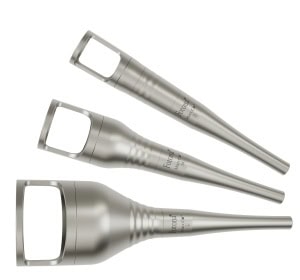
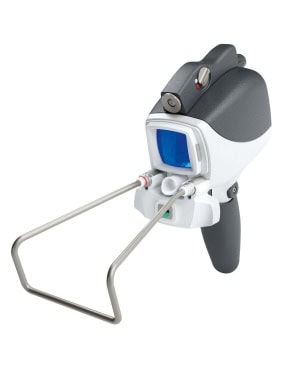
Fotona offers multi-application laser platforms that combine complementary Er and Nd wavelengths. Depending on the system and practitioner training, clinics may provide Fotona4D facial rejuvenation, SmoothEye, LipLase, TightSculpting, skin resurfacing, scar revision, vascular treatment, hair reduction and NightLase. This broad treatment range can help a smaller clinic create face, body and wellness pathways around one central platform. Clinics should still compare local demand, system cost, training and servicing before choosing a Fotona device.
How to Choose the Right Platform
Begin with your current patients rather than the machine brochure. Review the concerns patients already ask about and the treatments that are being referred elsewhere. Check whether the platform supports those services with credible evidence and clear treatment protocols. Ask for demonstrations, speak with existing clinic owners and request realistic treatment-time and cost information. The right system should fit your clinic size, team and long-term direction. It should not force the business to build an entirely new identity simply to justify the finance agreement.
Final Thoughts
Multi-treatment platforms can be a smart investment for small clinics because they save space, widen the treatment menu and create several possible revenue streams. Their success depends on utilisation. A versatile machine that remains unused is more expensive than a simple device that stays fully booked.
Choose a platform based on realistic patient demand, practitioner skill, treatment quality, total ownership cost and supplier support. When these factors are properly assessed, one carefully selected system can become the foundation of a profitable and trusted aesthetic clinic.
Frequently Asked Questions
Are multi-treatment platforms suitable for new clinics?
They can be, especially when space and capital are limited. New clinics should avoid long finance commitments unless they have realistic demand and a clear marketing plan.
Is one multi-platform machine better than several separate devices?
You may be able to save space, and simplify maintenance. Separate specialist equipment may be more efficient at performing individual treatments, so the best option depends on your clinic’s focus.
Which treatments should a small clinic introduce first?
Start with treatments that match current patient demand, staff competence and local pricing. Skin rejuvenation, tightening, pigmentation and hair reduction are common categories, but demand varies by location.
How long does it take to recover the equipment cost?
This depends on the machine price, treatment margin and booking volume. Clinics should calculate break-even using conservative monthly figures.
What happens if the machine breaks down?
Several services may be affected at once. Clinics should choose a supplier offering reliable servicing, UK-based parts and clear engineer response times.
Can clinics lease multi-treatment equipment?
Yes. Leasing or hire purchase can spread the cost, but clinics should compare the total payable, ownership terms, maintenance and early-exit charges.
Do laser clinics need special safety procedures?
Yes. Appropriate training, eye protection, controlled treatment areas, risk assessments, maintenance and local safety procedures are essential.