

Hair loss is one of the most common concerns seen in aesthetic, dermatology and hair-restoration clinics. It can affect men and women at any age, often influencing confidence, appearance and emotional wellbeing.Professional hair regrowth laser systems offer clinics a non-surgical way to support patients with thinning hair. These technologies use controlled light or lasers to stimulate scalp and hair follicle activity. These technologies are usually part of a larger treatment program that may include prescription medications, topical treatments or platelet-rich plasmados, or nutritional support.
However, not every hair-loss condition responds in the same way. A clinic must understand the cause of hair loss before recommending laser treatment. The right system should also be chosen according to clinical evidence, treatment speed, patient comfort, training and long-term business value.
Professional hair regrowth systems normally use low-level laser therapy, LED light or controlled medical laser energy to support weakened but still active hair follicles. They are most commonly used for androgenetic alopecia, also known as male or female pattern hair loss.
Treatment is non-invasive and usually involves little or no downtime, but results take time. Patients generally need a course of sessions followed by maintenance. Laser treatment cannot reliably restore hair where follicles are permanently destroyed or where the scalp is completely bald and smooth.For clinics, the best system is one that offers reliable energy delivery, good scalp coverage, strong clinical support and realistic treatment flexibility.
How Do Hair Regrowth Lasers Work?
The hair follicles go through a natural cycle of growth. The active growth phase is called the anagen stage. This is followed by a phase of transition and finally a phase of resting or shedding. Follicles become smaller over time in pattern hair loss. This process is known as miniaturisation and produces finer, shorter, less visible hairs. Over time, the scalp may appear increasingly thin.
Low-level light and laser therapies use non-thermal or gently warming energy to influence cellular activity around the follicle. The exact biological process is still being studied, but research suggests that light may support cellular energy production, blood flow, signalling molecules and the transition of follicles into the active growth phase. The aim is not to create completely new follicles. Instead, treatment tries to improve the activity of follicles that are still present but producing weak or miniaturised hair.
Main Types of Hair Regrowth Systems
Low-Level Laser Therapy Systems
Low-level laser therapy, often shortened to LLLT, is one of the best-known light-based approaches for hair thinning. Systems may use red or near-infrared wavelengths delivered through a clinic hood, panel, helmet or cap. These devices are designed to expose a wide area of the scalp to controlled light without causing ablative damage. Treatments are generally comfortable, and patients can usually return to normal activities straight away.
Professional systems may offer more consistent coverage and energy delivery than basic home-use devices. However, clinics should avoid judging a system only by the number of laser diodes. Wavelength, energy density, treatment time and even scalp coverage are equally important.
LED Hair-Growth Systems
LED systems use light-emitting diodes rather than laser diodes. They can cover large areas and may be less expensive to purchase. Some devices combine different wavelengths to support scalp health and follicular activity.
LED light is less focused than laser light, but that does not automatically make it ineffective. The quality of the system, treatment protocol and patient selection are more important than using the word “laser” as a marketing label. Clinics should check whether the manufacturer can provide credible evidence for the exact device and intended application.
Medical Laser Scalp-Stimulation Systems
Some professional platforms use controlled medical laser modes rather than standard low-level laser caps. These systems may create gentle thermal stimulation across the scalp while targeting the environment around the follicles.
A major advantage is that the machine may also support other aesthetic or medical treatments. This can make it more commercially useful than a single-purpose hair device, particularly for established clinics. However, professional medical lasers require suitable training, safety procedures and treatment protocols. They should not be purchased simply because they appear more powerful.
Who Is a Suitable Candidate?
Hair regrowth laser treatment is most commonly considered for people with early or moderate androgenetic alopecia. This includes receding, thinning or widening areas where follicles are still active. Patients with stress-related shedding may also seek treatment, but the underlying trigger must first be identified. Hair loss can be linked to illness, childbirth, hormonal changes, nutritional deficiency, thyroid problems, medication or severe stress.
Laser treatment should not replace medical investigation. Sudden shedding, scalp inflammation, patchy hair loss, scarring or unexplained symptoms should be assessed by a suitably qualified healthcare professional. Patients with long-standing smooth bald areas are less likely to respond because viable follicles may no longer be present. In these cases, a hair transplant or cosmetic alternative may be more appropriate.
What Results Can Patients Expect?
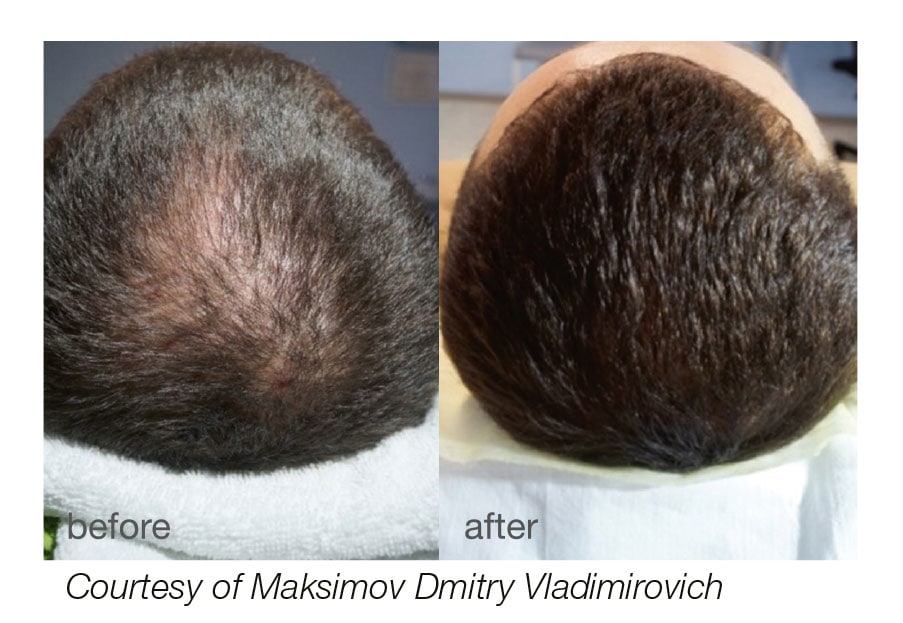
The laser hair-growth procedure should be viewed as a gradual, not an instantaneous cure. Early changes can include less hair shedding and stronger feeling hair. It can take up to several months to see visible improvements in hair thickness or density. It is because hair grows at a very slow rate. This depends on the age, hair-loss stage, genetics. scalp condition and hormones. Some patients experience a noticeable improvement, while others only see a modest improvement.
Clinics should use standardised photographs, consistent lighting and scalp measurements to track progress. This is far more reliable than asking patients to judge results from memory. Honest communication is essential. No responsible clinic should promise full restoration or guaranteed regrowth.
Can Lasers Be Combined with Other Treatments?
Laser therapy is often used as part of a combined hair-restoration plan. Research suggests it may provide added value when used with established treatments such as topical minoxidil, where clinically suitable.
Some clinics also combine laser treatment with platelet-rich plasma, microneedling, prescribed medication or professional scalp care. However, every combination should have a clear clinical reason. Adding more treatments does not automatically produce better results. A personalized plan should consider diagnosis, medical history, treatment tolerance, budget and the patient’s willingness to continue long-term maintenance.
Treatment Course and Maintenance
There is no universal schedule for every hair regrowth system. Some treatments are performed several times per week, while professional medical-laser protocols may be spaced differently.
Clinics should follow the manufacturer’s validated protocol and adjust only within professional guidance. Patients must understand that maintenance may be necessary because pattern hair loss is usually ongoing. Stopping treatment does not normally cause sudden damage, but any supported gains may gradually reduce as the underlying hair-loss process continues.
What Clinics Should Check Before Buying
Competitor guides often focus on patient benefits while ignoring the practical buying decision. Clinics should compare the system’s intended use, wavelength, scalp coverage, treatment time, warranty, servicing and evidence. The cost of the machine should be measured against realistic bookings. Include off time, room use, finance, marketing and maintenance when calculating return on investment.
A system that treats only hair loss may be appropriate for a specialist centre. A multi-application platform may offer stronger utilisation for a general aesthetic clinic because it can support additional treatments. Training is equally important. The team should understand hair-loss causes, contraindications, photography, consent, eye protection and realistic treatment outcomes.
Fotona Hair Regrowth Services
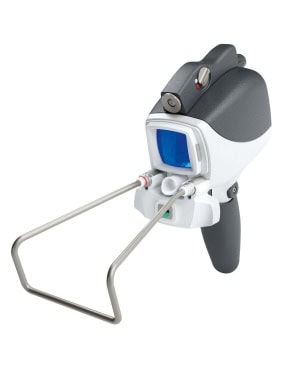
Fotona offers HAIRestart®, a non-invasive laser treatment designed to stimulate hair growth and improve the scalp environment. The protocol uses Fotona’s controlled SMOOTH® laser delivery to gently heat the scalp without removing its surface. It is promoted for supporting hair density, thickness and follicular activity, with no surgical incisions and minimal downtime. Fotona platforms may also provide additional services such as Fotona4D®, SmoothEye®, TightSculpting®, skin resurfacing, vascular treatment and scar revision, helping clinics build several patient pathways around one laser system.
Is a Hair Regrowth Laser Worth It for Clinics?
A hair regrowth laser can be a valuable service when the clinic has suitable patients, trained staff and a strong consultation process. Hair-loss patients often require repeated sessions and maintenance, which may support predictable recurring revenue.
However, commercial value should never depend on exaggerated promises. The strongest clinics combine evidence-based treatment with diagnosis, progress tracking and honest patient education. The best system is not necessarily the cheapest or the one with the most lights. It is the platform that delivers controlled treatment, fits the clinic’s patient base and is supported by credible training and aftercare.
Frequently Asked Questions
Do laser hair regrowth systems really work?
Research suggests that low-level light and laser therapies can improve hair density or thickness in some patients, particularly those with androgenetic alopecia. Results vary and are not guaranteed.
How many sessions are needed?
Most patients need a course of regular sessions over several months. The exact schedule depends on the device and treatment protocol.
Is laser hair regrowth painful?
Most low-level light treatments are comfortable. Patients may feel gentle warmth with some professional laser systems.
Can lasers regrow hair on a completely bald scalp?
They are unlikely to restore hair where follicles are permanently lost. Treatment works best when weakened but active follicles remain.
Is laser therapy suitable for women?
Yes. It may be suitable for women with pattern thinning, but hormonal, nutritional and medical causes should be assessed first.
Can laser treatment replace a hair transplant?
No. Laser therapy supports existing follicles, while transplantation moves follicles into areas where hair has been permanently lost.
Are there side effects?
Possible effects may include temporary redness, warmth, dryness or mild scalp irritation. Proper assessment and device use reduce risk.