

The StarWalker PICO Pro laser has quickly become one of the most talked-about laser platforms in aesthetic medicine. In 2026, it gained even more attention after winning Best Laser, Light and Energy-Based Device at the AMWC Aesthetic Medicine Awards in Monaco. The AMWC winners page confirms StarWalker® PICO Pro as the winner in this category, and Fotona also announced the award on 27 March 2026.
For clinics, this recognition matters because the AMWC Awards celebrate innovation and expertise in aesthetics and anti-ageing medicine. For patients, it helps build trust because the device is not just another laser name; it is an award-winning picosecond platform designed for pigmentation, tattoo removal, skin rejuvenation, acne scars and textural concerns.
What is the StarWalker PICO Pro laser?
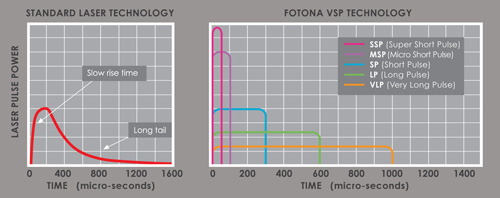
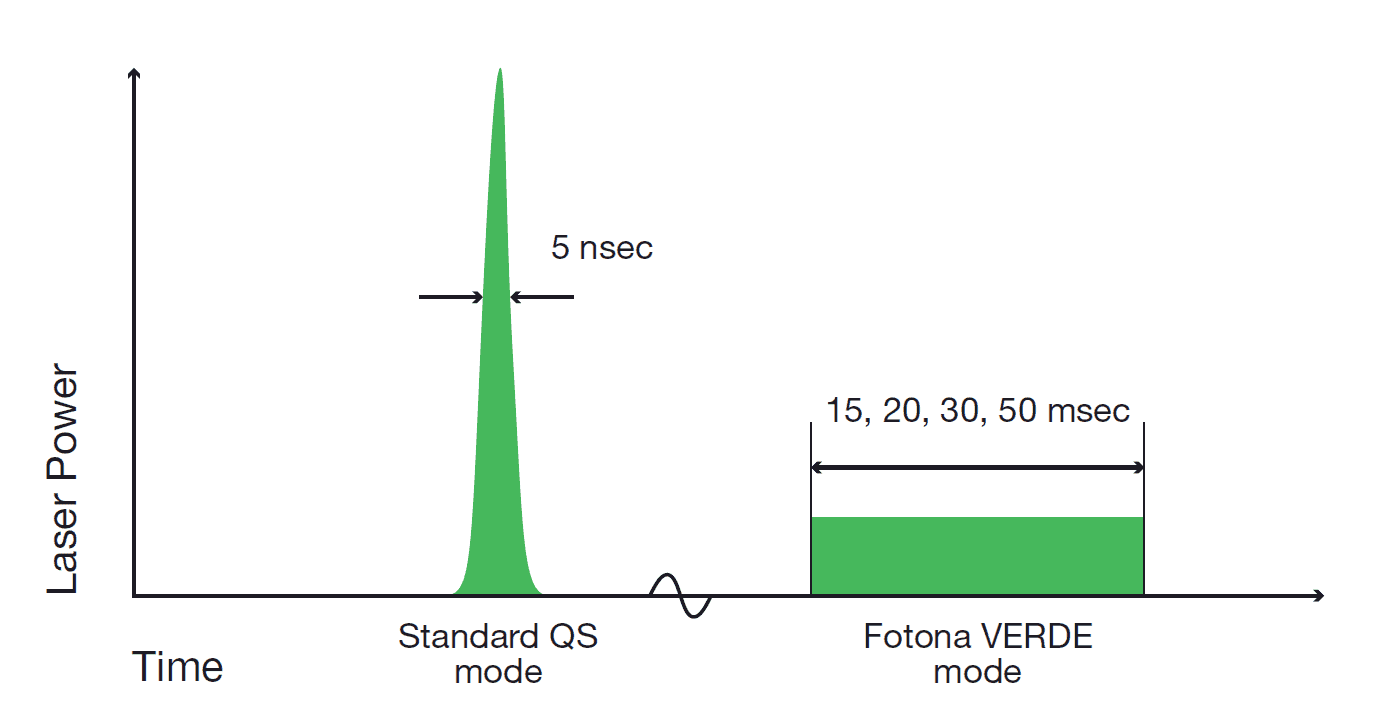
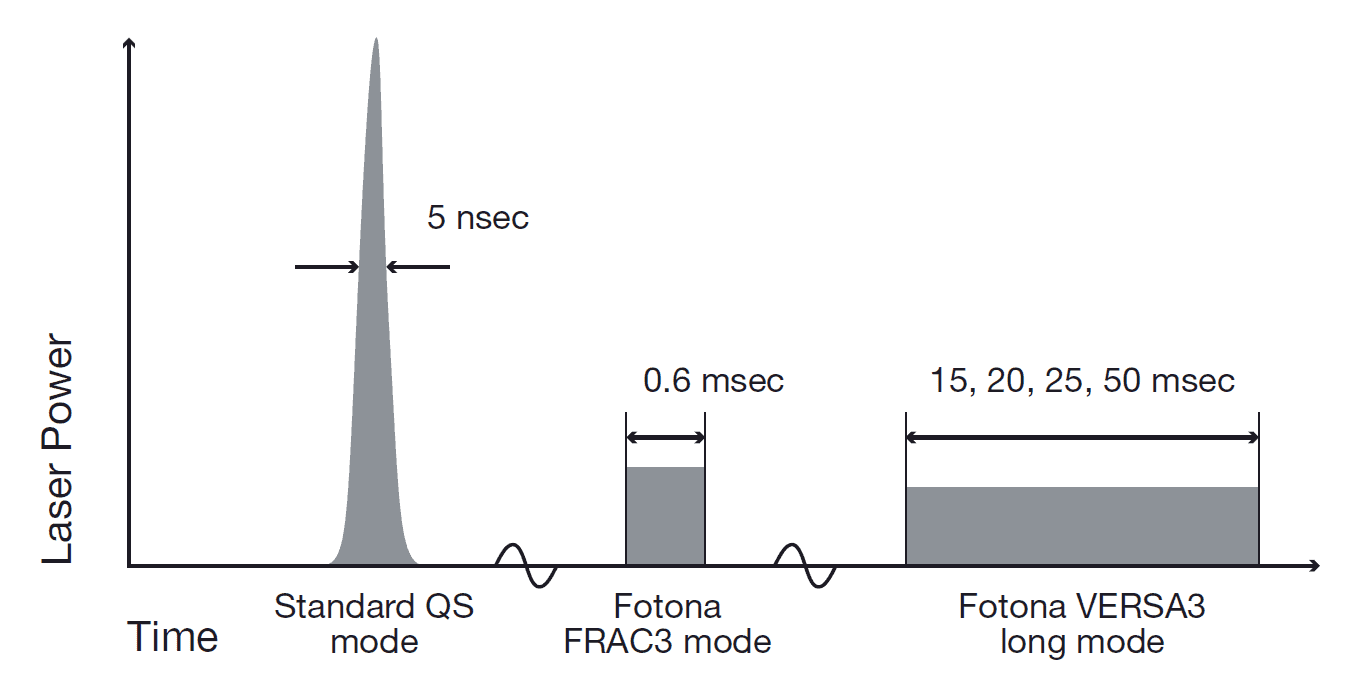
StarWalker PICO Pro is a picosecond laser system from Fotona. A picosecond laser delivers energy in extremely short pulses, measured in trillionths of a second. This matters because the shorter pulse duration creates a strong photoacoustic effect, helping break pigment or tattoo ink into smaller particles with less unwanted heat spreading into surrounding tissue.
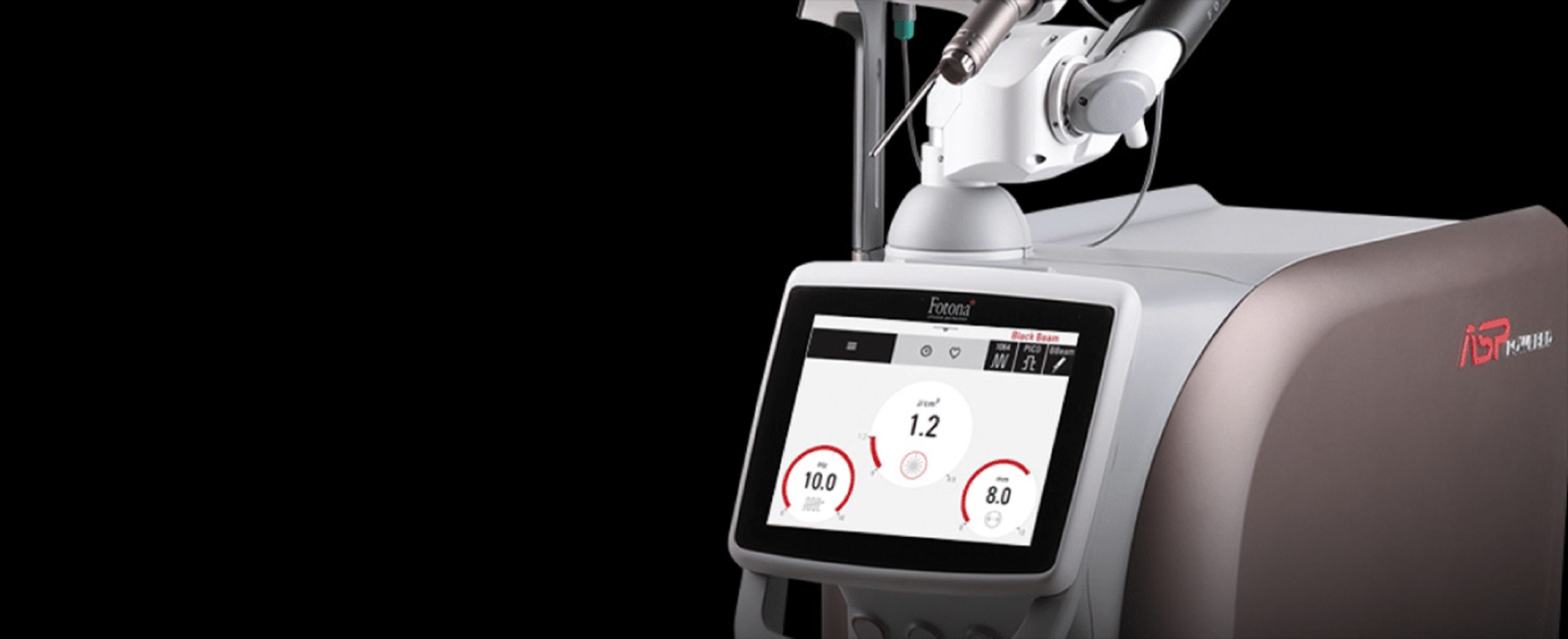
Fotona describes StarWalker PICO Pro as the latest evolution of its high-performance picosecond laser systems, engineered to deliver ultra-short pulse durations and high peak power for precise, photoacoustic-based treatments with minimal thermal impact. In simpler words, it is built for precision. It targets colour, pigment and texture concerns quickly and accurately, while aiming to keep surrounding skin better protected.
Key specifications clinics should know
Power, wavelengths and performance
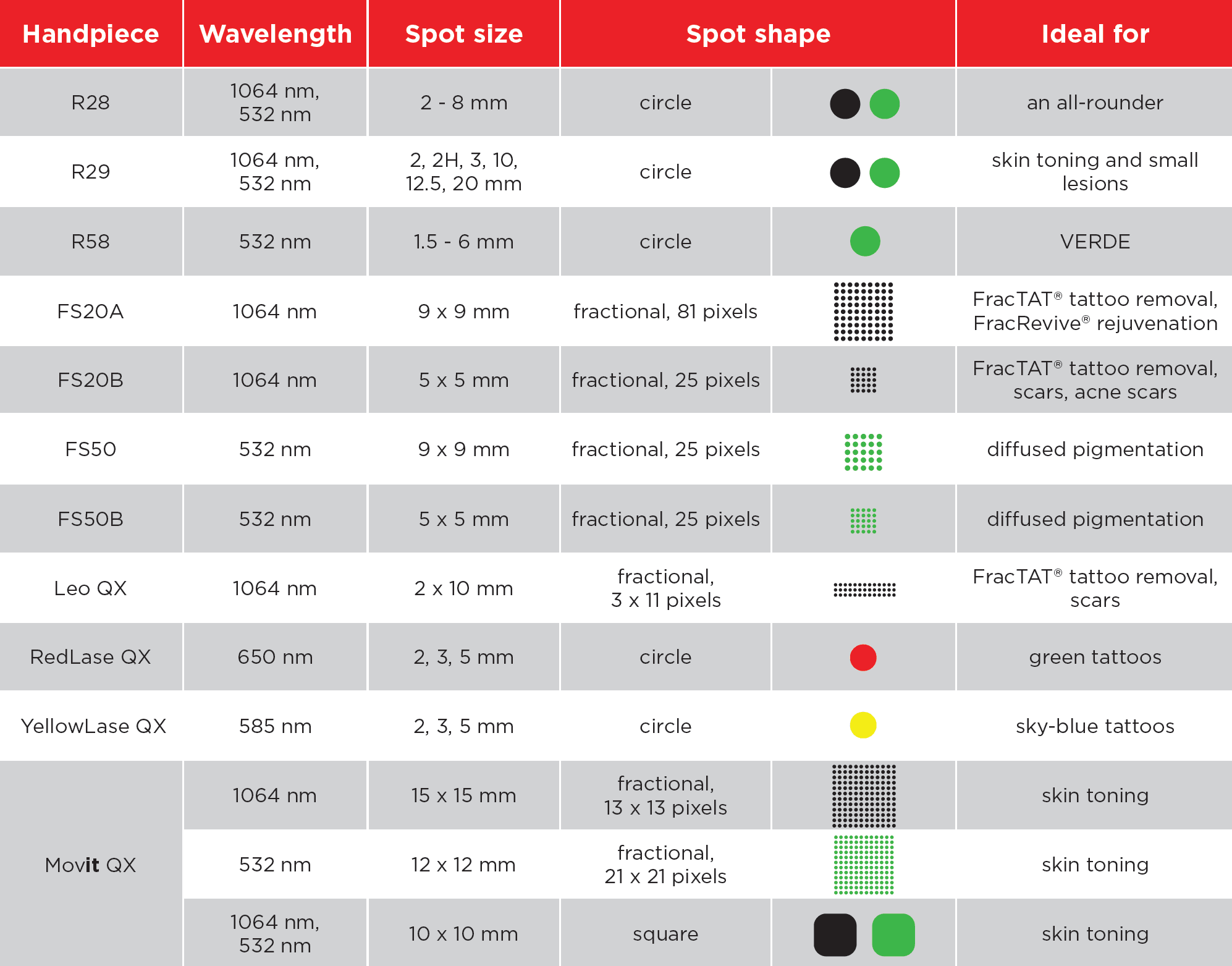
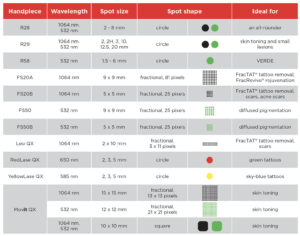
The official Fotona StarWalker PICO Pro product page lists four wavelengths: 1064 nm, 650 nm, 585 nm and 532 nm. It also lists maximum energy of 800 mJ, minimum pulse duration of 300 picoseconds, maximum peak power of 2.7 GW, pulse repetition frequency from 1 to 10 Hz, and a maximum spot size of 10 mm.
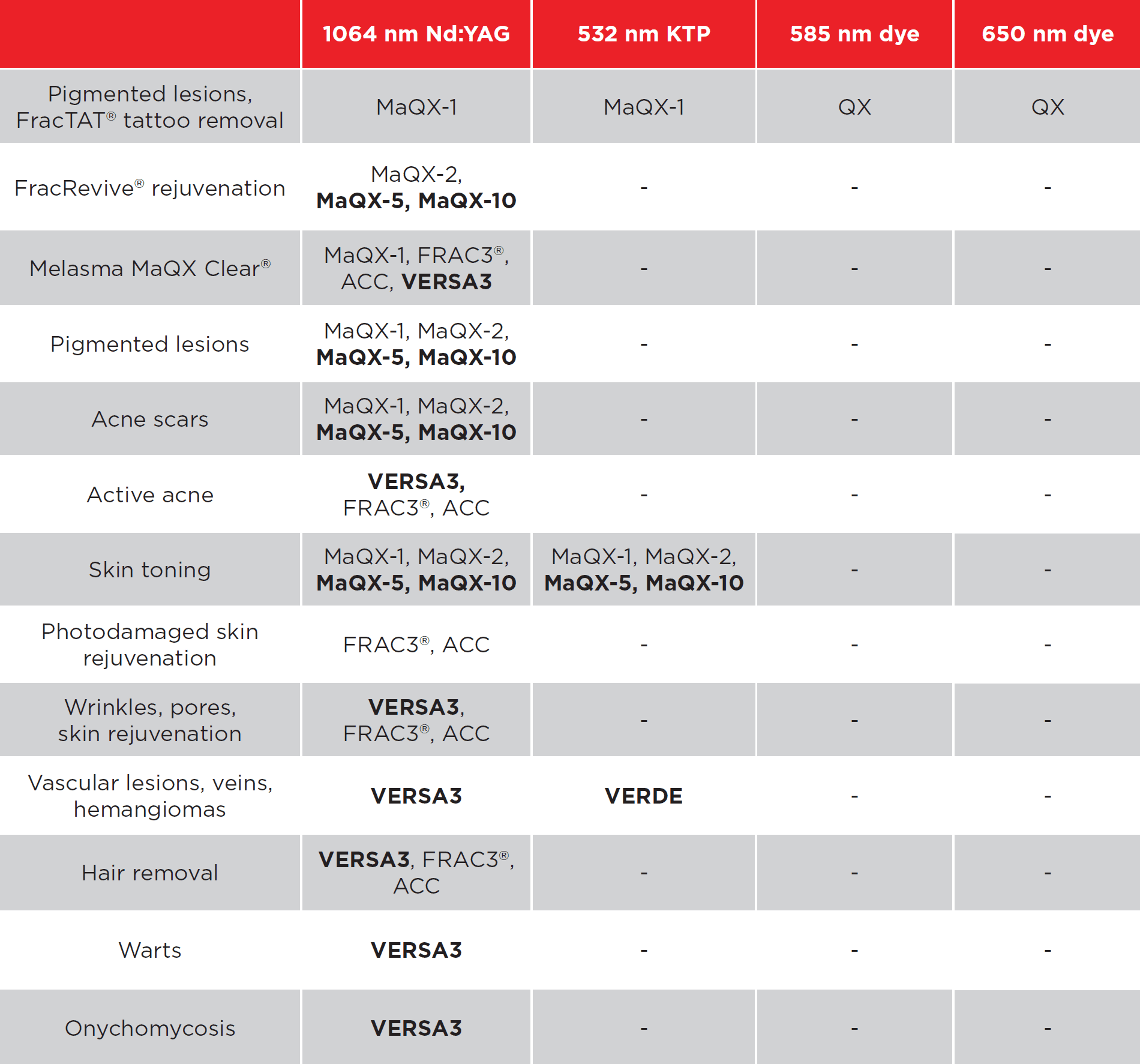
These details are important because different wavelengths interact with different colours and skin targets. For example, Fotona notes that superficial pigmented lesions are often treated effectively with 532 nm, while 1064 nm can be used for deeper lesions.
Why multiple wavelengths matter
A clinic treating pigmentation and tattoos needs flexibility. Black tattoo ink is not the same as red, green or blue pigment. Superficial sun damage is not the same as deeper pigmentation. This is why a multi-wavelength system is commercially useful. It gives practitioners more options when adapting treatment to the patient’s skin type, pigment depth and concern.
Fotona’s own award announcement lists pigmented lesion removal, tattoo removal across a broad spectrum of ink colours, skin rejuvenation and toning, and acne scars or textural irregularities as key indications for StarWalker PICO Pro.
How StarWalker PICO Pro works
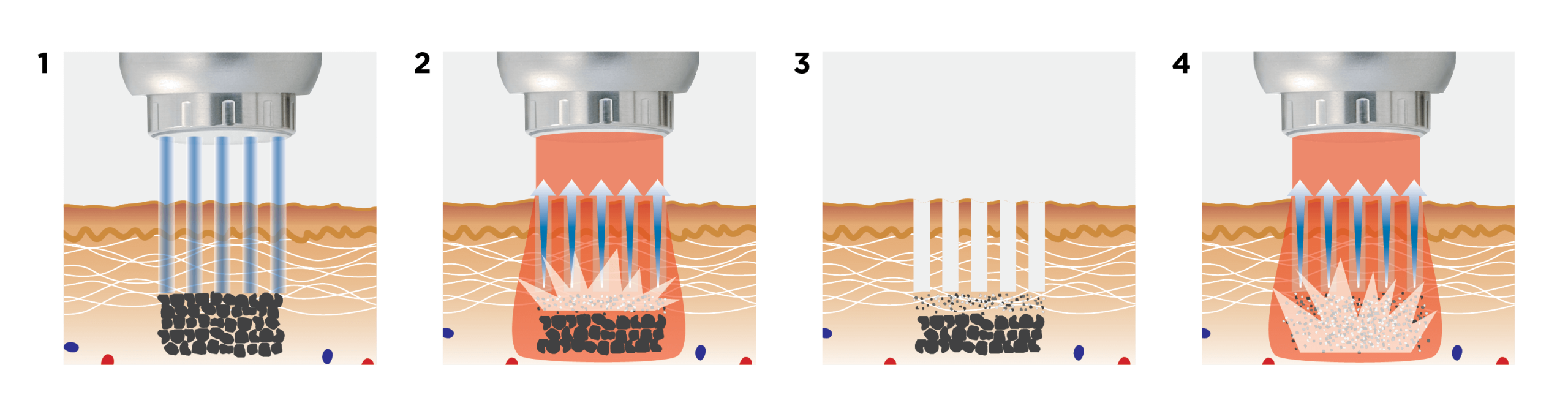
Photoacoustic action instead of heavy heat
Traditional lasers often rely more heavily on heat. Picosecond technology works differently. It uses very short, high-energy pulses that create a mechanical or photoacoustic effect. This helps shatter pigment into tiny fragments, which the body can then gradually clear through natural processes. This is one reason pico lasers are often discussed for pigment, tattoo removal and skin brightening. The goal is to deliver enough energy to break down the target while reducing excess heat in the surrounding skin.
Skin rejuvenation and texture improvement
Beyond tattoo and pigment work, StarWalker PICO Pro can also support skin rejuvenation. Fotona lists FracRevive®, pigmented lesions and tattoo removal as key treatments on the official product page. For clinics, this means the device can be used not only for correction-based treatments but also for skin quality treatments. Patients may enquire about dull skin, uneven tone, acne marks, pigmentation, old tattoos or general skin renewal. A strong pico platform allows clinics to answer more of those enquiries with one system.
Why the AMWC 2026 award matters
Winning an AMWC award does not mean every patient will be suitable or every result is guaranteed. However, it does add strong credibility. The AMWC Awards are built around innovation and expertise in aesthetic medicine, and the 2026 winners list names StarWalker PICO Pro as Best Laser, Light and Energy-Based Device. For clinics, this award can support marketing and patient trust. It gives the clinic a clear reason to explain why the system is different. Instead of simply saying “we use a pico laser”, a clinic can say it uses an AMWC 2026 award-winning device from Fotona.
Main treatment areas and concerns
Pigmentation and sun damage
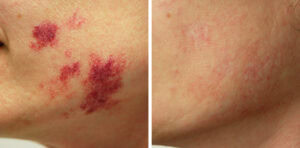
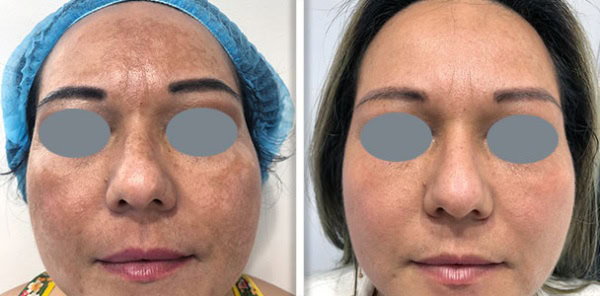
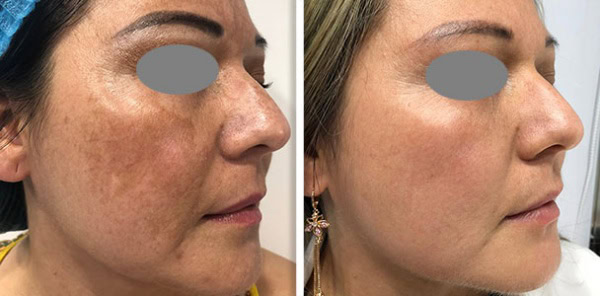
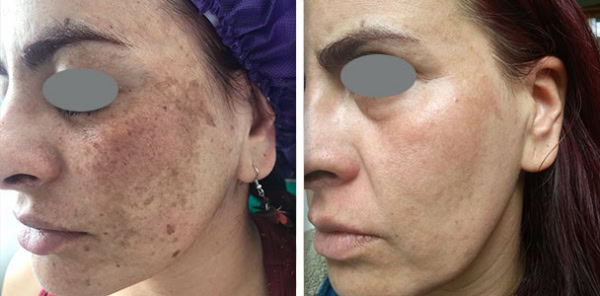
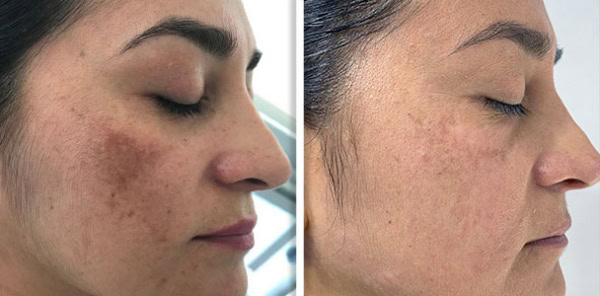
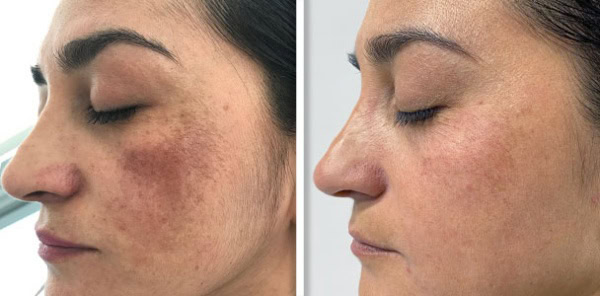
Pigmentation is one of the most common reasons patients search for pico laser treatment. Concerns may include sunspots, age spots, freckles, post-inflammatory pigmentation and uneven tone. Fotona’s pigmented lesion information explains that different wavelengths can be used depending on lesion depth, with 532 nm often suited to superficial lesions and 1064 nm useful for deeper targets.
Tattoo removal
Tattoo removal is another major use. Tattoo ink can sit at different depths and involve multiple colours, so wavelength choice matters. Fotona’s tattoo removal information explains that very short energy pulses break tattoo pigment into smaller particles, which are then cleared by the body’s immune system. It also notes that several treatments are typically needed for complete removal.
Acne scars and skin texture
StarWalker PICO Pro is also positioned for acne scars and other textural irregularities. This can be valuable for clinics because acne scarring is often a long-term concern for patients who want smoother skin but do not always want aggressive downtime.
Benefits for clinics
For clinics, StarWalker PICO Pro offers three strong advantages: treatment versatility, premium positioning and patient demand. The four wavelengths give practitioners more flexibility. The AMWC 2026 award supports authority. The treatment range covers common aesthetic concerns such as pigmentation, tattoos, tone, scars and texture.
It can also help clinics attract a more informed patient. Many people are now specifically searching for pico laser treatments because they have heard of faster pulses, reduced heat and lower downtime compared with older laser options. A clinic with a recognised pico system can position itself as more advanced and more results focused.
Fotona services
Fotona services allow clinics to build a broad advanced laser offering around trusted medical technology. Alongside StarWalker PICO Pro for pigmentation, tattoo removal, skin rejuvenation and texture concerns, Fotona’s wider aesthetic portfolio includes treatments such as Fotona4D, SmoothEye, TightSculpting, LipLase, NightLase, resurfacing and collagen-stimulation procedures. This gives clinics the ability to create more complete treatment journeys for patients, from correcting pigment and scars to improving firmness, tone and overall skin quality.
Is StarWalker PICO Pro right for every patient?
No laser is suitable for everyone. A proper consultation is essential before treatment. The practitioner should assess skin type, pigmentation history, tattoo colour, medical background, recent sun exposure, medication use and the risk of post-inflammatory pigmentation.
Patients also need realistic expectations. Pigmentation may need several sessions. Tattoos almost always require multiple treatments. Acne scarring and texture improvement usually develop gradually. Good aftercare, sun protection and avoiding tanning are important parts of safe treatment planning.
Final thoughts
The StarWalker PICO Pro laser is a strong option for clinics wanting a modern, award-winning pico platform for pigmentation, tattoo removal, skin rejuvenation and texture improvement. Its AMWC 2026 win gives it strong industry recognition, while its four wavelengths and high peak power make it a flexible system for a wide range of patient concerns.
For patients, the main appeal is precision, reduced heat spread and the ability to target common concerns such as dark spots, tattoos, acne marks and uneven tone. For clinics, the value lies in combining advanced technology with strong marketing authority and a treatment range that fits today’s demand for refined, low-downtime skin solutions.
FAQs
What award did StarWalker PICO Pro win in 2026?
StarWalker PICO Pro won Best Laser, Light and Energy-Based Device at the AMWC Aesthetic Medicine Awards 2026 in Monaco.
What is StarWalker PICO Pro used for?
It is used for pigmented lesions, tattoo removal, skin rejuvenation, skin toning, acne scars and textural irregularities. Fotona lists these as key indications in its AMWC award announcement.
What wavelengths does StarWalker PICO Pro have?
The official Fotona product page lists four wavelengths: 1064 nm, 650 nm, 585 nm and 532 nm.
Is pico laser better than traditional laser?
Pico lasers use ultra-short pulses that create a photoacoustic effect, meaning they can break pigment with less reliance on heat. This may reduce thermal impact on surrounding tissue, although suitability depends on the patient and condition.
How many sessions are needed for tattoo removal?
Several sessions are usually required. Fotona’s tattoo removal information explains that most tattoo treatments take only a few minutes, but several treatments are typically needed for complete removal.
Is StarWalker PICO Pro suitable for pigmentation?
Yes, it is designed for pigmented lesion treatment. Fotona explains that different wavelengths can be selected depending on the lesion type and depth, such as 532 nm for superficial lesions and 1064 nm for deeper targets.