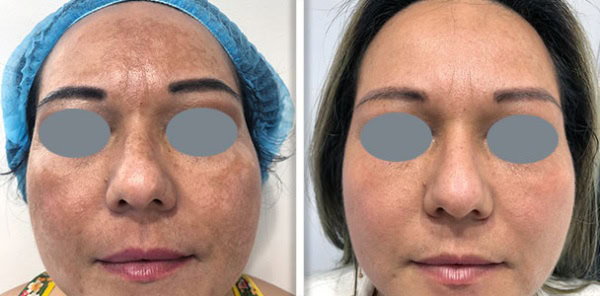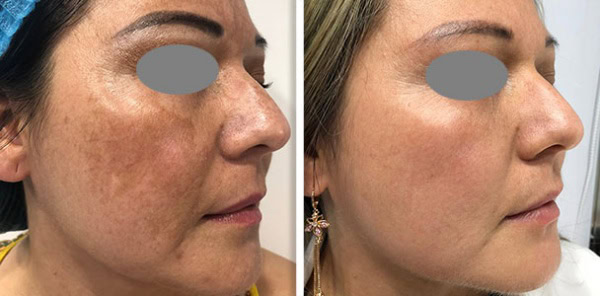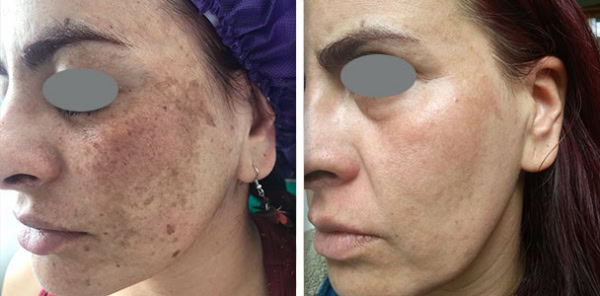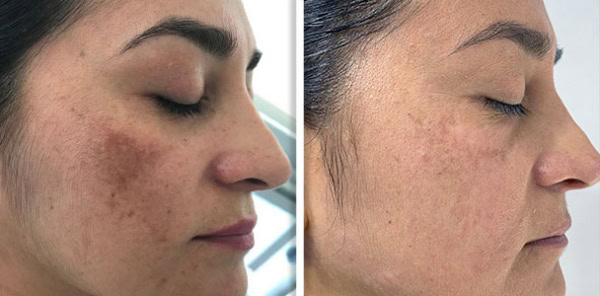


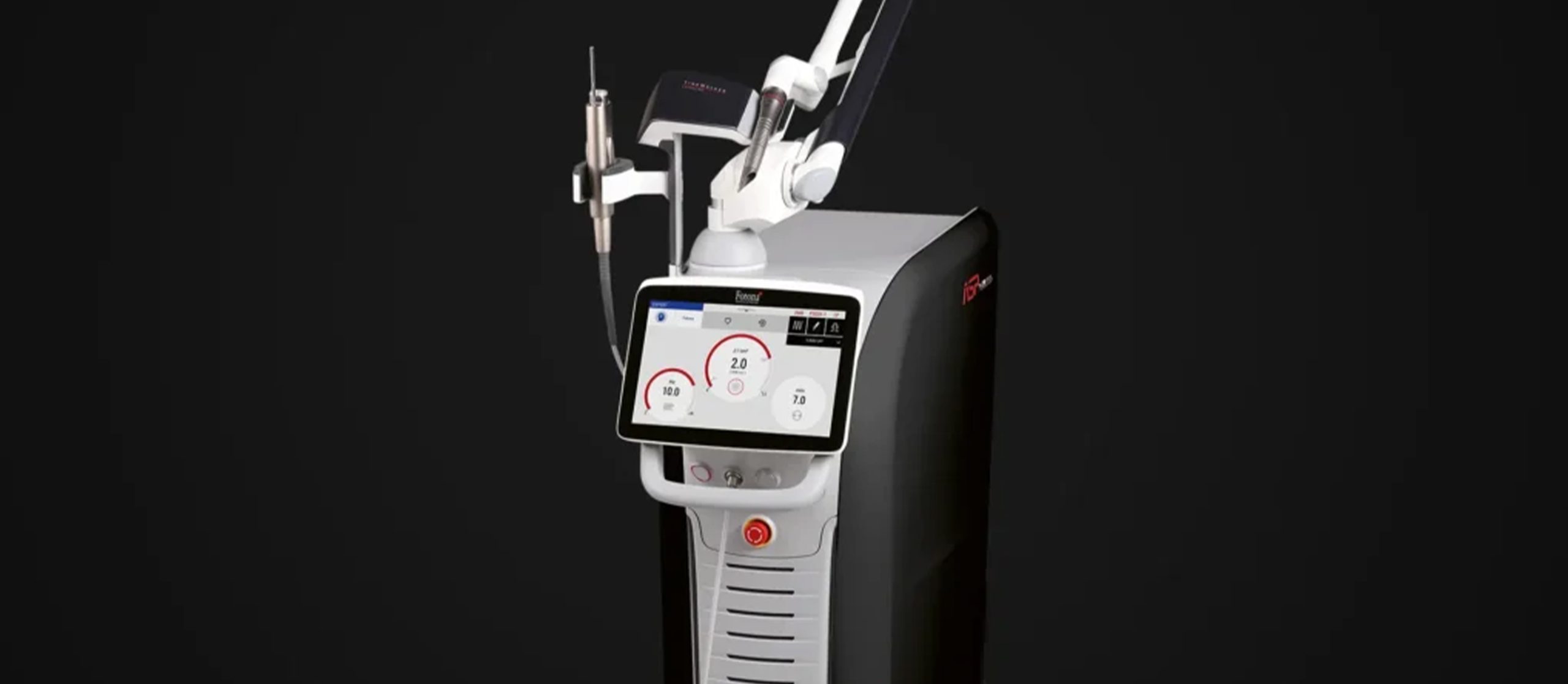
The TimeWalker II laser has become an important option for clinics and patients looking for a non-surgical facelift without incisions, stitches or long recovery. In the UK, more people are now searching for treatments that improve skin firmness and facial freshness while still keeping results natural. They want to look healthier and more lifted, but not dramatically changed.
Fotona describes the TimeWalker II Fotona4D as a state-of-the-art Er:YAG and Nd:YAG aesthetic laser system dedicated to non-surgical facial aesthetic treatments. It is designed for minimally invasive face and neck treatments, including Fotona4D, SmoothEye, LipLase and VectorLift. This makes it more than a basic facial laser; it is a focused platform for advanced facial rejuvenation.
What is the TimeWalker II laser?
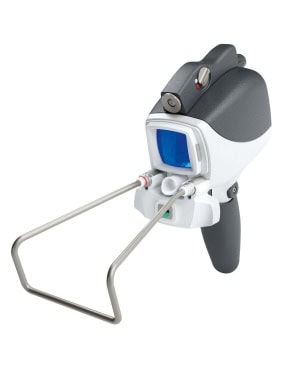
The TimeWalker II is a Fotona laser platform built around two complementary wavelengths: Er:YAG and Nd:YAG. These wavelengths work at different levels of the skin, which is why the system can support both surface improvement and deeper tissue heating. The official TimeWalker II Fotona4D brochure explains that the platform includes a large touchscreen display, intuitive navigation and user-friendly application wizards, helping practitioners manage treatment settings more clearly.
In simple terms, this machine is designed to help clinics treat facial ageing in layers. Instead of only polishing the skin surface, it can work inside and outside the face to support collagen tightening, texture improvement and a fresher overall appearance.
What is Fotona4D?
Fotona4D is the treatment protocol most closely linked with the TimeWalker II system. Fotona explains that Fotona4D uses two laser wavelengths to treat four distinct “dimensions” of the skin, helping rejuvenate and tighten from the inside out. It is promoted as a non-surgical, non-invasive facelift alternative with natural-looking results.
The “4D” approach is important because facial ageing does not happen in one layer only. Skin becomes thinner, collagen weakens, elasticity drops, and facial tissue starts to lose support. A multi-step protocol is designed to address these different levels rather than only treating one visible concern.
How the four stages work
SmoothLiftin for inside-out tightening
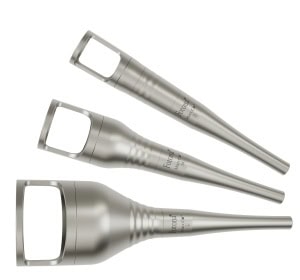
The first stage of Fotona4D is often described as intraoral tightening. This means laser energy is delivered from inside the mouth to gently heat tissue around areas such as the cheeks and nasolabial folds. Fotona’s own explanation says this step stimulates collagen remodelling and contraction, helping improve skin tightness. This inside-out approach is one of the treatment’s most distinctive features. It allows the practitioner to support facial tissue from an angle that many external treatments cannot reach in the same way.
FRAC3 for deeper imperfections
The next stage uses deeper laser action to target selected skin concerns and enhance the rejuvenation effect. Fotona describes this step as targeting deeper imperfections to improve the overall effects of intraoral therapy and restore youthful skin texture. For patients, this may help with tone, mild texture issues and the tired look that often comes with collagen decline.
PIANO for deep tissue heating
The PIANO stage focuses on bulk heating. This means warming the tissue in a controlled and comfortable way to support a tightening effect. Fotona’s treatment explanation describes this as safe and comfortable tissue warming for a synergistic tightening effect. This stage is important because collagen tightening often depends on controlled dermal heating. The goal is not to damage the skin, but to trigger a natural repair response.
SupErficial for skin polishing
The final stage is a light resurfacing or polishing step. This helps to improve the surface of the skin, giving it a smoother finish. It is helpful because many patients desire both firmness as well as a glow. If you only tighten, it may not be enough to address dullness and rough texture. A surface peel may not provide enough lifting support.
Collagen tightening: The science behind it
Laser skin tightening is achieved by controlled heating. According to research on laser rejuvenation, non-ablative wavelengths of lasers can heat dermis tissue without damaging epidermis and encourage collagen changes below the surface. This controlled thermal effect can denature collagen proteins and stimulate repair activity in the skin.
Fotona also explains that its SMOOTH mode enables non-ablative laser skin remodelling through controlled thermal injury of collagen while preserving the epidermis. This is why Fotona4D can be discussed as a collagen-focused treatment rather than simply a surface facial.
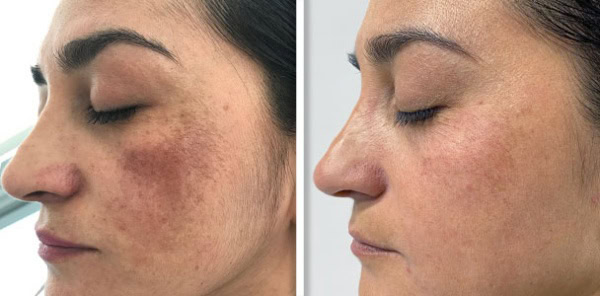
The results are not usually instantaneous in a dramatic way. Some patients may notice early firmness, but the main improvement often develops over weeks and months as collagen remodelling continues. This makes the treatment suitable for people who want natural-looking progress rather than sudden, obvious change.
Who is TimeWalker II Fotona4D suitable for?
The TimeWalker II Fotona4D treatment may suit patients with mild to moderate skin laxity, early facial sagging, fine lines, dull texture, loss of firmness and a softened jawline. It is also popular with people who want facial rejuvenation without surgery or injectables.
However, suitability always depends on the individual. Skin type, medical history, ageing level, sun damage, pigmentation risk and expectations should all be assessed during consultation. A good clinic should explain what the treatment can improve and what it cannot do. Fotona4D is not a replacement for a surgical facelift in cases of severe laxity, but it can be a strong option for patients wanting a lower-downtime, non-surgical route.
Benefits for clinics and patients
For patients, the main appeal is natural rejuvenation. The treatment is designed to support tightening, collagen stimulation, texture refinement and facial freshness without incisions. Fotona’s UK page describes Fotona4D as a non-surgical face lifting procedure that gives a rejuvenated, natural-looking appearance.
For clinics, the TimeWalker II platform can also support a stronger service menu. Because it is dedicated to facial aesthetic treatments and includes protocols such as Fotona4D, SmoothEye, LipLase and VectorLift, it gives clinics more ways to treat common patient concerns from one system.
Fotona services
Fotona services allow clinics to offer a wider range of advanced non-surgical laser treatments from one recognised medical laser brand. With TimeWalker II, clinics can provide Fotona4D for full-face rejuvenation, SmoothEye for delicate eye-area tightening, LipLase for natural lip enhancement and VectorLift for facial lifting support. This helps clinics build complete treatment journeys around collagen stimulation, tightening, skin texture and natural-looking rejuvenation, rather than offering only one isolated facial treatment.
What to expect during treatment
A Fotona4D appointment usually begins with a full consultation. The practitioner checks skin quality, facial laxity and medical suitability. During treatment, the four stages are performed using different laser modes. Patients may feel warmth, especially during the intraoral and deep-heating stages, but many describe the treatment as manageable.
After treatment, the skin may look slightly pink or feel warm. Downtime is usually limited compared with more aggressive resurfacing, although this can vary depending on treatment intensity and skin response. Patients are normally advised to follow aftercare, avoid strong sun exposure and use SPF.
Final thoughts
The TimeWalker II laser offers clinics a focused platform for non-surgical facial rejuvenation, with Fotona4D as one of its key treatment protocols. Its strength lies in the layered approach: inside-out heating, deeper tissue stimulation, controlled warming and surface refinement.
For patients, this means a treatment designed to improve firmness, texture and freshness without surgical downtime. For clinics, it offers a premium facial laser pathway that fits modern demand for natural, non-invasive results.
FAQs
Is TimeWalker II the same as Fotona4D?
TimeWalker II is the laser system, while Fotona4D is one of the main treatment protocols performed with it. Fotona describes TimeWalker II Fotona4D as a system dedicated to non-surgical aesthetic facial treatments.
How does Fotona4D lift the face?
Fotona4D uses two laser wavelengths and four treatment modes to heat and stimulate different layers of tissue. This supports collagen contraction, remodelling and gradual skin tightening.
Is Fotona4D a surgical facelift?
No. Fotona4D is a non-surgical and non-invasive facelift alternative. It does not involve incisions, stitches or general anaesthetic.
How many sessions are needed?
This depends on skin condition and goals. Some patients see improvement after one session, while others need a course for stronger results. A consultation is needed to create the right plan.
Is there downtime after Fotona4D?
Downtime is usually low compared with more aggressive laser resurfacing, but mild redness, warmth or sensitivity can occur. Recovery depends on the treatment settings
and the patient’s skin.
What are the most popular TimeWalker II treatments?
Popular treatments include Fotona4D, SmoothEye, LipLase and VectorLift, all of which are listed by Fotona as key face and neck treatment options for the TimeWalker II platform.