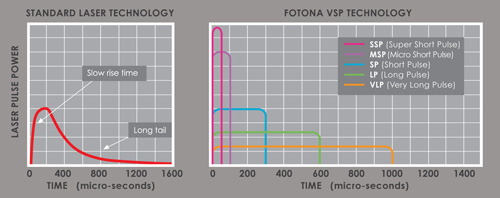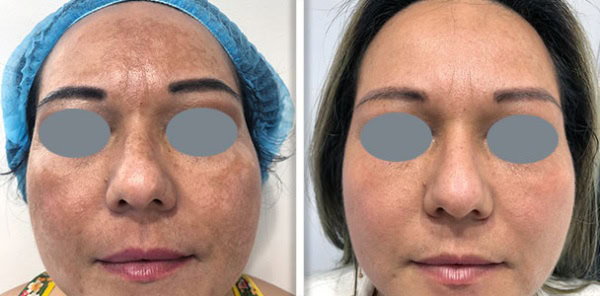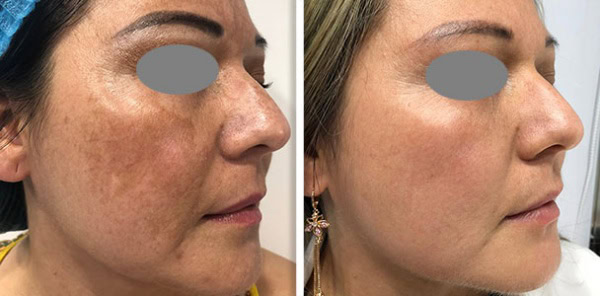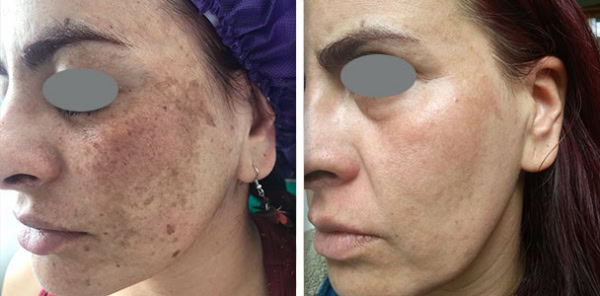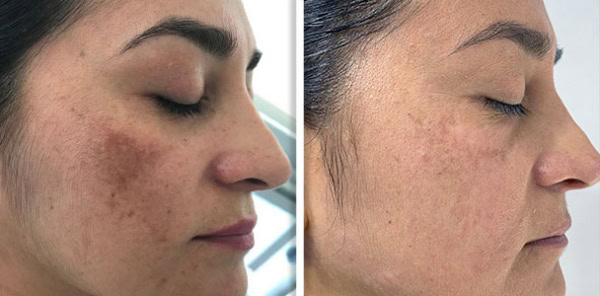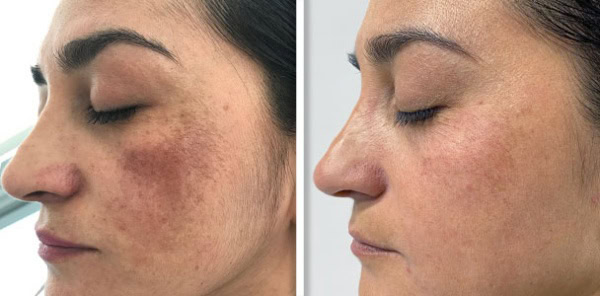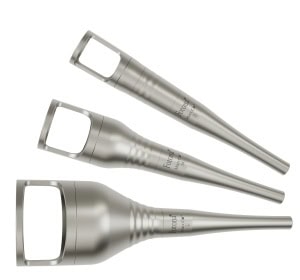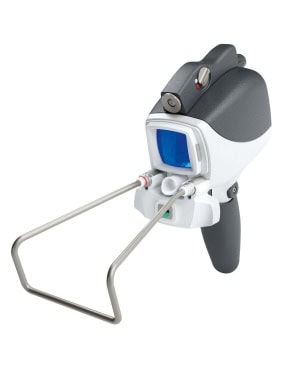


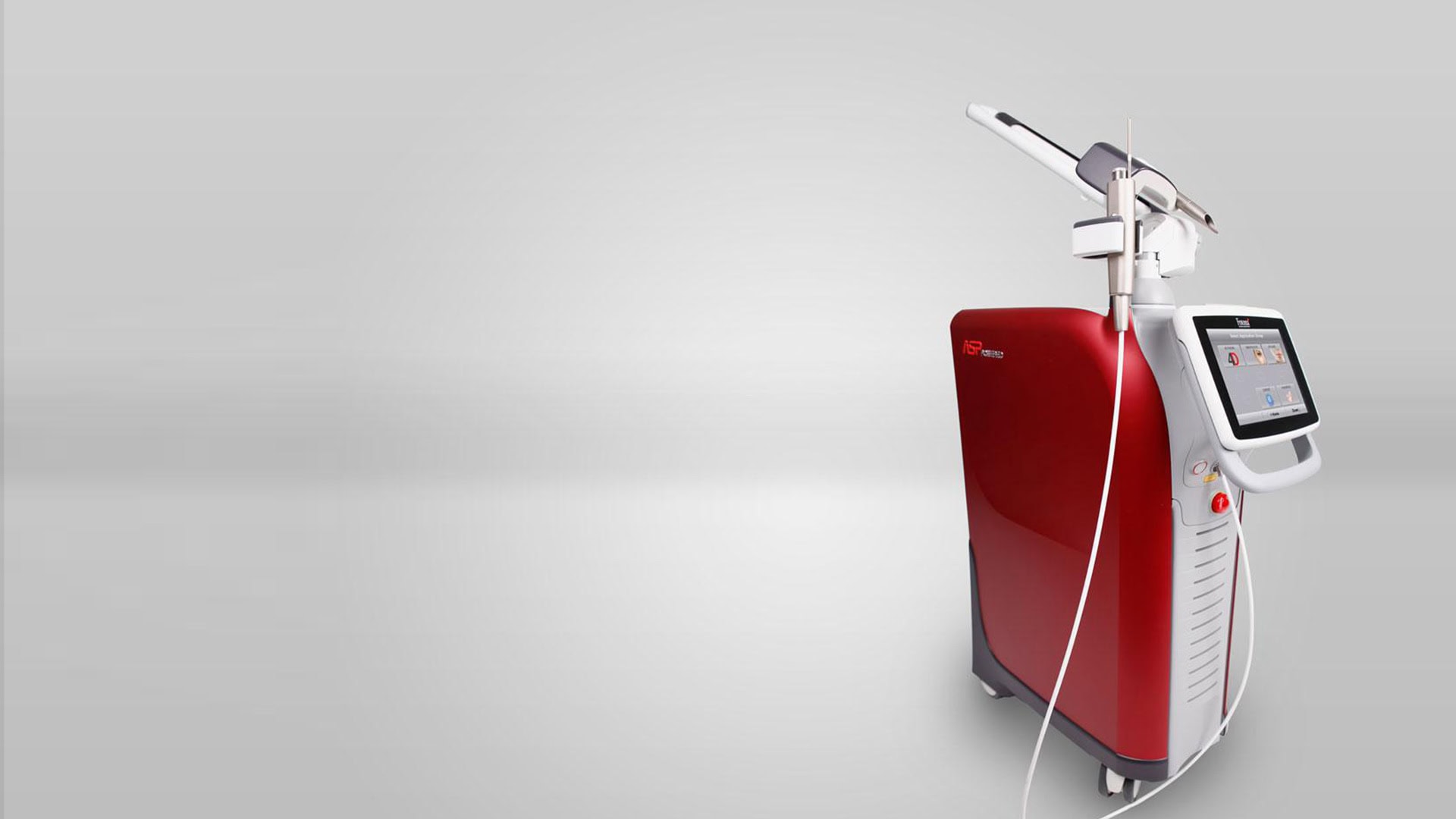
TimeWalker® Fotona4D® is a medical-grade Er:YAG and Nd:YAG laser platform designed for non-surgical face and neck treatments. It supports Fotona4D®, SmoothEye®, LipLase®, VectorLift®, resurfacing, acne scar revision and collagen-focused rejuvenation. Fotona4D® works through four treatment modes: SMOOTH®, FRAC3®, PIANO® and SupErficial™, helping target deeper, middle and surface skin layers. It is not a surgical facelift, but it can help suitable patients achieve firmer, fresher and more lifted-looking skin with little or no downtime.
What is TimeWalker® Fotona4D®?
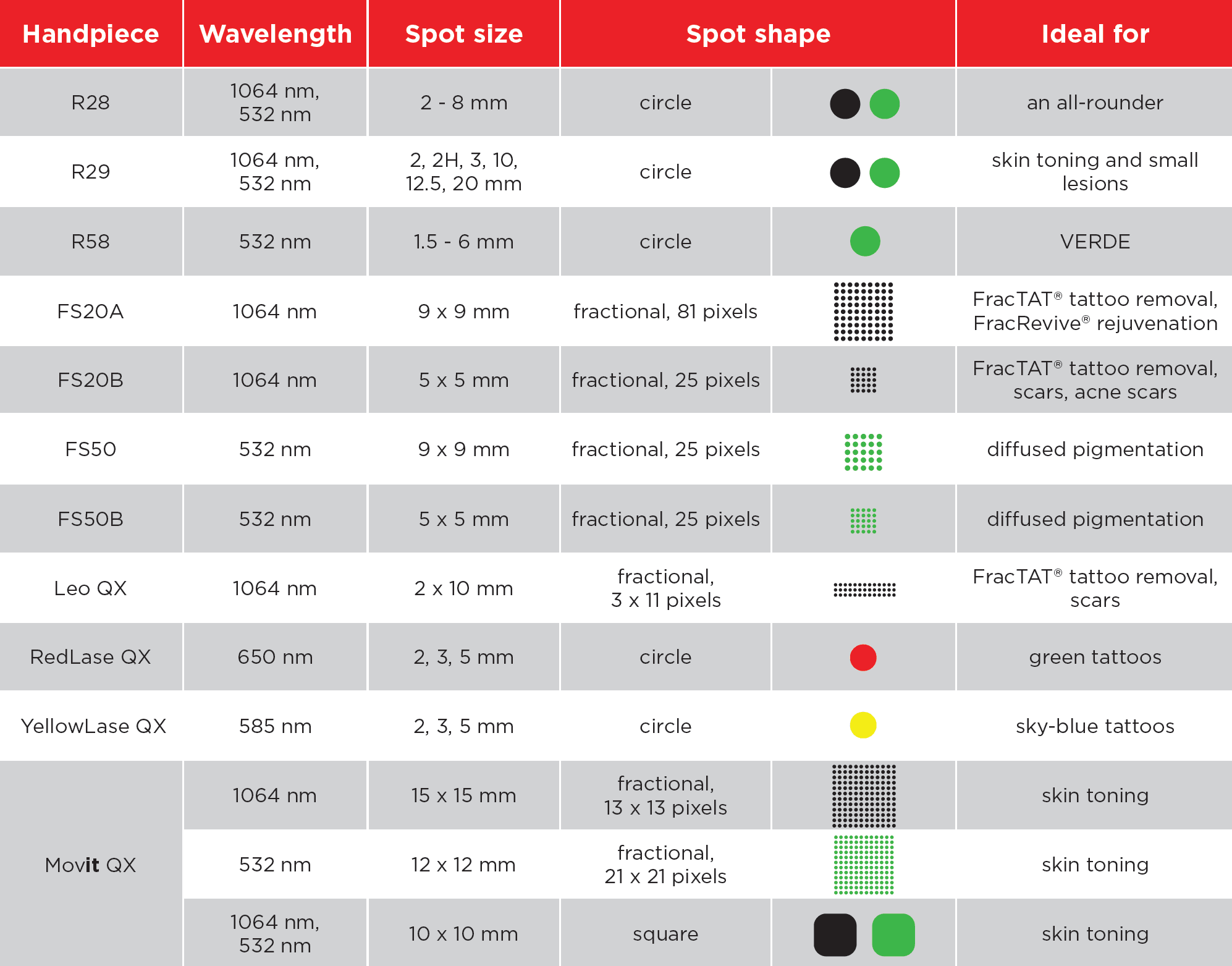
TimeWalker® Fotona4D® is an advanced face and neck aesthetic laser system by Fotona. It is designed for clinics that want to offer non-surgical facial treatments using two powerful wavelengths: Er:YAG and Nd:YAG. Fotona describes the platform as dedicated to minimally invasive face and neck procedures, including Fotona4D®, SmoothEye®, LipLase®, VectorLift®, acne and acne scar revision, skin resurfacing and ComfortLase™.
In simple words, TimeWalker® is not just one treatment. It is a full laser platform that allows clinics to create a wider facial rejuvenation menu. This is one reason it is becoming popular in premium aesthetic clinics. Patients want natural-looking improvement, while clinics want technology that can treat more than one concern from one system.
What is Fotona4D®?
Fotona4D® is a non-surgical face-lifting treatment performed using Fotona laser technology. It is designed to improve skin firmness, texture, glow and overall facial freshness without surgery, needles or general anaesthetic.
The treatment is called “4D” because it uses four different modes to work through different layers and concerns. These modes are SMOOTH®, FRAC3®, PIANO® and SupErficial™. Together, they aim to tighten, remodel and refresh the skin from the inside out.
Fotona says the treatment can support tightening and volumisation without fillers or toxins, improve complexion, create immediate glow and involve little or no downtime. For patients, this makes it appealing because it sits between skincare and surgery. It offers more than a facial, but it is not as invasive as a surgical facelift.
How does Fotona4D® work?
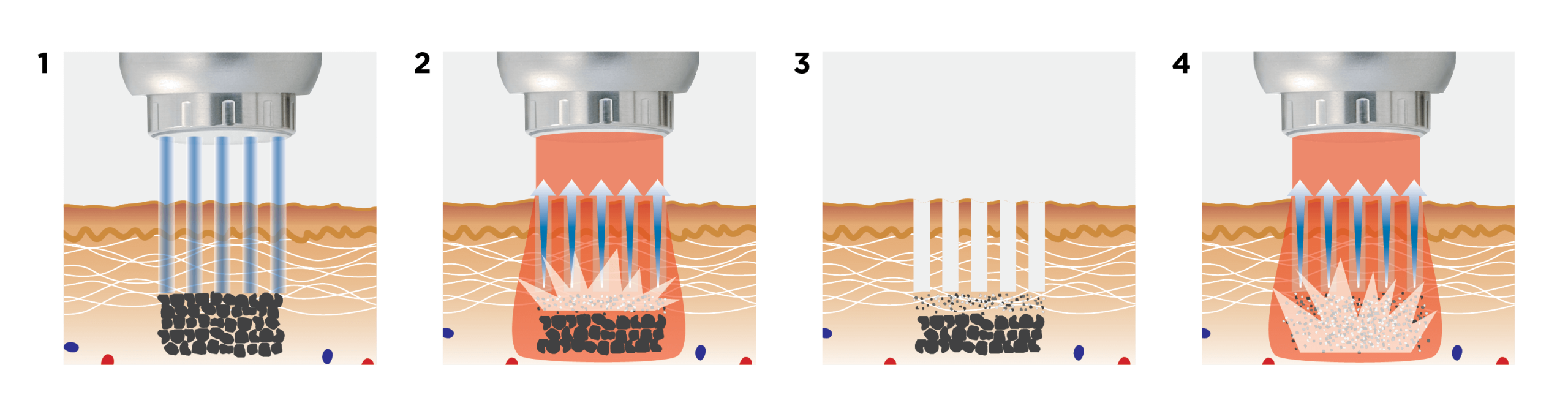
Fotona4D® works by using two laser wavelengths in a planned sequence. The Nd:YAG wavelength can reach deeper skin structures, while the Er:YAG wavelength can work more precisely on surface and connective tissue. This combination allows the treatment to target different layers of the face.
The first step is often described as intraoral tightening. This means laser energy is applied inside the mouth to help stimulate collagen around the cheeks and lower face. This is one of the unique points of Fotona4D®, because it works from inside the oral cavity as well as from the outside.
The next stages focus on deeper heating, skin tightening and surface refinement. The aim is to create controlled stimulation so the skin begins a natural repair response. Over time, this can support collagen remodelling, smoother texture and a firmer-looking face.
The four Fotona4D® stages explained
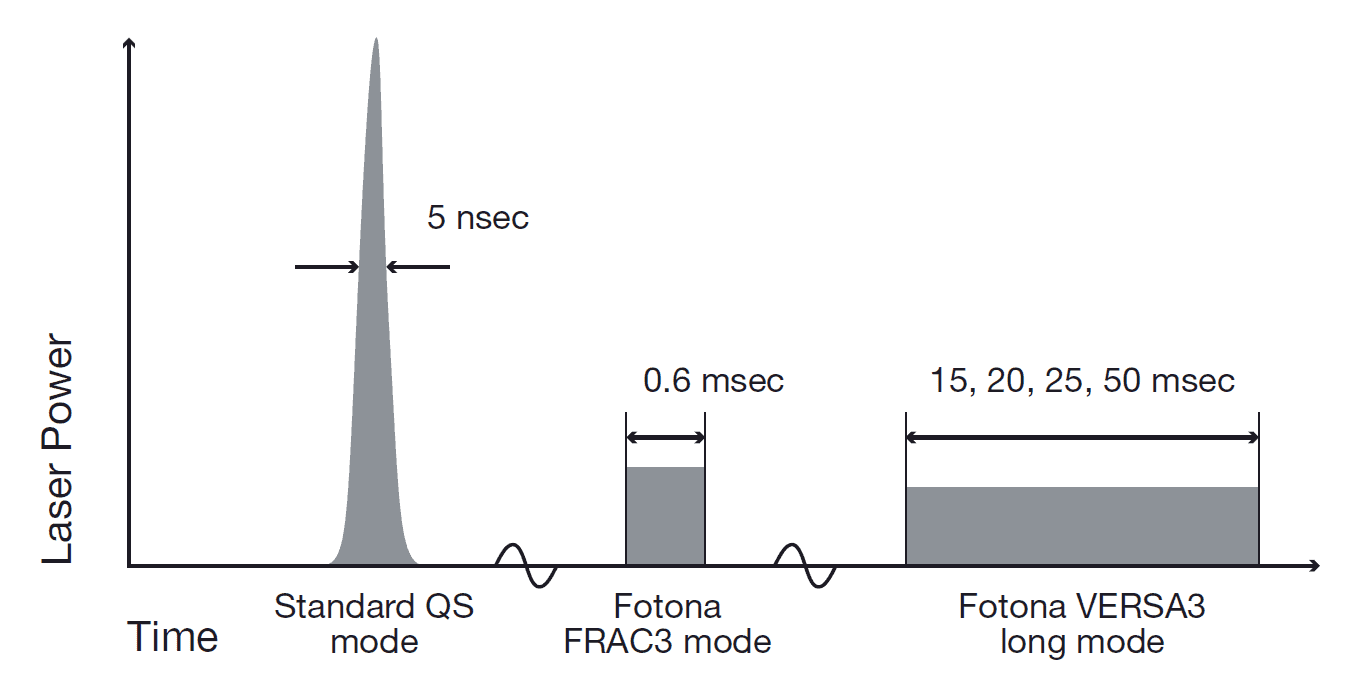
The first mode, SMOOTH®, is used for gentle collagen stimulation. It is often associated with the inside-out part of Fotona4D®, where the laser treats tissue from inside the mouth. This can support firmness in the cheeks and lower face. FRAC3® is used to target deeper imperfections and help stimulate rejuvenation below the surface. It can support skin quality by working in a non-ablative way, meaning it does not fully remove the surface skin.
PIANO® mode delivers deeper bulk heating. This stage is designed to support tightening by gently warming deeper layers. SupErficial™ is the final polishing stage. It works more on the surface to improve texture, tone and glow. This helps give the treatment its fresher-looking finish. Together, these stages create a layered approach. That is what makes Fotona4D® different from basic skin tightening treatments.
What can TimeWalker® Fotona4D® treat?
TimeWalker® Fotona4D® can support several aesthetic treatments depending on the protocol used. The key patient concerns include mild to moderate skin laxity, tired-looking skin, fine lines, uneven texture, dullness, early facial ageing, loose-looking skin around the lower face, and skin quality changes around the eyes, lips and neck.
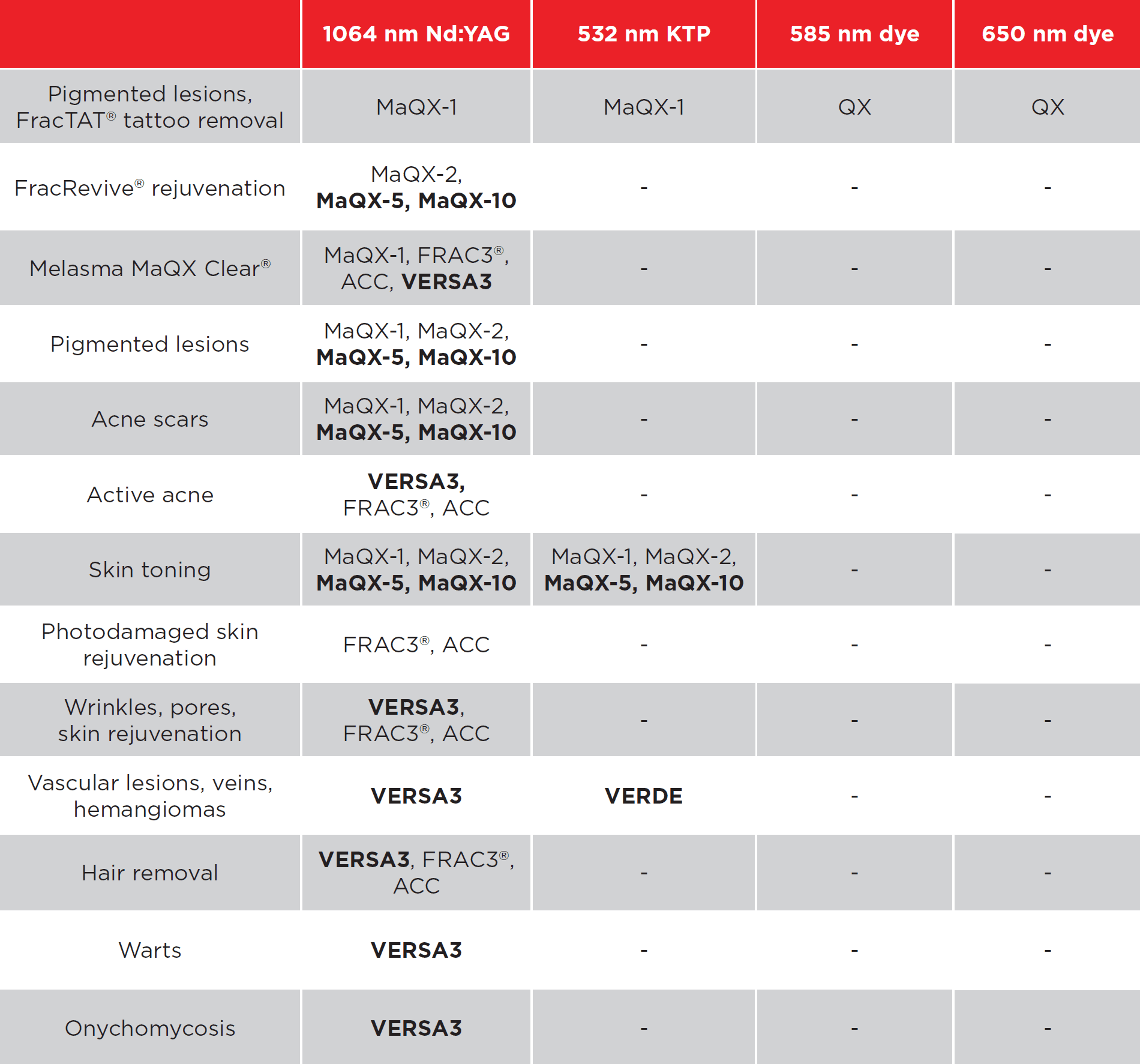
It may also be used for SmoothEye®, a treatment aimed at periocular rejuvenation, and LipLase®, which focuses on the lip area. Clinics may also use the platform for acne scar revision, skin resurfacing and other facial laser procedures. This makes TimeWalker® valuable because it allows clinics to offer a more complete face and neck rejuvenation journey rather than one isolated service.
Fotona4D® vs other non-surgical facelift treatments
Fotona4D® is different from many competitor treatments because it uses laser energy and multiple modes rather than only ultrasound or radiofrequency.
Ultherapy uses focused ultrasound and is mainly known for lifting deeper tissue layers. Thermage uses radiofrequency and is usually linked with skin tightening and collagen stimulation. RF microneedling combines needles with radiofrequency energy to improve texture and firmness. Traditional laser resurfacing focuses more on surface skin renewal.
Fotona4D® sits in a slightly different space because it combines inside-out intraoral treatment, deeper heating and surface polishing. This gives clinics a broader rejuvenation story. It may be especially appealing to patients who want improvement in firmness, skin quality and glow rather than only one type of lift. The best choice depends on skin quality, facial structure, age, laxity, downtime tolerance and personal goals.
Is Fotona4D® a real facelift?
Fotona4D® is often called a non-surgical facelift, but it is important to explain this carefully. It does not remove excess skin or reposition tissue in the way surgery does. A surgical facelift is still more powerful for advanced sagging, heavy jowls or major loose skin.
Fotona4D® is better understood as a non-surgical rejuvenation and tightening treatment. It can help improve firmness, texture, tone and facial freshness in suitable patients. It is ideal for people who want a natural-looking improvement without surgery, or for those who want maintenance before they need more invasive options. This realistic explanation is important because honest content converts better than overpromising.
What happens during treatment?
A Fotona4D® treatment starts with consultation and skin assessment. The practitioner checks your skin type, medical history, concerns, expectations, medication and previous treatments.
During treatment, protective eyewear is used. The practitioner may treat the inside the mouth first, then move to the external face. You may feel warmth, pulsing or mild snapping sensations depending on the stage. The treatment is generally comfortable for most patients, though some areas may be warmer than others.
The skin may be pink, flushed or fresh after treatment. Some people return to normal activities quickly. You may notice some flaking or sensitivity after using a stronger stage. Your clinic should explain the expected downtime based on your chosen protocol.
How many sessions are needed?
Some patients notice a glow or mild tightening after one session, but a course often gives better results. Many clinics recommend several sessions spaced a few weeks apart, followed by maintenance treatments.
Collagen takes time to remodel, so results continue to develop gradually. The best results are usually seen over weeks and months, not instantly. This makes Fotona4D® a good choice for people who prefer natural-looking improvement rather than a sudden dramatic change.
Who is suitable?
Fotona4D® may suit patients with early to moderate signs of ageing, mild skin laxity, dull skin, fine lines, uneven texture or loss of firmness. It may also suit people who want a natural refresh before considering injectables or surgery.
It may not be suitable for people with active skin infection, recent strong sun exposure, certain medical conditions, pregnancy, photosensitive medication or unrealistic expectations. People with significant loose skin may need a different treatment or surgical opinion.A proper consultation is always needed.
Fotona services
Fotona services are designed to help clinics offer advanced, medical-grade aesthetic treatments using flexible laser technology. With platforms such as TimeWalker® Fotona4D®, clinics can provide non-surgical facial rejuvenation, skin tightening, SmoothEye®, LipLase®, VectorLift®, resurfacing and acne scar revision. Fotona’s Er and Nd wavelengths allow practitioners to create layered treatment plans that support collagen stimulation, texture improvement and natural-looking rejuvenation for suitable patients.
Final thoughts
TimeWalker® Fotona4D® is a strong option for clinics that want to offer modern non-surgical facial rejuvenation. It combines recognisable branding, dual-wavelength laser technology and a layered treatment approach that targets skin from different angles.
For patients, the value is clear: firmer, fresher and more refined-looking skin without surgery or long recovery. For clinics, the value is also strong because the platform supports several premium treatments from one system. The key is realistic communication. Fotona4D® is not a surgical facelift, and it should not be sold as one. But for the right patient, it can be a highly appealing treatment that bridges the gap between skincare, injectables and surgery.
FAQs
- What is TimeWalker® Fotona4D®?
TimeWalker® Fotona4D® is a Fotona laser platform designed for non-surgical face and neck aesthetic treatments using Er and Nd wavelengths.
- What is Fotona4D® used for?
Fotona4D® is used for non-surgical facial rejuvenation, skin tightening, collagen stimulation, texture improvement and a fresher-looking complexion.
- Is Fotona4D® a surgical facelift?
No. It does not remove skin or reposition tissue like surgery. It is a non-surgical tightening and rejuvenation treatment.
- How does Fotona4D® work?
It uses four laser modes: SMOOTH®, FRAC3®, PIANO® and SupErficial™. These target different layers of the skin to support tightening, collagen remodelling and surface refinement.
- Is there downtime?
Downtime is usually little to none, although stronger surface settings may cause redness, sensitivity or mild flaking.
- How many sessions are needed?
Many patients benefit from a course of treatments. The exact number depends on skin condition, age, goals and clinic protocol.
- Does Fotona4D® hurt?
Most patients tolerate it well. The treatment can feel warm, especially during deeper heating stages.
- Who is a good candidate?
It may suit people with mild to moderate ageing signs, early laxity, dull skin, fine lines and texture changes.
- How is Fotona4D® different from Ultherapy?
Ultherapy uses ultrasound and focuses mainly on deeper lifting. Fotona4D® uses laser energy in four stages to support tightening, glow, texture and collagen stimulation.
- Why do clinics choose TimeWalker® Fotona4D®?
Clinics choose it because it offers branded non-surgical facial rejuvenation, multiple treatment options and a premium face and neck laser platform.